Balancing Screen Time and Study Time for Kids in 2027
15 April 2026
Remember when we used to worry about kids watching too much TV? Oh, how simple that seems now. Fast forward to 2027, and the landscape isn't just a screen—it's a multidimensional digital ecosystem. Our kids aren't just using technology; they're swimming in it, breathing it, learning through it, and sometimes, let's be honest, getting a little lost in it. As parents, our job has morphed from simple gatekeeper to savvy digital-life coach. The question is no longer if screens are involved in education and leisure, but how we can orchestrate a harmonious symphony between focused study and the ever-present digital hum. How do we help them build a healthy relationship with technology, one where it serves as a powerful tool for learning, not a constant distraction from it? Let's dive in.
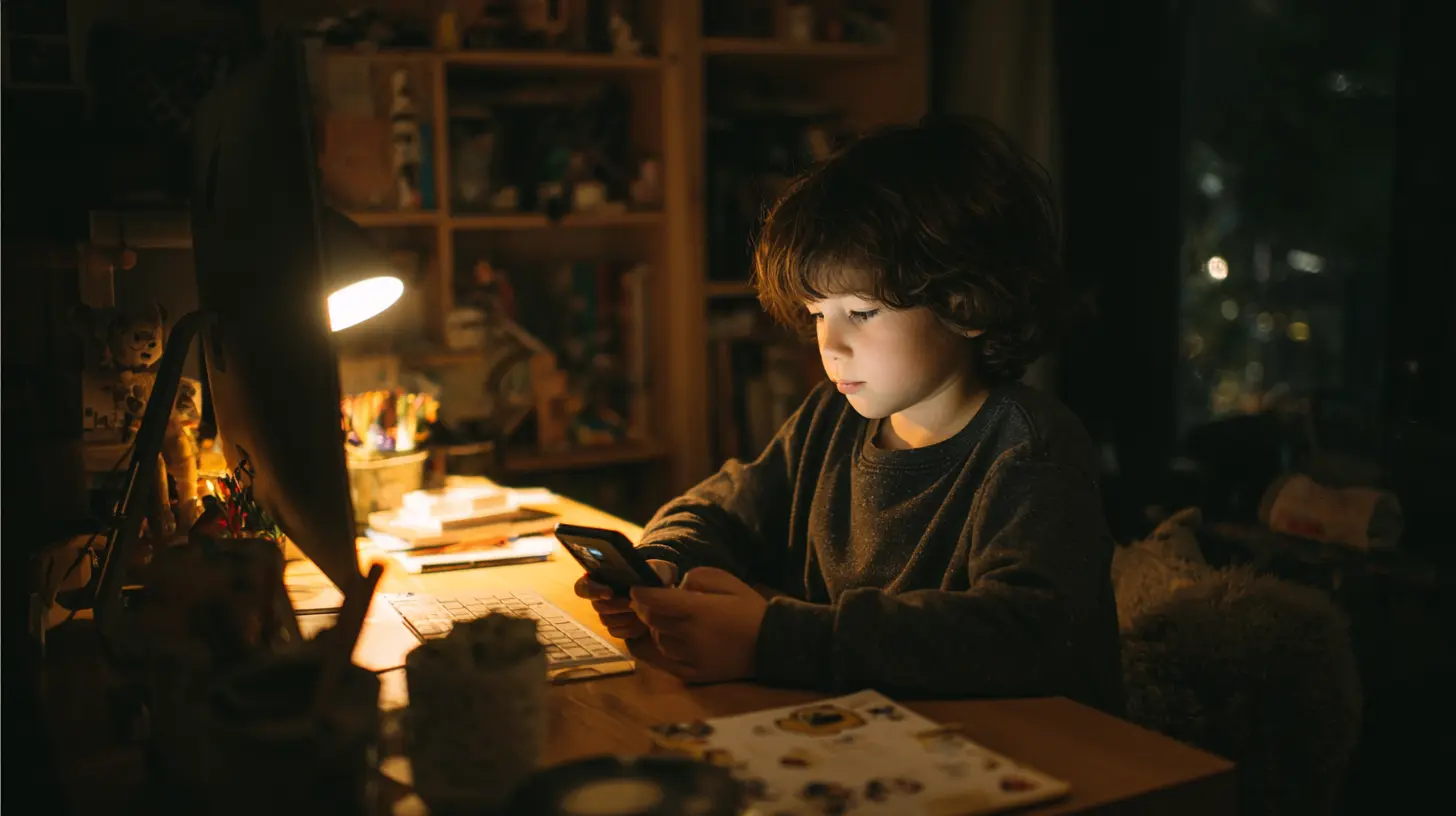
The 2027 Digital Reality: It's Not Just a Screen Anymore
First, we need to shake off any 2020s thinking. By 2027, "screen time" is an almost quaint term. We're talking about immersive, interconnected experiences. Your child's classroom might be a mixed-reality hologram for history lessons, their math tutor an AI avatar, and their social life a blend of in-person hangouts and collaborative virtual world projects. The line between "study" and "screen" is blurrier than ever.Think of it like this: water is essential for life, but you can also drown in it. Technology in 2027 is that water. It's the medium for nearly everything. Our goal isn't to keep them dry, but to teach them to be expert swimmers—to navigate the depths of digital learning, float through social streams, and know when to climb out and sunbathe on the shore of the analog world. The old method of simply counting minutes on a device is as outdated as a flip phone. We need a new framework.

From Time Limits to "Tech-Intentionality": A New Mindset
So, if counting minutes is out, what's in? It's a concept I call "Tech-Intentionality." This is our new north star. Instead of asking "How long have you been on there?" we start asking, and teaching our kids to ask, "What is my intention with this tech right now?"Is the intention to collaborate on a science project in a virtual lab? That's high-value screen use. Is the intention to mindlessly scroll through short-form video feeds while homework sits open in another tab? That's low-value. Is the intention to relax and connect with friends in a game after a long day? That's valid, too—it's about balance.
This shifts the conversation from one of restriction ("Get off your tablet!") to one of empowerment and self-awareness ("What are you hoping to get from this time online?"). We're building their internal compass, not just installing a parental control fence.
The 2027 Study Zone: Designing for Deep Focus
In an age of constant notifications and AI assistants whispering offers to help, creating a physical and digital environment for deep study is a non-negotiable skill. This is where we get practical.1. The "Focus Bubble" Protocol: Help your child create a literal and digital "focus bubble." Physically, this might be a clean desk with a plant (biophilia is huge in 2027 design!). Digitally, it means using built-in OS features or apps to activate "Study Mode." In 2027, these are incredibly sophisticated—not just blocking sites, but silencing non-urgent notifications, changing the lighting of the room's smart lights to a focused spectrum, and even notifying other family members' devices that "Alex is in deep focus until 4 PM." It's about crafting a ritual that tells the brain, "It's time to dive deep."
2. The AI Study Buddy, Not a Crutch: AI homework helpers will be ubiquitous. The key is to frame them as a "tutor," not an answer bot. Set rules: "Use the AI to explain a concept you don't understand, but you must explain it back to me in your own words before you write the answer." This encourages processing, not copying. It's the difference between using a calculator for complex equations and using it for 2+2.
3. The Pomodoro Technique 2.0: The classic 25-minutes-on, 5-minutes-off technique gets a 2027 upgrade. Instead of a simple timer, use one that integrates with the home. The 5-minute break could trigger a smart window to tint for a micro-dose of nature viewing, or suggest a quick physical stretch routine on a nearby display. The break becomes a true mental reset, not just a chance to check messages.

The Social-Emotional Algorithm: What Screens Can't Teach
Here’s the heart of the matter. No matter how advanced the tech, it cannot replicate the messy, beautiful, essential human experiences kids need to thrive. Our role is to fiercely protect and cultivate these spaces.Analog Anchors: These are non-negotiable, screen-free activities that ground your child in the physical world and build core skills. It could be family cooking night (following a recipe on paper!), a weekly sport, learning a hands-on instrument, or simply mandatory "boredom time" where no devices are allowed. Boredom is the incubator for creativity—a function no AI can yet simulate. Think of these anchors as the roots of a tree. The digital world is the canopy, vast and impressive, but without strong roots, the whole thing topples in the first storm.
The Connection Check-In: In 2027, a kid can have 500 connections and feel profoundly lonely. Make space for daily, device-down conversations. "What frustrated you today?" "What made you laugh?" Listen to the spaces between their words. This face-to-face emotional literacy is their ultimate buffer against digital stress and their most important tool for building real relationships.

The Family Digital Compact: Making a Plan Together
This isn't a dictatorship; it's a collaborative governance model. Sit down as a family and draft your "Family Digital Compact."* Define Tech-Curfew Zones: The dinner table and bedrooms are classic, sacred spaces. In 2027, maybe you also add "the first hour after waking up" to allow minds to boot up naturally.
* Categorize Activities: Agree on what constitutes high-value (learning apps, creative coding), medium-value (social gaming with friends), and low-value (passive consumption) screen use. This builds their "Tech-Intentionality" muscle.
* Model the Behavior (This is the big one!): You can't preach "be present" while scrolling your own holographic feed. Share your own struggles. "I'm going to put my phone in the drawer for an hour so I can really enjoy this book." You are their most powerful blueprint.
Navigating the New Normals of 2027
Let's address some specific scenarios you'll likely face:* "But My Homework IS the Screen!": This is the most common cry. The solution is segmentation. Use the "Focus Bubble" for pure, blocked study apps. Then, take a full analog break—walk, snack, stretch—before switching to leisure screen time. The brain needs the boundary to shift gears.
* The Metaverse Homework Group: Virtual study groups will be common. Trust, but verify. Pop in (as your avatar, of course!) to bring a snack IRL and hear the conversation. Ensure it's productive collaboration, not just virtual goofing off.
* AI-Generated Projects: Schools will have advanced plagiarism checkers for AI content. The lesson for kids is about integrity and true understanding. An AI can draft a report on photosynthesis, but it can't go into the garden, grow a bean plant, and present its real, trembling leaves to the class. Champion the human experience.
The Long Game: Building Digitally Resilient Humans
Balancing screen time and study time in 2027 isn't about achieving perfect equilibrium every single day. Some days will be project-heavy and screen-dense. Others might be gloriously analog. That's okay.We're playing the long game. Our aim is to raise digitally resilient kids. Kids who can harness the incredible power of technology to learn, create, and solve problems we can't yet imagine. But also kids who can look a friend in the eye, feel the sun on their skin, get lost in a physical book, and sit quietly with their own thoughts without needing digital stimulation.
They are the first true natives of this brave new world. Our job isn't to build the road for them, but to give them an excellent internal map, a reliable compass (that "Tech-Intentionality"), and the confidence to know that sometimes, the most important journeys happen when you have the courage to log off, look up, and explore the infinite world right in front of you.
all images in this post were generated using AI tools
Category:
Parenting And LearningAuthor:

Tara Henson
Discussion
rate this article
2 comments
Victor McGuffey
Finding balance is tough; open communication about screen use is essential.
April 29, 2026 at 4:19 AM
Tara Henson
Absolutely, open communication is key. It helps kids understand the importance of balance and makes managing screen time easier.
Kael McGill
Navigating screen time and study time in 2027 is challenging. Setting clear boundaries and encouraging active engagement with both can foster better habits. Remember, communication with your kids about their needs and interests is essential for balance and understanding.
April 16, 2026 at 4:59 AM
Tara Henson
Absolutely, clear boundaries and open communication are key. Engaging with kids about their interests helps create a healthier balance. Thanks for sharing!