Building Strong Parent-Child Communication from Day One
24 July 2026
How do we paint the canvas of parenthood with the most vibrant hues of love, trust, and understanding? It begins with something so simple, yet so profound: communication. From that very first breath, as your baby wails their introduction to the world, they’re already saying something. Are you ready to listen? Are you prepared to answer?
Let’s dive into how you can nurture strong parent-child communication from the very first day, building a foundation that will last a lifetime. 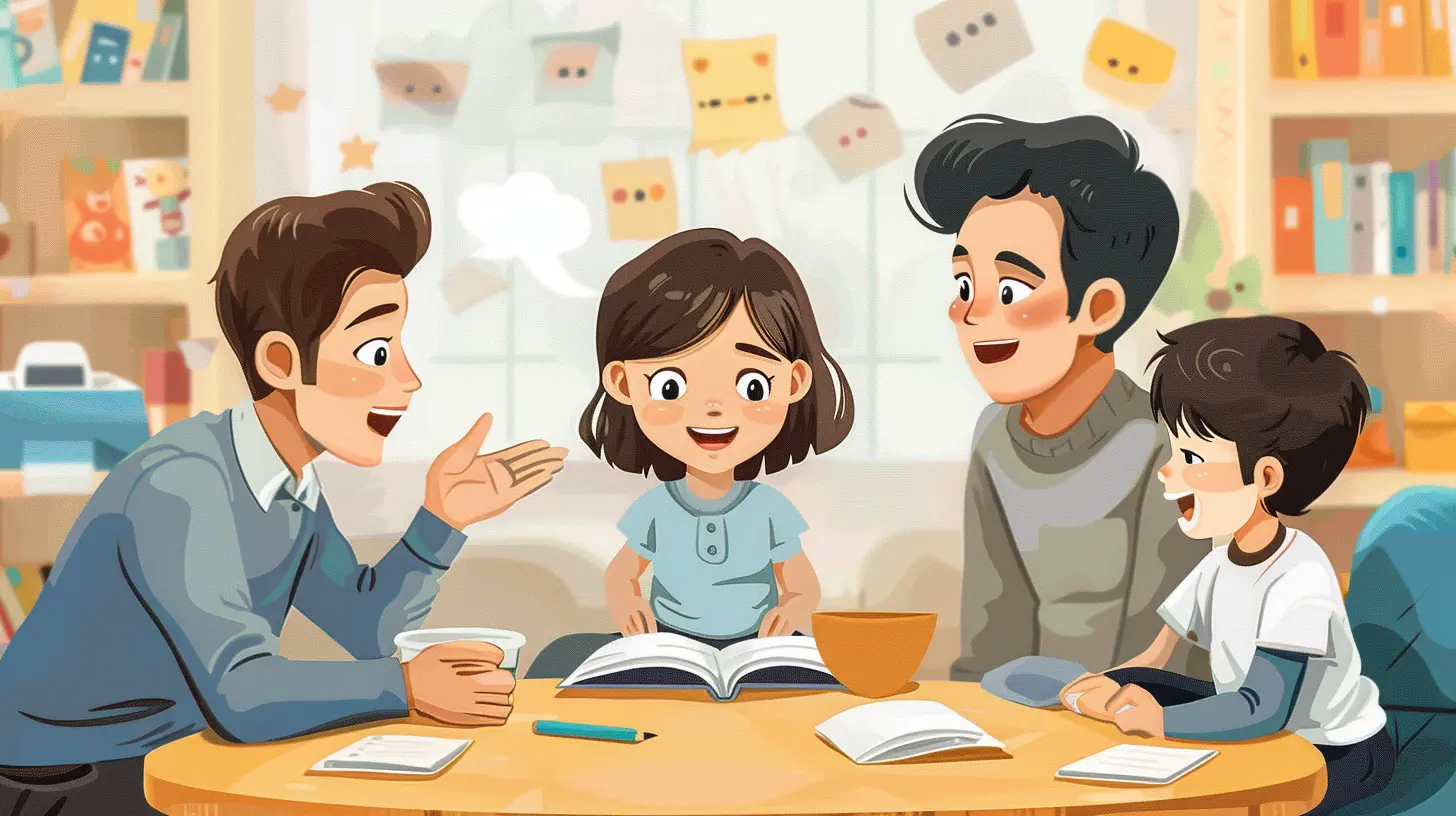
The Language of Touch: Communicating Without Words
Before their giggles turn into words and their babbling morphs into sentences, babies communicate in ways that are as primal as they are powerful. The cuddle, the cry, the way their little fingers curl around yours—these are their early whispers.But it’s a two-way street, isn’t it? Your touch, your soothing voice, and the warmth of your embrace become their first love language. Skin-to-skin contact isn't just a feel-good act; it's a declaration: I’m here. I hear you. I love you.
Imagine your baby as a tiny sponge soaking up everything—your energy, your tone, your touch. Every time you respond to their cries, you’re telling them, “You matter to me.” It’s in those quiet, tender moments that trust starts to take root. 
Babbling Back: Building Connection Through Early Interaction
Do you remember the last time you talked to a plant? Crazy, right? You’d still coax it along softly, saying, "Come on, grow!" Well, think of your baby's brain as that growing plant. When you coo and babble back at them, you’re pouring verbal water into their budding cognitive garden.Speak to them. Not just with baby talk (though that’s adorable), but with real words. Describe your day, narrate what you’re doing, or even chat about the groceries you’re shopping for. “Oh, look at these apples! Should we try a red one or a green one?”
Will they understand every word? Nope. But they’re absorbing the rhythm of language, the melody of conversation, and most importantly, they’re experiencing connection. Every little coo and “goo-goo-ga-ga” is an invitation to interact—a tiny thread woven into the grand tapestry of communication. 
The Power of Eye Contact: A Silent Conversation
What’s the secret sauce behind all great conversations? Eye contact. It’s the unspoken connection that says, I see you. Babies sense it too. Looking into their eyes while you talk or sing to them creates a bond more profound than words.When you lock eyes with your baby, you’re doing more than making goofy faces (though let’s be honest, those faces are hilarious). You’re teaching them about focus, attention, and trust. It’s in these quiet gazes where words aren’t needed, but a world of love and understanding is shared. 
Listening First: The Art of Hearing Their Needs
Here’s a truth bomb: communication isn’t just about talking. It’s about listening. And yes, even newborns have something to say if you’re willing to pay attention.That cry at 2 a.m.? Maybe it’s hunger, maybe it’s a wet diaper, or maybe it’s the baby equivalent of, “Hey, I need a cuddle.” And as they grow, those cries morph into other cues—a tug on your pant leg, a pouty face, or a loud “Moooom!”
Listening is about patience. It’s about being present enough to decode what they’re saying, whether it’s through words or actions. And when you respond? That’s when the magic happens. You're showing them that their voice matters and that you’re on their team.
The Role of Play: A Bridge to Deeper Understanding
Ever notice how kids light up when you grab a puppet or play peekaboo? Playtime is the universal language of childhood. It’s where walls come down and hearts open up.When you engage in play with your little one—whether it’s building block towers, finger-painting, or pretending to be dragons—you’re not just having fun (though let’s admit, it’s pretty fun). You’re laying the groundwork for open communication. You're saying, “I’m listening. I’m here. Let’s connect in your world.”
And guess what? Play is the perfect stage for teaching those tricky concepts like sharing, empathy, and patience. Through the laughter and silliness, you’re having conversations that words alone could never capture.
Everyday Moments: Turning Mundane Into Meaningful
You don’t need grand gestures to have meaningful communication. The magic is often in the mundane. Bath time becomes a symphony of giggles as you sing together. Mealtime transforms into a conversation about colors and flavors. A drive to the grocery store can become an impromptu lesson on shapes and sizes.These small, repetitive moments? They’re the building blocks of strong communication. When you narrate your day, ask simple questions, or just share a laugh, you’re teaching your child how to communicate—and how to connect.
Embracing Emotions: Teaching Them to Name What They Feel
“Use your words!” How many times have you heard (or said) that phrase? But here’s the thing: kids first need to learn the words that match their feelings.When they’re frustrated because their block tower keeps falling, use it as a teaching moment. “Are you feeling upset? That’s okay! Let’s try again.” Or if they’re beaming with joy after mastering a puzzle, cheer them on: “Look at you! You’re so proud, aren’t you?”
By helping them label their emotions, you’re giving them tools to express themselves. It’s like handing them a key to unlock the door to emotional intelligence.
The Tween Years: Keeping the Door Open
Ah, tweens. The age where eye rolls become a second language, and privacy seems to trump everything else. It’s tempting to back off, isn’t it? To give them space and assume they’ll come to you when they’re ready.But here’s the secret: the foundation you built during those early years? It’s still there. You just need to keep adding on to it.
Let them know you’re interested in their world. Ask about their friends, their hobbies, their favorite YouTube channels (even if you secretly can’t stand them). And most importantly, listen. Stay engaged, even when it feels like they’re pushing you away.
Teen Talk: Shifting From Authority to Ally
Let’s face it—teenagers are like cats. Sometimes they want to cuddle, and other times they act like you don’t exist. But don’t mistake their independence for a lack of need. They still need you. They just need you in a different way.Respect their opinions, even if you don’t always agree. Be curious without being intrusive. Share your own experiences, but don’t turn every conversation into a lecture.
Think of yourself not as their boss, but as their coach—someone who guides, encourages, and cheers them on from the sidelines.
The Golden Rule: Communication Is a Two-Way Street
Let’s keep it real. Strong communication isn’t about being the perfect parent. It’s about being an intentional one. It’s about showing up, every single day, and saying, “I’m here. I’m listening. I care.”Just like any relationship, parent-child communication is built on trust, effort, and a willingness to grow together. Don’t stress over getting it “right” all the time. Instead, focus on being present in the moment.
Wrapping It Up: A Lifetime of Connection
The seeds of communication you plant in those early days? They’ll grow into a forest of trust, love, and unbreakable connection. From the softness of a newborn’s gurgle to the fierce independence of a teenager’s opinions, every stage is an opportunity to strengthen that bond.So, take a deep breath. Lean in. Listen. And remember—parenthood isn’t about having all the answers. It’s about being willing to have the conversation.
all images in this post were generated using AI tools
Category:
Parenting AdviceAuthor:

Tara Henson