Caring for Your Baby’s First Teeth
16 June 2026
Your baby’s first tooth—a tiny white pearl peeking through those pink gums—is such a thrilling milestone. It’s one of those “aww” moments you’ll remember forever. But along with the excitement comes a new set of responsibilities. How do you take care of those tiny teeth? When should you start brushing? What about teething pain?
Don’t worry—you’re not alone in asking these questions. In fact, most parents stumble through this stage with a mix of wonder and confusion. So, let’s break it all down in a simple, stress-free way. Whether you're a first-time parent or just need a refresher, here's your complete guide to caring for your baby’s first teeth.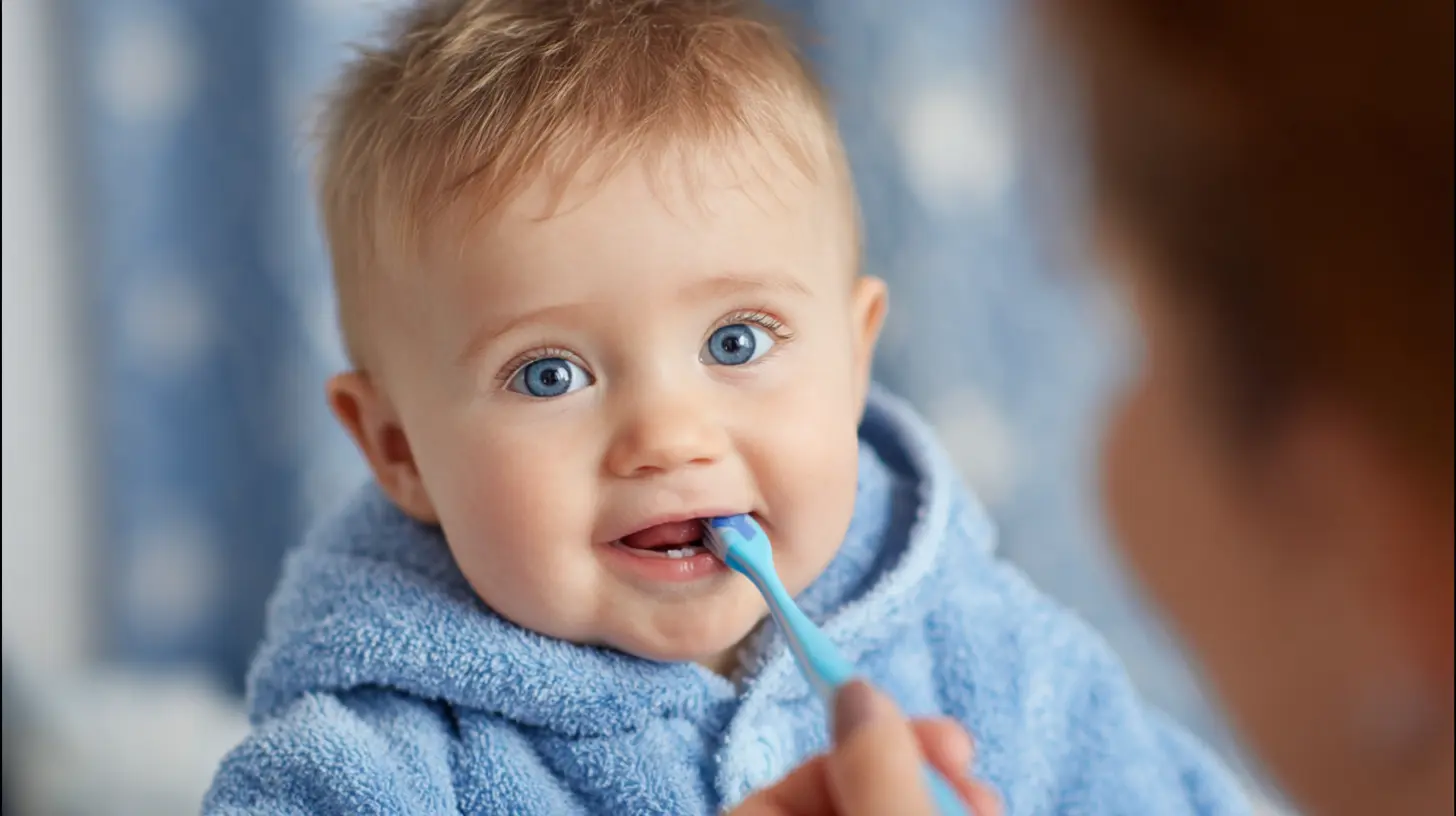
When Do Babies Start Teething?
Every baby is different, but most start teething between 4 to 7 months. The first to erupt are typically the lower central incisors (those two front-bottom teeth). By the time your little one turns three, they’ll likely have a full set of 20 baby teeth.Some babies are born with a tooth (yep, it happens), while others may not pop a single one until after their first birthday. Either way—totally normal.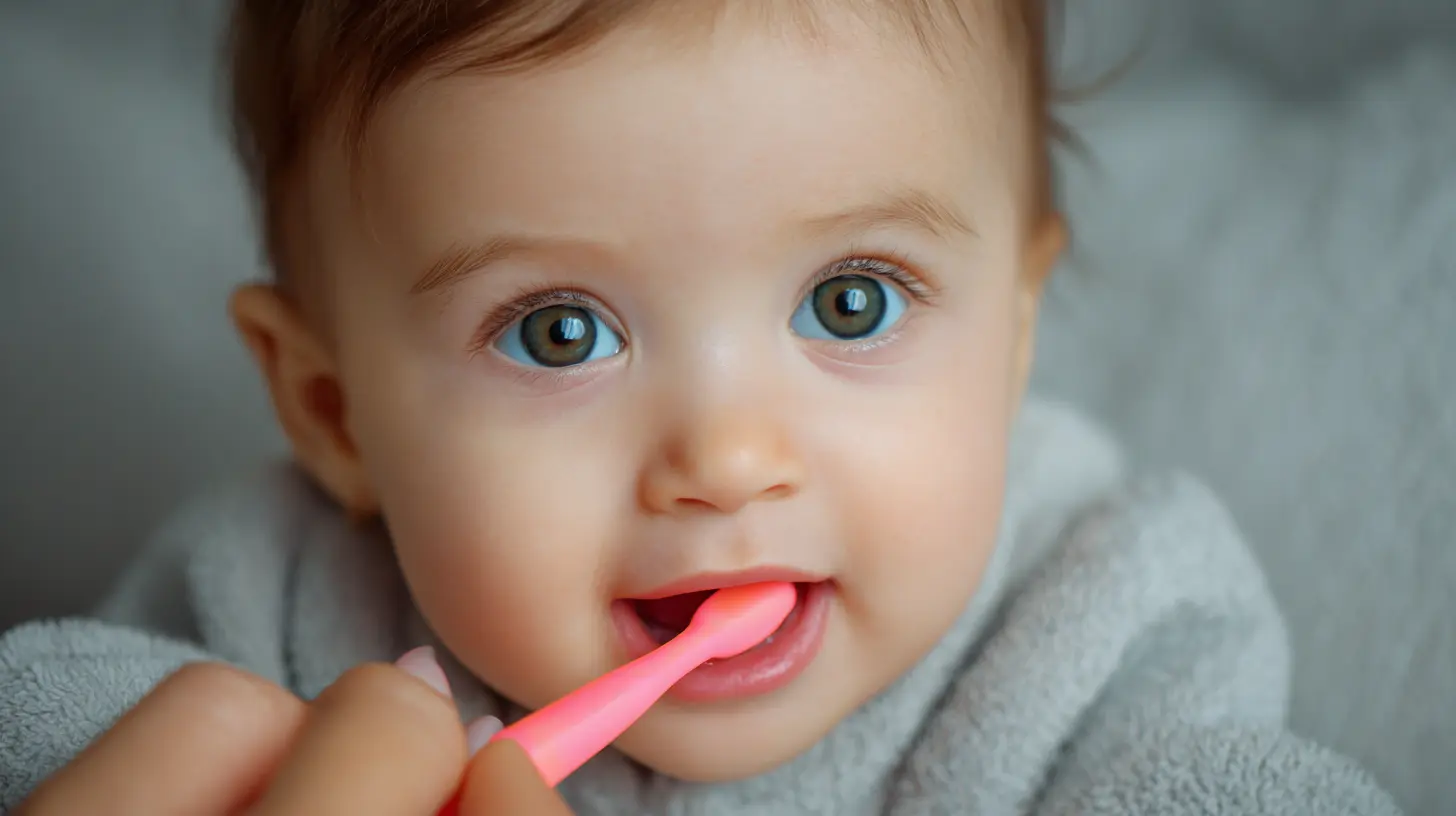
Signs Your Baby Is Teething
Let’s be real: teething can be rough...for both of you. Here are a few tell-tale signs that those baby chompers are on their way:- Drooling like crazy: If you feel like you’re constantly wiping your baby’s chin, welcome to the club.
- Chewing on everything: Toys, fingers, the remote—you name it.
- Irritability or fussiness: It’s hard being a baby with sore gums.
- Slight increase in temperature: Not quite a fever, but your baby might feel warmer than usual.
- Interrupted sleep: Just when you thought you had a sleep routine... surprise!
Some babies handle teething like champs, while others really feel the heat. Just remember, it’s a phase—and it will pass.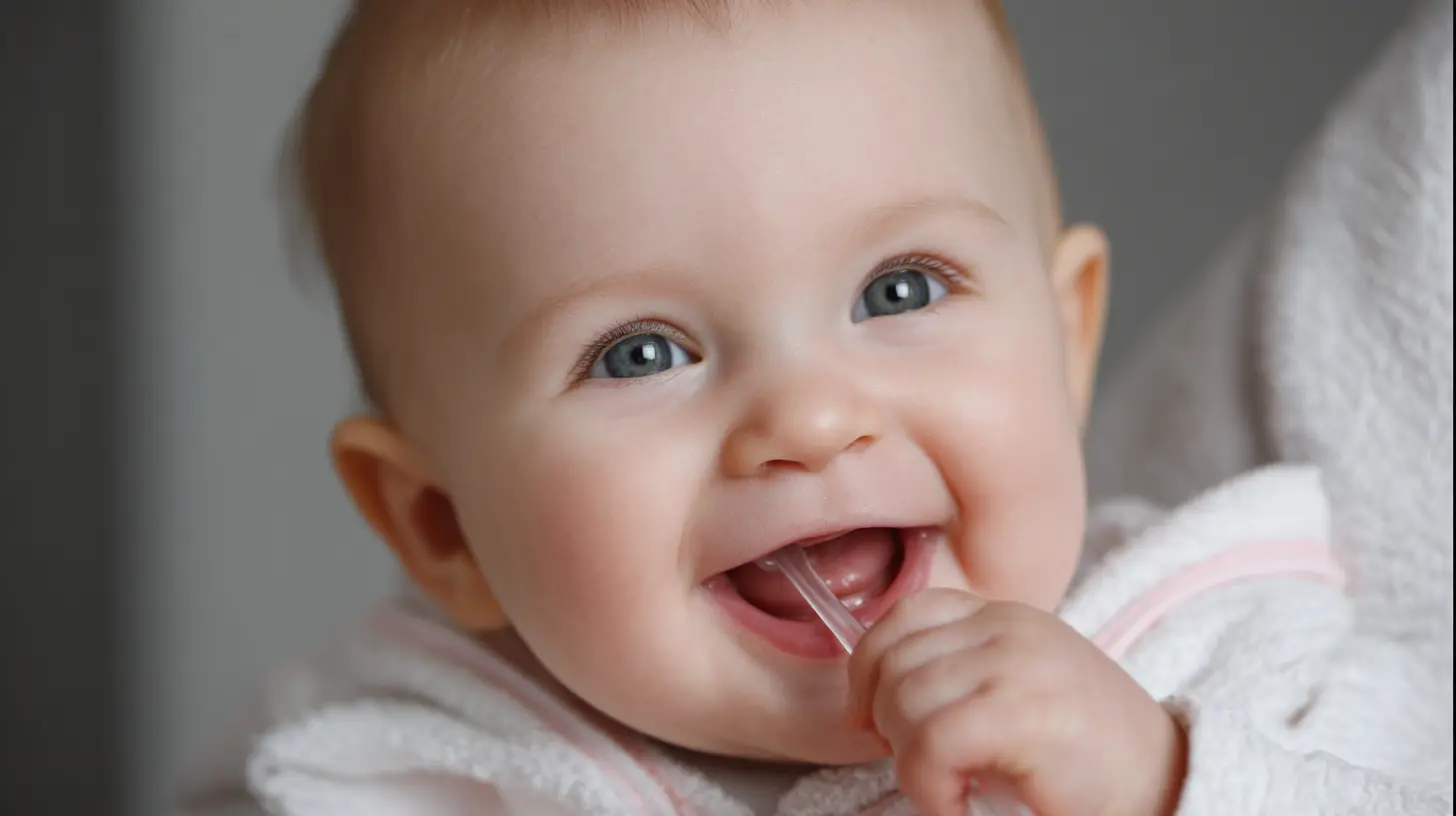
Why Baby Teeth Really Matter
Now, you might be thinking, “They’re just baby teeth—they’re going to fall out anyway.” True, but don't be fooled into thinking they don't matter.Baby teeth play a vital role. They help your child:
- Chew food properly
- Learn to speak clearly
- Maintain the right space for adult teeth
- Build confidence with a healthy smile
Neglecting baby teeth can lead to cavities, infections, or even affect the permanent teeth growing underneath. So, caring for them is a must.
Cleaning Your Baby’s Gums (Before Teeth Appear!)
Yes, dental care starts even before the first tooth comes in. Crazy, right? But it’s true.Use a soft, damp cloth or a silicone finger brush to gently wipe your baby’s gums after feedings—especially before bed. This removes milk residue and prevents bacteria from sticking around. Think of it as laying the foundation for a healthy smile.
Brushing Baby Teeth 101
Alright, the first tooth has made its debut—now what? Time to start brushing!Here’s how to do it:
1. Use the Right Toothbrush
Pick a baby-sized toothbrush with soft bristles. Bonus points if it has a chunky handle that’s easy for you to grip.2. Use Fluoride Toothpaste (Yes, Really!)
The American Dental Association and pediatric dentists recommend using a tiny smear (about the size of a grain of rice) of fluoride toothpaste as soon as the first tooth comes in.Fluoride helps prevent cavities and strengthens enamel. Just be sure to use such a tiny amount that swallowing it isn't a concern.
3. Brush Twice a Day
Make it part of your routine—once in the morning, and especially before bed. Nighttime brushing is crucial since saliva production drops while sleeping, giving bacteria a perfect opportunity to throw a party in your baby’s mouth (no thanks!).4. No Rinsing Required
Babies can’t spit yet, so there’s no need to rinse their mouth after brushing at this stage. The tiny bit of toothpaste won’t harm them.Dealing With Teething Pain
Teething is no picnic. If your baby seems uncomfortable, here are a few simple tricks that can help:Try a Cold Teether
Chill (but don’t freeze) a rubber teething ring. The cold numbs the gums and provides counter-pressure. It's like a baby ice pack for the mouth.Massage the Gums
Use a clean finger to gently rub your baby’s gums. It might seem weird, but they usually love it.Offer Chilled Foods (For Older Babies)
If your baby has started solids, a cold slice of cucumber or applesauce in a mesh feeder can work wonders.Avoid Teething Gels
Most pediatricians advise skipping over-the-counter teething gels, especially those with benzocaine. They can pose health risks and aren’t very effective.Say Bye-Bye to the Bottle at Bedtime
We get it—feeding to sleep is comforting. But letting your baby fall asleep with a milk bottle can coat their teeth in sugars, leading to what’s often called “baby bottle tooth decay.” Yikes.Try switching to water for bedtime bottles or brushing after the last feeding. It’s a small change that makes a big difference.
When to See a Pediatric Dentist
The golden rule? First tooth or first birthday—whichever comes first.It might seem early, but this initial visit helps your child get comfortable with dental care. The dentist can check for any signs of decay and give you personalized tips for keeping your baby’s mouth squeaky clean.
Plus, it sets a positive tone for lifelong dental habits. Think of it as baby’s first step into preventive care.
Teaching Good Habits Early
You’re laying the groundwork for a lifetime of healthy smiles—no pressure, right?But seriously, the earlier you start, the easier it will be for your kiddo to develop good dental habits. Let them watch you brush. Sing a silly toothbrushing song. Make it a game. The goal? Turn tooth care into something they don’t groan about.
Eventually, you’ll hand over the toothbrush. But for now, it’s your job—so get comfy with that two-minute routine!
What About Pacifiers and Thumb-Sucking?
Babies need comfort—it’s just how they’re wired. But prolonged thumb-sucking or pacifier use can affect how their teeth grow in, especially after age two or three.No need to panic if your baby loves their binky. Just be mindful and talk to your pediatrician or dentist if it becomes a long-term habit.
A Word on Cavities in Baby Teeth
Yes, babies and toddlers can get cavities—even if they only have a couple of teeth.Cavities in baby teeth can spread quickly and cause pain or infections. They could even affect the development of adult teeth.
So take them seriously. Here's what helps:
- Brush twice a day with fluoride toothpaste
- Don’t let your baby fall asleep with a bottle
- Avoid frequent sugary snacks and drinks
- Visit the dentist early
- Watch for white spots or discoloration—they could be early signs of decay
Sometimes cavities are out of your control. But with a solid oral hygiene routine, you're giving your baby’s teeth the best shot at staying healthy.
Building a Brushing Routine That Sticks
Consistency is everything. Before long, brushing becomes just another part of the daily rhythm—like putting on pajamas or reading a bedtime story.Here are some quick tips to help:
- Make it fun: Use a toothbrush with their favorite character. Dance around. Be silly.
- Get them involved: Let them hold the brush (but you do the actual brushing).
- Use music or timers: A happy tune can help you hit that two-minute mark.
- Praise them: Positive reinforcement goes a long way. Clap, cheer, high-five!
You're not just brushing teeth—you’re building habits that will last a lifetime.
Final Thoughts: Stay Chill, You've Got This
Caring for your baby’s first teeth doesn’t have to feel like one more thing on your never-ending to-do list. Once you know what to do and make it part of your daily routine, it's actually pretty simple.Your baby's smile is one of their most adorable traits—and it deserves all the TLC in the world. So whether you're wiping those gummy grins or brushing that first tiny tooth, just know: you're doing a great job.
Keep it up, and before you know it, you'll have a toothbrushing pro on your hands (who might even remind YOU that it's time to brush).
all images in this post were generated using AI tools
Category:
Baby CareAuthor:

Tara Henson
Discussion
rate this article
1 comments
Sabina West
Just when you thought your baby couldn't be any cuter, here come the tiny teeth-miniature weapons for adorable chaos!
June 23, 2026 at 2:50 AM
Tara Henson
Absolutely! Those tiny teeth bring a whole new level of charm... and mischief!