Conflict Resolution Skills Every Parent Should Teach
3 April 2026
Conflict is an inevitable part of life. Whether it’s an argument over toys, a disagreement with a sibling, or a misunderstanding with a friend, kids will face conflicts as they grow. The key isn’t to shield them from conflict but to equip them with the right skills to handle it constructively.
As parents, we play a massive role in teaching our children how to resolve disputes calmly and respectfully. Without these skills, they might resort to yelling, passive aggression, or even physical fights. So, how can we help them navigate conflicts effectively? Let’s dive into the essential conflict resolution skills every parent should teach. 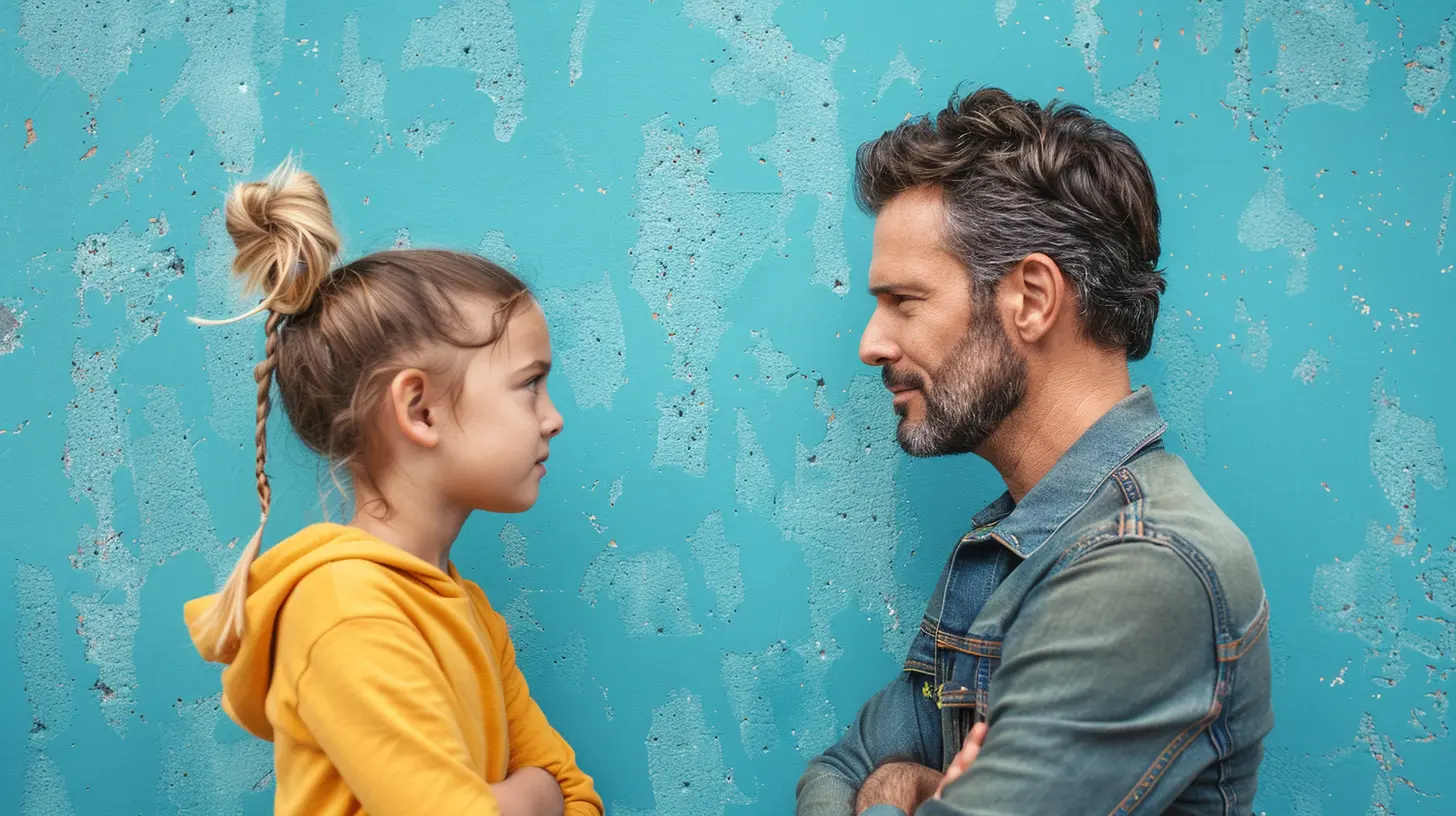
1. Active Listening: The Power of Hearing Others Out
One of the biggest reasons conflicts escalate is because people don’t feel heard. Kids, just like adults, want to express their feelings and be understood. Teaching them active listening from a young age can change the way they approach disagreements.How to Teach It:
- Encourage your child to look at the person speaking.- Teach them to wait their turn instead of interrupting.
- Show them how to paraphrase what the other person just said (“So, you're upset because I played with your toy without asking?”).
- Help them recognize non-verbal cues, like crossed arms or a frustrated tone.
When kids learn to listen actively, they’re more likely to be empathetic and resolve conflicts peacefully. 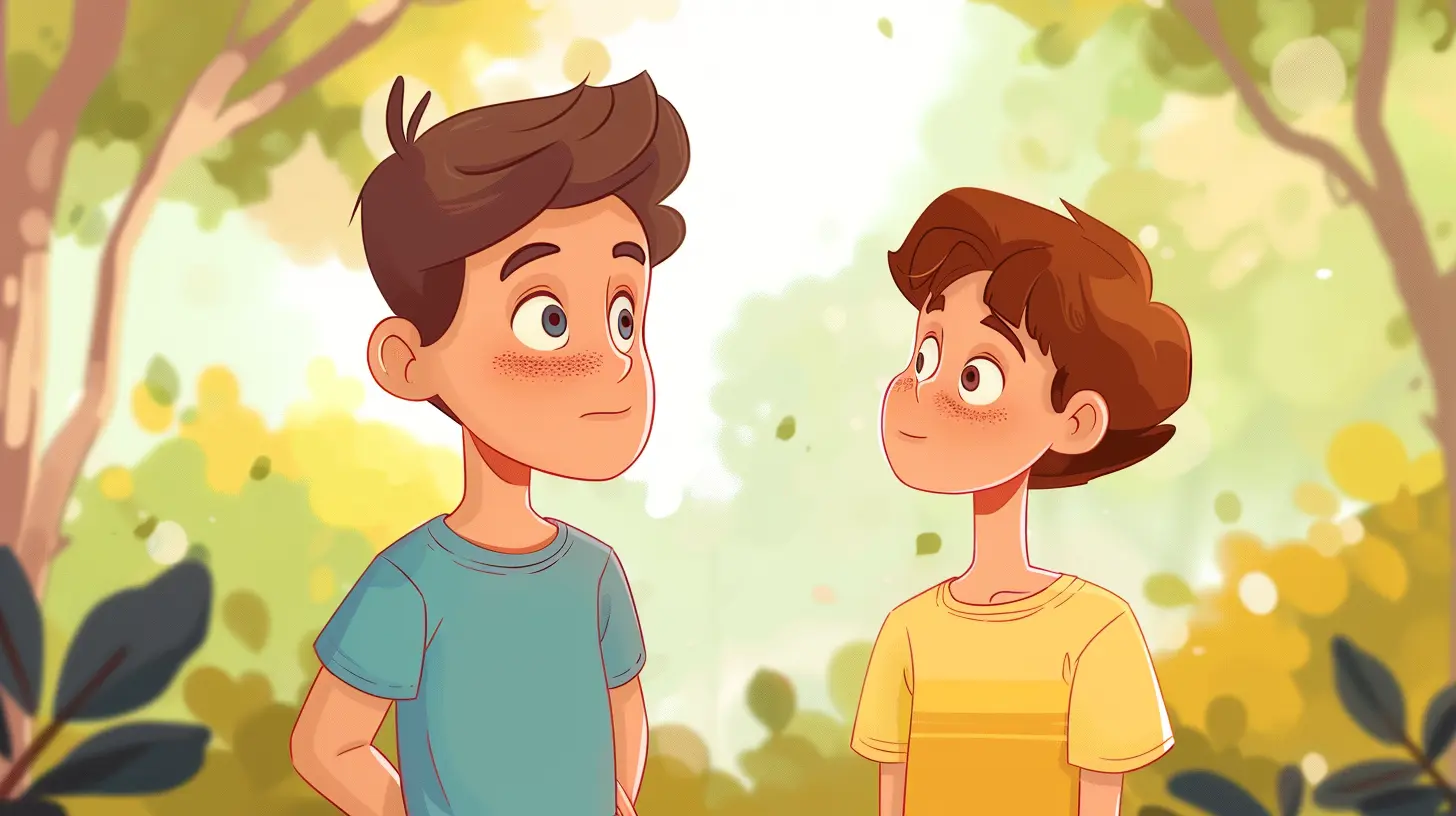
2. Managing Emotions: Keeping Cool in the Heat of the Moment
When disagreements happen, emotions can flare up quickly. Many children struggle with handling anger, frustration, or disappointment. Teaching them emotional regulation techniques can prevent minor conflicts from turning into major meltdowns.Strategies to Help Kids Manage Emotions:
- Pause and Breathe – Encourage deep breathing exercises when they start feeling overwhelmed.- Use “I” Statements – Instead of saying “You always take my stuff!” teach them to say, “I feel upset when you take my things without asking.”
- Take a Break – Sometimes, stepping away for a few minutes can help them regain their composure before addressing the issue.
- Label Their Emotions – Helping kids name what they’re feeling (“I’m feeling frustrated”) can give them better control over their reactions.
When children learn to manage their emotions, they can approach conflicts with a clearer, calmer mindset. 
3. Empathy: Understanding the Other Person’s Perspective
Empathy is a game-changer when it comes to resolving conflicts. If kids can put themselves in someone else’s shoes, they’re more likely to find a fair solution instead of just focusing on their own needs.How to Foster Empathy:
- Ask Perspective-Taking Questions – “How would you feel if someone did that to you?”- Read Books About Empathy – Stories where characters experience different emotions can help kids relate to others.
- Model Empathy – When you show empathy in everyday situations, your kids will naturally pick it up.
Empathy helps children move from a me vs. you mindset to a we mindset—essential for peaceful conflict resolution. 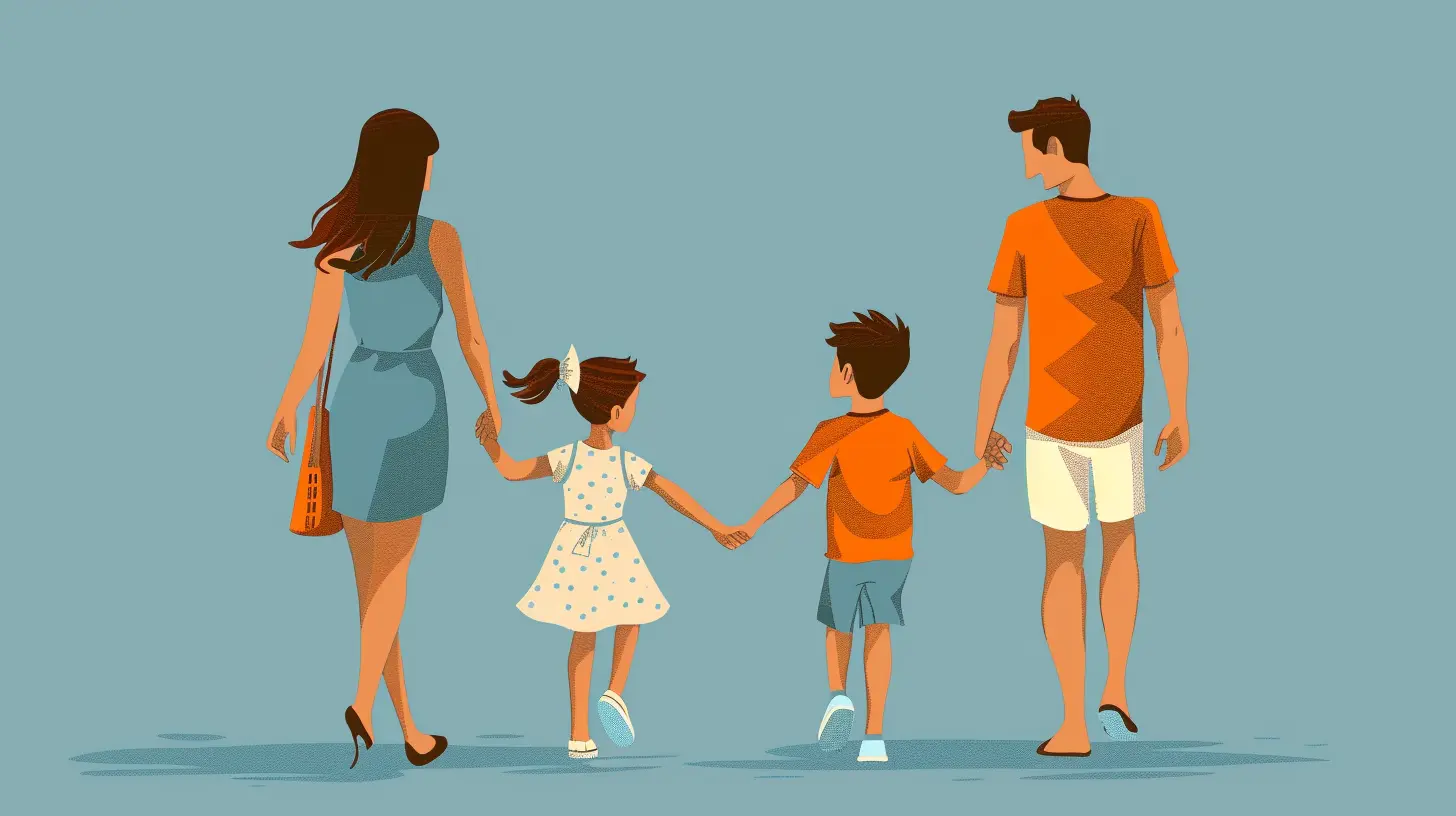
4. Problem-Solving: Finding a Fair Solution
Kids need to learn that conflicts should end in solutions, not grudges. Teaching them how to solve conflicts rather than just reacting can make a huge difference in their relationships.Steps to Teach Problem-Solving:
1. Identify the Problem – “What’s the disagreement about?”2. Brainstorm Solutions – Encourage kids to come up with multiple ways to solve the issue.
3. Evaluate the Options – Ask, “Which solution is fair for both of you?”
4. Choose and Try a Solution – Let them test a solution and see if it works.
By teaching kids how to think through solutions, you’re preparing them for real-life negotiations and compromises.
5. Apologizing Sincerely: Taking Responsibility
Let’s be real—kids don’t always enjoy saying sorry. But a meaningful apology can mend relationships and show emotional maturity.Teach Kids How to Apologize the Right Way:
- Own Up to Their Mistake – “I’m sorry for taking your crayons without asking.”- Acknowledge the Other Person’s Feelings – “I understand that made you upset.”
- Offer a Way to Make Things Right – “Next time, I’ll ask first.”
Sincere apologies help kids rebuild trust and move forward after a conflict.
6. Compromise: Meeting in the Middle
Teaching kids how to compromise is crucial for friendships, teamwork, and future relationships. They won’t always get everything they want, and that’s okay!Ways to Teach Compromise:
- Encourage Taking Turns – “You can play with the toy for 5 minutes, and then it's your brother’s turn.”- Find a Middle Ground – “You want pizza, and she wants burgers—how about tacos?”
- Reward Fairness – Praise them when they successfully find a win-win solution.
Compromise teaches kids that working together is often more rewarding than trying to "win" an argument.
7. Walking Away When Necessary
Not all conflicts need to be resolved on the spot. Sometimes, walking away is the best option—especially if the other person is being aggressive or unreasonable.When to Walk Away:
- If the conversation turns into yelling or name-calling.- If someone is being physically aggressive.
- If they feel like they need time to process their feelings before responding.
Letting kids know that it’s okay to step away teaches them to protect their emotional well-being while avoiding unnecessary fights.
8. Asking for Help When Needed
There will be times when conflicts are too big for kids to handle on their own. Teaching them that it’s okay to ask for help is just as important as teaching them to problem-solve independently.When to Encourage Seeking Help:
- When they’re feeling unsafe or threatened.- If they’ve tried resolving the conflict but it’s not working.
- When they need guidance on how to handle a tricky situation.
Let them know that asking for help isn’t a weakness—it’s a smart way to handle tough conflicts.
Final Thoughts
Conflict resolution is a skill that takes time, patience, and practice. As parents, we’re not just raising children; we’re shaping future adults who need to know how to navigate disagreements in a healthy way. By teaching active listening, emotional control, problem-solving, and empathy, we equip our kids with the tools they need to resolve conflicts peacefully.So, the next time your child faces a disagreement, take a step back and guide them through these strategies. In time, they’ll develop the ability to handle conflicts maturely—something that will benefit them for life.
all images in this post were generated using AI tools
Category:
Parenting AdviceAuthor:

Tara Henson
Discussion
rate this article
2 comments
Owen Cummings
What a vital topic! Teaching kids conflict resolution skills can truly shape their future relationships. I'm curious about how different age groups might respond to various techniques. It would be enlightening to hear more about real-life examples that have worked for other families!
April 20, 2026 at 4:11 AM
Tara Henson
Thank you for your insight! Different age groups respond to techniques like role-playing and guided discussions in unique ways. We'll definitely explore real-life examples in future posts for practical insights!
Patience Mendez
Teaching kids to resolve conflicts? It’s like parenting ninjutsu—sneaky, fun, and super effective!
April 14, 2026 at 4:45 AM
Tara Henson
Absolutely! Teaching conflict resolution is indeed an essential life skill that empowers kids and can be both enjoyable and impactful.