Cultivating Empathy in Kids Through Volunteer Work and Giving Back
8 June 2026
Raising kind, compassionate kids in today’s fast-paced, often self-centered world can feel like a monumental task. But there's one surefire way to teach our little humans about caring for others: getting their hands a little dirty in the name of service. Yep, we’re talking about volunteering and giving back.
Now, before you picture packing a week's worth of food for a soup kitchen or building houses in a developing country, take a deep breath. Teaching empathy through giving doesn’t require grand gestures—it starts with small acts and the right mindset.
Let’s unpack how volunteer work can shape your kiddo’s heart and help them grow into the thoughtful, kind adults we all hope they’ll be.
What Is Empathy and Why Should Kids Care?
Before we dive into the volunteering bit, let’s talk about empathy. Simply put, empathy is putting yourself in someone else’s shoes. It’s understanding and feeling what others are going through—even if you’ve never been there yourself.So why does that matter for our kids?
Because empathy is kind of like the secret sauce to being a good human. It helps us connect, care, and make the world a little less harsh. And here's the cool part—it’s not something you're just born with. You can teach it. You can encourage it. And you can grow it every single day, like a muscle.
Why Volunteering Works Wonders
Volunteering isn't just about giving time—it's about opening hearts. When kids get involved in helping others, they're doing more than picking up litter or donating clothes. They're:- Seeing the world from another perspective
- Asking deep questions ("Why doesn’t everyone have food?")
- Appreciating what they have
- Learning that they can make a difference, even when they’re little
Pretty powerful, right?
When Should You Start? Earlier Than You Think
Think your toddler is too young to understand giving back? Think again. Even tiny kids can show kindness and start learning about helping others. It could be as simple as:- Drawing pictures for residents at a local senior home
- Donating gently used toys
- Baking cookies for a neighbor going through a tough time
Kids are never too young to care, and these little moments can be the seeds of lifelong compassion.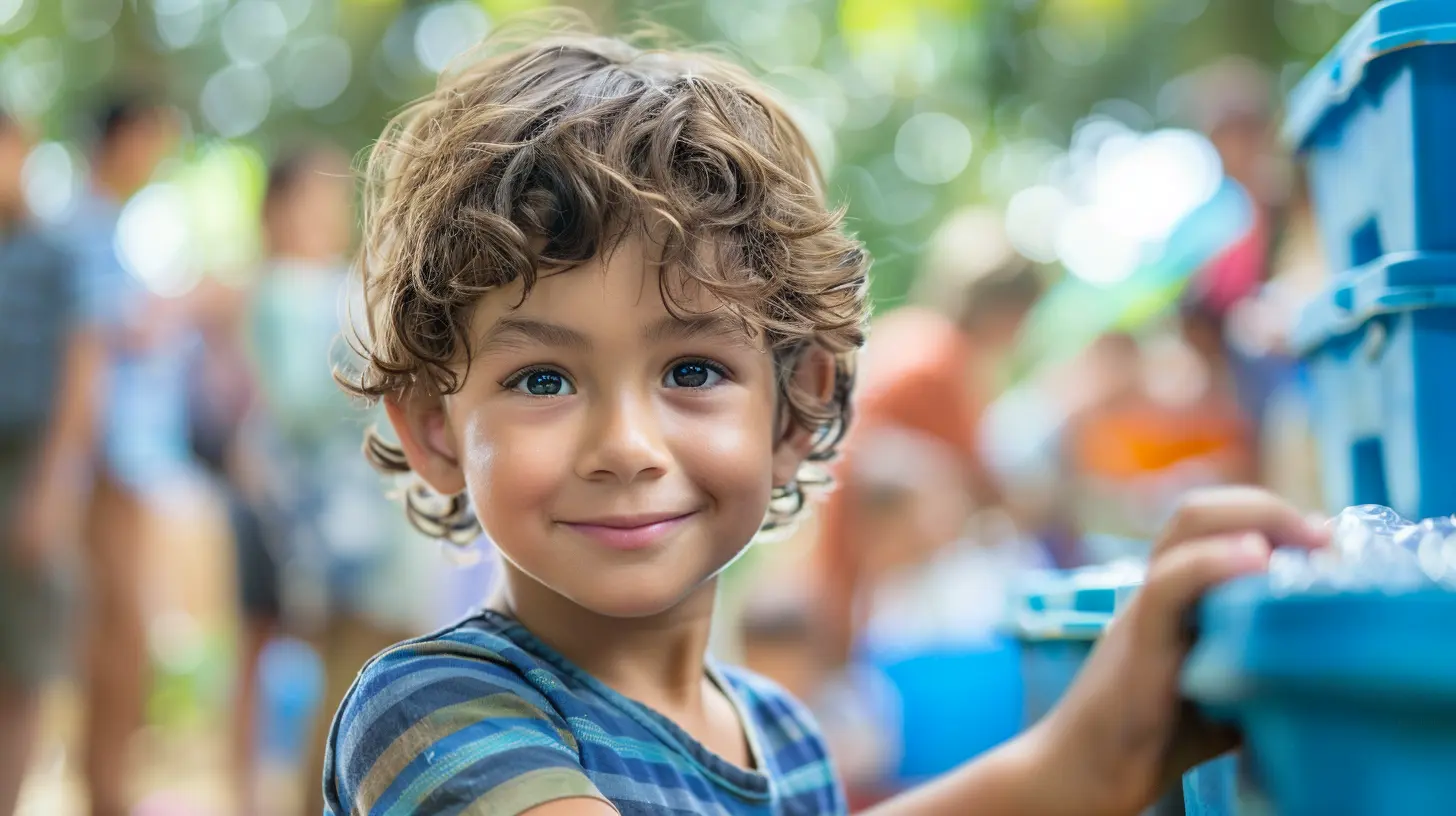
Types of Volunteer Work Perfect for Kids
Not all volunteering has to be formal. In fact, the best opportunities often come from your own community and creativity. Here are some great starting points:1. Helping Hands at Food Banks
This is a classic for a reason. Food insecurity is a real issue, and even kids can help sort donations or pack boxes.2. Litter Patrol in Local Parks
Grab some gloves and a bag, and you’ve got yourself a walking lesson in environmental stewardship. Bonus: it gets them moving!3. Visiting Retirement Homes
Older generations love the company of young ones. A simple visit, a short chat, or even a shared game of cards can light up someone’s day.4. Animal Shelter Adventures
If your little ones are animal lovers, shelters often welcome young volunteers to walk dogs, play with kittens, or help with basic chores.5. Crafting for a Cause
Making care packages, cards for hospitalized kids, or blankets for the homeless combines creativity with compassion.6. Community Garden Work
Tending to plants teaches patience and responsibility—but when the harvest goes to struggling families, it teaches generosity too.Let Them Lead the Way
Here’s a parenting tip that works like magic: Let your kids choose the cause.Are they obsessed with animals? passionate about the planet? naturally nurturing? Take those cues and find volunteer opportunities that align with their interests. When kids connect personally to the cause, their empathy flourishes.
Think of it this way: Would you be more excited to help out at a cat café or attend a seminar on tax law? Exactly.
Make Giving Back Part of Your Routine
The best way to show your kids that giving isn't just a “once-a-year holiday thing” is to make it a regular part of life.You don’t need a scheduled calendar of events (though if that works for you, go for it). Instead, start looking for day-to-day opportunities:
- Someone dropped groceries? Offer to help them pick it up together.
- See a lonely child on the playground? Encourage your kid to say, “Wanna play?”
- Got a little extra at the store? Let your child pick out something to donate.
These moments may seem small, but their impact is huge.
Conversations That Spark Compassion
Volunteering gives you a golden opportunity to open the door to some really meaningful conversations. Use them!Here are some great prompts to start with:
- "How do you think that person felt?"
- "What would you do if you were in their shoes?"
- "Why do you think it's important to help even if we don’t know them?"
The goal isn’t to lecture, but to get their wheels turning. And, honestly, their insights might just blow you away.
Turn Mistakes Into Teachable Moments
Let’s face it—kids are going to slip up. Maybe they whine about being tired during a cleanup event, or complain that it’s "boring."Instead of getting frustrated, treat these hiccups as chances to talk about why you're doing what you're doing. It’s okay to say, “Yeah, this isn’t the most fun thing ever—but it’s important, and not everything that's good is easy.”
Spoiler alert: That lesson applies to almost everything in life.
Celebrate Their Impact
You don’t need a trophy to celebrate a kind heart. But acknowledging your child’s effort and empathy can go a long way.Say things like:
- “You really made that person smile today.”
- “That was such a thoughtful thing to do.”
- “I’m really proud of how caring you were.”
You’re not just giving praise. You’re reinforcing the idea that helping others is something to be proud of.
Involve the Whole Family
Empathy isn’t just a kid thing—it’s a family value. So get everyone involved.Making sandwiches for a shelter? Turn it into a Sunday tradition with music and laughs. Planning to donate clothes? Let everyone pick something from their closet.
When your kids see you stepping up, it becomes normalized. Giving back becomes not just an action, but a way of life.
Teaching Gratitude Along the Way
Here’s the thing: Giving and gratitude go hand in hand.When kids volunteer, they start to realize not everyone has the same comforts they do. That shift in perspective helps build a deep sense of thankfulness—not out of guilt, but out of awareness.
Gratitude then becomes a lens through which they see the world. And that’s a game-changer.
Beyond Volunteering: Additional Ways to Promote Empathy
While community service is a fantastic tool, there are other small, everyday ways to nurture empathy in your kids:- Reading books about diverse experiences and cultures
- Watching shows or movies that deal with real-life challenges
- Encouraging them to listen more and talk less
- Modeling empathy in your own interactions
It’s all about hitting that empathy button from as many angles as possible.
What If My Kid Just Doesn’t Seem to “Get It”?
Ahh, the million-dollar question.First, don’t panic. Kids develop empathy at different rates. Some are natural-born caregivers, while others need a little more guidance. Keep exposing them to giving, modeling compassion, and creating opportunities to care.
And remember: You’re planting seeds. Some grow fast, some take time. Just keep watering them.
Long-Term Benefits of Raising Empathetic Kids
Empathy isn’t just nice to have—it’s a must-have for future leaders, team players, and good citizens. Kids who volunteer tend to:- Have better communication skills
- Navigate conflicts more effectively
- Show greater emotional intelligence
- Be more socially aware
- Feel happier and more connected
And let’s be honest—raising kind kids makes the world better for everyone.
Final Thoughts: Small Acts. Big Hearts.
At the end of the day, cultivating empathy in kids isn’t about perfectly planned service projects or grand donations. It’s about helping them see, feel, and care about the world around them. Volunteering and giving back are just two lovely vehicles for that journey.As parents, we get the incredible privilege of shaping not just our children's minds—but their hearts. Let’s teach them to open those hearts a little wider each day.
Because when we raise kids who care, we raise kids who change the world.
all images in this post were generated using AI tools
Category:
Teaching EmpathyAuthor:

Tara Henson
Discussion
rate this article
1 comments
Uriel Horne
Great ideas for teaching kids kindness!
June 12, 2026 at 4:52 PM
Tara Henson
Thank you! I'm glad you found the ideas helpful. Kindness is so important for our kids.