Diverse Stories: Introducing Inclusion Through Children’s Books
19 March 2026
Children’s books have a magical way of shaping young minds. They introduce kids to adventure, empathy, and the wonders of the world. But have you ever thought about how these books influence a child’s perspective on diversity and inclusion?
In today’s world, representation matters more than ever. Kids need to see characters who look like them and who reflect the diverse cultures, abilities, and experiences of the world around them. That’s where diverse children's books come in—they open doors to new perspectives and help build understanding from an early age.
If you're a parent, teacher, or caregiver, you might be wondering: How do I introduce my child to inclusive stories? And why is it so important? Let’s dive in!
Why Representation in Children’s Books Matters
1. Builds Empathy and Understanding
Kids are naturally curious. When they read about diverse characters—whether it's a child from a different country, a character with a disability, or a same-gender parent family—they begin to see the world from another person's point of view. This helps them develop empathy, an essential skill for kindness and cooperation.2. Boosts Self-Confidence in Marginalized Groups
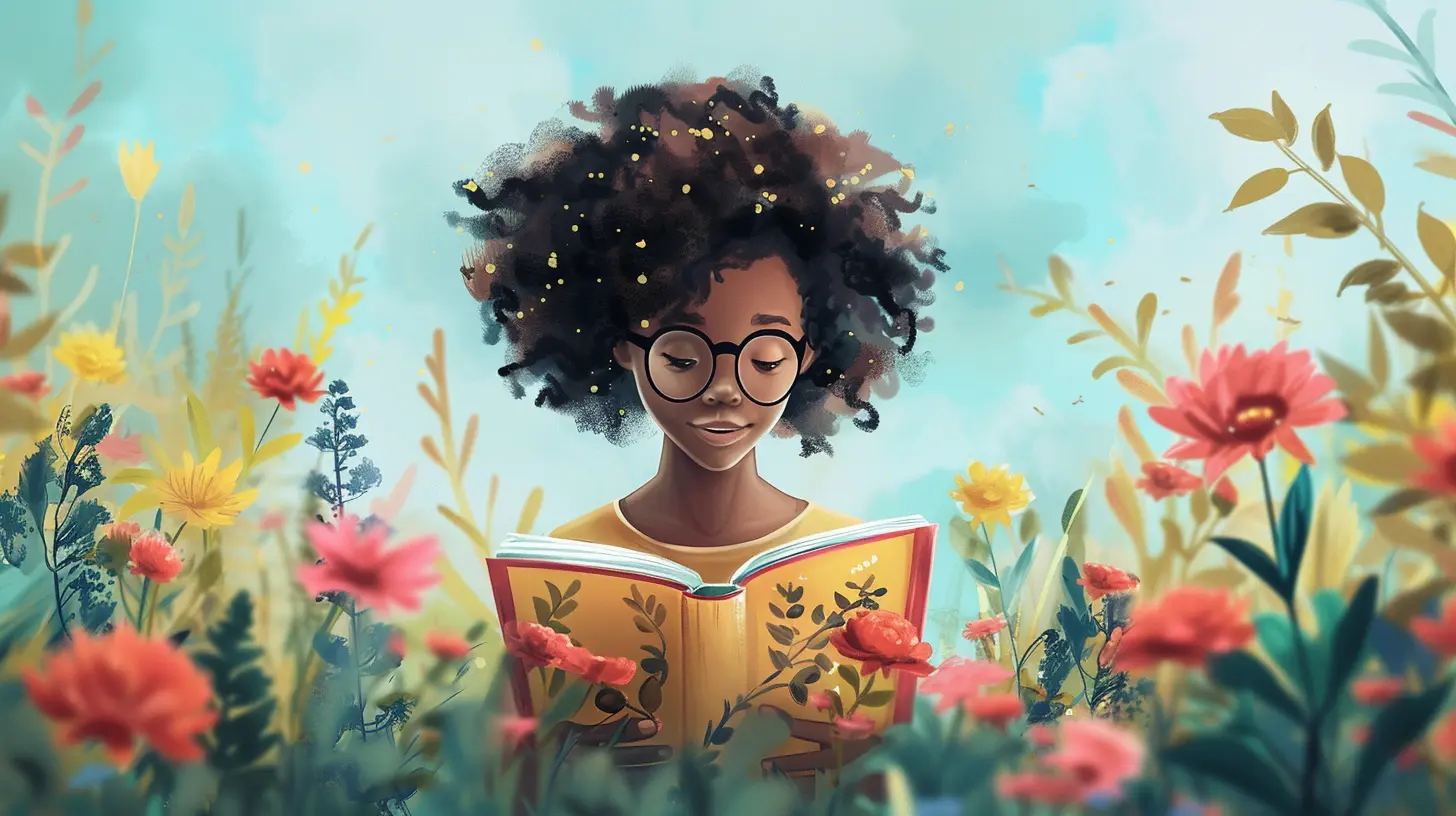
Imagine being a young child who never sees someone like them in books, movies, or TV shows. It can make them feel invisible or unimportant. When children see themselves reflected in stories, they develop a greater sense of self-worth and belonging.3. Normalizes Differences
Sometimes, kids have questions about differences—why someone uses a wheelchair, wears a hijab, or speaks another language. Books that embrace diversity allow for natural conversations about these topics in a positive, non-judgmental way.4. Prepares Kids for the Real World
The world is beautifully diverse, and our children will grow up in a society filled with people from all walks of life. Early exposure to diverse stories helps children become open-minded, respectful, and accepting of differences.
What Makes a Children's Book Inclusive?
Not all books that feature diverse characters are truly inclusive. A great diverse book doesn’t just add a token character for the sake of representation—it tells meaningful, accurate, and respectful stories. Here’s what to look for:1. Authentic Representation
The best diverse books are written by authors who have firsthand experience with the cultures or identities they’re portraying. Authenticity ensures that the representation is accurate and heartfelt rather than stereotypical.2. Positive Storylines, Not Just Struggles
While it’s important to acknowledge history and struggles, diversity shouldn’t always be portrayed through hardship. Kids need to see joyful, successful, and everyday experiences of diverse characters too.3. Inclusive Illustrations
Illustrations should reflect people of different races, body types, abilities, and family structures. Representation through pictures is just as important as the words in the story.4. Encourages Mutual Respect
Great inclusive books promote respect and understanding rather than pity or division. They highlight common human experiences while celebrating unique identities.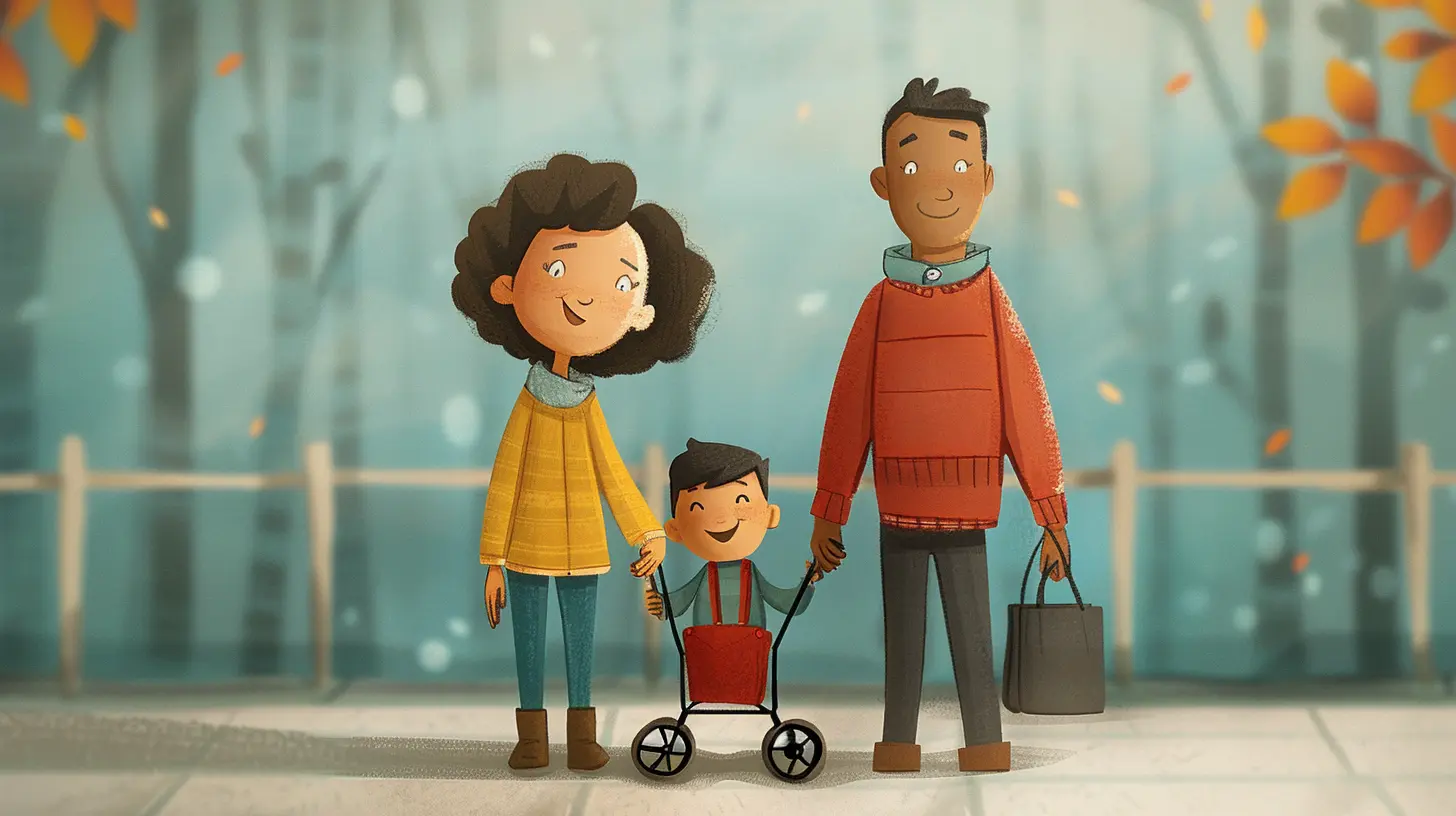
How to Introduce Inclusive Books to Your Child
1. Start Early
It’s never too early to introduce diversity. Even board books for babies can feature a wide variety of characters. The earlier kids see diversity in a positive light, the more natural inclusion will feel to them.2. Make It a Habit
Diverse books shouldn’t be a once-in-a-while thing. If you want to truly normalize inclusion, make sure your child’s bookshelf is filled with a variety of stories representing different cultures, backgrounds, and perspectives.3. Talk About What You Read
Simply handing a child a book isn’t enough. Take the time to discuss the stories with them. Ask questions like, “How do you think this character feels?” or “Have you ever met someone with a similar experience?” These conversations help reinforce the lessons in the book.4. Choose Books That Reflect Your Own Community—And Beyond
It’s great to have books that reflect your own culture and household, but don’t stop there. Introduce books that showcase different ethnicities, religions, family structures, and experiences. This broadens your child's understanding of the world.5. Lead by Example
Kids learn best by watching the adults in their lives. If they see you valuing diversity—through the books you read, the conversations you have, and the actions you take—they’re more likely to do the same.
Must-Read Diverse Children’s Books
Now that we’ve covered why inclusion in children's books matters, let’s look at a few must-read stories that celebrate diversity:1. Last Stop on Market Street by Matt de la Peña
A heartwarming story about a boy and his grandmother riding the bus and witnessing the beauty in everyday moments. It subtly teaches about socioeconomic diversity and gratitude.2. The Name Jar by Yangsook Choi
A touching story about a Korean girl trying to fit in at her new school while learning to embrace her unique name and identity.3. All Are Welcome by Alexandra Penfold
An inclusive and beautifully illustrated book that reassures kids that no matter their background, they belong.4. Sulwe by Lupita Nyong’o
A powerful book about self-love and colorism, following a young girl who learns to embrace her deep, rich skin tone.5. Julian Is a Mermaid by Jessica Love
A beautifully illustrated book celebrating individuality and self-expression, following a boy who dreams of becoming a mermaid.6. A Different Pond by Bao Phi
A poetic, heartfelt story about an immigrant Vietnamese family and the sacrifices they make in search of a better life.7. I Am Enough by Grace Byers
A lyrical poem that encourages self-acceptance, kindness, and recognizing our shared humanity.Final Thoughts
Reading diverse children’s books isn’t just about increasing representation—it’s about shaping a kinder, more understanding future. When kids see and celebrate differences from an early age, they grow up to be more compassionate, open-minded individuals.So, the next time you pick up a book for your little one, ask yourself: Does this story reflect the beautiful diversity of the world? If not, consider adding some inclusive books to your collection. Your child—and the world—will be better for it.
all images in this post were generated using AI tools
Category:
Childrens BooksAuthor:

Tara Henson
Discussion
rate this article
2 comments
Raleigh Mullen
Embracing diverse stories cultivates empathy and understanding in our children. Let's inspire their hearts and minds together!
April 5, 2026 at 4:03 AM
Tara Henson
Absolutely! Diverse stories are vital for fostering empathy and understanding in children, helping them embrace different perspectives and experiences. Let's inspire the next generation together!
Amanda McLaurin
Thank you for sharing this important perspective! Diverse stories in children's books not only enrich young minds but also foster empathy and understanding, shaping a more inclusive future for our children.
March 19, 2026 at 3:52 AM