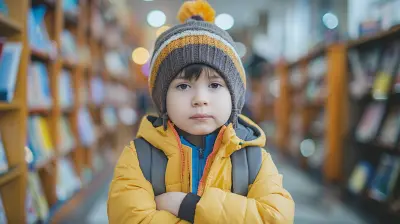
Empathy Starts at Home: The Impact of Parental Engagement
2 January 2026
Empathy is one of the most valuable traits a person can have. It helps us connect with others, understand different perspectives, and create meaningful relationships. But where does empathy begin? Right at home! Parents play a crucial role in shaping their child’s emotional intelligence, and the way they engage with their kids can set the foundation for a lifetime of compassion and understanding.
In today’s fast-paced world, many parents focus on academic success, extracurricular activities, and discipline. But what about emotional development? Teaching empathy isn’t just about telling kids to be kind—it’s about showing them how through everyday interactions. Let’s dive deep into why parental engagement is the key to raising emotionally intelligent and compassionate children.

Why Is Empathy Important?
Before we discuss how to nurture empathy at home, let’s first understand why it’s such a game-changer.1. Strengthens Relationships – Kids who understand emotions connect better with family, friends, and peers.
2. Reduces Bullying – Empathetic children are less likely to engage in bullying and more likely to stand up for others.
3. Improves Emotional Well-Being – Understanding emotions helps children manage their own feelings, reducing anxiety and stress.
4. Encourages Social Responsibility – Compassionate individuals grow into adults who contribute positively to society.
Empathy isn’t just a soft skill—it’s a life skill! So, how can parents nurture this trait in their children?

The Role of Parental Engagement in Teaching Empathy
Children learn the most from what they see at home. Parents don’t just teach empathy through conversations; they demonstrate it in their daily actions. Here are some powerful ways to instill empathy in children through active parental engagement.1. Being Emotionally Available
Kids feel safe and valued when their parents listen and validate their emotions. Imagine your child comes home upset after a tough day at school. Instead of brushing it off with a casual "You'll be fine," try saying, "That sounds really tough. Do you want to talk about it?"This small shift makes a significant impact. It teaches children that their emotions matter and encourages them to be considerate of others' feelings.
2. Modeling Empathy in Everyday Situations
Children imitate what they see. If you show kindness and understanding, they will too. Let’s say you're in traffic, and someone rudely cuts in front of you. Instead of reacting with frustration, you could say:"Maybe they’re in a rush for an emergency. I hope everything is okay."
This teaches your child that it’s possible to consider another person’s situation before reacting emotionally.
3. Encouraging Perspective-Taking
One of the best ways to nurture empathy is by helping children see things from another person’s perspective.- If your child gets into a disagreement with a friend, ask, "How do you think they felt when that happened?"
- When watching movies, pause and talk about how different characters might be feeling.
- Read books that introduce diverse characters and discuss their experiences.
By doing this, you’re helping your child step into someone else’s shoes—one of the cornerstones of true empathy.
4. Practicing Active Listening
How often do we listen to reply rather than listen to understand? Many parents unintentionally cut off their child’s feelings by giving quick fixes instead of truly listening.Next time your child shares something with you, resist the urge to jump in with advice right away. Instead, respond with, "Tell me more about that," or "Wow, that must have been hard. How do you feel?"
This simple shift not only makes your child feel heard but also teaches them to offer the same attentiveness when others open up to them.
5. Encouraging Acts of Kindness
Empathy isn’t just about understanding—it’s about action. You can help children practice empathy by encouraging small yet meaningful acts of kindness.- Write thank-you notes together for teachers or neighbors.
- Donate toys or clothes to those in need.
- Encourage your child to include someone who looks lonely at school.
When kindness becomes a habit, empathy naturally follows.
6. Teaching Emotional Regulation
A child who struggles to regulate their own emotions may find it difficult to be empathetic toward others. That’s why emotional awareness needs to be part of the equation.Teach your child to identify their feelings. Instead of saying, "Stop crying!" say, "I see that you're really upset. Do you need a hug?" This helps them learn that emotions are normal and not something to be bottled up or ignored.
When children learn to manage their own emotions, they become better at recognizing and responding to the emotions of others.

The Long-Term Impact of Raising an Empathetic Child
When parents actively engage in raising empathetic children, the benefits extend far beyond childhood. These kids grow into adults who:- Build stronger, healthier relationships.
- Handle conflicts with maturity and understanding.
- Show compassion in the workplace and community.
- Make thoughtful, ethical decisions.
Empathy doesn’t just shape a child’s personality; it shapes their future!

Overcoming Challenges in Teaching Empathy
While fostering empathy sounds great in theory, real life is messy. Kids don’t always listen, and there are days when patience runs thin. Here are some common challenges parents face and how to tackle them:1. Kids Are Naturally Self-Centered
Young children are wired to focus on their needs first. Instead of getting frustrated, gently guide them by asking questions like, "How do you think your friend felt when that happened?"2. Social Media and Technology Can Decrease Face-to-Face Interaction
With more screen time, children engage less in real-life conversations. Set screen-free family times where everyone talks about their day and shares their feelings.3. Not All Adults Model Empathy
Kids hear mixed messages in the world. While parents may teach empathy at home, outside influences can sometimes contradict those lessons. If your child sees an adult acting unkindly, use it as a teaching moment: "That wasn't very kind, was it? How do you think we could handle that differently?"Final Thoughts
Empathy isn’t something children naturally develop overnight—it’s a skill nurtured over years, through daily interactions and intentional parenting. By engaging with your kids in a way that values emotions, models kindness, and encourages perspective-taking, you’re shaping them into compassionate, understanding individuals.At the end of the day, the greatest lesson we can teach our children isn't just to be smart or successful—it’s to be kind. Because in a world that often feels divided, empathy is the glue that holds humanity together. And it all starts at home.
all images in this post were generated using AI tools
Category:
Parental InvolvementAuthor:

Tara Henson
Discussion
rate this article
2 comments
Martha Estes
This article beautifully emphasizes the crucial role of parental engagement in fostering empathy in children. By actively involving themselves in their children's lives, parents can create a nurturing environment that encourages emotional intelligence and compassion, laying the foundation for future relationships.
January 22, 2026 at 5:16 AM
Tara Henson
Thank you for your thoughtful comment! I completely agree—active parental engagement is key to nurturing empathy and emotional intelligence in children.
Orionyx McCollum
Who knew parenting was just a masterclass in empathy? Sign me up for the next lesson!
January 6, 2026 at 4:03 AM
Tara Henson
Absolutely! Parenting truly teaches us the importance of empathy, creating a foundation for strong relationships at home and beyond.