Encouraging Emotional Awareness in Your Child to Build Empathy
3 May 2026
Ever watched your child throw a tantrum over something that seemed minor or cry during a cartoon and wondered, “What’s going on in their little heart?” You're not alone! One of the most important gifts we can give our kids isn’t just teaching them to tie their shoes or do math—it’s helping them understand and manage their emotions. Why? Because emotional awareness is the first step to building empathy, and empathy is the key to raising kind, compassionate, and emotionally intelligent human beings.
So, let's dive into how you can help your child grow in emotional awareness, which in turn helps them build deeper empathy for others. Think of it as planting a seed today that will grow into a beautiful, emotionally intelligent tree tomorrow.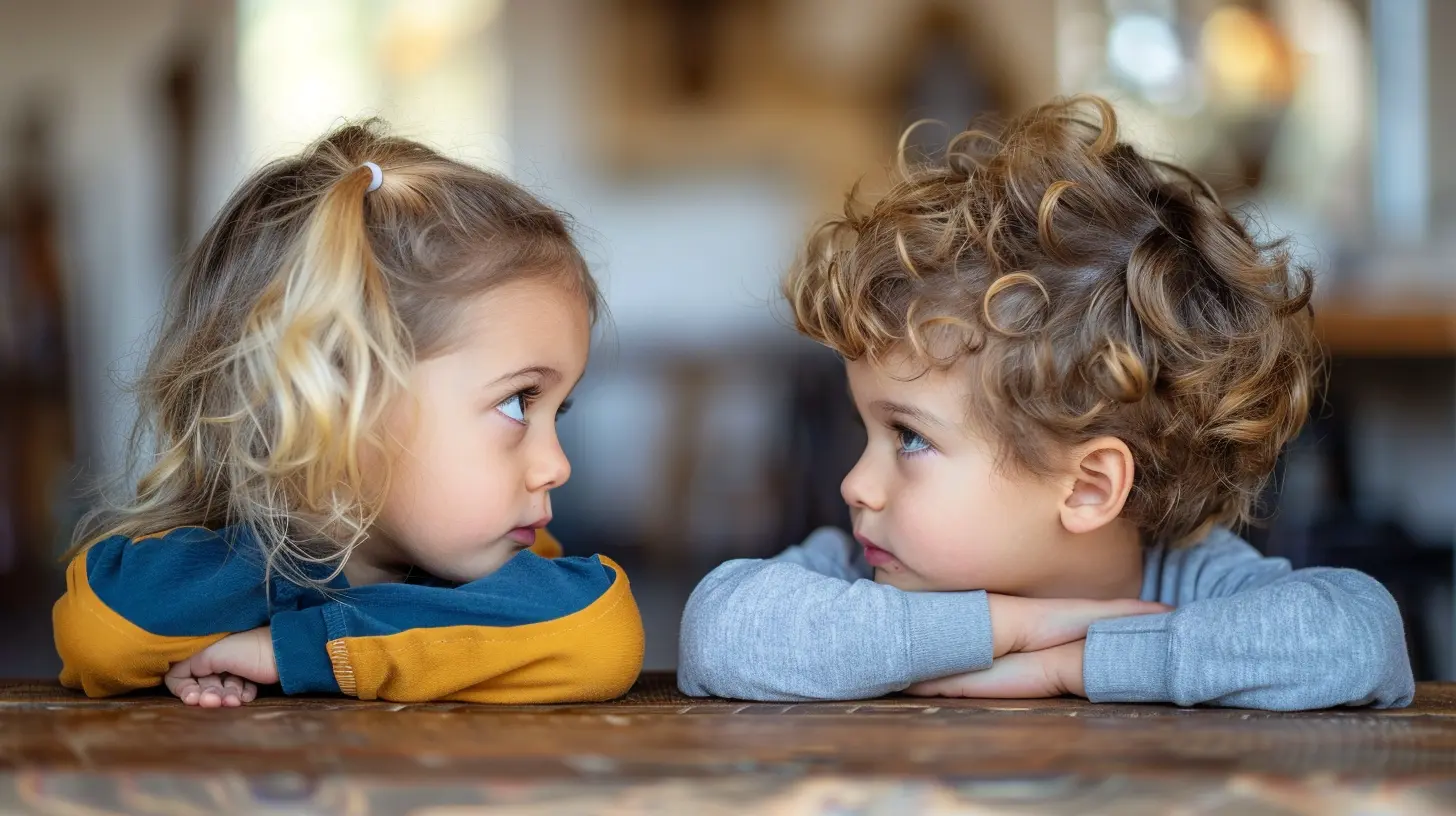
Why Emotional Awareness Matters
Picture this: your child gets bumped at the playground and bursts into tears. If they can’t tell whether they’re hurt, scared, or just surprised, how can they respond calmly—or understand how others might feel in the same situation?Emotional awareness is the skill that allows kids to identify what they’re feeling and why. Once they can name and claim their emotions, they’re better equipped to recognize those same emotions in others. That’s the heart of empathy.
When kids understand their own emotions:
- They feel more in control (less likely to lash out or shut down).
- They're better friends (they can notice when someone else is sad or angry).
- They communicate more clearly and honestly.
- Conflicts become easier to manage (less drama, more understanding).
What Is Empathy, Anyway?
Empathy isn’t just being nice. It’s the ability to step into someone else’s shoes and feel what they’re feeling—even if you’re not going through the same thing.There are two types of empathy:
1. Cognitive Empathy – Understanding someone else's thoughts and feelings.
2. Emotional Empathy – Actually feeling what another person is feeling.
Both are important. Cognitive empathy helps kids respond thoughtfully; emotional empathy helps them respond with compassion.
When kids grow up with both, they tend to build stronger relationships, navigate social situations better, and become incredible listeners. Sounds like a win, right?
Start With Yourself: Model Emotional Awareness
Kids are sponges. They don’t just hear what we say—they feel what we feel. If you're constantly bottling up emotions or brushing off your own feelings, guess what? Your child will likely do the same.Want to raise emotionally aware kids? Be emotionally aware yourself.
Here’s how to model it:
- Talk about your feelings openly. “I’m feeling a little frustrated because I had a tough day at work.”
- Name emotions in the moment. “That movie made me feel sad. Did it make you feel the same?”
- Apologize when emotions get the best of you. “I’m sorry I yelled earlier. I was angry, and I didn’t handle it the right way.”
This doesn't mean you have to be perfect. Just be real. That’s what sticks with kids the most.
Teach the Language of Emotions Early On
If your child doesn’t have the words to express their feelings, they’ll act them out instead. That’s where tantrums, hitting, or shutting down come in.Just like teaching them colors or numbers, you can teach emotional vocabulary.
Here’s how:
- Start with primary emotions. Happy, sad, mad, scared, and excited.- Use real-life situations. “I see you’re mad because your toy broke. Is that right?”
- Label others’ emotions too. “Look at your friend. He’s crying. Do you think he feels sad?”
Books are great for this too! Look for children’s books that focus on emotions and discuss them together. Ask questions like, “How do you think she felt when that happened?”
The more words they have for their feelings, the better they’ll be at expressing and managing them.
Validate Their Emotions (Even When They Seem Silly)
Let’s be honest: sometimes our kids’ emotional reactions seem...over the top. A meltdown over the wrong cup? Eye-roll-worthy for sure. But here’s the deal—what’s small to us can feel massive to them.When you validate their emotions, you're not encouraging the drama; you're letting them know their feelings are real and okay.
Say things like:
- “I can see why you’re disappointed.”
- “It’s okay to feel sad when things don’t go your way.”
- “I understand why that made you mad.”
Validation doesn’t mean agreeing. It means acknowledging. When kids feel heard and understood, they’re more likely to trust you—and less likely to bottle things up or lash out later.
Practice Emotional Reflection Together
One simple (and powerful) way to build emotional awareness? Talk about the day’s emotional highlights at bedtime.Ask:
- "What made you happy today?"
- "Was there anything that frustrated you?"
- "Did you notice how anyone else was feeling?"
This encourages them to reflect, express, and connect the dots between emotions and experiences. Plus, it's a great bonding moment.
Help Kids See the Emotions of Others
Want to build empathy? Teach your child that other people have feelings too—and that those feelings matter.Here are a few ways to do that:
- Use media. Pause during a show or book and ask, “How do you think he feels right now? Why?”
- Point it out in real life. “Remember when Grandma looked a little sad? Maybe she missed Grandpa.”
- Encourage kind responses. “Your friend looked upset. What could you do to help him feel better?”
The more kids practice noticing others’ emotions, the more natural empathy becomes.
Use Role-Playing and Games
Role-playing can be a game-changer (pun intended!). It allows kids to safely explore different emotions and scenarios.Try these:
- Feelings charades: Act out emotions and have them guess.
- Switch roles: You be the child, they be the parent. React with different feelings and talk about them.
- Scenario questions: “What would you do if your friend dropped her ice cream? How would she feel?”
These playful approaches make learning about emotions feel safe and fun, not preachy or awkward.
Encourage Problem-Solving with Empathy
Building empathy isn’t just about “feeling” for others; it's about learning how to respond to those feelings constructively.When conflicts arise:
- Ask your child how they think the other person felt.
- Talk about what they could have done differently.
- Brainstorm kind ways to handle things next time.
For example: “I know your brother took your toy and that made you mad. But do you think hitting made him feel better or worse? What’s another way you could’ve handled that?”
This helps your child connect the dots between feelings and actions—key to emotional intelligence.
Foster a Safe Environment to Express Emotions
Let’s face it, if kids feel judged or punished every time they express strong feelings, they’ll stop sharing. That’s the opposite of what we want.Make home a “safe space” for feelings—yes, even the messy ones.
That means:
- Not shaming them for feeling angry, scared, or overwhelmed.
- Allowing time to calm down before discussing behavior.
- Reassuring them that all feelings are temporary—and manageable.
When your child knows they can safely feel and deal with tough emotions, they'll be more willing to recognize and care about others' emotions, too.
Be Patient—Empathy Takes Time
Here’s the truth: empathy isn’t built in a day. Kids don’t wake up one morning with a fully-formed emotional playbook. It’s a journey.Some kids are naturally more empathetic than others. Some take longer to pick up on social cues. That’s okay.
Keep doing the work. Keep having the conversations, modeling the behavior, and offering support. You’re laying a foundation that will benefit them their entire lives.
Final Thoughts
Encouraging emotional awareness in your child to build empathy doesn’t require fancy tools or degrees in psychology. It just takes presence, patience, and a dash of creativity.Every moment your child learns to recognize their own emotions, name them, and respond to others with kindness, you're shaping them into an emotionally intelligent human. And in a world that desperately needs more understanding and compassion, that's one incredible gift.
So next time your child freaks out over dropped cereal or a friend’s mean comment, take a deep breath. That’s your chance to help them grow in awareness, empathy, and resilience—one feeling at a time.
all images in this post were generated using AI tools
Category:
Teaching EmpathyAuthor:

Tara Henson
Discussion
rate this article
2 comments
Clementine McIlroy
Helping our kids understand their feelings nurtures empathy and strengthens their connections with others.
July 4, 2026 at 4:42 AM
Tara Henson
Absolutely, fostering emotional awareness in kids is key to developing empathy. It lays the groundwork for meaningful relationships.
Roman Kirkpatrick
This is a wonderful reminder of the importance of nurturing empathy in our children.
May 13, 2026 at 3:38 PM
Tara Henson
Thank you! Nurturing empathy is essential for their growth. I'm glad you found it meaningful.