Encouraging Friendships That Promote Compassion and Empathy
11 March 2026
Let’s face it—raising kids today is no walk in the park. Between managing screen time, homework battles, and the occasional temper tantrum, fostering meaningful friendships might seem like just one more thing on an endless to-do list. But hang on a second—friendships aren’t just fluffy extras in your child’s social life. They’re the heartbeat of developing real emotional intelligence, especially when it comes to compassion and empathy.
These aren’t just buzzwords. Compassion and empathy are the cornerstones of being a kind, thoughtful, emotionally healthy human. So, how can we nurture friendships that actually help our kids grow up to be those kinds of people? Let’s dive into that.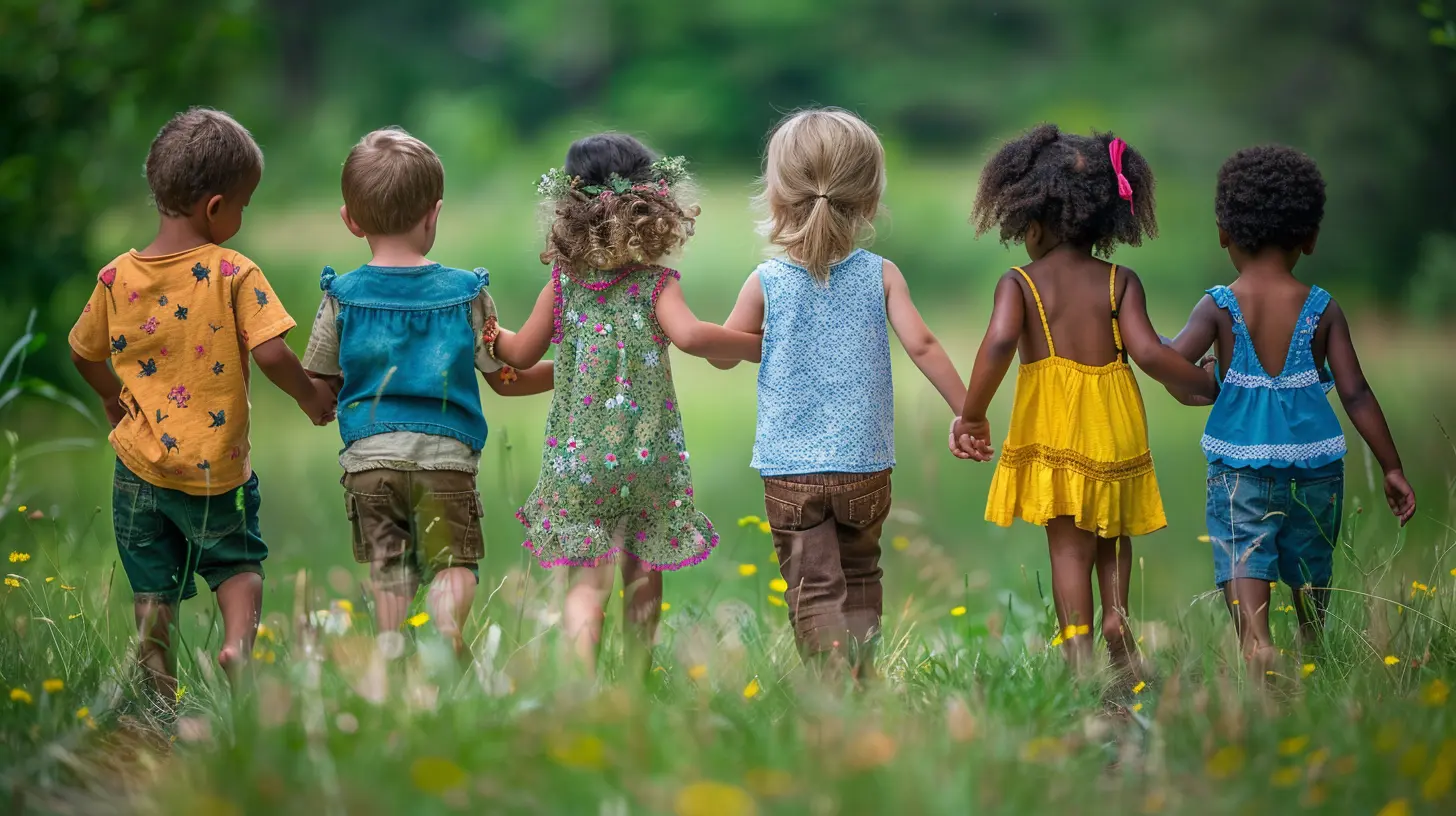
Why Friendships Matter (More Than We Realize)
Friendships are more than shared snacks at lunch or giggling during recess. For kids especially, friendships are learning labs. They help children experience different viewpoints, develop emotional sensitivity, and figure out how to treat others with kindness.Ever noticed how your child mirrors their friend’s behavior? That’s social learning in action. If your child’s circle includes kind, empathetic kids, it’s like planting emotional sunflower seeds that will bloom over time.
So yes, who they hang out with really does matter—and guiding those social connections can genuinely help build a stronger moral compass.
The Building Blocks of Compassionate Friendship
Before friendships can promote compassion and empathy, we need to understand what those traits even look like in action.- Compassion is the drive to help others in distress.
- Empathy is the ability to step into someone else’s shoes and feel what they feel.
These traits don’t magically appear. They’re taught, modeled, and nurtured—just like learning to tie shoelaces or ride a bike.
Let’s break it down into what you can actually do to help your child head in the right direction.
1. Model Compassion at Home
Kids are little emotional sponges. They absorb everything—even the stuff you don’t say out loud.If you want your child to seek out and maintain friendships full of empathy and compassion, take a good look in the mirror first. How do you treat your spouse? The waiter at the restaurant? Your child when they mess up?
When you show understanding and kindness, you set the tone. Your everyday actions teach them more than a dozen lectures ever could.
Quick Tip: When someone in your family is upset, name the emotion and validate it. Say things like, “You’re feeling really frustrated, huh? That’s okay. Everyone feels that way sometimes.”
2. Teach Emotional Vocabulary Early On
Words give power to feelings. When kids can name what they or others feel, they’re much more likely to respond with empathy.Start simple:
- “You look sad, did something happen?”
- “That probably made you feel left out.”
- “Wow! You seem really excited!”
These tiny conversations help your kid develop emotional literacy. And once they’ve got that down? They’re far more equipped to be emotionally supportive friends—and to seek out kids who are the same.
3. Encourage Friendships With Diverse People
Here’s where things get game-changing.Helping your child build friendships with kids from different backgrounds opens their eyes and hearts. It forces them to think beyond their bubbles and exposes them to different challenges, perspectives, and ways of life.
Let’s say your child’s friend uses a wheelchair or comes from a different culture. That friendship becomes a gateway to empathy. It’s no longer abstract—it’s personal.
Pro Tip: Look for community programs, sports clubs, or after-school activities that attract a diverse crowd. The more variety your child is exposed to, the better.
4. Talk About Friendship "Red Flags" and "Green Flags"
Kids don’t always recognize what a healthy friendship looks like. Some relationships feel fun but are actually emotionally draining or even hurtful.So, let’s give them the vocabulary to spot the difference.
Green Flags in Friendships:
- They listen to you
- They cheer for your successes
- They apologize when they hurt you
- They’re there when you’re feeling down
Red Flags:
- They make fun of others
- They get jealous easily
- They try to control or manipulate
- They only want to hang out when it benefits them
Make it a regular part of conversation. Over dinner, ask, “What’s something kind a friend did for you today?” or “Did anyone say something that made you uncomfortable?”
These talks let you peek inside their social world—and gently steer them in the right direction.
5. Role-play Real-Life Scenarios
Kids often learn best through experience. But we don’t want them learning important lessons the hard way, right?Role-playing can be a superhero parenting tool. Set up scenarios and let your child practice how to navigate tricky situations with empathy.
Here are a few to try:
- A friend’s pet just died—what do you say?
- Someone in class didn’t get invited to a birthday party—how can you include them?
- Your best friend seems really quiet today—how do you check in?
The more your child practices compassion in a controlled setting, the better prepared they’ll be when it counts.
6. Reward Effort, Not Just Outcome
We all want our kids to be kind. But simply telling them to “Be nice!” isn’t enough.Recognize the small stuff. When your child shares a toy, comforts a sad friend, or speaks up for someone being teased—praise the behavior.
Say This, Not That:
- ✅ “I noticed you helped Ava when she fell. That was really thoughtful.”
- ❌ “Good job being nice.” (Too vague and doesn’t reinforce the action.)
Reinforcing the behavior makes it more likely to stick. It becomes part of their identity: “I’m the kind of person who helps others.”
7. Encourage Group Activities That Focus on Teamwork
Not all friendships need to be forged in the classroom or on the playground. Team-oriented spaces like sports, scouting, group art projects, and theater help kids collaborate and understand different roles.In these settings, kids learn:
- Patience
- Listening skills
- How to support each other
- Conflict resolution
The group dynamic makes empathy natural—kids have to care about their teammates to succeed.
8. Handle Conflict as an Opportunity, Not a Crisis
Friendship isn’t always rainbows and butterflies. There’ll be drama, squabbles, and hurt feelings—it’s part of growing up.Instead of rushing in to fix everything, guide your child toward healthy conflict resolution:
- “How did that make you feel?”
- “What do you think your friend was feeling?”
- “Is there something you can do to make it better?”
Helping kids think through these moments empowers them. They become not just peacemakers but also more emotionally aware human beings.
9. Read Books and Watch Shows With Compassionate Messages
Never underestimate the power of a good story. Fiction allows kids to walk in someone else’s shoes—literally.Choose books and shows that focus on inclusion, kindness, and emotional growth. After you read or watch together, ask open-ended questions:
- “Why do you think they acted that way?”
- “What would you have done in that situation?”
- “How do you think the other character felt?”
It brings deeper meaning to the entertainment and doubles as empathy training.
10. Be Patient—Empathy Takes Time
Here’s the thing: building compassion isn’t a one-and-done deal. It takes repetition, modeling, and lots (and lots) of real-world practice.Your child is still figuring everything out. One day they might stand up for a classmate, and the next they might ignore someone in need. That’s okay—it’s all part of the messy, beautiful journey of emotional growth.
Keep showing up. Keep having conversations. Your efforts matter more than you know.
Final Thoughts: You're Planting Seeds for the Future
At the end of the day, encouraging friendships that promote compassion and empathy is really just about helping your child become the best version of themselves. You’re raising a tiny human who will someday hold the door for a stranger, comfort a friend after a breakup, or stand up against injustice in the world.And guess what? It starts now—with playdates, bedtime chats, and those little “teachable moments” scattered throughout the day.
So take a breath. You’ve got this. And so does your kid.
all images in this post were generated using AI tools
Category:
Teaching EmpathyAuthor:

Tara Henson
Discussion
rate this article
2 comments
Clementine Fry
This article beautifully highlights the importance of nurturing friendships that foster compassion and empathy in our children. Excited to implement these tips in our parenting journey!
March 23, 2026 at 3:18 AM
Tara Henson
Thank you! I'm glad you found the tips helpful. Wishing you all the best on your parenting journey!
Juliet Parker
Strong friendships nurture empathy in our kids!
March 11, 2026 at 4:31 AM
Tara Henson
Absolutely! Strong friendships lay the foundation for empathy, teaching kids to understand and support others.