Encouraging Healthy Relationships in Your Child's Life Through Interaction
23 July 2026
As parents, one of the most powerful gifts we can give our kids is the ability to build and maintain healthy relationships. Think about it—relationships shape the very core of our lives. From playground friends to lifelong partners, every interaction teaches our children a little more about trust, empathy, respect, and communication. But how can we, as their guides and role models, ensure that they’re set up for success in this area? The answer lies in good, old-fashioned interaction.
This isn’t just about teaching them to say “please” and “thank you.” We're talking about helping them tune into the emotional radar of others, set healthy boundaries, and develop lasting, positive connections. Let's break this down and chat about how you can gently and effectively encourage healthy relationships in your child's life through meaningful interaction.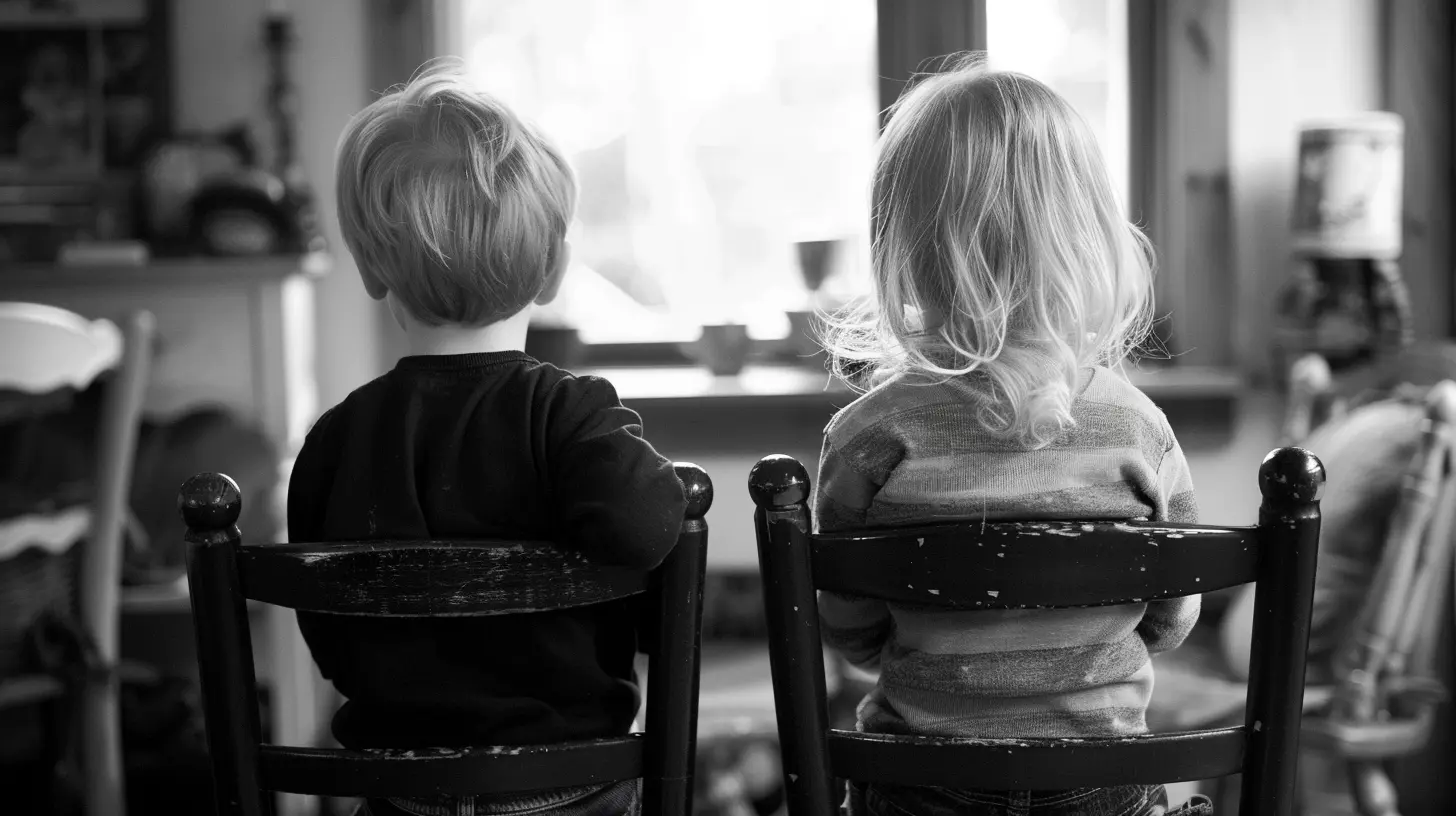
Why Do Healthy Relationships Matter for Kids?
Ever notice how your child lights up when they connect with a friend or family member? That spark is more than just happiness—it's growth in action. Healthy relationships:- Build confidence
- Teach empathy and emotional intelligence
- Develop communication and conflict-resolution skills
- Encourage trust and respect
- Support mental and emotional well-being
In other words, they're kind of a big deal.
The foundation for these relationships starts early. And yes, you play the starring role.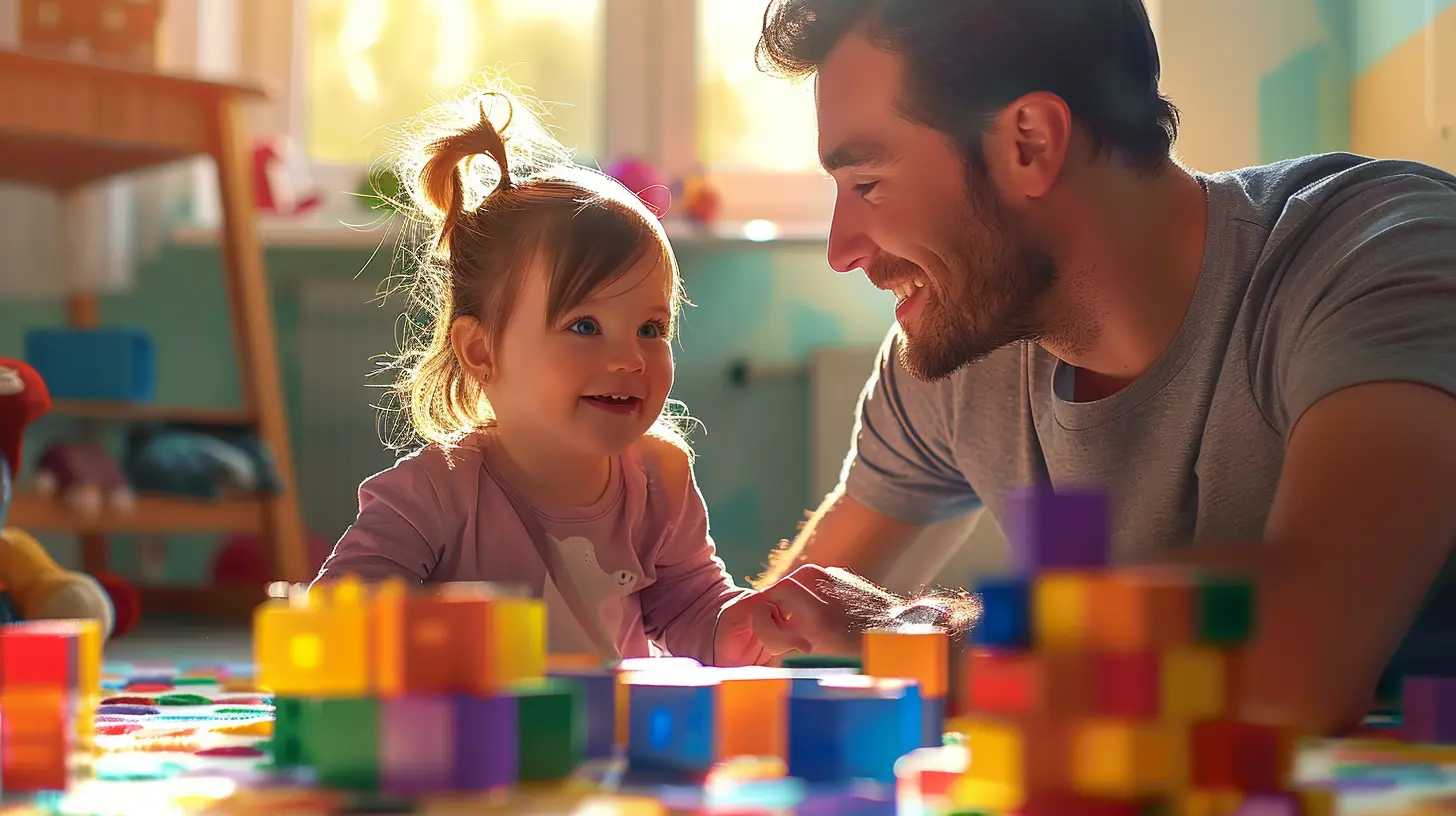
Be Your Child’s Relationship Role Model
Kids are little sponges. They absorb your tone of voice, how you handle conflicts, the way you treat others, and even how you treat yourself. So, your interactions with your partner, friends, neighbors, and even strangers in the checkout line send powerful messages.If you yell during arguments or give the cold shoulder when you're upset, they’ll start to think that’s normal. On the flip side, if they see you apologize sincerely or express your feelings calmly—they’ll get the idea that healthy communication matters.
So what can you do?
- Show kindness and patience with people (even when it's hard!)- Say sorry when you're wrong
- Talk through problems rather than ignore or escalate them
- Include your child in family discussions (age-appropriately) so they feel respected
You're their first “relationship coach,” whether you knew it or not.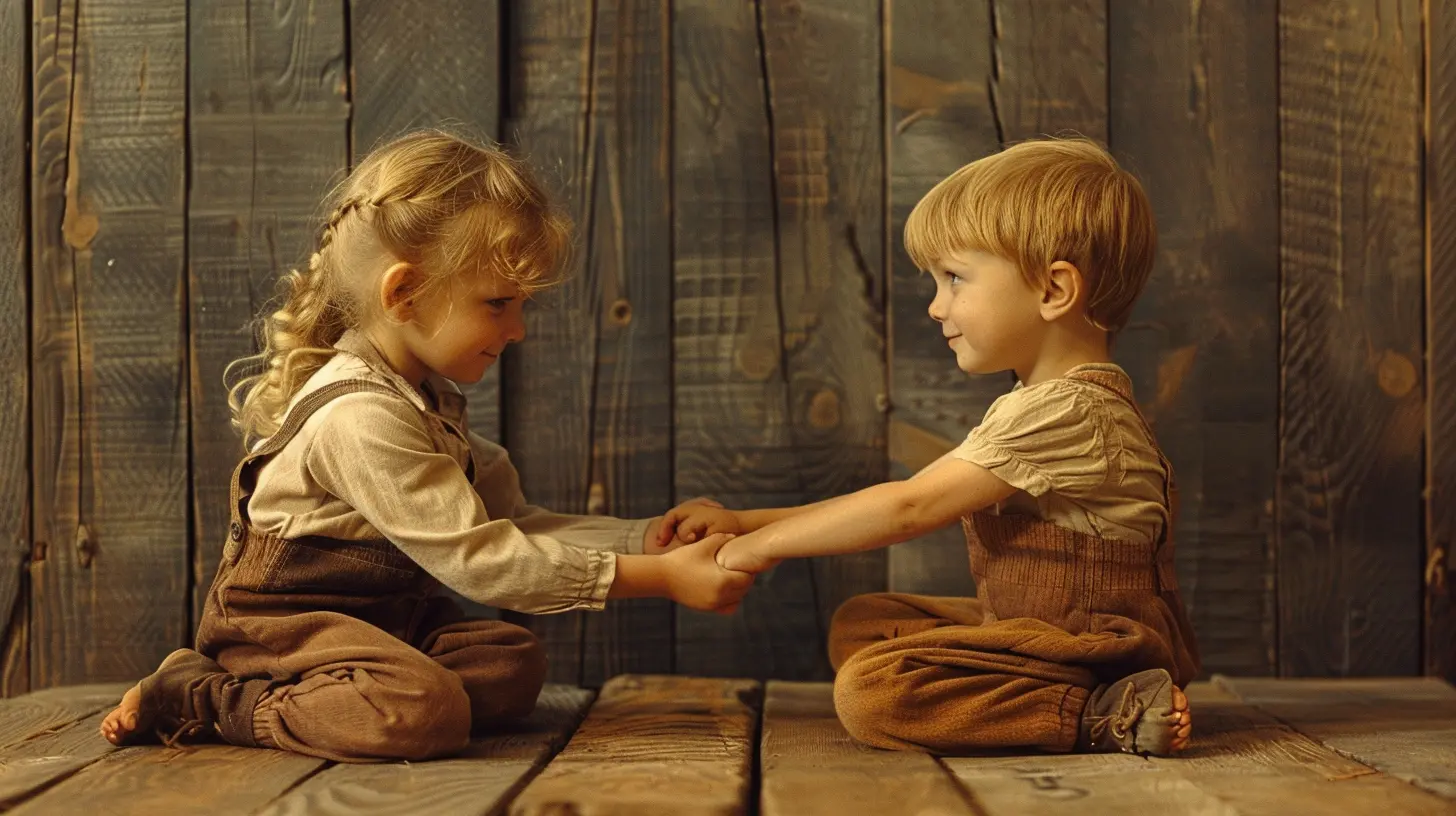
Start with Emotional Literacy
Before kids can care about other people’s feelings, they need to understand their own. That’s where emotional literacy comes in. Simply put, it’s being able to recognize, label, and express emotions—something even adults struggle with!Help your child:
- Identify what they're feeling (“You look frustrated—do you want to talk about it?”)- Understand that all emotions are okay, even the tough ones
- Use words to describe feelings instead of acting out
Over time, this helps kids develop empathy, which is the backbone of any good relationship.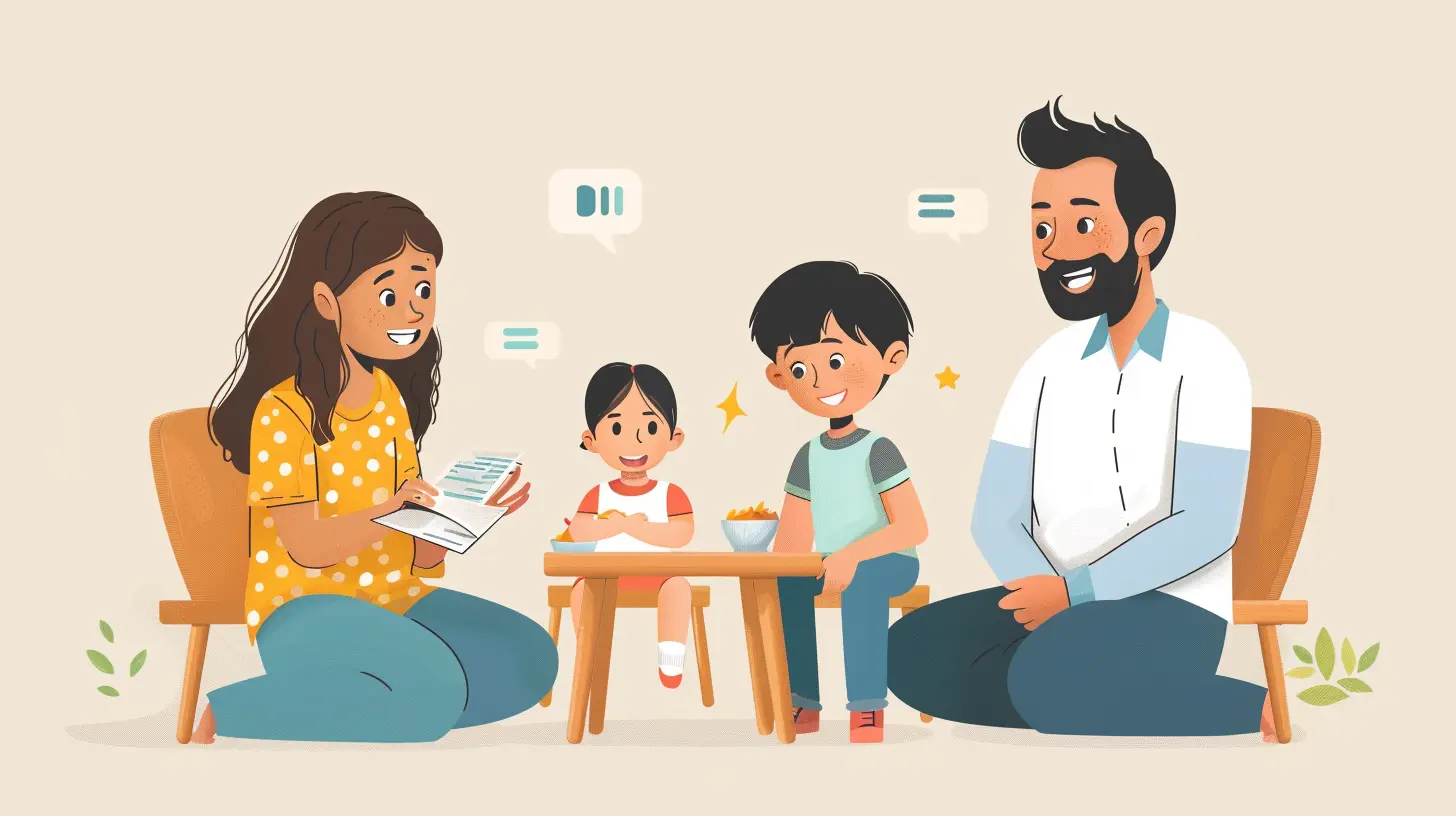
Teach the Power of Listening
We all want to be heard—it makes us feel seen and valued. Kids are no different. If we want them to build solid relationships, we’ve got to teach them the magic of active listening.Try this:
- Practice turn-taking in conversations (yes, that includes not interrupting!)- Encourage eye contact and body language that shows they’re engaged
- Reflect back what someone says: “So, you felt upset when that happened?”
Make it a game or part of a story-time routine. It doesn’t have to be stiff or formal—just consistent and fun.
Encourage Diverse Social Interactions
The more people your child interacts with, the better they get at navigating different personalities, communication styles, and cultural backgrounds. These experiences shape their social toolbox.Ideas to get started:
- Playdates with kids from different backgrounds- Join clubs, sports teams, or hobby groups
- Volunteer together as a family
- Encourage them to talk to neighbors, classmates, and relatives
These experiences teach kids flexibility, patience, and appreciation for others' perspectives. A win all around!
Let Them Experience and Navigate Conflict
Okay, I know this one sounds a little scary—but hear me out. Conflict is unavoidable. Rather than shielding our kids from it, let’s teach them how to deal with it.When kids learn to resolve disagreements in a respectful way, they carry that skill for life.
Support your child by:
- Helping them put feelings into words instead of yelling or withdrawing- Encouraging apologies and forgiveness (not forced ones!)
- Talking through what happened and what could be done differently next time
- Reinforcing the idea that it's okay not to agree all the time
You’re not stepping in to solve the problem—you’re guiding them as they figure it out on their own.
Create a Safe and Open Home Environment
Your home is your child’s first social training ground. It’s the place where they test ideas, push boundaries, and learn how to communicate with others. So, the safer and more supportive this space is, the better.Here’s what helps:
- Keeping open lines of communication (no judgment zones, please!)
- Encouraging honesty by responding calmly, even when what they say is hard to hear
- Praising effort over outcome, especially in social situations
- Validating their feelings instead of dismissing them
When kids feel safe at home, they’re more confident in the world.
Promote Teamwork Through Play and Chores
Play isn’t just fun—it’s a golden opportunity to teach relationship skills like cooperation, compromise, and turn-taking. And yes, even those pesky chores can help too.Playtime Tips:
- Choose games that involve teams or shared goals- Encourage role-playing scenarios they might encounter at school or in friendships
- Incorporate toys or board games that challenge their cooperation skills
Chore Time:
- Let them work with siblings or you on tasks (folding laundry, cooking, tidying)- Use it as a time to talk about fairness, taking responsibility, and helping each other
Think of these as mini life lessons disguised as fun or daily routines.
Set Boundaries and Model Respect
Healthy relationships thrive on clear boundaries and mutual respect. Children need to understand that it’s okay to say “no” and respect when others do the same.Guide them gently:
- Teach the concept of personal space and consent (“It’s okay if Sam doesn’t want a hug.”)- Explain that respecting boundaries is a two-way street
- Emphasize kind words and tone when expressing feelings
You’re planting seeds of respect that’ll grow into strong, healthy habits.
Talk About What Makes a Relationship Healthy (And Unhealthy)
Kids are surrounded by messages about relationships from TV, books, and even what they overhear on the playground. So don’t wait until there’s a problem to talk about it.Try these conversations:
- What does a good friend do?- What makes someone feel safe or unsafe around another person?
- How do we know someone respects us?
Keep it casual but consistent. You might be surprised how much they’re ready to share when you open the door.
Encourage Mentorship and Connection with Trusted Adults
Kids benefit from having other caring adults in their lives—relatives, coaches, teachers, or family friends—who offer support and guidance. These connections give them extra layers of emotional security and social modeling.Help them nurture those bonds:
- Set up regular visits or calls with grandparents or godparents
- Support involvement in community programs or faith-based groups
- Encourage teachers or coaches to provide feedback and encouragement
It truly takes a village.
Celebrate Their Relationship Wins
Did your child comfort a friend at school? Stand up for themselves? Apologize without prompting?Celebrate it!
Helping your child notice the joy and value in their relationships builds motivation and confidence. Praise their empathy. Highlight their thoughtfulness. And let them know you're proud of their efforts to be a good friend, sibling, or teammate.
Positive reinforcement is like fertilizer for growing these crucial life skills.
Final Thoughts
Healthy relationships don’t just “happen.” They’re built, little by little, brick by brick. And your child doesn’t need to be perfect—they just need support, guidance, and plenty of opportunities to practice.Remember, every bedtime chat, every playground squabble, every heartfelt apology is a chance to help your child better understand how to connect with others in a healthy way.
You’ve already got the tools. It starts with interaction, intention, and a whole lot of heart.
So, go ahead—get talking, get listening, and most of all, keep showing up. Your child’s future circle of friends and relationships will thank you.
all images in this post were generated using AI tools
Category:
Parental InvolvementAuthor:

Tara Henson