Engaging Kids in Environmental Conservation After School
21 March 2026
When the final school bell rings, most kids dash out with one thing on their minds—freedom! But what if we could channel that after-school energy into something meaningful? Something that not only keeps them active and curious but also shapes them into thoughtful, eco-aware individuals?
Let’s talk about engaging kids in environmental conservation after school. Sounds like a lofty goal, right? But trust me, it doesn’t have to be complicated or boring. With a little creativity and some hands-on fun, you can turn your backyard, kitchen, or local park into a mini classroom for eco heroes in training.
So grab a notebook (or maybe just your imagination), and let’s dig into some fresh, engaging, and doable ways to get your kids on the green path after school.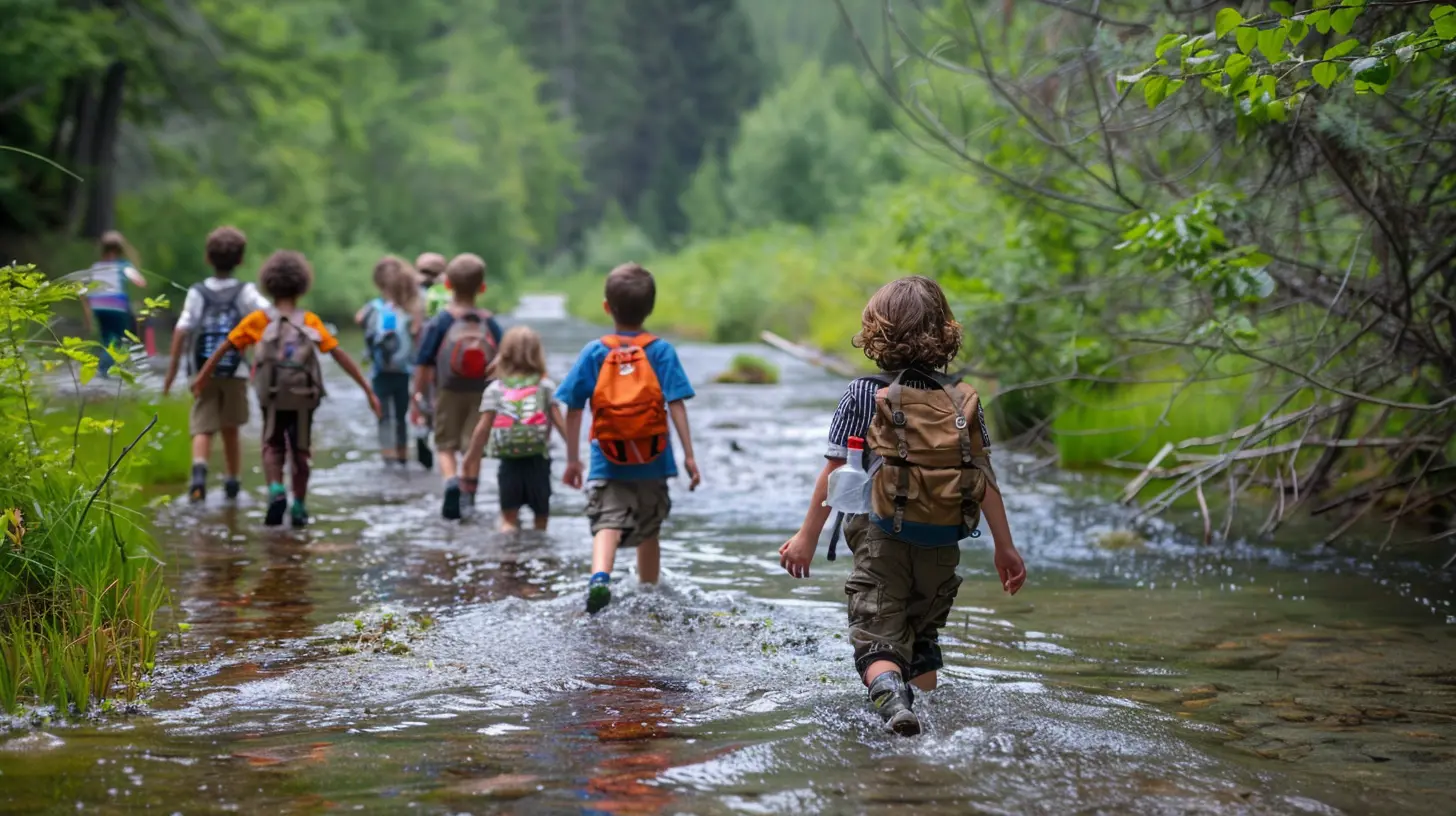
Why Start Young?
Kids are like sponges. They absorb everything around them—good, bad, and yes, even green! Teaching them about the environment while they're still young makes it easier for these lessons to sink in and stick.Plus, let’s be honest, they're going to inherit the planet. Shouldn't they have a say—or better yet, a role—in protecting it?
Benefits of Environmental Activities for Kids
Engaging your child in eco-friendly projects is more than just an educational experience. It has some bonus perks too:- Boosts Critical Thinking: They learn to solve real life challenges.
- Promotes Responsibility: Taking care of plants or recycling teaches accountability.
- Encourages Physical Activity: Many eco-tasks get them moving.
- Builds Stronger Bonds: It’s a great way for families to spend meaningful time together.
- Sparks Creativity: Who knew an old milk jug could become a flower pot?
Simple Ways to Introduce Green Living at Home
Before diving into structured after-school programs, start with small, everyday changes at home that highlight conservation.1. Reduce, Reuse, Recycle—Make It a Game
Let’s face it, teaching recycling can feel like nagging. But what if it was a game?- Set up color-coded bins.
- Challenge your kids to sort items correctly.
- Award points for each correct sort.
- At the end of the month, trade points for a special eco-friendly treat.
It’s a fun way to turn trash into treasure—and teach responsibility while you’re at it.
2. Create a Mini Garden
You don’t need a huge yard to grow plants. A few pots near the window or a vertical garden on the balcony does the trick.- Start with easy-to-grow herbs like basil or mint.
- Let your child pick out the seeds or name their plant.
- Track its growth with a journal or sketchbook.
Watching something grow because of their care is a powerful experience for a child. Plus, it’s a lesson in patience, responsibility, and the magic of nature.
3. The Power of Composting
Okay, composting might not sound glamorous, but it’s like a science experiment happening right in your backyard. And kids love anything messy, smelly, and transformational.- Teach them which items go into compost (veggie scraps, eggshells, coffee grounds).
- Let them stir the compost pile every few days.
- Show them how the compost helps plants grow.
Turn waste into wonder—how cool is that?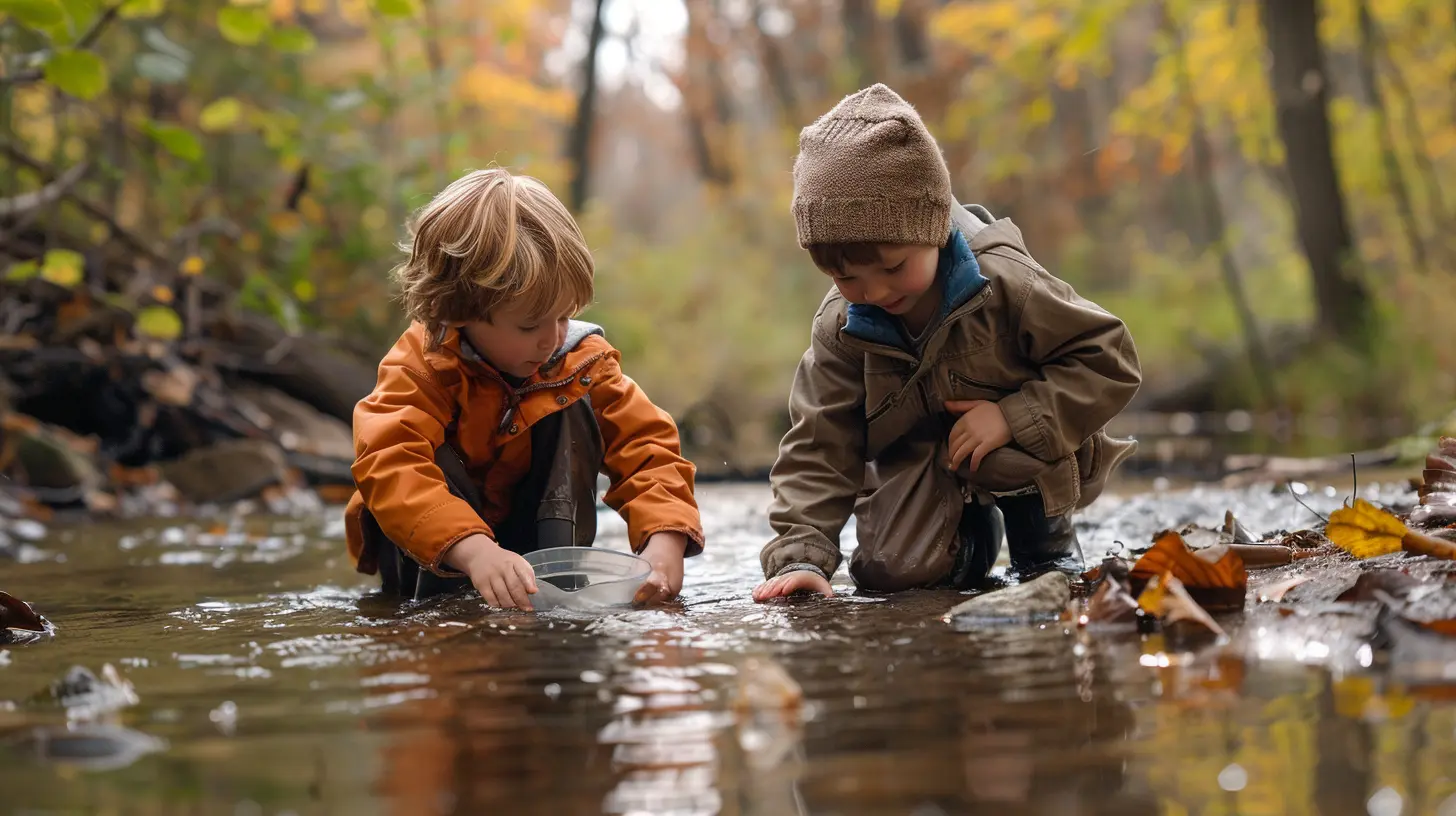
After-School Activities That Teach Environmental Conservation
Once your child is hooked on a bit of green goodness, it's time to step up the game with some structured after-school ideas.1. Neighborhood Clean-Ups
Grab some gloves, trash bags, and maybe a few friends, and you’ve got yourself an eco mission—aka a neighborhood cleanup.- Choose a local park or street to tidy up.
- Count how many bags you fill—it adds purpose to the fun.
- Talk about how keeping public spaces clean helps both people and wildlife.
Want to make it extra fun? Turn it into a scavenger hunt—“Find 5 soda cans, 3 plastic bottles, and 1 rogue sock!”
2. Nature Crafts
Turn your backyard finds into art projects.- Use fallen leaves, pinecones, and twigs to craft animals or mandalas.
- Create bird feeders from old toilet paper rolls and peanut butter.
- Paint rocks with inspirational messages and leave them around the neighborhood.
It’s a fun way to blend creativity with nature appreciation.
3. Eco Clubs and Groups
Many communities offer after-school eco clubs where kids can join like-minded peers. Check your local community centers, schools, or libraries.Can’t find one? Start your own! Even a once-a-week meeting in your backyard can lead to big changes.
Have kids plan each meet-up with a theme like water conservation, wildlife protection, or plastic-free living. Who knows, you might spark the next Greta Thunberg!
4. Home Eco Challenges
Kids love a little friendly competition. Try short eco challenges like:- A “No-Plastic Week”
- The “Shower Under 5 Minutes” challenge
- A “Zero Food-Waste Dinner”
Keep a chart on the fridge to track progress. Celebrate wins with simple rewards like extra screen time, a picnic at the park, or their favorite eco-friendly snack.
Tech Meets Nature: Eco Apps and Games
Let’s be real—taking tech away from kids is an uphill battle. So why not use it for good?- Eco-friendly apps like Earth Hero or JouleBug encourage green habits by gamifying them.
- Pair educational videos with real-life tasks. Watch a video about bees—then go outside and spot pollinators!
- Use nature-tracking apps during outdoor time to log sightings of plants, birds, or bugs.
Just like Minecraft teaches building, these apps can teach sustainability in fun, engaging ways.
Eco-Friendly Habits to Instill After School
Sometimes it’s the little daily actions that make the biggest ripples. Here are a few go-to conservation habits even little kids can handle:1. Turn Off the Lights
It's simple. It's quick. It's effective.Make it a rule: First out of the room turns off the light!
2. Water-Wise Kids
Challenge: Can they brush their teeth without leaving the tap running?Better yet—give them a timer and turn it into a race. Who can finish with just one cup of water?
3. Reuse Before You Toss
Before throwing anything out, ask your child: “Can we use this for something else?”That empty cereal box could become a robot. The glass jar? A pencil holder.
Let their imaginations lead the way.
Involve the Whole Family
Environmental conservation isn’t just for kids—it’s a family affair.- Plan weekend nature hikes and bring a trash bag for clean-up.
- Have eco-themed movie nights followed by discussion sessions (WALL-E, anyone?).
- Cook plant-based meals together and talk about how it helps the Earth.
Kids mirror what they see. When the whole family is involved, the message becomes stronger and more lasting.
Real-Life Eco Heroes: Kids Making a Difference
Want to supercharge your child's motivation? Share stories of real kids making a big impact.- Lila Rose, age 9, started a bee garden in her school.
- Sam and Theo, 11-year-old twins, organized a ban on plastic straws in their neighborhood.
- Zarah, age 13, launched a recycling program at her local church.
These aren’t just feel-good stories; they’re proof that age doesn’t matter when it comes to doing good.
Wrap-Up: Planting Seeds for a Greener Future
Here's the thing: kids don’t need to join a climate summit to start making a difference. All they need is a little guidance, a splash of creativity, and some after-school time focused on good, green fun.From backyard experiments to clean-up missions, every small eco-action adds up. And before you know it, your child won’t just understand environmental conservation—they’ll live it.
So, next time your child kicks off their shoes after school and sighs, “I’m bored,” you’ll have a whole list of Earth-loving activities ready to go.
Who says saving the planet can’t be part of the after-school routine?
all images in this post were generated using AI tools
Category:
After School ActivitiesAuthor:

Tara Henson
Discussion
rate this article
2 comments
Talis Bowman
This article offers valuable insights into fostering a love for environmental conservation in children. By incorporating fun and educational activities after school, parents can inspire their kids to be proactive stewards of the planet. It's a wonderful way to blend learning with meaningful action!
March 30, 2026 at 4:37 AM
Tara Henson
Thank you for your thoughtful comment! I'm glad you found the article helpful in inspiring parents to engage their children in environmental conservation.
Tenley McWhorter
nurture their curiosity, let nature inspire futures.
March 23, 2026 at 3:18 AM
Tara Henson
Absolutely! Encouraging curiosity in nature fosters a lifelong passion for environmental stewardship in children.