Exploring Cultural Diversity Through After-School Activities
1 August 2026
Let’s face it — parenting is one big balancing act. We're always juggling schedules, homework, meals, emotions, and, yep, after-school activities. But what if we told you that those hours after the final school bell could offer more than just a way to burn energy? What if they could be the key to helping your child grow up with a bigger heart and an open mind?
In today’s global world, nurturing cultural awareness isn’t just a nice-to-have — it’s essential. One of the most fun, impactful ways to help kids understand and celebrate differences is through culturally diverse after-school activities. These programs go beyond dribbling basketballs or painting sunflowers; they introduce new languages, music, food, dress, traditions, and ways of thinking.
In this post, we’ll dive into how after-school opportunities can serve as gateways to the world — all while your kid’s still in your neighborhood. Ready to turn those few hours into a world-class education? Let’s get into it.
Why Cultural Diversity Matters for Kids
Okay, so here’s the deal. Kids are naturally curious — they ask hundreds of questions a day (no exaggeration), and they’re always watching and learning. This is the prime time to expose them to the rich tapestry of cultures that make up our world.When children interact with peers from different backgrounds or are introduced to global traditions, they develop:
- Empathy: They begin to understand that others live, think, and feel differently — and that’s okay.
- Open minds: They learn to celebrate, not fear, differences.
- Global readiness: Let’s be real, the world is interconnected. Cultural fluency is a life skill.
It’s like planting seeds. The more diverse the seeds, the more colorful the garden of their minds becomes.
What Are Culturally Diverse After-School Activities?
You might be picturing a bunch of kids sitting in a classroom learning geography. Nope. Think bigger. Think livelier. Culturally diverse after-school activities are all about interaction, creativity, and having fun while learning about global traditions.Some amazing examples include:
- Language clubs (Spanish, French, Mandarin, etc.)
- World cooking workshops (Who wouldn’t want to taste sushi they just made themselves?)
- Cultural dance or music classes (Ballet is great — but so is Salsa or Bhangra!)
- International storytelling sessions
- Heritage-focused art classes
- Multicultural sports like Capoeira or Cricket
The beauty of these programs? They're hands-on, immersive, and kid-friendly. There’s no test — just experience.
How After-School Programs Expand Worldviews
Let's break it down. Kids spend most of their day in structured classrooms. But once the final bell rings, they can breathe. That’s when they’re most open to learning in creative, unstructured ways.After-school activities give them the freedom to experience culture instead of just hearing about it. Think about it — you can read about another country’s customs, but it’s totally different when you're dancing the traditional steps of that country, tasting its snacks, or singing in its language.
They get to:
- See themselves in others: Kids realize that, even across cultures, there’s common ground.
- Break stereotypes: Instead of relying on what they hear in media or from peers, they form genuine connections.
- Gain confidence: Mastering a new skill from a different culture boosts self-esteem.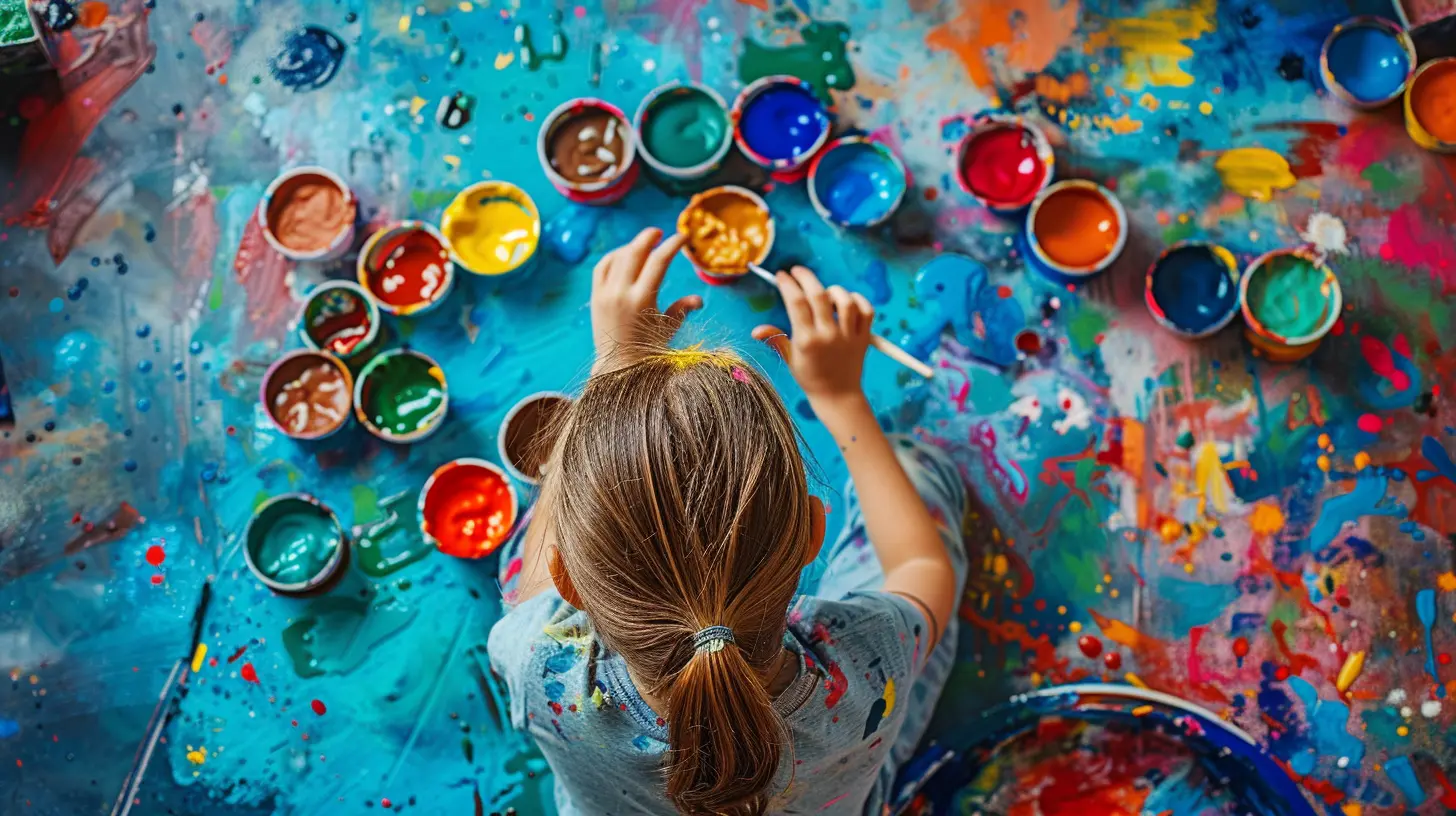
Real-Life Benefits for Kids and Parents
This isn't just feel-good fluff. There are real, measurable perks to these programs.1. Better Social Skills
Multicultural programs push kids out of their bubbles. They meet friends from different walks of life. They hear new perspectives. And slowly but surely, they learn to communicate better, listen more, and empathize easier — skills they’ll use their whole lives.2. Academic Performance Gets a Boost
Yep, believe it or not, culturally diverse programs can enhance learning itself. Studies show that exposure to diverse ideas can improve critical thinking, problem-solving, and creativity — all A+ skills in school.3. Cultural Pride and Inclusion
If your child comes from a minority background, these activities can be incredibly empowering. When they see their heritage celebrated in front of their peers, it validates their identity. For non-minority children, it builds respect and appreciation.4. Family Growth
When kids come home buzzing about the music they danced to or the “weird but yummy” dish they tasted, the whole family learns. You might all end up cooking Japanese mochi or watching an Indian film night together. It’s contagious (in a good way).Making It Happen: Tips for Parents
So, how do you actually find or create these magical multicultural moments?1. Look for Schools That Prioritize Diversity
Some schools already offer after-school clubs with a global twist. Check their activity flyers or talk to staff about what’s available.2. Tap Into Local Cultural Centers
Libraries, community halls, mosques, temples, and multicultural organizations often host kid-friendly programs. These low-cost or free events are goldmines for cultural exposure.3. Team Up With Other Parents
Why go it alone? Form a rotating "Culture Club" with other families. Each week, someone shares their culture through food, music, stories or crafts. It’s like a potluck, but for the soul.4. Start Small at Home
If programs aren’t available nearby, no worries. You can still bring the world to your living room. Watch kids’ shows from other countries, add international dishes to dinner, or celebrate global festivals like Lunar New Year, Diwali, or Eid.The Role of Schools and Communities
Parents shouldn't carry this alone. Schools and communities play a huge role in bridging cultures for children.Encourage your local school to:
- Bring in cultural performers
- Host multicultural fairs
- Integrate global stories in curriculum
- Support multilingual programs
The more exposure, the better. We all rise when we value each other’s roots.
Stories That Stick: Real-Life Examples
Let’s bring this home with a few heartwarming stories. These are the kind of moments that make it all worth it.Liam's World Dance Class: A shy 9-year-old, Liam joined an after-school international dance program. He was hesitant at first — who wouldn’t be? But within weeks, he was teaching his parents how to Samba and asking Alexa to play Afrobeat hits. Now he’s more confident and curious than ever.
Maya's Cultural Cookbook: Maya, 11, joined a culture-based cooking club. Every week, she made dishes from different continents. The result? She’s now writing her own “Around-the-World Cookbook for Kids.” Her friends love the taste-tests, and her parents love her new hobby.
These aren’t isolated cases. They’re proof that exposure leads to passion and purpose.
Challenges and How to Overcome Them
Let’s keep it real — not every after-school program is easy to access or affordable. Some communities may lack diversity, and some kids may resist trying “different” things.Here’s how to tackle these bumps:
- Start with your child’s interests: If they love music, begin with global instruments. If they’re into sports, introduce them to soccer’s global roots.
- Model openness: Kids mirror us. Show curiosity, and they’ll follow.
- Push past the comfort zone: Yes, they might balk at first. But exposure and consistency work wonders.
Remember, you’re not trying to replace your child’s culture — you’re adding beautiful layers to it.
The Bigger Picture: Building a Kinder World
At the heart of all this is one simple truth: kids who understand culture, respect people. And people who respect others build better societies.After-school activities aren’t just fillers. They’re bridges — connecting kids to the world outside their experience. They’re seeds of kindness, empathy, and unity.
If we want the next generation to lead with compassion, resilience, and understanding, the journey starts after 3 p.m.
Final Thoughts
Parenting is chaotic, unpredictable, exhausting — and also wildly rewarding. When we use those precious after-school hours to introduce our kids to cultures, we make an investment. Not just into their minds — but into their hearts.Culture isn’t just taught. It’s felt. It’s danced. It’s tasted and shared. And it starts with one activity, one story, one plate of food, one song at a time.
So go ahead, let your child dance to a new rhythm, speak a new word, or paint in colors you’ve never seen before. They won't just grow — they’ll bloom.
all images in this post were generated using AI tools
Category:
After School ActivitiesAuthor:

Tara Henson