Exploring Emotions Through Art in Illustrated Children’s Books
29 May 2026
Let’s face it—feelings are hard. Even as adults, we sometimes struggle to name or explain what we’re feeling. Now, imagine being four years old, new to the world, and someone asks, “What’s wrong?” and all you can manage is a confused shrug. Yup, it’s tough being a tiny human!
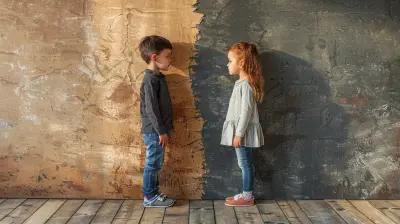
That’s exactly why illustrated children's books are absolute rockstars when it comes to helping kids navigate the messy, magical world of emotions. But we're not just talking about the words here—oh no, the art? The illustrations? They’re doing some serious heavy lifting. Color, expressions, textures, shapes—they all become brilliant tools for emotional education.
So pull up a comfy chair, mom or dad (or super-cool aunt, grandparent, or teacher), and let’s talk about how we can unlock the emotional world of kids through the vibrant, whimsical, and sometimes downright wild world of illustrated children’s books.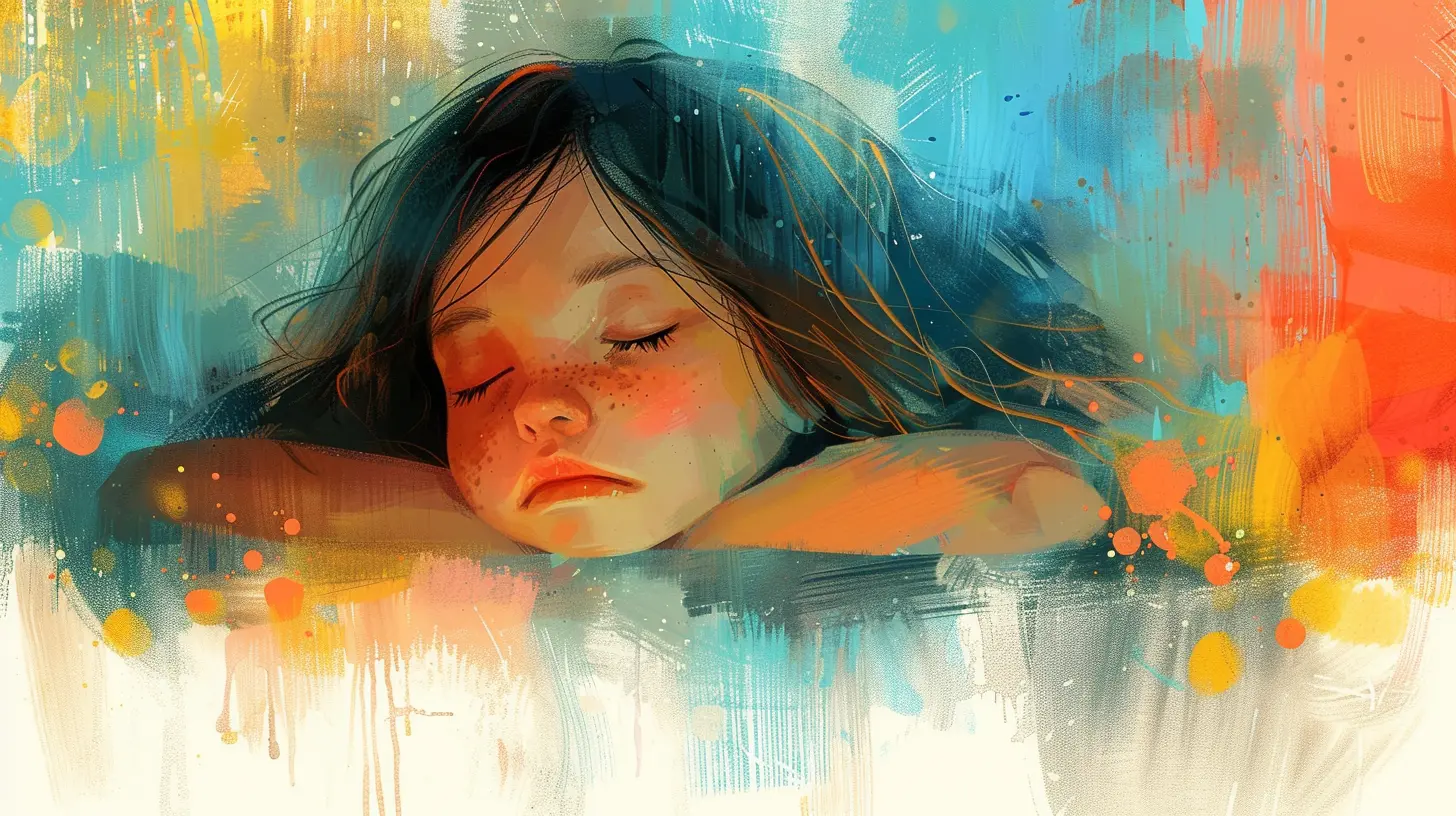
Why Emotions Matter More Than We Think
Before we dive into paint palettes and picture books, let’s set the stage. Emotions are more than just “happy,” “sad,” or “mad.” They’re complex. They’re layered. And for young kids, they’re often brand new.Understanding emotions from an early age helps children:
- Build empathy
- Communicate more clearly
- Cope with challenges
- Form stronger relationships
- Develop self-awareness
It’s kind of like giving them an emotional toolbox early on—hammer, screwdriver, and all—to build healthy social and mental habits that will serve them for life. And guess what? Art is an amazing shortcut into that emotional toolbox.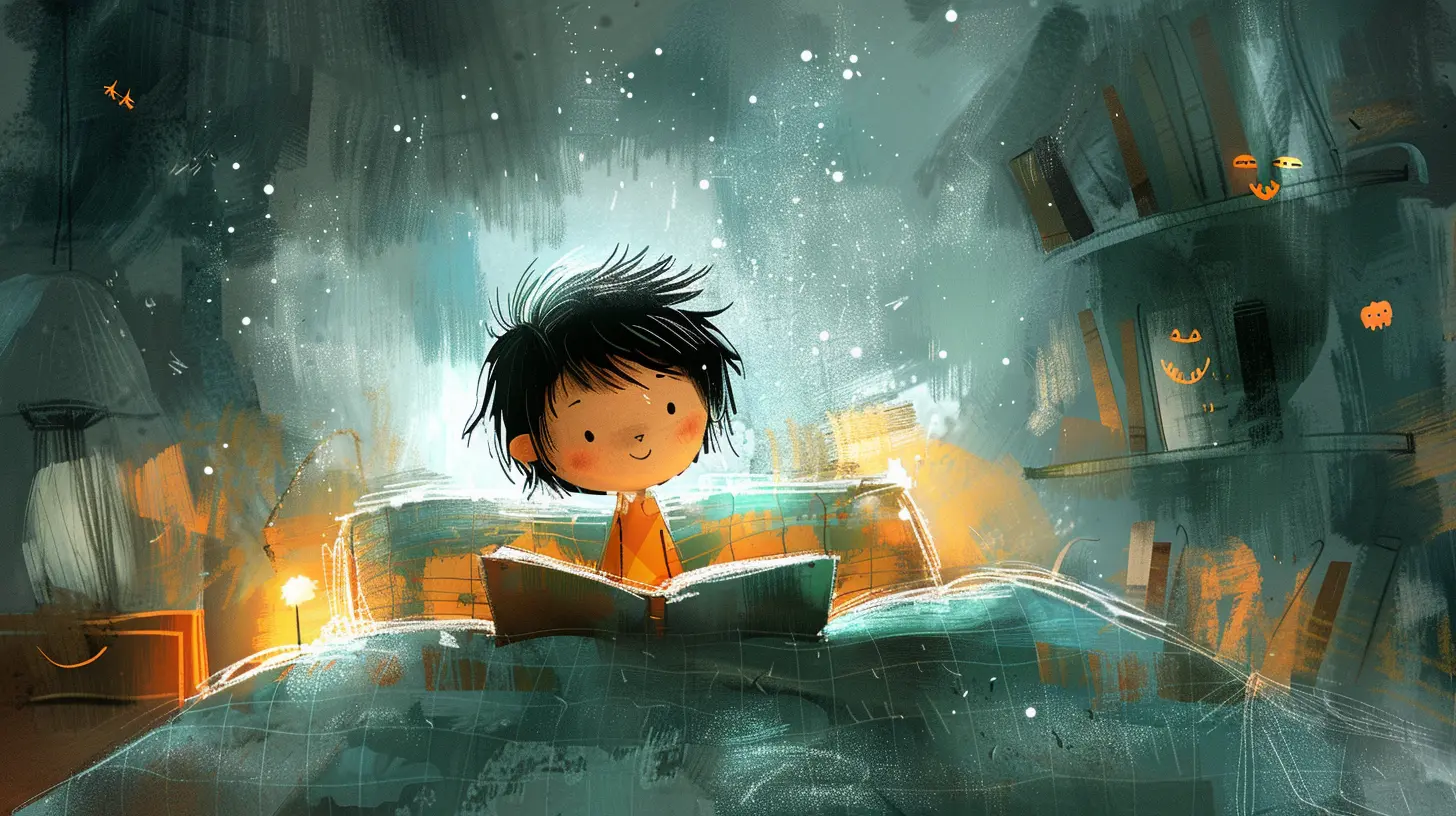
The Magic Connection: Art + Emotions
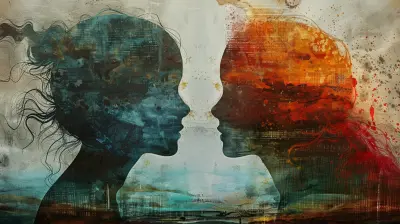
Think back to a time when a painting or picture made you feel something. Goosebumps? That warm fuzzy feeling? Maybe even a tear or two?Art is universal language. It doesn’t need translation. The right image can express sadness, joy, fear, or love without a single word. For kids—who are still developing their vocabulary—this is a game-changer.
In illustrated books, the art becomes a mirror and a guide. It reflects what kids are feeling, and gently nudges them to understand it more deeply.
Picture This: Emotions Illustrated
Let’s break it down. Here’s how art in children’s books can help young readers identify and manage emotions:- Facial Expressions: A frown, teary eyes, a wide grin—these tiny details pack a big emotional punch.
- Color Psychology: Reds can feel intense or angry, blues calm or sad. Colors speak volumes.
- Shapes and Lines: Jagged lines might show anxiety or fear; smooth, rounded shapes often feel safe and happy.
- Contrast and Light: Dark scenes might suggest isolation, while bright, open spreads feel joyful and free.
All of these elements come together in illustrated books and gently guide readers through the emotional storyline.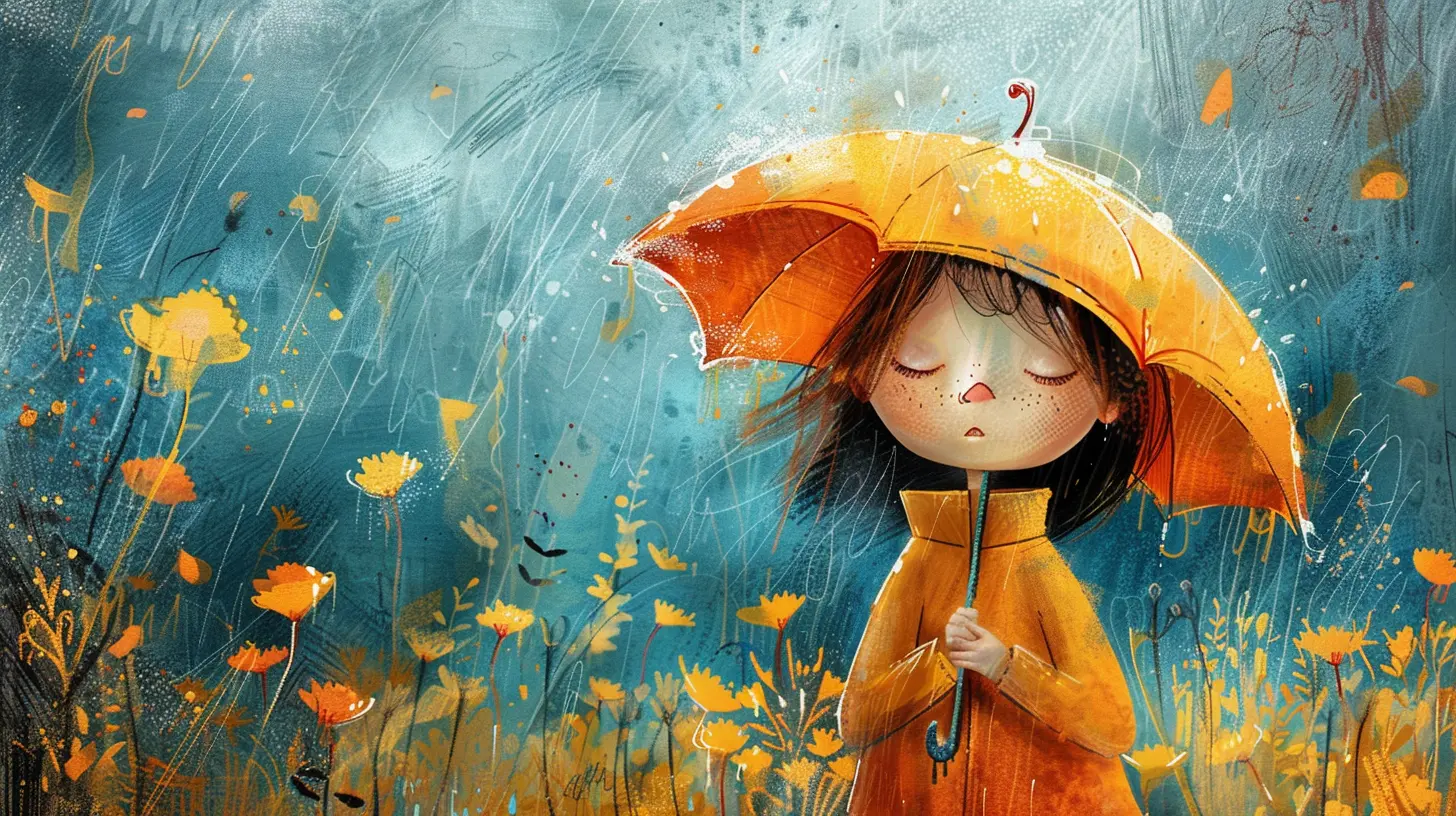
Stories That Stick: How Books Open Hearts
Let’s look at how stories combine words and art to leave lasting impressions.When a child reads (or is read to), they experience emotions along with the characters. They see them play out in the illustrations and start to connect the dots:
> “Oh, the dragon is crying. He must be feeling lonely. That’s how I feel when my big sister doesn’t want to play with me!”
That’s a giant step in emotional intelligence—and it happens naturally, through storytelling.
Characters Children Can Relate To
Illustrated stories present situations that kids recognize: being left out, losing a toy, trying something scary for the first time. Through a mix of expressive visuals and relatable text, kids realize they’re not alone in their feelings.Think of books like:
- The Color Monster by Anna Llenas: A visual masterpiece that literally sorts emotions into color-coded jars.
- My Many Colored Days by Dr. Seuss: A whimsical journey through emotions matched with animal illustrations.
- When Sophie Gets Angry – Really, Really Angry by Molly Bang: A beautiful and bold portrayal of childhood rage and how to cope with it.
Each of these is a mini masterclass in emotional literacy—wrapped in fun, engaging art.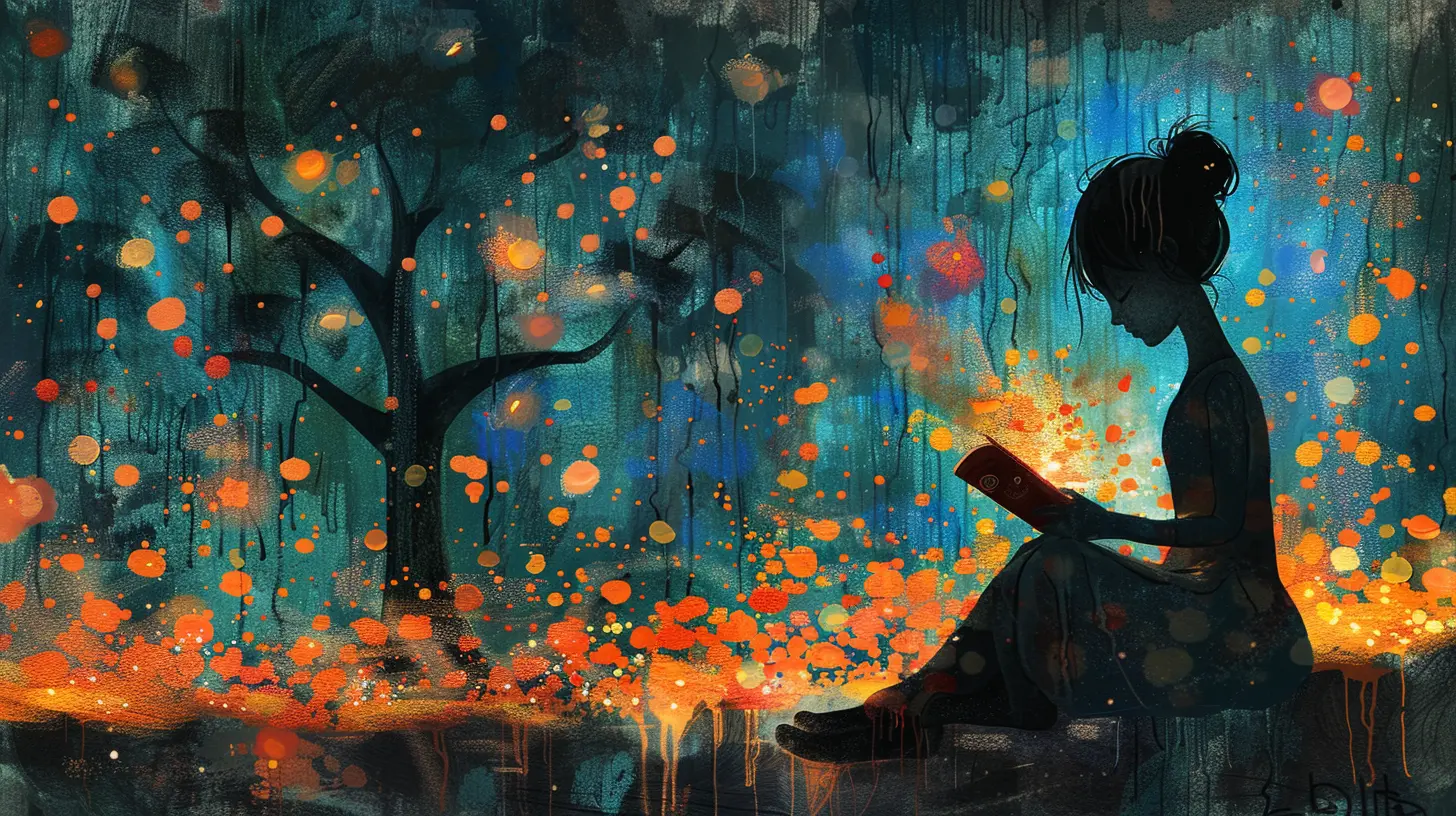
Drawing Emotion: What Illustrators Get Just Right
Here’s something you might not realize right away: children’s book illustrators are secretly emotional engineers. No joke.They have the superpower of visual storytelling, using every brushstroke or sketch to layer meaning. Let's peek into a few tricks of their trade:
1. Expressive Faces and Body Language
Nothing says “I’m feeling some kinda way” like a puffed-up lower lip or droopy puppy eyes. Kids are incredibly tuned into facial expressions—it’s their first social language—so illustrators make emotions pop with every glance, tilt, and waggle.2. Visual Metaphors
Ever seen an illustration where a raincloud hovers over a character’s head? Or a heart literally shattered? These metaphors help kids understand complex feelings in simple ways. They’ll feel the meaning before they know the words.3. Evolving Illustrations
Some books use shifting colors or layouts as the story moves forward. For example, a page that starts gray might slowly turn more colorful as the character’s mood improves. This gradual visual change helps kids see emotions as fluid and manageable.Art as a Safe Space
Let’s talk about one of the biggest wins of illustrated children’s books: they give kids a safe space to feel.Sometimes, talking about feelings face-to-face is just too intimidating for little ones. But reading about someone else’s big emotions? Much easier.
Even better, when kids see their feelings mirrored in a book, it validates them. It tells them:
> “It’s okay to feel this way. You’re not weird. Emotions are part of being human—even if you’re a bunny in a cape or a bear on a bike.”
This comfort leads to more openness, more conversations, and more confidence.
How Parents Can Use Illustrated Books to Talk About Emotions
Okay, parents—this one’s for you. Illustrated books are awesome, but they’re even more powerful when you read with intention.Here’s how to turn storytime into a meaningful emotional experience:
1. Pause and Ask Questions
Stop during the story and ask: “How do you think she’s feeling right now?” or “Have you ever felt like that?” You’ll be amazed at what your child shares.2. Name the Emotions
Help kids build their emotional vocabulary. Instead of just “sad,” suggest “disappointed,” “confused,” or “lonely.” Words matter!3. Connect to Real Life
After the story, bring it home: “Remember when you were nervous about your first swim class? That’s kind of like how the cat in the book felt trying something new.”4. Revisit Favorites
Kids love repetition. Reading the same book multiple times helps them spot new emotional details—and reinforces the lessons.Creating Emotional Artists: Encouraging Your Child’s Expression
Reading is just the start. Let those illustrated books inspire your child’s own creative expression. You don’t need fancy gear—just a blank page, crayons, and a little curiosity.Try these simple activities:
- Emotions Coloring Sheet: Draw faces showing different feelings and color them in.
- "Draw Your Day" Routine: Let kids illustrate how they felt throughout the day.
- Make Your Own Book: Staple a few pages together and create a story about a character going through big feelings.
These exercises let kids process in a hands-on, fun way—and you’ll get a peek into their emotional world, too.
The Last Page: Why It All Matters
Art. Emotions. Children’s books. It may sound simple, but the impact? HUGE.Illustrated children’s books offer more than just entertainment—they’re emotional toolkits wrapped in vibrant pictures. They help kids recognize their feelings, talk about them, and manage them in healthy ways. And for us grown-ups, they’re gentle reminders to slow down, share stories, and connect on a deeper level.
So the next time you snuggle up with a bedtime book, look a little closer. Behind those wiggly worms, blushing bears, and woolly sheep, there’s a whole world of emotion waiting to be explored—one page at a time.
Bonus: Our Top Illustrated Books for Emotional Exploration
If you’re looking to build a library of heart-feeling, soul-soothing reads, here are some parent-and-kid-approved picks:- The Rabbit Listened by Cori Doerrfeld
- I’m Sad by Michael Ian Black
- Big Feelings by Alexandra Penfold
- Today I Feel Silly by Jamie Lee Curtis
- Glad Monster, Sad Monster by Ed Emberley and Anne Miranda
Each one is a treasure chest of emotions, with art that speaks directly to your child’s growing heart.
all images in this post were generated using AI tools
Category:
Childrens BooksAuthor:

Tara Henson
Discussion
rate this article
1 comments
Celeste Morales
I love how art in kids' books sparks conversations about feelings. It's a wonderful way to connect!
May 30, 2026 at 3:05 AM
Tara Henson
I'm glad you feel that way! Art really does open up pathways for kids to express and explore their feelings.