Fantasy vs. Reality: Understanding the Importance of Both in Children’s Books
22 July 2026
When you think back to your own childhood, were you more drawn to magical kingdoms ruled by dragons and wizards or stories about kids like you navigating their everyday lives? Chances are, you enjoyed a bit of both — and that’s exactly what makes children’s literature so powerful. Kids need both fantasy and reality in their stories to grow emotionally, develop imagination, and understand the world around them.
Let’s dive into the magical (and sometimes messy) world of children’s books and find out why the perfect bookshelf for your little one should highlight the importance of both fantasy and reality. Spoiler: both have their time to shine, and one wouldn’t be quite as special without the other.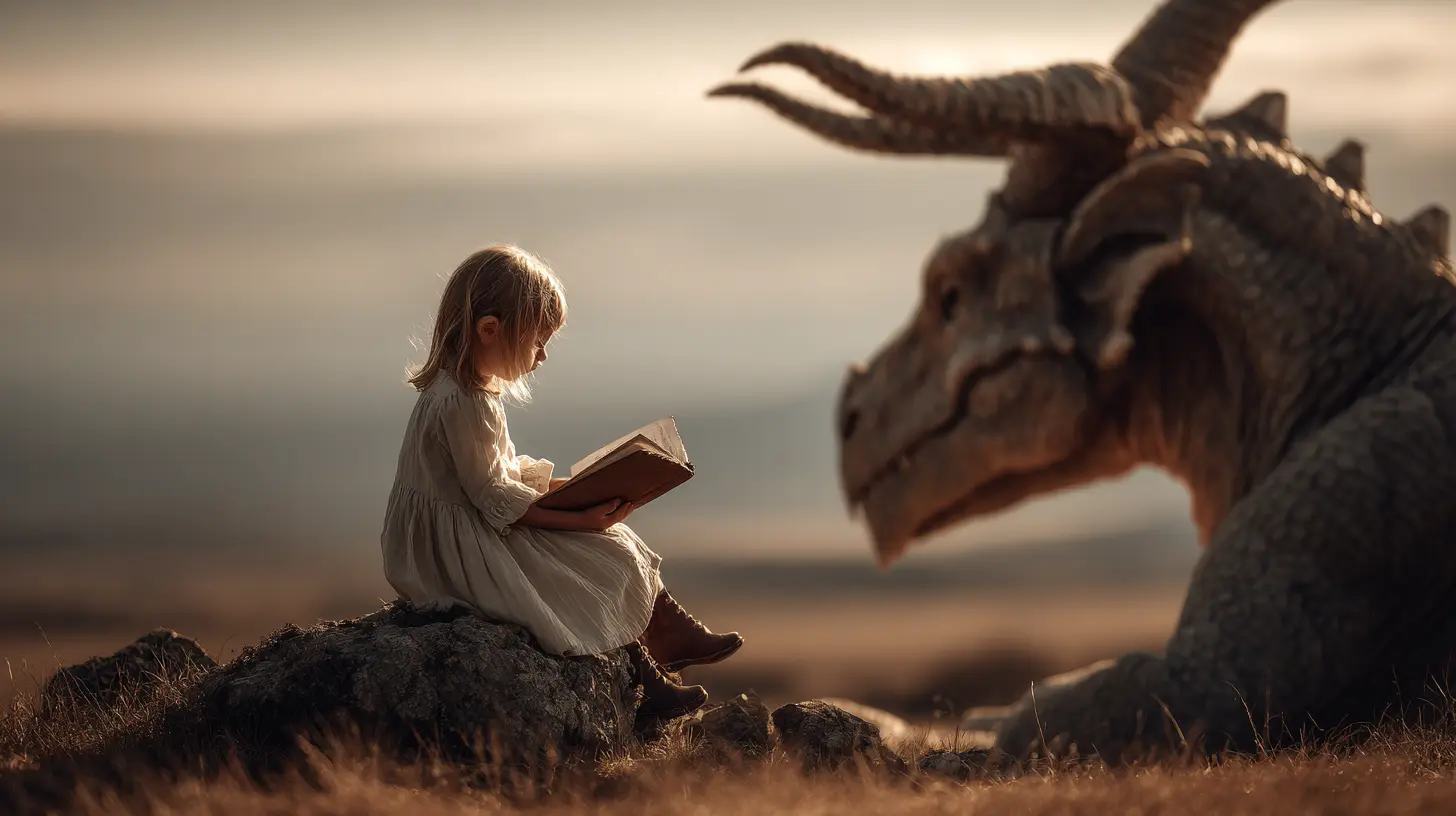
Why Storytelling Matters in Childhood
Before we break down dragons versus diary entries, let’s talk about why storytelling is such a big deal for children in the first place.Kids make sense of the world through stories. Books are like guided tours for young minds — showing them new places, introducing them to different perspectives, and letting them ask “what if?” without leaving their couch or beanbag chair. Through stories, children test ideas, emotions, and social situations without real-world consequences. It’s learning through play but for the brain.
And whether a story is grounded in reality or floats in a world of fantasy, it’s shaping your child’s sense of self, identity, and how they perceive what’s possible.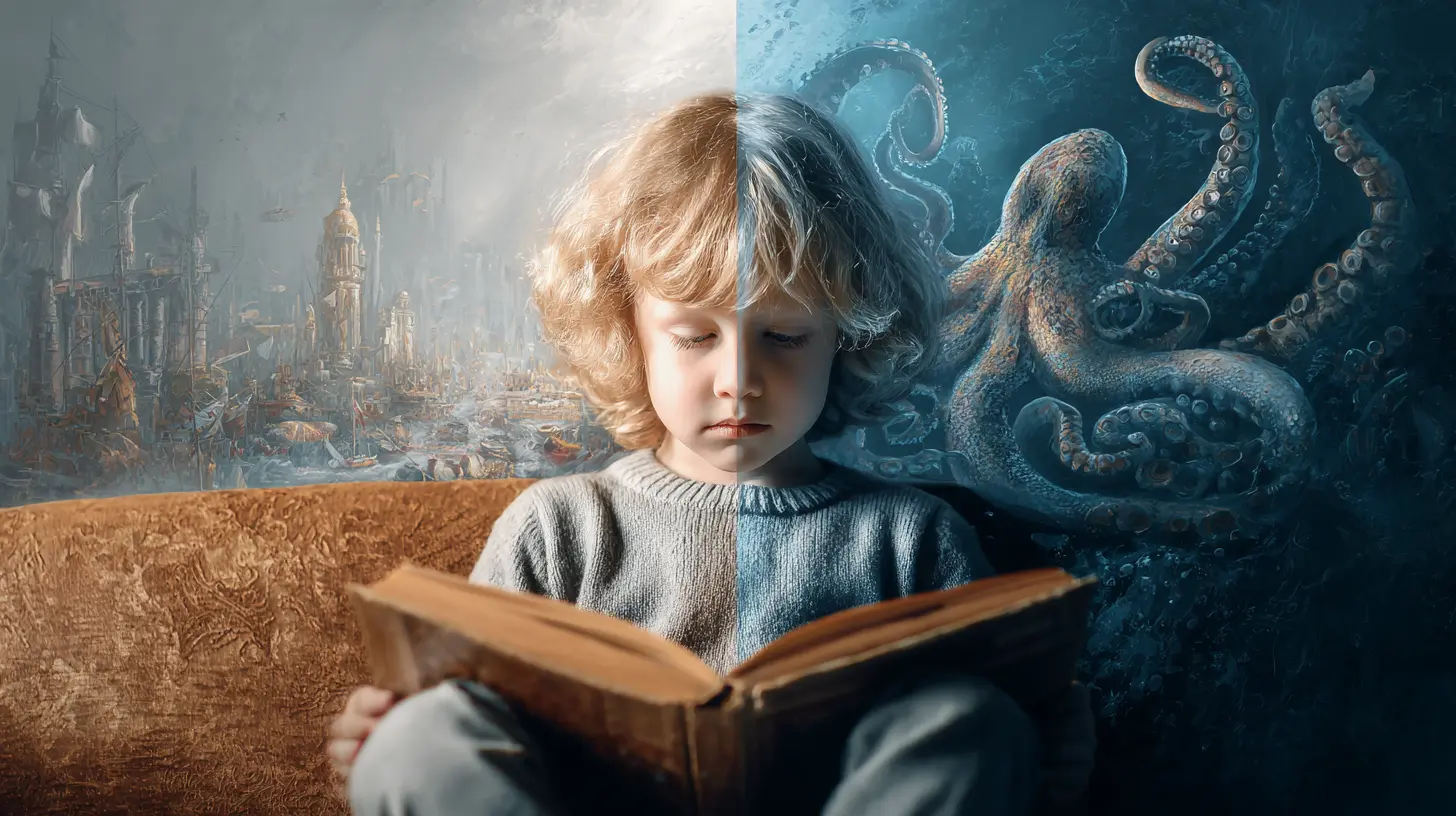
The Magical Pull of Fantasy Books
Wizards, flying animals, talking trees... fantasy stories stretch the imagination like an overused rubber band — and that’s a good thing!? Imagination with No Limits
Fantasy gives children the freedom to imagine a world where literally anything is possible. Want a treehouse that flies to space? Done. Wish your stuffed animal could talk? No problem.This limitless potential encourages creativity, allowing kids to break away from what’s “real” and experiment with wild, wonderful ideas. It’s this imaginative muscle that later fuels problem-solving, innovation, and independent thinking.
Fantasy books whisper: “What if?” And in a world where people are often told what’s not possible, that question is gold.
? Teachable Moments in Disguise
Sure, the setting might be mythical, but the lessons are VERY real. Courage, empathy, friendship, and fear — children explore big feelings and complex ideas in settings that feel safe and distant. Think of fantasy as a sandbox for emotional growth. They might not be fighting a real dragon, but learning to overcome it? That’s bravery they can use when facing real-life fears.Take Harry Potter, for instance (a modern classic in the fantasy realm). While the spells are fun, what sticks is the loyalty between friends, the consequences of choices, and the understanding that even heroes struggle.
? Culturally Rich and Diverse
Fantasy also allows authors to create entire worlds influenced by various cultures, traditions, and mythologies. It introduces kids to different ways of thinking and being — even if it’s through elves or mermaids. It’s an open invitation to step into someone else’s shoes, even if those shoes are winged boots.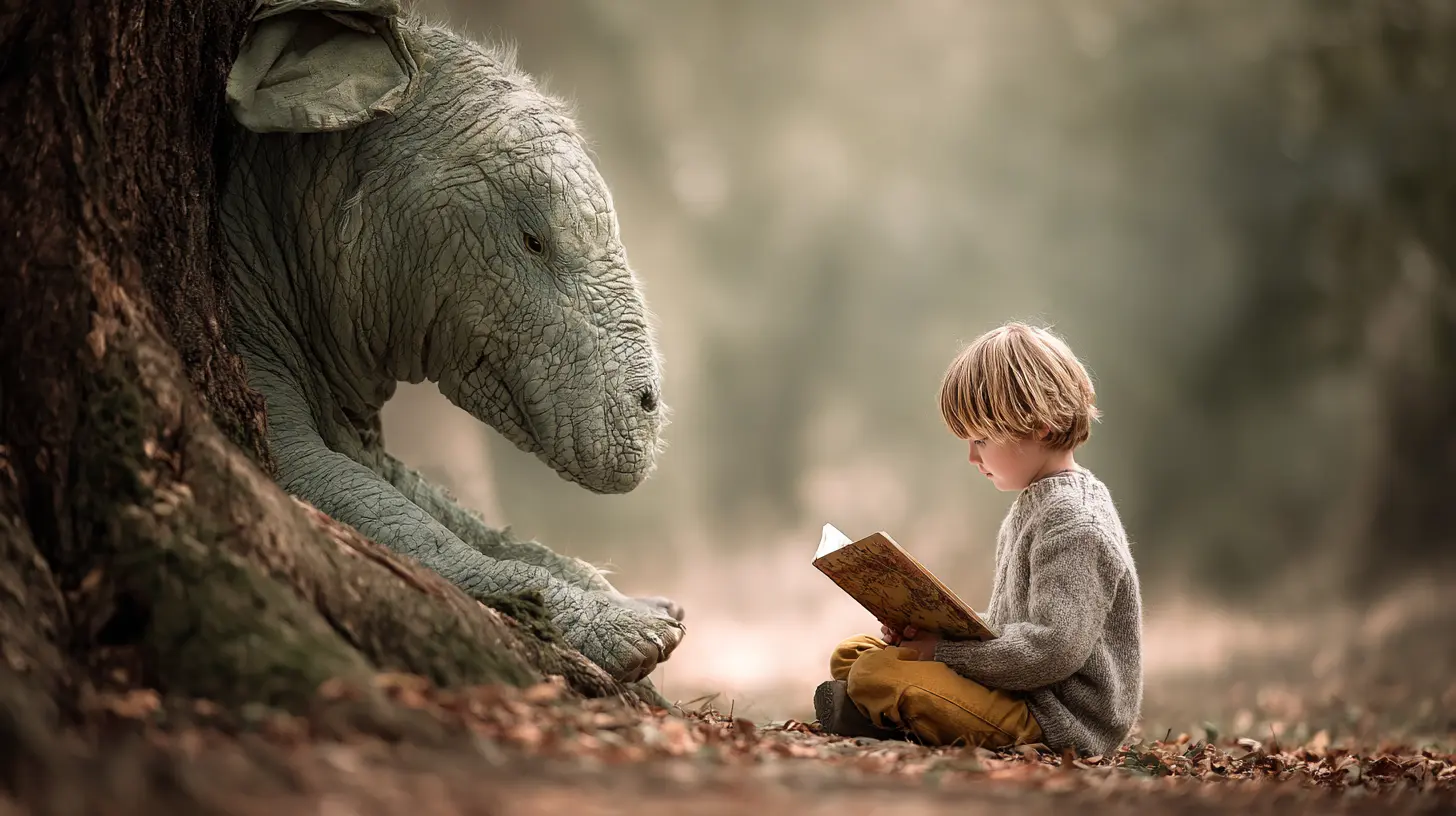
The Grounded Strength of Reality Books
Now, let’s switch gears. Stories based in reality may not have fire-breathing dragons, but they do something just as powerful — they reflect a child’s actual world. And that matters. A lot.? Representation of Real Life
When kids see characters who look like them, live in similar homes, go to school like they do, or experience familiar challenges, they feel seen. This can be incredibly validating, especially for children from underrepresented backgrounds or those facing unique struggles.Reality-based books give a name to those quietly held emotions and help children realize, “I’m not alone." That’s a big deal.
? Tools for Emotional Intelligence
Realistic fiction tends to focus more on internal experiences — things like relationships, identity, resilience, and conflict resolution. Kids watch characters navigate problems they might be facing themselves, like bullying, moving to a new town, or dealing with divorce.By reading these stories, children gain vocabulary for their feelings and strategies for handling tough situations. Think of it as emotional training wheels.
? Building Empathy
Books rooted in real life gently nudge children outside their own experiences. They allow young readers to step into the shoes of someone else — maybe a child with a disability, a refugee, or a kid growing up in a completely different country.This fosters compassion. It teaches that different doesn’t mean scary; it just means different. And in today’s world, empathy is the superpower we all wish for.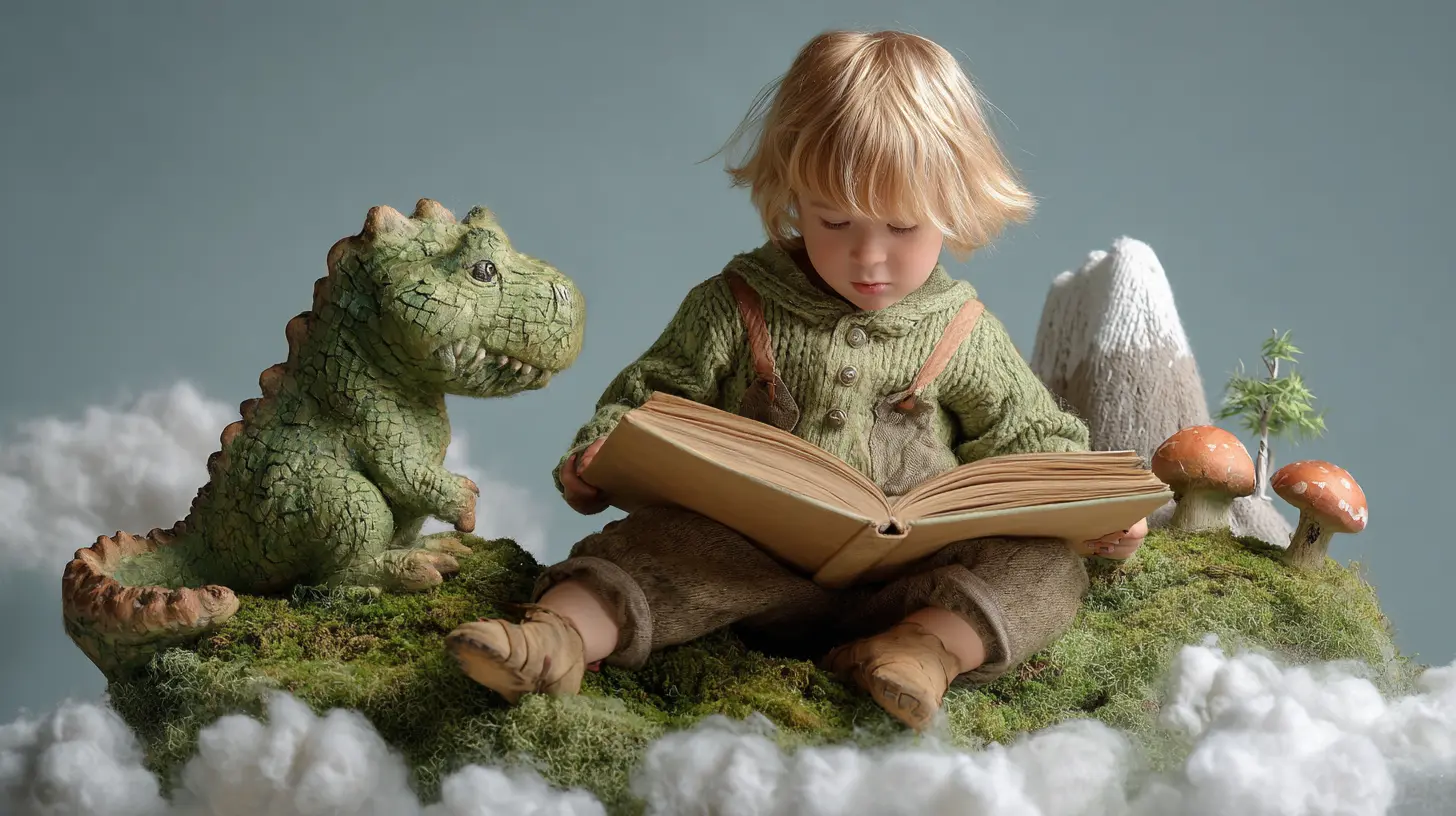
So, Which Is Better: Fantasy or Reality?
Honestly? Neither is better. They just serve different purposes — like vegetables and dessert (and every parent knows you need both on the plate!).Fantasy is the spark that fuels imagination. Reality is the mirror that reflects truth. Too much fantasy, and children might miss out on the grounding lessons they need for real life. Too much reality, and their creative muscles might start to slacken.
The real magic happens when kids get a healthy dose of both.
Benefits of Blending Fantasy and Reality in Books
Some of the most beloved children's books don’t stick to one category — they blend the two. Think of books like "The Chronicles of Narnia" or "Bridge to Terabithia." These stories feature both real-life struggles and imaginary worlds, offering the best of both.This mixture creates a richer, more layered reading experience. It helps kids make connections between what they imagine and what they live. It allows them to dream up possibilities while staying connected to the world they’re growing up in.
Want your kids to be both dreamers and doers? A bookshelf with both genres is a great place to start.
Tips for Parents: Choosing the Right Balance
Wondering how to make that bookshelf magic happen? Here are a few parent-to-parent tips:1. Follow Their Interests
If your child gravitates towards wizards and time-traveling cats, go with it! And then sneak in a realistic story with a relatable main character afterward. Balance doesn’t have to happen every day — it can happen over time.2. Mix Genres Within a Reading Routine
Read a fantasy chapter book during bedtime and a real-life picture book during afternoon storytime. Variety keeps things interesting and supports all areas of growth.3. Use Books to Start Conversations
Ask questions like “What would YOU do in that situation?” or “Do you think that could happen in real life?” Whether the story is grounded or out-of-this-world, books offer incredible jumping-off points for conversations.4. Let Them See Themselves — and Others
Ensure your books reflect both your child’s experiences and the experiences of others. A mix of fantasy and reality makes space for fun, healing, discovery, and empathy.Common Mistakes to Avoid
Let’s be honest — even with the best intentions, we sometimes trip up. Here are a few things to watch out for:? Avoid stereotyping genres. Don’t assume fantasy is only for entertainment or that realistic fiction is boring. Both can pack serious emotional punches.
? Don’t push away fantasy just because it seems “unrealistic.” Remember, the ideas behind the dragons are just as powerful as the fire they breathe.
? Don’t limit real-life stories to “problem books.” Not every realistic story has to be about hardship. They can be joyful, funny, light, and full of heart — just like life itself.
Final Thoughts: Raising Lifelong Readers (and Thinkers!)
When kids read, they’re not just entertaining themselves — they’re building the foundation for who they’ll become. The balance between fantasy and reality in children’s books helps shape not just better readers but better humans.Fantasy teaches them to imagine, dream, and believe that new possibilities exist. Reality teaches them to connect, understand, and navigate the world they live in. When you offer both, you’re giving your child the greatest gift: the freedom to explore every corner of their heart and mind.
So next time you’re browsing through books at bedtime, don’t stress too much about whether it’s a dragon tale or a diary entry. Just know that with each story, your child is growing — one page at a time.
all images in this post were generated using AI tools
Category:
Childrens BooksAuthor:

Tara Henson