From Me to We: Helping Kids Share and Understand Others' Needs
22 June 2026
Kids are naturally wired to think about themselves first. It's not selfishness—it's just how their little brains work! But as they grow, it's our job as parents to help them expand their view of the world. Moving from "me" to "we" isn't always easy, yet it’s one of the most important life lessons they’ll ever learn.
So how do we teach our kids to share, consider others’ feelings, and develop empathy? Let's dive into some practical ways to guide them on this journey.
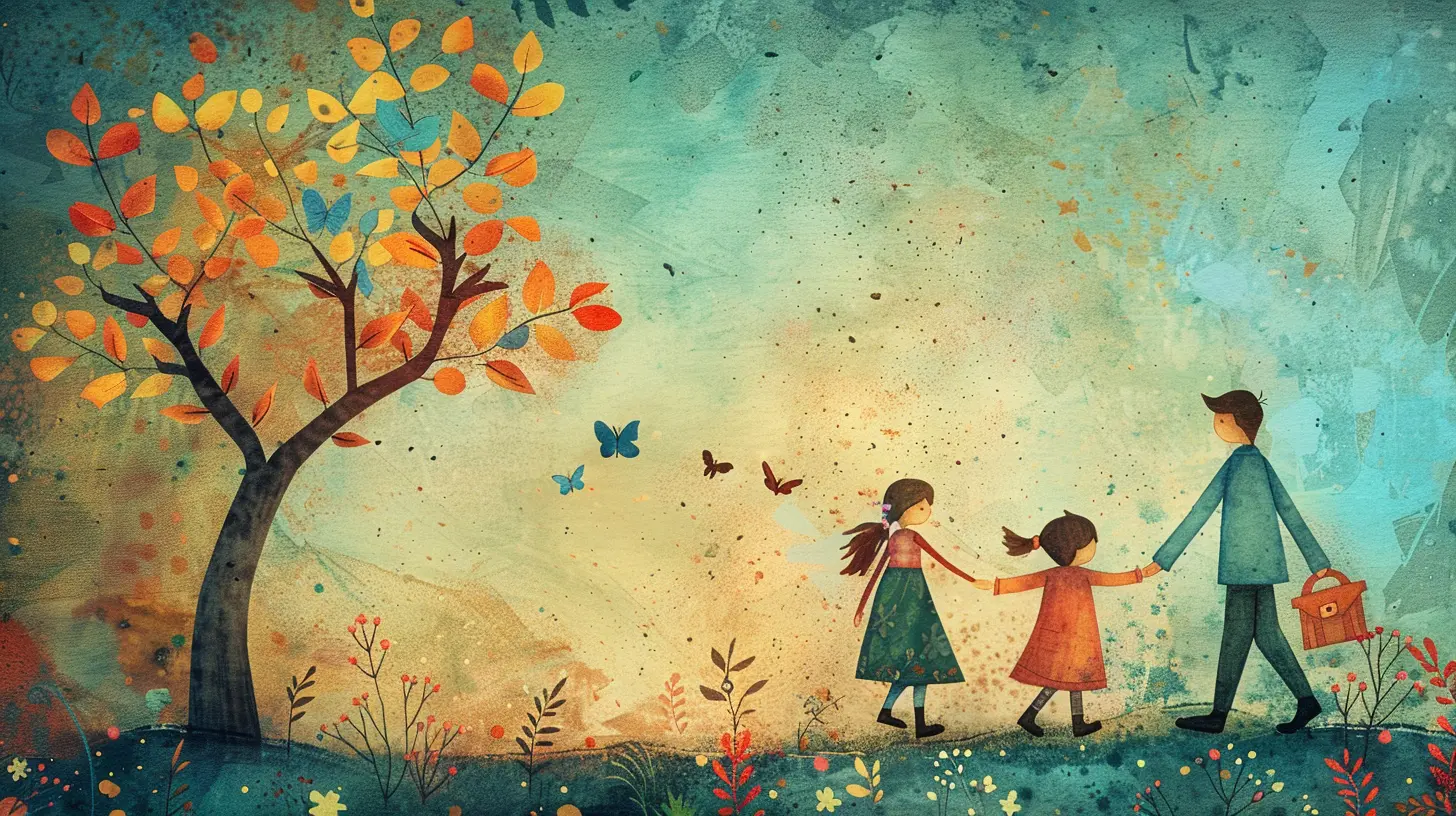
Why Is Sharing and Understanding Others' Needs So Hard?
Ever watched a toddler clutch a toy like their life depends on it? That’s because kids naturally prioritize their own needs before considering someone else’s. This isn't a flaw—it's just how their brains develop. Understanding this can help us approach their learning process with patience.But here’s the good news: Just like walking and talking, empathy and sharing can be taught. Kids aren’t born with these skills, but with the right guidance, they can develop them beautifully.
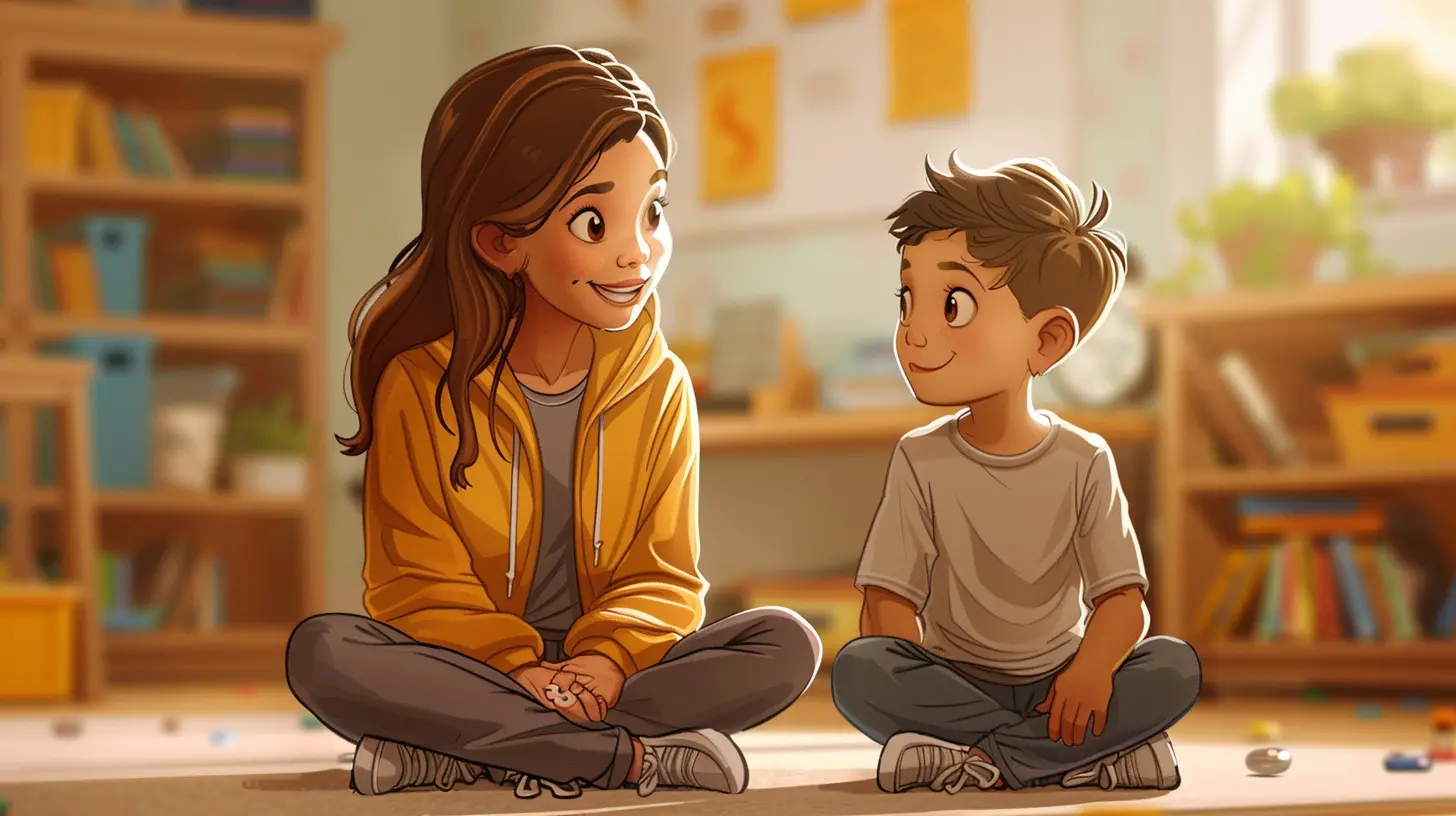
The Importance of Teaching Kids to Share and Empathize
Teaching kids how to share and recognize others' needs isn't just about avoiding playground meltdowns. These skills are fundamental for their future relationships, emotional intelligence, and even professional success.- Better Friendships – Kids who learn to share and be empathetic tend to form stronger, healthier friendships.
- Emotional Intelligence – Understanding others’ needs helps kids regulate their own emotions better.
- Problem-Solving Skills – When children understand different perspectives, they become better at resolving conflicts.
- Future Success – Whether in school, sports, or careers, teamwork and empathy are essential life skills.
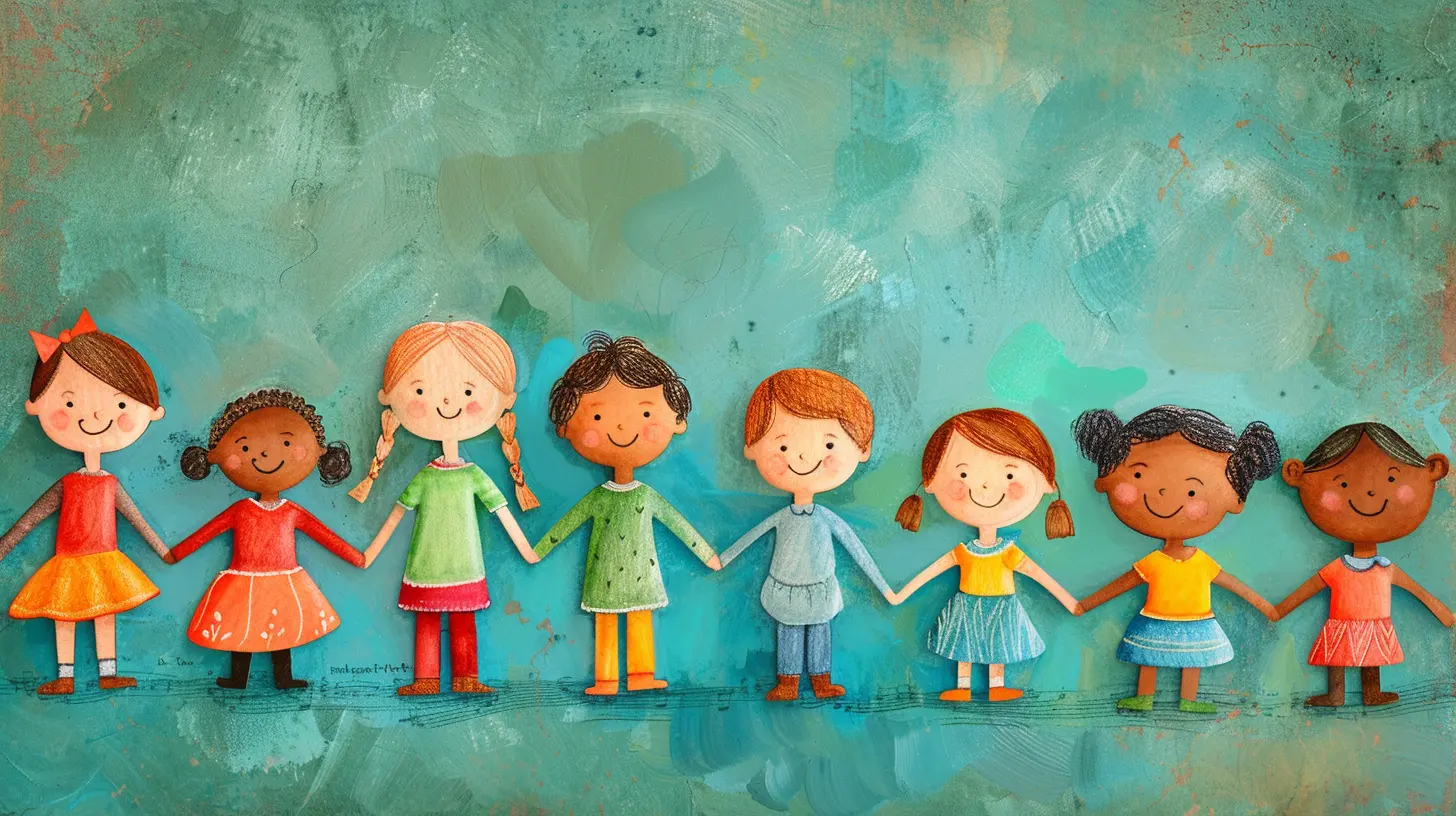
How to Teach Kids to Move from “Me” to “We”
1. Model the Behavior You Want to See
Kids are sponges—they soak up everything they see. If we want them to be kind and considerate, we need to model those behaviors ourselves.- Say things like, “I noticed you’re feeling sad. Do you want to talk about it?”
- Show kindness in everyday interactions—helping a neighbor, donating clothes, or simply saying, “Thank you.”
- Let them see you practicing patience and understanding in difficult moments.
2. Encourage Small Acts of Kindness
You don’t have to wait for a massive “teachable moment.” Small, everyday acts of kindness can go a long way.- Encourage them to share a snack with a sibling.
- Ask them to help pick up a friend’s dropped toy.
- Praise them when they show kindness, even if it’s subtle.
When kids associate kindness with positive feelings, they’re more likely to repeat the behavior.
3. Use Stories and Books to Build Empathy
Books are an amazing way to help kids step into someone else’s shoes. Stories let them see the world from different perspectives without forcing the lesson.Some great books that teach empathy and sharing include:
- The Rainbow Fish by Marcus Pfister – A classic about the joy of sharing.
- Have You Filled a Bucket Today? by Carol McCloud – Helps kids understand how kindness affects others.
- Enemy Pie by Derek Munson – Shows how kindness can turn an enemy into a friend.
After reading, ask open-ended questions like, “How do you think the character felt?” or “What would you do in that situation?”
4. Teach the “Stop and Think” Method
Sometimes, kids act on impulse—grabbing a toy, cutting in line, or ignoring someone who needs help. Teaching them to pause and consider others is a game-changer.Try using a simple phrase: “Stop and think. How would you feel if that happened to you?”
This technique helps kids build the habit of self-reflection and empathy before acting.
5. Create Opportunities for Teamwork
Working together naturally encourages shared responsibility and understanding. Find simple ways to incorporate teamwork into daily life.- Cooking a meal together (Let them stir, mix, or set the table).
- Playing cooperative board games that require teamwork instead of competition.
- Giving siblings shared responsibilities like cleaning up toys as a team.
Collaboration helps kids understand that success isn’t just about them—it’s about everyone working together.
6. Practice Role-Playing
Kids love to pretend, so why not use that to teach important social skills? Role-playing different situations can help them understand how to react with kindness and empathy.Try acting out:
- What to do when a friend is sad.
- How to share when two kids want the same toy.
- How to help someone who feels left out.
By practicing these scenarios, kids feel more prepared when they happen in real life.
7. Reinforce Positive Behavior
Whenever your child shows empathy or shares without being asked, celebrate it! Positive reinforcement can be as simple as:- Saying, “That was really kind of you to share your crayons!”
- Giving a high-five or hug.
- Creating a kindness chart where they get a sticker for thoughtful actions.
The more kids see kindness as rewarding, the more likely they’ll repeat it.
8. Encourage Perspective-Taking
Ask questions that nudge kids to think beyond themselves.- “How do you think your friend felt when you shared your toy?”
- “What would happen if nobody ever shared?”
- “Why do you think your sibling is upset?”
These questions help kids gradually shift their perspective from me to we.

Helping Different Age Groups Develop Empathy
Every age group learns empathy and sharing differently. Tailoring your approach can make all the difference.Toddlers (1-3 Years Old)
- They’re just starting to grasp the idea of sharing.- Keep expectations simple—start with turn-taking games.
- Use gentle reminders like, “It’s your turn now, then it’s your friend’s turn.”
Preschoolers (3-5 Years Old)
- They understand fairness more but still struggle with impulse control.- Use visual cues like timers to help with sharing.
- Talk about emotions often—“How does that make you feel?”
School-Age Kids (6-12 Years Old)
- They have a stronger sense of fairness and justice.- Encourage peer interactions that require teamwork.
- Assign small responsibilities like helping a younger sibling.
When Kids Struggle: What to Do
Not every child picks up empathy and sharing easily. If your little one struggles with these skills, don’t panic! Here are some gentle ways to help:- Be patient – These are lifelong skills that take time.
- Avoid forcing – If kids must share, they may resent it. Instead, encourage voluntary sharing.
- Use natural consequences – If they don’t share, they may not get to participate in playtime.
- Keep the conversation going – The more you talk about kindness, the more natural it becomes.
The Bigger Picture: Raising Kind and Compassionate Humans
Teaching kids to move from "me" to "we" isn’t about making them perfect—it’s about helping them build a toolkit for life. Empathy, kindness, and sharing don’t just make them better playmates; they make them better future friends, coworkers, and leaders.So the next time your child hesitates before sharing or struggles to consider someone else’s feelings, remember—it’s all part of the learning process. With your guidance, they’ll get there. One small act of kindness at a time.
all images in this post were generated using AI tools
Category:
Teaching EmpathyAuthor:

Tara Henson
Discussion
rate this article
1 comments
Thaddeus Fisher
This is such a valuable topic! Teaching kids empathy and sharing early shapes their future relationships beautifully.
July 5, 2026 at 4:49 PM
Tara Henson
I appreciate your thoughts! Instilling empathy and sharing in kids truly makes a lasting impact on their relationships. Thank you for supporting the message.