Guide to Baby Clothing: Choosing Soft and Safe Options
18 August 2026
When it comes to dressing your baby, there's more to consider than just how adorable those tiny onesies or booties look. As a parent, you want your little one to be wrapped in comfort, protected from irritants, and dressed in clothing that supports their delicate skin and budding curiosity about the world. That’s why understanding how to choose soft and safe baby clothing is absolutely essential.
Let’s break it all down together, shall we? Whether you're a brand-new parent or shopping for a baby shower gift, this guide will help you navigate the often-overwhelming world of baby clothing like a pro.
Why Softness Matters in Baby Clothing
Imagine sleeping in scratchy pajamas or spending the day in stiff denim. Uncomfortable, right? Babies have ultra-sensitive skin, and their comfort begins and ends with the softness of what they’re wearing.The Sensitivity of Baby Skin
Your baby’s skin is thinner and more porous than yours. That means it can absorb chemicals more easily and is more likely to react to rough textures. Things that may seem minor to an adult—like a scratchy tag or a rough seam—can lead to rashes or irritation for your baby.Comfort Equals Contentment
You know how cranky a baby can get when something feels “off." Soft clothing reduces the chances of discomfort and fussiness. It can mean the difference between a peaceful nap and a night-long cry session. Trust us, soft over stylish every time.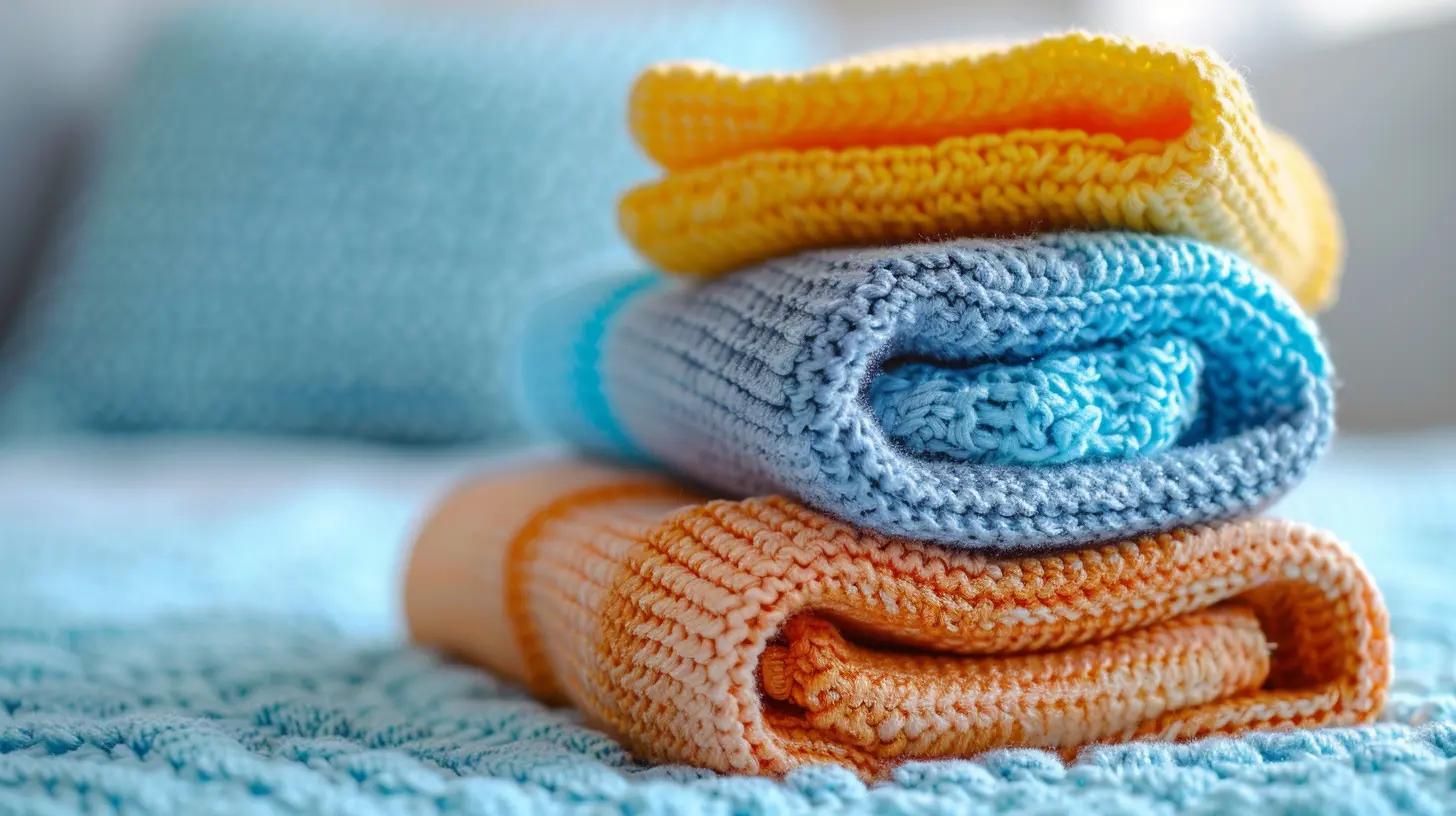
Prioritizing Safety in Baby Clothing
Soft is good, but softness alone doesn’t equal safety. Babies love to wiggle, mouth things, and explore. So safety should be stitched into every seam of their wardrobe.Choking Hazards: Not Just Toys
You’d be surprised how many baby clothes come with buttons, bows, or decorative beads. Yes, they look cute, but if they’re not securely attached, they can become choking hazards. Always give baby clothes a gentle tug test before buying. If something feels loose, it’s a no-go.Flame Retardants: A Double-Edged Sword
Some baby pajamas are treated with flame retardants for safety. However, certain chemical treatments have raised health concerns. When in doubt, pick snug-fitting sleepwear made from natural materials that meets safety guidelines without unnecessary chemicals.Avoid Drawstrings and Loose Ties
These may not seem dangerous at first glance, but in the world of babywear, drawstrings and ties can pose strangulation risks. Stick with elastic waistbands and snap closures instead.
What Materials Are Best for Baby Clothing?
Here’s where things get interesting (and dare we say, a little cozy). Not all fabrics are created equal, especially in the babywear universe. Let’s unpack the top options.1. Organic Cotton – The Gold Standard
If baby clothing had a superhero, organic cotton would wear the cape. It’s soft, breathable, free from harmful chemicals, and perfect for sensitive skin. Bonus? It’s eco-friendly, so you’re doing your baby and the planet a favor.2. Bamboo – The Silky Alternative
Bamboo fabric is incredibly soft—think “petting a cloud” soft. It’s also hypoallergenic and has natural moisture-wicking properties. Great choice for warmer climates or babies prone to eczema.3. Modal – The Unsung Hero
Made from beech tree pulp, modal is another buttery-soft, breathable fabric. It’s durable, smooth, and stays soft over time, even with frequent washing. That last part is a game-changer because, let’s be honest, baby clothes are in the laundry nonstop.4. Wool – But Only the Right Kind
Yes, wool! Not the scratchy kind your grandma used to knit. We're talking about Merino wool—lightweight, breathable, and naturally temperature-regulating. Perfect for cooler days or layering.
How to Choose Baby-Friendly Clothing Brands
So you’re in a store or scrolling online, trying to make sense of fabric labels and sizing charts. How do you know which brands to trust?Look for Certifications
Check for labels like GOTS (Global Organic Textile Standard) or OEKO-TEX® Standard 100. These certifications ensure the fabric is free from harmful chemicals and safe for babies.Read the Reviews
Parenting forums and product reviews are your best friends here. If a piece of clothing tends to shrink, fade, or fall apart after a few washes, you’ll hear about it from other moms and dads.Start Small
Don’t go on a shopping spree right away. Babies outgrow clothes fast—like, blink-and-they've-outgrown-it fast. Buy a few key pieces from a brand you’re curious about and see how they hold up.Practical Clothing Features to Look For
Okay, let’s talk shop. What features make baby clothes not just cute, but practical?Envelope Necks
These shoulder flaps let you pull the clothing down over the body instead of over the head. Super handy when diaper disasters happen (and oh, they will).Snaps vs. Zippers
Snaps are great for quick diaper changes, while zippers are a nighttime lifesaver. Bonus points for two-way zips—you can change a diaper without exposing baby’s upper body to cold air.Fold-Over Mittens
Say goodbye to accidental face scratches at 2 a.m. Clothes with built-in mittens are lifesavers for newborns who love to flail.Footies
Footie pajamas keep those tiny toes warm without the added stress of hunting for rogue baby socks. Trust us, your washing machine eats them.How Many Clothes Does a Baby Really Need?
New parents often get swamped with baby clothes. One minute you have nothing, the next you’re buried under a mountain of newborn onesies. So what’s the magic number?Start with the Basics
Here’s a general breakdown for the first 0–3 months:- 6–8 onesies or bodysuits
- 4–6 footed sleepers
- 3–4 swaddles or wearable blankets
- 4–6 pairs of leggings or pants
- 4–6 pairs of socks
- 2–3 hats
- 2–3 sweaters or jackets (weather depending)
Keep in mind, babies spit up and have diaper blowouts. You'll be doing laundry a lot—so having extras is always helpful.
Tips for Washing and Caring for Baby Clothes
Before you toss that cute outfit into the laundry, take a pause. Baby clothes need a little extra TLC.Use a Baby-Safe Detergent
Fragrance-free, hypoallergenic, and free from dyes—these are your detergent must-haves. You’re trying to wash away dirt, not add potential skin irritants.Wash Before First Wear
Even if it’s brand new, give baby clothes a gentle wash before they touch your baby's skin. Manufacturing residue or dust from packaging can linger.Skip the Fabric Softeners
They might make clothes smell sweet and feel soft, but they often contain chemicals you don’t want near your baby’s skin. A plain white vinegar rinse in the washer can work just as well.Seasonal Shopping: Dressing Baby for All Weather
Babies can’t regulate their body temperatures like adults can. Dressing them for the season is key to keeping them comfortable and safe.Summer
- Lightweight cotton onesies- Sun hats with wide brims
- Breathable, short-sleeved rompers
- Always keep the baby in the shade
Winter
- Layer up with breathable fabrics like cotton and Merino wool- Add a warm hat, mittens, and booties
- Use a wearable blanket or sleeping sack instead of loose blankets
Spring/Fall
- Layering is your best friend—think long sleeves, leggings, and light jackets- Make sure the outerwear is easy to remove when moving between indoors and outdoors
Sustainable and Ethical Baby Clothing
Let’s not forget: clothing has a footprint. Choosing baby clothes that are sustainably made is a small but mighty way to reduce waste, conserve resources, and support ethical labor practices.Look for Eco-Friendly Brands
Seek out companies that prioritize organic materials, fair wages, and sustainable production methods. These brands often use recyclable packaging and low-impact dyes too.Go for Quality Over Quantity
Instead of buying 20 cheap bodysuits, consider purchasing fewer, high-quality pieces that last longer and are better for the environment.Embrace Hand-Me-Downs
There’s absolutely no shame in second-hand baby clothes. In fact, it’s awesome. Less waste, lower cost, and clothes that have already withstood the test of time (and baby messes).Final Thoughts
Choosing baby clothing isn't just about style—it's about softness, safety, and thoughtful decisions. Keep your baby's sensitive skin in mind, opt for breathable, chemical-free fabrics, and always check for secure closures and practical features.So next time you're swooning over a tiny romper or deciding between cotton and bamboo, you'll know exactly what to look for. Because when your baby feels good, everybody feels good.
And let’s be real—there’s nothing cuter than a happy baby in cozy clothes, right?
all images in this post were generated using AI tools
Category:
Baby CareAuthor:

Tara Henson