Handling Food Allergies: Creating a Safe Eating Environment for Your Child
11 February 2026
Food allergies can feel like navigating a minefield—one wrong step, and things can go sideways fast. If your child has a food allergy, you know the stress that comes with every meal, birthday party, or school lunch. But fear not! With the right precautions, you can create a safe eating environment without wrapping your child in bubble wrap.
So, grab a snack (hopefully one without allergens), and let’s dive into everything you need to know about keeping your kiddo safe from food allergies.
Understanding Food Allergies (Without the Medical Jargon)
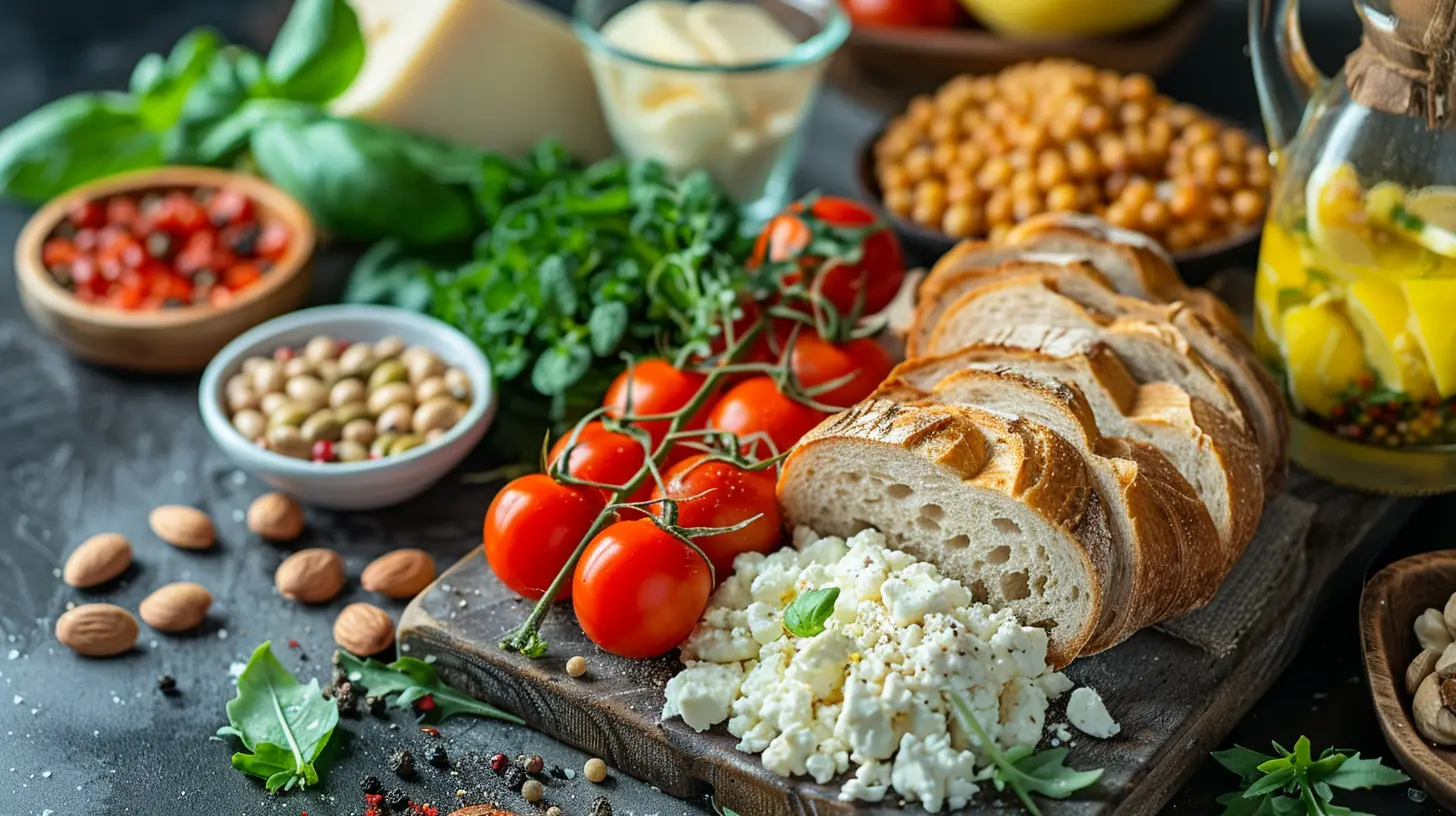
A food allergy happens when the body’s immune system mistakes a harmless food as a threat and goes into full-on battle mode. Unlike a food intolerance (which is annoying but not life-threatening), a food allergy can cause reactions ranging from mild hives to severe anaphylaxis.The most common food allergens (sometimes called the "Big 9") include:
- Peanuts
- Tree nuts
- Milk
- Eggs
- Wheat
- Soy
- Fish
- Shellfish
- Sesame
Even a teeny-tiny amount of these allergens can trigger a reaction in some kids. So yeah, cross-contamination is kind of a big deal.
Creating a Safe Eating Environment at Home
Your home should be a food-safe haven. But creating an allergy-friendly kitchen doesn’t mean you have to turn your house into a sterile laboratory.1. Label Everything Like a Pro
If your child has a serious allergy, make checking labels a habit. Manufacturers sometimes sneak allergens into the most unexpected places. (Looking at you, hidden dairy in potato chips!)Use stickers, colored labels, or designated shelves to separate safe foods from potential hazards. Some families even go for color-coded plates and utensils—because, let’s be honest, kids can’t tell the difference between “safe” and “not safe” spoons.
2. Have an Allergy-Safe Section in the Pantry
To reduce the risk of cross-contact, keep allergen-free foods in a separate section of your pantry and fridge. This way, tired morning-you doesn’t accidentally spread peanut butter on the wrong piece of toast.3. Wipe, Wash, Repeat
Everything from countertops to high chairs can harbor traces of allergens. A quick wipe with a damp cloth isn’t always enough. Use hot, soapy water or disinfectant wipes to clean surfaces and hands after handling allergenic foods.4. Educate Everyone (Even Grandma)
Your child’s allergies aren’t just your responsibility. Anyone who prepares food in your home—whether it’s your spouse, babysitter, or that well-meaning relative who insists “a little bit won’t hurt”—needs to be on the same page.A printed allergy guide stuck to the fridge can be a lifesaver when someone else is in charge of the kitchen.

Dining Out Without the Panic Attack
Eating out with food allergies can feel like playing Russian roulette, but it doesn’t have to be nerve-wracking.1. Call Ahead
Before heading to a restaurant, give them a quick call. Ask if they have allergen-free options and how they prevent cross-contamination. Some places are super accommodating, while others, well... not so much.2. Be THAT Customer
Yes, you might feel like “that parent” when you quiz the server about ingredients, but your child’s safety is more important than anything else. Be polite but firm, and if something feels off, trust your gut—there’s always another restaurant.3. Bring Backup Snacks
Sometimes, it’s just easier to bring your own food or at least have a few emergency snacks in your bag. Because let’s be real—hungry kids are cranky kids, and cranky kids + allergy worries = no fun for anyone.
Keeping Your Child Safe at School
School can be a tricky environment because your child is eating away from your watchful eye. Here’s how to make sure they stay safe.1. Communicate with the School
Schedule a meeting with your child’s teacher, school nurse, and cafeteria staff to discuss their allergy. Most schools have policies for food allergies, but extra reminders won’t hurt.2. Create an Allergy Action Plan
This should include your child’s allergens, symptoms of a reaction, and step-by-step instructions on what to do in an emergency. If your child uses an EpiPen, make sure staff know how to use it properly.3. Pack Safe Lunches
If the school lunch program isn’t allergy-friendly, packing a lunch from home is the safest option. Use clearly labeled containers and remind your child about the importance of not sharing food.4. Teach Your Child How to Self-Advocate
If your child is old enough, teach them how to ask about ingredients and recognize the signs of a reaction. Role-playing “safe eating” scenarios can help them feel more confident.Managing Social Events and Parties
Birthday parties and holiday gatherings are supposed to be fun, not a source of stress. Here’s how to keep your child included without risking their health.1. Talk to the Host Ahead of Time
If your child is invited to a party, reach out to the host. Ask about the menu and offer to bring a safe dish if needed.2. Discuss the "Don't Share" Rule
Kids love to share food, but for children with allergies, this can be dangerous. Reinforce the importance of only eating what you’ve approved.3. Create Allergy-Friendly Traditions
To make celebrations easier, create traditions that give your child safe alternatives. For example, if your child can’t eat cake at a party, bring their favorite allergy-safe dessert so they don’t feel left out.
What to Do in Case of an Allergic Reaction
Despite all precautions, reactions can still happen. Knowing how to act quickly is key.1. Recognize the Symptoms
Reactions can vary from mild to severe. Keep an eye out for:- Hives, swelling, or redness
- Stomach pain, vomiting, or diarrhea
- Wheezing, coughing, or difficulty breathing
- Dizziness or fainting
2. Respond Fast
If your child has mild symptoms, an antihistamine might help. But if they show signs of a severe reaction (like trouble breathing or swelling of the face/lips), use an EpiPen immediately and call 911. Delaying treatment can be life-threatening.3. Have Emergency Contacts Ready
Wherever you go, carry a note with emergency numbers, including your child’s doctor and a backup contact. If your child is old enough, make sure they know how to call for help.Final Thoughts
Handling food allergies isn’t easy, but with the right precautions, you can create a safe eating environment for your child without living in constant fear. The key is education, preparation, and a whole lot of patience.By staying informed and teaching your child to be their own best advocate, you can help them live a happy, healthy life—one (safe) bite at a time!
all images in this post were generated using AI tools
Category:
Childrens HealthAuthor:

Tara Henson
Discussion
rate this article
2 comments
Mercy Graham
Creating a safe eating environment for children with food allergies is crucial. Educate yourself and others on allergens, prioritize communication with caregivers, and label food clearly. Involving children in safe food choices fosters awareness and independence while ensuring their safety.
March 9, 2026 at 3:15 AM
Tara Henson
Thank you for emphasizing the importance of education and communication in creating a safe eating environment for children with food allergies! Your insights are vital for raising awareness and promoting safety.
Ainsley Martinez
Navigating food allergies can be daunting, but creating a safe eating environment is vital for our children's well-being. Open communication, careful planning, and empathy towards their experiences are essential in fostering confidence and inclusivity at the table.
February 14, 2026 at 4:32 PM
Tara Henson
Thank you for highlighting the importance of communication and empathy in managing food allergies. Creating a safe and inclusive environment is indeed crucial for our children's well-being.