Healthy Eating on a Budget: Tips for Feeding Your Family Right
30 January 2026
Feeding your family healthy meals without breaking the bank may seem like an impossible task. With rising grocery prices and busy schedules, it can feel like a constant battle between affordability and nutrition. But guess what? You can serve delicious, wholesome meals on a budget—you just need the right strategy!
Let’s dive into some practical, budget-friendly tips that will help you provide your family with nutritious meals while keeping your wallet happy. 
Why Healthy Eating Matters
Before we jump into the money-saving hacks, let's talk about why healthy eating is so important. Proper nutrition is the foundation of good health. It helps prevent illnesses, boosts energy, and keeps both kids and adults feeling their best.But here’s the challenge: unhealthy, processed foods are often cheaper and more convenient. That’s why being smart about your grocery shopping and meal planning can make all the difference.
The good news? You don’t have to spend a fortune to eat well. With a little planning and creativity, you can nourish your family without emptying your wallet. 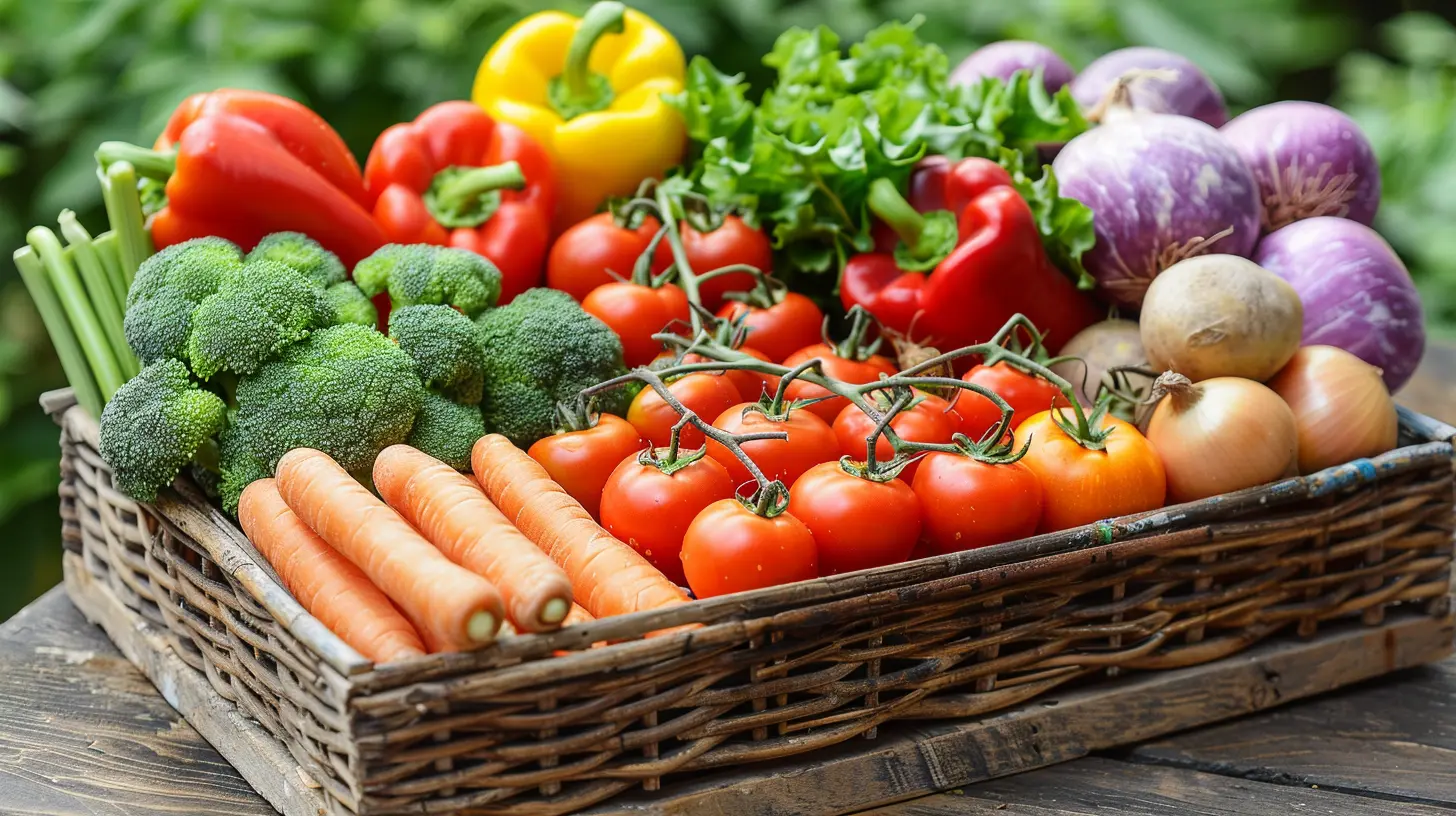
Smart Strategies for Healthy Eating on a Budget
1. Plan Your Meals Like a Pro
One of the easiest ways to cut food costs is meal planning. When you have a weekly meal plan, you avoid impulse buys, reduce food waste, and save both time and money.How to Meal Plan Effectively:
- Start with what you already have. Check your fridge, freezer, and pantry to see what ingredients you can use.- Choose simple, affordable meals. Stick to recipes with minimal ingredients. Rice, beans, eggs, and seasonal vegetables can go a long way.
- Plan for leftovers. Cook larger portions so you can repurpose leftovers for another meal (hello, money saver!).
- Make a grocery list and stick to it. This helps avoid unnecessary spending on things you don’t need.
2. Cook at Home More Often
Eating out or ordering takeout might seem convenient, but it adds up fast. A single meal from a restaurant can cost as much as an entire day's worth of home-cooked food.Home-cooked meals are:
✅ More nutritious
✅ More affordable
✅ Tailored to your family's tastes
Keep meals simple. You don’t need gourmet recipes to make a delicious, satisfying meal. A pot of hearty soup, a stir-fry, or a homemade casserole are budget-friendly and nutritious options.
3. Buy in Bulk and Stock Up on Staples
Buying certain foods in bulk can save you a ton of money. Staples such as rice, beans, lentils, oats, pasta, and flour are usually much cheaper when bought in bigger quantities.What to Buy in Bulk?
- Whole grains (brown rice, quinoa, oats)- Beans and lentils
- Nuts and seeds
- Frozen fruits and vegetables
- Spices and seasonings
Just make sure to store bulk items properly to prevent spoilage—airtight containers work wonders!
4. Embrace Affordable Protein Sources
Protein is essential, but let’s be honest—some sources, like steak and salmon, can be pricey. Luckily, there are plenty of affordable and healthy protein options:- Eggs – Packed with nutrients and super budget-friendly.
- Beans and lentils – Inexpensive, protein-rich, and versatile.
- Canned tuna or salmon – A great source of omega-3s without the hefty price tag.
- Chicken thighs instead of chicken breasts – More flavor at a lower cost.
- Peanut butter – A protein-packed pantry staple for snacks and meals.
5. Shop Smart: Best Budget Grocery Shopping Tips
The way you shop makes a huge difference. Here’s how to shop smarter:- Stick to a grocery list. Impulse buys are budget killers.
- Shop store brands. They’re often just as good as name brands but way cheaper.
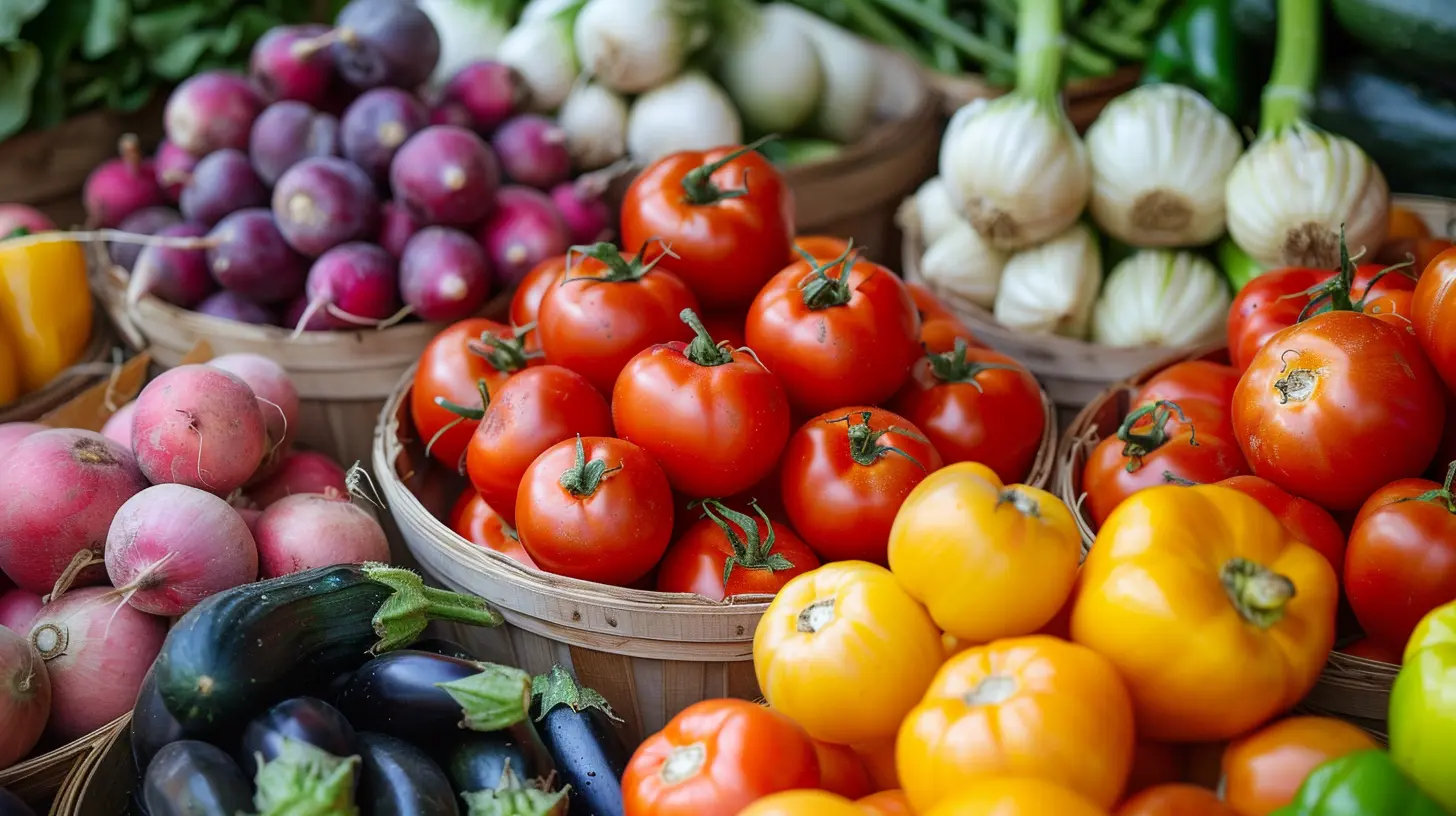
- Buy seasonal produce. It’s fresher, tastier, and more affordable.
- Check unit prices. Sometimes a larger package offers better value per ounce.
- Use coupons and cashback apps. Saving a few cents here and there adds up.
And one golden rule? Never grocery shop when you're hungry! That’s a surefire way to splurge on things you don’t need.
6. Reduce Food Waste
Did you know that the average family throws away hundreds of dollars worth of food each year? Prevent waste by:- Storing food properly to extend its shelf life.
- Using leftovers creatively to make new meals.
- Freezing extras so they don’t spoil before you can use them.
- Composting scraps to reduce waste even further.
A simple trick? Plan "leftover nights" where you use up whatever is left in the fridge instead of cooking a new meal.
7. DIY Snacks and Drinks
Pre-packaged snacks and sugary drinks are not only unhealthy but also expensive. A couple of store-bought granola bars or juice boxes can easily add up to big bucks over time.Instead, try these budget-friendly alternatives:
- Homemade popcorn (way cheaper than chips and just as satisfying)
- DIY smoothies (blend up frozen fruit and yogurt instead of buying expensive bottled ones)
- Homemade trail mix (mix nuts, seeds, and dried fruit)
- Boil your own tea instead of buying sugary drinks
Making small swaps like these can significantly reduce grocery costs while keeping your family healthier.
8. Grow Your Own Food (Even If You Have Limited Space!)
You don’t need a giant backyard to grow food. Even a small herb garden in your kitchen can save you money!Consider growing:
- Herbs like basil, cilantro, and parsley
- Leafy greens like spinach or lettuce in small containers
- Tomatoes and peppers in pots on a balcony or patio
Gardening isn’t just a great way to save money—it's also a fun, educational activity for the whole family.
9. Make Affordable Swaps
Sometimes, little changes can lead to big savings. Instead of buying expensive "health foods," choose affordable, nutrient-packed options.- Swap quinoa for brown rice
- Swap almond milk for regular milk
- Swap fancy protein powders for eggs or yogurt
- Swap pre-cut veggies for whole vegetables
Simple, right? These small adjustments can make a massive impact on your grocery bill. 
Final Thoughts: You Can Do This!
Eating healthy on a budget isn’t about depriving yourself—it’s about being smart with your choices. With a little planning, some smart swaps, and a bit of creativity, you can provide your family with nutritious, budget-friendly meals every day.Remember, it’s not about perfection—it’s about progress. Small, consistent changes will lead to big savings and better health in the long run.
So, grab your grocery list, sharpen your budgeting skills, and get ready to nourish your family without overspending!
all images in this post were generated using AI tools
Category:
Healthy EatingAuthor:

Tara Henson
Discussion
rate this article
2 comments
Avianna Frye
Feeding a family healthily on a budget isn't just about saving money; it's about cultivating a lasting relationship with food. By prioritizing nutrition and mindful choices, we empower our children to understand the value of wholesome eating—a gift that transcends generations.
February 25, 2026 at 4:39 AM
Tara Henson
Absolutely! Building healthy eating habits on a budget not only nurtures our bodies but also fosters a deep appreciation for food that can benefit future generations. Thank you for highlighting this important perspective!
Arianth Diaz
This article is a fantastic resource for parents looking to prioritize healthy eating without breaking the bank. The practical tips make meal planning manageable, and the focus on budget-friendly ingredients is especially helpful. A must-read for anyone wanting to nourish their family while being financially savvy!
February 9, 2026 at 5:05 PM
Tara Henson
Thank you for your kind words! I'm glad you found the tips helpful for budgeting and healthy eating.