How Divorce Shapes a Child’s View of Relationships and Love
11 May 2026
Divorce is one of those life events that can shake a family to its core. While the adults involved go through their own emotional storms, it’s the kids who often bear the silent weight. When parents separate, children don’t just lose the comfort of a united home—they also start to see love and relationships through a very different lens. Some may grow up second-guessing everything, while others form beliefs that affect their own romantic lives for years to come.
So, how exactly does divorce shift a child’s outlook on love, trust, and relationships? Let’s unpack this together.
The First Cracks: When the Foundation Starts to Shake
Imagine a child’s idea of love and relationships like a house built on a foundation. That foundation? It’s their parents' relationship. When divorce happens, it’s like a small earthquake—it shakes that base. Depending on how strong the building was (and how much repair work happens afterward), the house might sway a bit… or it could crumble.When a child's safe space starts to feel unstable, they might begin to question everything about how relationships work. “If Mom and Dad couldn’t make it, can anyone?” That’s a heavy thought for little minds.
Emotional Blueprint: How Kids Learn About Love
Kids don’t learn about love from textbooks. They learn it by watching the people closest to them. If a child grows up seeing affection, teamwork, and healthy communication, they naturally absorb those traits. But when they see anger, cold silences, or sudden goodbyes—they internalize that too.Divorce can alter that emotional blueprint. Some kids might link love with pain or rejection. Others might think that relationships are always supposed to end. It’s not always this dramatic, but even subtle shifts in behavior or emotional distance can leave a lasting impact.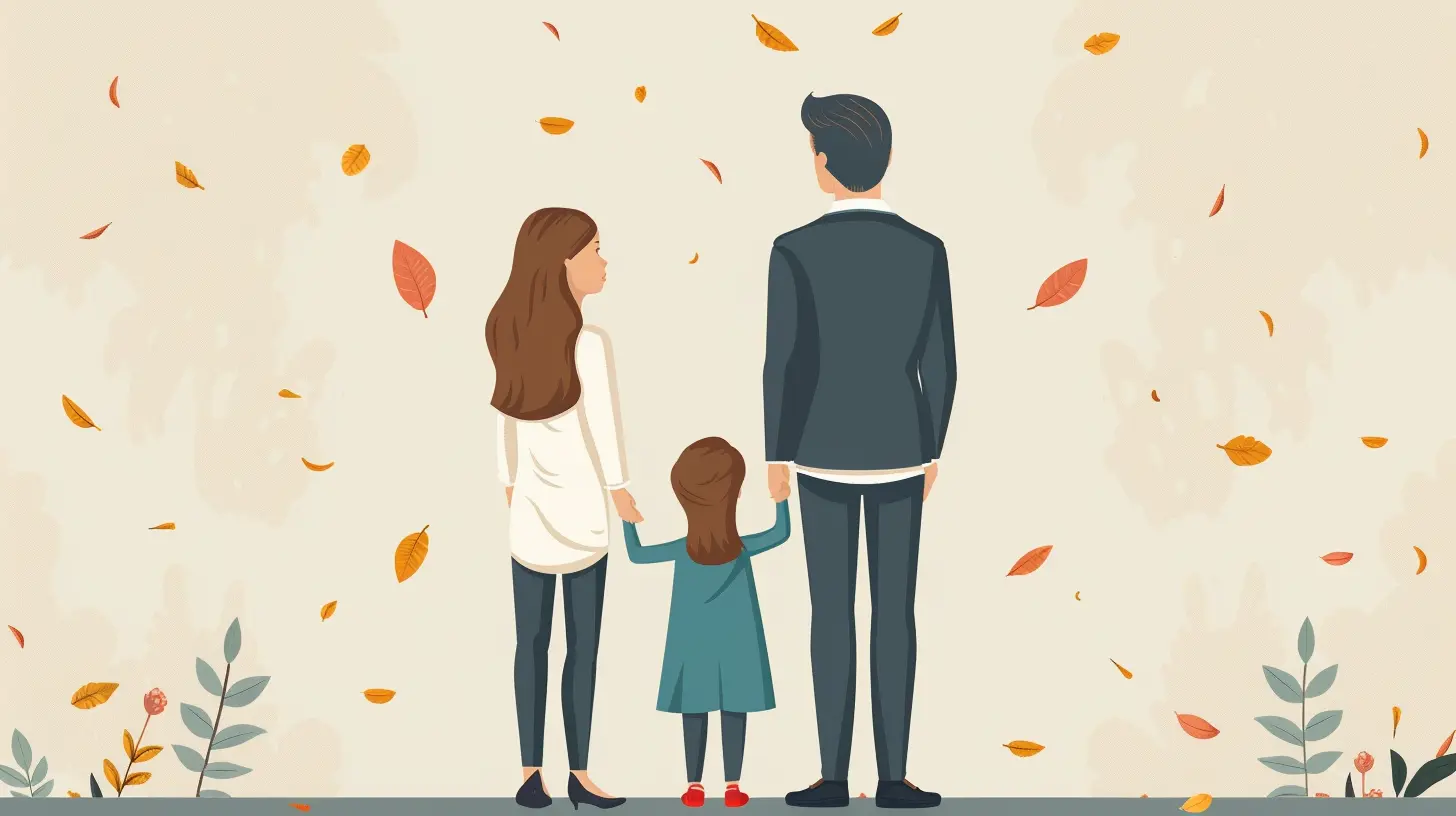
Trust Issues Start Early
Trust is like a bank account—you deposit into it through consistent actions, honesty, and love. During a divorce, those deposits can stop, or worse, withdrawals start happening. Arguments, broken promises, or one parent leaving the home can make a child feel abandoned or lied to.This is where trust issues can take root.
Later in life, that child might question their own partners. They may struggle to believe that love lasts, or they might always be waiting for “the other shoe to drop.” Their heart remembers what it felt like to be let down, and it becomes their defense mechanism.
Fear of Commitment or Clinginess: The Two Extremes
Here’s where it gets interesting—kids from divorced families often react in two opposite ways when it comes to love as adults:1. They Fear Commitment
They might keep their walls high and avoid serious relationships. Why? Because they’re terrified it’ll fall apart just like it did for their parents. They’d rather not risk heartbreak than experience it again.2. They Cling Too Tightly
On the flip side, some become overly attached. They fear being left, so they hold on too tightly. Every argument feels like the start of the end, and they might constantly seek reassurance.Neither extreme is healthy, and both stem from the emotional aftermath of divorce.
Modeling Conflict Resolution—or the Lack of It
Children don't just see love in action—they see how it's handled when things get hard. If their parents argue but then talk it out and make peace, kids learn that conflict doesn’t mean the end. But if the only resolution they ever saw was someone leaving, or issues being swept under the rug, they get a different message.They might never learn how to handle disagreement in a constructive way. That can either make them avoid conflict altogether (which isn’t realistic in any relationship) or escalate small issues into huge ones because they never learned healthy communication.
Redefining Love: The Child’s Internal Compass Changes
Post-divorce, kids often start redefining what love looks like. It’s not necessarily a bad thing—it’s just different. They may become more cautious, more observant, and more deliberate in how they approach relationships.In some cases, they learn that love isn’t about fairytales but about effort, compromise, and respect. That’s actually a valuable lesson. But getting to that point often involves a lot of emotional hurdles.
The Role of Age: It Matters When Divorce Happens
Let’s not forget: the age at which a child experiences divorce really matters.- Young Children (0-5 years): They might not understand what’s happening but sense the emotional tension. They could develop anxiety, separation fears, or behavioral issues.
- Tweens (6-12 years): At this stage, kids are more aware. They might blame themselves or pick sides. Their understanding of love starts to shift because they can process what’s happening around them.
- Teens (13-18 years): They often have stronger opinions and might act out. They are forming their own views on relationships just as they witness one falling apart. That timing can have serious implications for how they date or commit later on.
Gender Differences: Boys vs. Girls
While every child reacts differently, gender can play a role in how divorce affects relationship views.- Boys may bottle up emotions. They might act out externally through aggression or avoid talking about feelings. This emotional suppression can follow them into their romantic lives.
- Girls, on the other hand, may internalize their pain. They might become overly sensitive to signs of rejection or strive too hard to please a partner, fearing abandonment.
Again, this isn’t a hard rule—it’s just a general trend psychologists have observed over the years.
When Divorce Isn’t the Villain
Hold up—let’s be honest here. Not all divorces ruin kids. In many cases, divorce is a healthier option than a toxic, ongoing fight between parents. If handled with care, kids can actually come out of it more emotionally intelligent and resilient.What matters most is how the divorce is managed. Open communication, emotional support, and keeping kids out of the crossfire can make a HUGE difference.
When children see their parents treat each other with respect—even during a breakup—they learn that love can change shape without turning to hate.
Co-Parenting Makes or Breaks the Outcome
How the parents handle co-parenting post-divorce can either help the child heal… or reopen wounds again and again.- If both parents stay actively involved, maintain consistency, and speak kindly about each other (even when it’s hard), children feel secure and less divided.
- But if there's constant drama, blaming, or manipulation, the child gets stuck in the middle. That middle gets cold, lonely, and confusing fast.
The quality of the post-divorce relationship between parents is one of the strongest predictors of how the child will view future relationships.
Healing Is Possible: Rewriting the Script
If you’re a parent going through a divorce or already divorced, you might be feeling a bit heavy right now. But here’s the good news: the story isn’t over. Kids are incredibly adaptable. With the right support, they can grow up with a healthy, balanced view of love.Here are a few things that help:
- Therapy: Even just a few sessions with a child psychologist can give your kid tools to process their emotions.
- Honesty without oversharing: Kids don’t need all the adult details, but they do need truths tailored to their age level.
- Consistency and structure: Stability matters. A predictable routine helps a child feel safe again.
- Modeling healthy love: Whether it’s in a new relationship or with friends and family, show your child what healthy love looks like.
What Adult Children of Divorce Want You to Know
Many adults who grew up with divorced parents say the same things:- “I wish someone had explained that it wasn’t my fault.”
- “I wish I saw more compassion between my parents.”
- “It took me years to realize that I wasn’t doomed in my own relationships.”
Their experiences hold valuable insight. If your child is growing up amid a separation, give them the reassurance you wish you had. Let them know it's okay to feel confused. And remind them that love comes in all forms—and doesn’t always fade just because things change.
Conclusion: It’s Not the Divorce, It’s the Aftermath
Divorce doesn’t have to destroy a child’s belief in love. But it can leave scars if not handled thoughtfully. What shapes their future relationships isn't just the fact that a divorce happened—it's how it was navigated.So if you’re a parent in this situation, give yourself some grace. It’s hard. But it’s also a chance to teach your child valuable lessons about resilience, emotional honesty, and yes—even love.
Remember, kids will model what they see. Show them that relationships may not be perfect, but with effort, empathy, and understanding, they can still be meaningful and long-lasting.
all images in this post were generated using AI tools
Category:
Divorce And KidsAuthor:

Tara Henson
Discussion
rate this article
1 comments
Petra Hurst
Divorce can be tough on kids, shaping their views in unexpected ways. It's important to show them love and support through the process. Open conversations can really help them feel secure as they navigate these changes.
May 16, 2026 at 2:39 AM
Tara Henson
I completely agree. Love and communication are key in helping kids adjust. They need that support to form healthy views on relationships.