How Shared Experiences Strengthen the Parent-Child Bond
25 June 2026
Ever wonder why some families just click? Like they share a secret language that makes their connection unshakable? It turns out, it’s not always about grand gestures or being a perfect parent. The real magic? Shared experiences. Those moments, big or small, where you and your child navigate life together. That’s where the real bond is built.
In this article, we’re peeling back the layers behind the emotional glue that holds parents and kids close. You’ll walk away with a deeper understanding of why doing things with your child—not just for them—matters, and how those shared moments can transform your relationship in ways you never saw coming.

What Are Shared Experiences, Really?
Let’s start with the basics.Shared experiences are moments—planned or spontaneous—that you and your child go through together. Think family game nights, bedtime stories, road trips, baking disasters, camping under the stars, shopping for school supplies, or even assembling IKEA furniture (frustrations and all).
These aren’t just time fillers. They’re memory makers.
And here’s the kicker: it’s not the grandeur of the activity that counts. It’s the emotional connection you build during those moments. The inside jokes. The teamwork. The sudden heart-to-hearts when you least expect them.

The Science Behind Bonding Through Shared Moments
Now, let’s sprinkle in a little brain science—don’t worry, we won’t get too nerdy.When we experience joy, excitement, or even stress with someone else, our brains release a cocktail of bonding chemicals—namely oxytocin, also known as the “love hormone.” This isn’t just some romantic fluff. Oxytocin literally helps reinforce trust and emotional closeness between people.
With kids, shared experiences create a strong emotional memory tied to connection and safety. That means next time your child’s in trouble, they’re more likely to turn to you because their brain remembers those secure moments with you.
You’re not just building memories—you’re building trust pathways in their brain. That’s some powerful stuff.

Why Bonding Matters More Than Ever
Let’s be real—modern life is a circus. We’re juggling a thousand things, from work deadlines to laundry mountains, all while trying to keep our kids happy, healthy, and somewhat sane.But here’s the truth: without intentional connection, relationships can drift.
Kids grow fast, and before you know it, they’re teens with earbuds in, locked in their rooms and communicating through grunts. Unless you’ve laid the groundwork earlier, reconnecting during those years can feel like trying to download a movie on dial-up internet.
Shared experiences lay the foundation now for a lifelong connection. They let your child know, “I'm here. I see you. We’re in this together.”
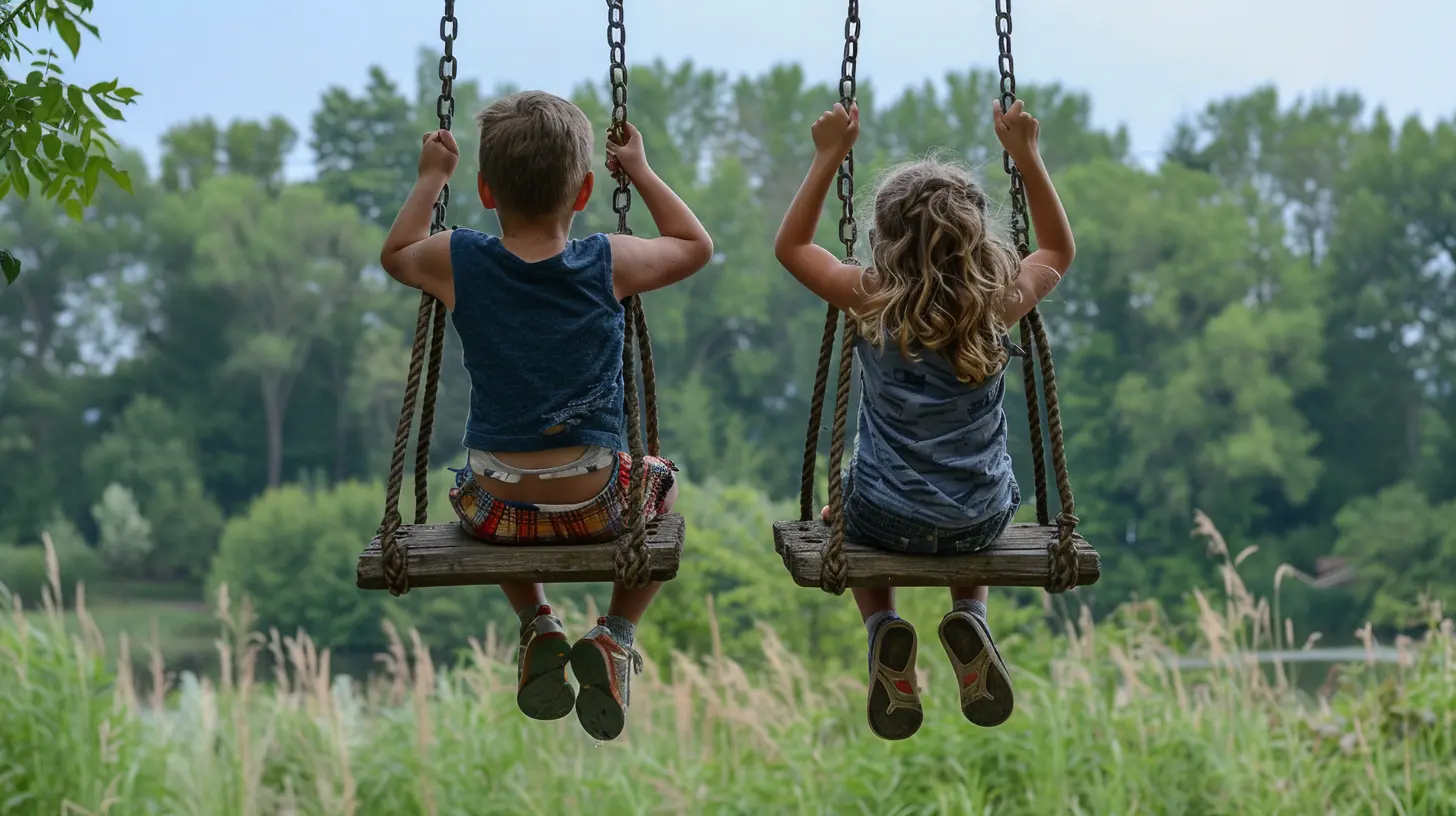
Types of Shared Experiences That Strengthen the Bond
You don’t need an exotic vacation or a Pinterest-worthy family craft night (though those are fun, too). It’s about meaningful presence over perfection.1. Daily Rituals That Build Routine and Connection
Routines are underrated. Seriously.- Brushing teeth together every night
- Saying goodnight with a secret handshake
- Cooking breakfast on weekends
- Taking a short walk after dinner
These rituals become anchors. Life is chaotic, but these little “us” moments provide consistency and connection.
2. Adventures That Create Lasting Memories
Could be camping in the backyard or a cross-country road trip. Doesn’t matter. When you explore together, you build a shared narrative.Every photo, every laugh, every misstep becomes part of your family story. And kids? They remember everything, especially when it’s wrapped in an adventure.
3. Learning Together Builds Mutual Respect
Help them master a skateboard trick. Learn to paint. Try a new language.When you position yourself as a fellow learner, not just a teacher, something amazing happens: your child sees you as someone who’s trying, struggling, and improving—just like them. That fosters empathy, humility, and mutual respect.
4. Creative Projects That Spark Teamwork
Build a LEGO castle. Write a short story together. Make a DIY birdhouse.These allow for playful collaboration and let your child’s creativity shine. When they feel like their ideas matter, confidence skyrockets. And you? You get to witness their little minds at work. Win-win.
5. Volunteering That Teaches Compassion
Want to nurture values without sounding preachy? Volunteer together.Whether it’s cleaning a park, donating old clothes, or feeding shelter animals—working together for a greater cause gives your child a sense of purpose and compassion. And seeing you care sets a powerful example.
The Mysterious Lift Shared Experiences Give Us
Here’s where it gets a bit magical.Ever notice how time seems to pause during certain moments? Like lying on a blanket with your kid, spotting shapes in clouds. Or laughing uncontrollably over a messed-up pancake flip.
These moments aren’t just cute. They’re soul cement.
They create a kind of invisible tether between you and your child. Something that doesn’t fray easily, even when life gets messy.
And the mystery? Sometimes, it’s the smallest shared moments that leave the deepest impact.
It’s Not About Quantity—It’s About Quality
We often feel pressured to spend more time with our kids. But that’s not always realistic.The secret sauce? Intentional time.
Be there. Be present. Put the phone away. Ask questions. Laugh. Listen without rushing.
Whether it’s a five-minute chat in the car or ten minutes before bedtime, those tiny windows of focused presence often mean more than an entire day at an amusement park where you’re distracted every other second.
Real Talk: What If You're Struggling to Connect?
Hey, we get it. Sometimes, no matter how hard you try, the connection feels a little...off. Life's busy. Emotions run high. Kids push boundaries. And let’s be honest—sometimes parenting just feels like a never-ending to-do list.But here’s the hope: it’s never too late to reconnect.
Start small:
- Ask open-ended questions (“What made you laugh today?”)
- Invite them to help with something (“Wanna help me taste test cookies?”)
- Try something new together (“Let’s attempt yoga...and fall over laughing.”)
The key? Show up. Again and again. Imperfectly, maybe. But consistently.
Bonding Through Challenges
Not all shared experiences are sunshine and unicorns. Sometimes, the deepest bonds form during tough times.Maybe your child struggled with a bully, had a meltdown, or is navigating anxiety. When you walk that road side-by-side, you become their safe harbor.
Being there through struggle tells your child, loud and clear: “I’m not just here for the good times. I’m here. Period.”
That kind of loyalty? Unbreakable.
Let Them Lead Sometimes
Here’s a challenge: let your child pick the activity.Give them control. Let them teach you something. Whether it’s a video game, a dance move, or a TikTok trend, step into their world.
This flips the script. It shows them their world matters to you. That they matter to you.
How Shared Experiences Help at Every Age
Let’s break it down:- Toddlers: They light up when you’re on their level. Literally. Sit on the floor. Build blocks. Mimic their silly dances.
- Grade-schoolers: Adventure and play rule here. But so does conversation. Ask about their dreams, not just grades.
- Teens: This is the trickiest stage—and the most vital. Shared experiences become less about activities and more about being available. Show up, even when they act like they don’t want you to. They do. Trust us.
- Young Adults: Those shared experiences you banked early on? They become nostalgic treasures that keep your relationship alive even when geography or life pulls you apart.
Final Thoughts: Your Presence Is the Present
In the end, your child won’t remember every toy you bought or every rule you enforced.But they will remember how you made them feel. Whether they felt seen, heard, and cherished.
Shared experiences create those feel-good moments that grow into lifelong attachment. They don’t require money, or perfection, or endless time. They just require you.
So go ahead—start a new tradition, tackle a silly project, or simply ask your kid what they want to do this weekend.
Give them your presence now, and watch it pay off in connection for a lifetime.
all images in this post were generated using AI tools
Category:
Parental InvolvementAuthor:

Tara Henson
Discussion
rate this article
1 comments
Alana Romero
I wonder how different shared experiences shape a child's perspective. What unique moments have you found most impactful in your relationship?
June 25, 2026 at 4:01 PM
Tara Henson
Shared experiences like family hikes or cooking together create lasting memories and help children see the world through different lenses. One impactful moment for me was a simple picnic; it sparked deep conversations and strengthened our connection.