How to Create a Structured After-School Routine
20 March 2026
Let’s be real—those post-school hours can feel like organized chaos wrapped in snack crumbs and homework folders. One minute your kiddo is walking through the door, and the next, they’re bouncing off the walls, asking for snacks, melting down over math homework, and searching for three different colored pencils simultaneously. Sound familiar?
You’re not alone, friend. That magical window between the end of school and bedtime is often a battlefield for parents. But here’s the good news: creating a structured after-school routine can turn the chaos into calm. Yes, really!
In this article, we’ll dive into the hows, whys, and little nuggets of wisdom to help you build an after-school routine that works for your family—without losing your mind.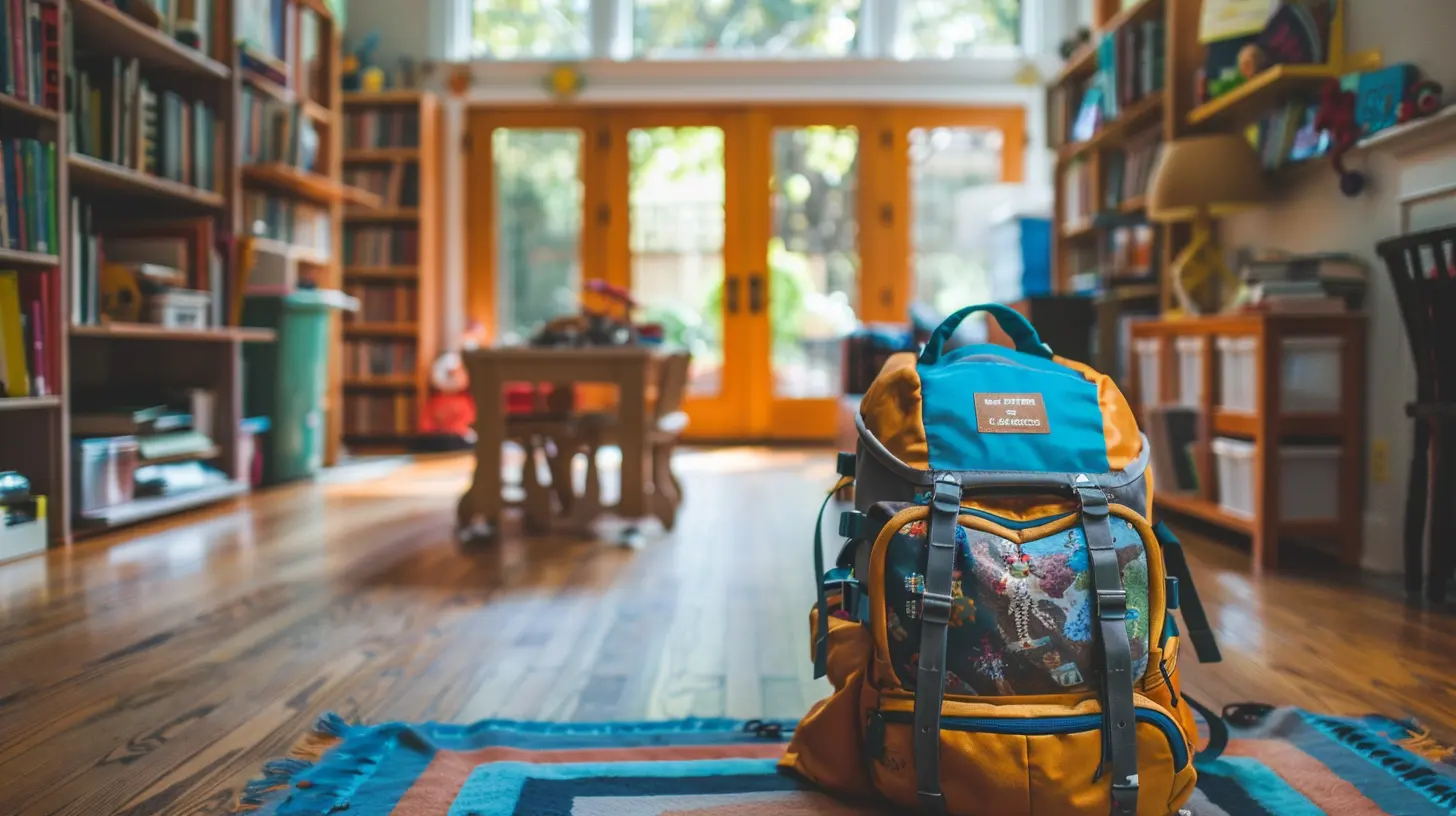
Why an After-School Routine Matters
Before we start plotting out time slots and color-coordinating schedules, let’s talk about why having a routine after school is a total game-changer.Kids thrive on predictability. When they know what to expect, they feel safe and in control. That sense of structure helps reduce anxiety, improves time management, strengthens independence, and—bonus!—leads to fewer meltdowns (for everyone involved).
Think of a routine like rails for a train. Without them, the train goes nowhere—or worse, goes off the rails. With them, your evening stays on track, even through winding homework tunnels and snack stop detours.
Step 1: Start with a Wind-Down Ritual
Transitioning from school-mode to home-mode is hard, especially after a full day of following rules, sitting still, and staying focused. So the first step? Let them decompress.Ideas for a Wind-Down:
- Snack and chat time: Have something ready when they walk in—a banana, a sandwich, some crackers. Sit together and talk about their day. Not an interrogation, just a chill chat.- Quiet play or reading corner: Set up a cozy spot with books, puzzles, or calming toys.
- Movement break: Let them run around, jump on the trampoline, dance, or ride their bike for a few minutes.
This little buffer gives them space to mentally clock out of school and reset at home.
Step 2: Set a Consistent Schedule
Routine equals rhythm. Setting a consistent after-school schedule might feel rigid at first, but once it's part of your family’s flow, it’ll feel like second nature.Here’s a sample schedule you can tweak to fit your crew:
| Time | Activity |
|----------------|------------------------------|
| 3:00 - 3:30 PM | Snack + Wind-down activity |
| 3:30 - 4:30 PM | Homework + Study time |
| 4:30 - 5:00 PM | Free play / Outdoor time |
| 5:00 - 5:30 PM | Chores or Creative activities|
| 5:30 PM onward | Dinner prep + family time |
The goal isn’t to micromanage every second—it’s to set a predictable rhythm that helps your child feel in control and supported.
Step 3: Make Homework Time Hassle-Free
Okay, I know this is the moment many of us dread. Homework battles are real, but there are ways to make this less of a tug-of-war and more of a team mission.Tips to Master Homework Time:
- Create a homework station: A specific spot with school supplies, good lighting, and zero distractions. No TV, no toys.- Set a timer: Kids love a race! Try using a timer for 15-to-25-minute work sessions with short breaks in between.
- Stay nearby: Your presence can be comforting, even if you’re just folding laundry in the same room.
- Praise effort, not just results: Celebrate the small stuff. Finished a worksheet without whining? That’s a win!
Make it a team thing. Offer support, and let them know you’re in it with them, not against them.
Step 4: Weave in Responsibilities
Kids feel empowered when they’re given age-appropriate chores. It builds confidence and a sense of responsibility, plus it gives them ownership of their space and time.Start small: setting the dinner table, feeding the pet, or tidying up their backpack. Add it to the routine so it becomes second nature, like brushing their teeth or asking for more snacks (you know that’s built-in already!).
Step 5: Encourage Creative and Physical Play
After all that brain work, kids need time to blow off steam. Whether it’s outside or indoors, scheduled play is essential for happier and healthier evenings.A few fun ideas:
- Art Time: Set up a “creation station” with crayons, paper, clay, or paints.- Dance Party: Crank up the tunes and let loose in the living room.
- Lego or Puzzle Breaks: Great for winding down while still engaging minds.
- Imaginative Play: Dress-up bins, action figures, or even putting on little plays.
Playtime isn’t wasted time—it fuels creativity, boosts mood, and helps kids recharge.
Step 6: Use Visual Aids
Kids are visual learners, which means a colorful schedule or routine chart can work like magic. It helps them see what’s coming next and gives them a sense of independence.Make a simple after-school routine chart with pictures or stickers. You can even use a dry-erase board for older kids to adjust their own schedule. It’s like giving them a GPS for their evening!
Step 7: Be Flexible (It’s All About Balance)
Let’s be real—life happens. Soccer practice runs late, the toddler has a tantrum mid-snack, or your kid just isn’t feeling it. That’s okay.The routine is a guide, not a rule book carved in stone. Be flexible. If something starts feeling like a daily battle, tweak it. The goal is structure, not stress.
Step 8: Celebrate Wins (Even the Tiny Ones)
Did your child sit through homework time without whining? High five. Did they remember to put away their shoes without being asked? Cue the confetti cannon.Celebrate the good stuff. Positive reinforcement does wonders. It builds self-esteem, reinforces routines, and makes the whole process more fun for everyone.
Use praise, stickers, or a reward jar. The more joy you bring into the routine, the more your child will embrace it.
Quick Tips to Keep in Your Back Pocket
- Prep the Night Before: Lay out clothes, pack lunches, sign permission slips. Future-you will thank past-you.- Limit Screen Time: Save it for after homework and chores. It’s the ultimate motivator.
- Keep Communication Open: Ask your child what parts of the routine they enjoy or want to change.
- Use Checklists: They make kids feel accomplished (and they’re super satisfying to cross off).
- Be Consistent, Not Perfect: Some days will go smoothly, others... not so much. That’s parenting, baby!
Real Parent Talk: My Routine Success Story
I have three kids, all with wildly different personalities—and attention spans. Our evenings used to be a scrambled mess of tantrums, TV fights, and late-night homework panic.Then I introduced a simple after-school routine. It started with just setting snack time in stone. From there, we added a homework slot, then playtime, then dinner together at a consistent hour.
Now? We’re not perfect, but we’re peaceful. My 8-year-old even reminds me when it’s time to start chores. (Who knew that was possible?)
Little changes = big peace.
Wrapping It Up
Creating a structured after-school routine isn’t about becoming a drill sergeant. It’s about adding rhythm and predictability to the crazy dance of family life. It helps kids feel safe, grounded, and empowered—and it gives parents a much-needed break from the stress of wondering “what now?” every single evening.So start small, build gradually, and don’t forget to have a little fun with it.
Because when your home runs like a well-oiled (but cozy and snack-filled) machine, everyone wins.
all images in this post were generated using AI tools
Category:
Parenting AdviceAuthor:

Tara Henson
Discussion
rate this article
2 comments
Rina McPhail
Structured routines? Yes, please! Because chaos is for toddlers, and I've got a busy life to manage!
March 29, 2026 at 3:13 PM
Tara Henson
I totally get that! A solid routine can really help keep things on track. Here are some tips to make it work for you.
Drift West
Establishing a structured after-school routine fosters stability and security for children. Consistent schedules enhance time management skills, promote responsibility, and balance academic and recreational activities. Incorporating flexibility allows for adaptability, ensuring the routine meets the evolving needs of each child.
March 22, 2026 at 3:48 PM
Tara Henson
Thank you for highlighting the importance of structure and flexibility in after-school routines! Balancing consistency with adaptability is key to supporting children’s development.