How to Keep Your Baby Safe During Travel
28 July 2026
Let’s be honest: traveling with a baby can feel a bit like packing up base camp and trekking across the Himalayas. Between the gear, the logistics, and the extra "what ifs" running through your mind, it’s enough to make even the most seasoned parent break a nervous sweat. But keeping your baby safe during travel? That should never be the part that overwhelms you.
Whether you're hitting the road, catching a flight, or hopping on a train, there are simple, stress-busting ways to keep your little one safe, sound, and smiling (most of the time). So grab a cup of coffee—or maybe two—and let’s dive deep into how you can make your next trip with baby a safe and smooth adventure.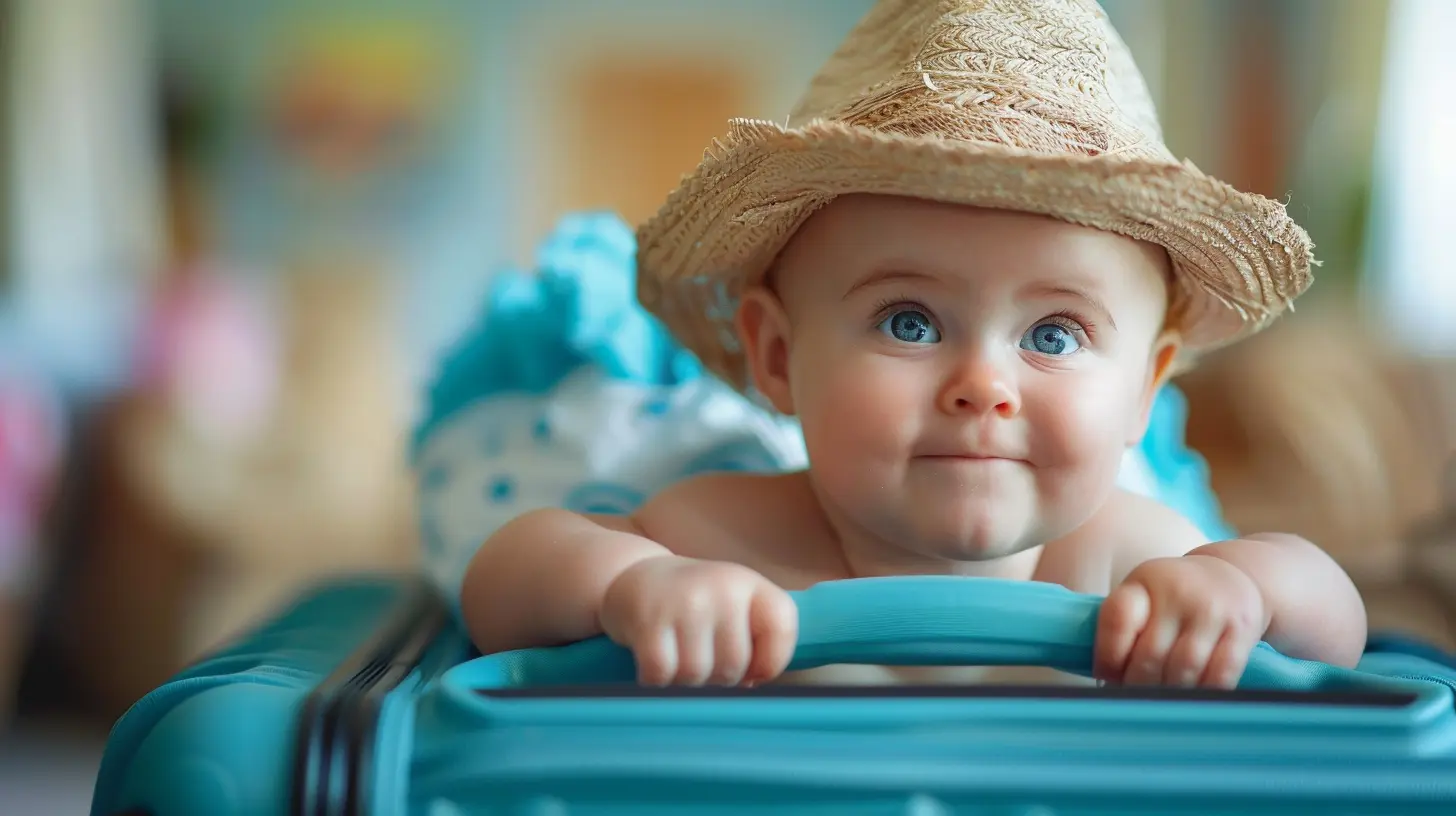
Table of Contents
1. Pre-Travel Planning: Safety Starts Before You Leave2. Choosing the Right Car Seat
3. Flying with Baby: Air Travel Safety Tips
4. Traveling by Train or Bus
5. Safe Sleep on the Go
6. Health and Hygiene Essentials
7. Baby-Proofing Your Travel Destination
8. Handling Emergencies: Be Ready, Not Scared
9. Packing List for Baby Travel Safety
10. The Bottom Line: Safety First, Always
Pre-Travel Planning: Safety Starts Before You Leave
Before you even zip up your suitcase, take a deep breath. Safety starts way before you hit the road.Ask yourself: What’s the temperature like where you’re going? Will there be access to clean water and a pharmacy? Are vaccinations needed? Scope out emergency contacts at your destination, check for pediatricians nearby, and save the local emergency number in your phone.
Also, make copies of important documents. Baby’s birth certificate, health insurance, pediatrician’s contact info—keep both digital and physical versions handy. It sounds like overkill, but trust me, it’ll bring peace of mind later.
Pro Tip: Download offline maps in case cell service is spotty. You don't want to be stranded in a foreign place with a hungry baby and no Google Maps.
Choosing the Right Car Seat
Buying baby gear can feel like you're preparing for a NASA mission—but when it comes to the car seat, it’s a non-negotiable safety item.✅ What to Look For:
- Rear-facing for infants under 2 years old- Meets Federal Safety Standards (or your country’s equivalent)
- Appropriate for your baby’s height and weight
- Easy to install and compatible with your travel vehicle
Don’t eyeball it—read the manual. Seriously, no one loves flipping through instructions but understanding how the seat works could literally save your baby’s life.
Rental Car? Double-check that your car seat fits before hitting the gas. Not all seats are universal.
Flying with Baby: Air Travel Safety Tips
Air travel with a baby can feel like playing a game of chess—one wrong move and it’s meltdown central. But staying safe on a flight? Completely doable with a little prep.✈️ Use an FAA-Approved Car Seat
Holding your baby in your lap may be allowed, but it's not the safest. The FAA and pediatricians recommend using a car seat that’s certified for airplane use.? Best Time to Fly?
Morning flights tend to be smoother (and less crowded). Book direct flights if possible to reduce layovers and fuss.? Ears Popping?
Bring a pacifier or plan to nurse or bottle-feed during takeoff and landing—it helps equalize ear pressure.? Clean, then Clean Again
Bring sanitizing wipes for tray tables, armrests, and anything baby might gnaw on. Airplanes aren’t exactly the poster child for pristine.Traveling by Train or Bus
Not all travel is by car or air. Trains and buses offer convenience, but still come with their own safety checks.- Use a travel stroller with a strong brake.
- Avoid aisle seats if the vehicle gets crowded or bumpy.
- Keep your baby strapped in when you’re not holding them.
- Be cautious near doors and steps—those quick stops can catch you off guard.
And remember—always keep your baby within arm’s reach. Even a second of distraction is one too many.
Safe Sleep on the Go
Babies need sleep like cars need gas. But let’s face it: napping in new places isn’t always easy—or safe.?️ Key Sleep Safety Tips:
- Avoid letting baby sleep in your arms for long extended periods, especially if you’re also dozing off.- Use a portable crib or bassinet that meets safety standards.
- Never put baby to sleep on soft surfaces like hotel beds, couches, or air mattresses.
- Keep blankets, pillows, and stuffed toys out of the crib.
This isn’t about being paranoid—it’s about sticking to safe sleep guidelines even when you’re away from home sweet home.
Health and Hygiene Essentials
You know those magic trick videos where someone pulls 47 things out of a tiny bag? That’s you now. Pack a mini health kit with:- Thermometer
- Baby-safe pain reliever
- Teething gel if needed
- Band-aids and antiseptic wipes
- Diaper rash cream
- Hand sanitizer (but keep it out of baby’s reach)
- Extra pacifiers (because one WILL fall on the ground)
Also, don’t forget enough diapers and wipes for travel delays. Delays with a diaper blowout? That’s nightmare fuel.
Baby-Proofing Your Travel Destination
Your hotel room is not baby-proof—even if it’s five stars.? Baby-Proofing Must-Dos:
- Cover electrical outlets (you can use painter’s tape in a pinch)- Move breakables and choking hazards out of reach
- Block off stairs
- Check that cribs meet safety standards (bring your own if you can)
- Keep windows locked and cords from blinds tied up
Some parents even travel with a roll of masking tape and zip ties to quickly baby-proof on the go. It’s not overkill—it’s genius.
Handling Emergencies: Be Ready, Not Scared
Look, no one wants to think about emergencies. But if you’re prepared, it becomes way less scary.Here’s your cheat sheet:
- Know where the nearest hospital or urgent care is
- Keep pediatrician’s number on speed dial
- Learn basic infant CPR (just in case)
- Pack an "emergency" kit in your diaper bag with essentials like infant fever meds, extra formula or milk, and copies of your baby’s medical info
And always trust your gut. If something feels off—ask for help. Better to worry and be wrong than wait and be sorry.
Packing List for Baby Travel Safety
Ready to pack like a pro? Here’s your Master List of Safety Must-Haves:- FAA-approved car seat
- Portable crib or play yard
- First aid and hygiene kit
- Extra formula/breast milk and feeding supplies
- Baby carrier or ergonomic travel stroller
- Blankets for layering safely (not bulky comforters)
- Outlet covers and baby-proofing supplies
- Travel high chair or booster seat
- Identification and emergency contacts
- Baby monitor (for naps in the hotel room)
Bonus: Pack two changes of clothes—for both you and baby. Spit-up and blowouts don't care if you’re at 30,000 feet.
The Bottom Line: Safety First, Always
Traveling with a baby isn’t easy, but it is completely doable. At the end of the day, it’s not about being perfect—it’s about being prepared.When you plan ahead, bring the right gear, and follow a few golden rules, you’ll set yourself (and your little one) up for a safer, smoother journey. And hey—don’t forget to snap some pictures along the way. Because even the most exhausting travel days become cherished memories down the road.
So the next time you’re stressing about that trip? Take a deep breath. You’ve got this—and your baby’s got you.
all images in this post were generated using AI tools
Category:
Baby CareAuthor:

Tara Henson