How to Manage Your Baby’s First Fever
4 January 2026
Let’s be honest—your baby’s first fever can be downright terrifying. You’re holding this tiny human you love more than life itself, and suddenly they feel hotter than usual, maybe even a little fussier, and your parent radar goes haywire. Should you panic? Rush to the ER? Call Grandma?
Take a deep breath. It's going to be okay.
Fever in babies is pretty common, especially in the first year. It's usually the body’s way of saying, “Hey, I’m fighting off an invader.” But knowing that doesn’t make it any less scary, especially when it’s your first rodeo. So let’s break it all down—what causes fevers, what signs to look for, when to worry, and the best ways to keep your little one comfy.
What is a Fever in Babies?
A fever isn't a disease. It’s a symptom—the body's natural response to fighting off an infection, kind of like cranking up the heat in the oven to cook out the bad stuff.In babies, a fever is usually defined as a body temperature of:
- 100.4°F (38°C) or higher if taken rectally
- 99.5°F (37.5°C) or higher if taken under the arm
- 100°F (37.8°C) or higher for oral readings (though not common in infants)
Most pediatricians agree that rectal temperatures are the most accurate for infants under 3 years old, so if you're serious about tracking their temp, invest in a good rectal thermometer. Sounds intimidating? Don’t worry—we'll cover how to take it safely in a bit.
What Causes a Fever in Babies?
Honestly? Most of the time, it’s not something to panic over. Some common reasons your baby may spike a fever include:- Viral infections – like the common cold or flu
- Bacterial infections – such as ear infections or urinary tract infections
- Immunizations – Some babies run a mild fever after getting vaccinated (completely normal)
- Overheating – Too many blankets or clothing layers can warm them up excessively
- Teething – While teething may cause a slight rise in temperature, it’s rarely over 100.4°F
So if your baby just had shots or is battling a little cold, that mild fever could just be their body doing its job.
When Should You Worry?
Okay, here's the part every parent wants to know: when to pick up the phone and call the doctor. In general:Call your pediatrician IMMEDIATELY if:
- Your baby is under 3 months old with a rectal temperature of 100.4°F (38°C) or higher- They have a fever that lasts more than 24 hours
- They’re unusually sleepy, hard to wake, or very irritable
- They’re refusing to eat or drink
- They’re showing signs of dehydration (dry mouth, no tears, fewer wet diapers)
- They’re having trouble breathing
- There’s a rash that doesn’t fade when you press it
For babies between 3 to 6 months, you should still touch base with your doctor if the fever hits 102°F (38.9°C) or higher, or if you're just feeling unsure.
Parental instincts are legit. If your gut says something isn’t right, make the call.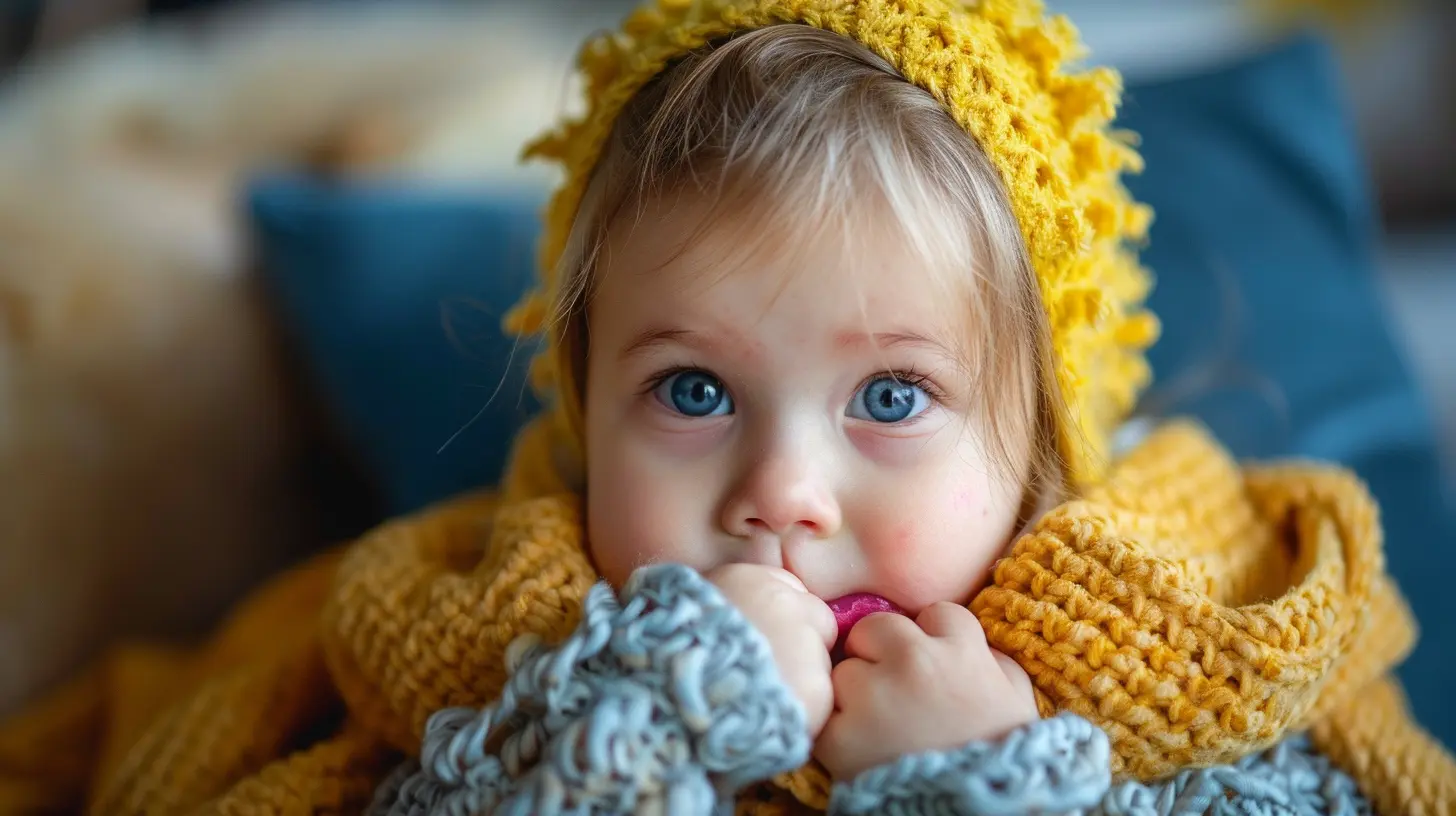
How to Take Your Baby’s Temperature
Yes, we’re going there. Taking your baby’s temp might feel super awkward at first, especially if you're using a rectal thermometer, but once you’ve done it a couple of times, it’ll be just another parenting skill in your toolbox.Here’s the step-by-step:
1. Clean the thermometer tip with rubbing alcohol or soap and warm water.2. Apply a little petroleum jelly to the tip to make it smooth.
3. Lay your baby on their back, lifting their legs gently toward their chest (like a diaper change).
4. Insert the thermometer about half an inch into the rectum, not more.
5. Hold it in place until it beeps (usually 10 seconds or so).
6. Read the temperature and comfort your baby with snuggles.
Pro tip: Don’t rely on forehead strips—they’re convenient but not very accurate for infants.
How to Comfort a Feverish Baby
Your baby’s fighting off something, and your job is to play nurse, comforter, and snack provider all at once. Here’s how to help:1. Keep Them Comfortable
Skip the layers. Dress your baby in light, breathable clothes and make sure their room isn’t too warm. A light swaddle or sleep sack works fine.2. Offer Plenty of Fluids
Fevers can be dehydrating. If your baby is breastfeeding or bottle-feeding, offer feeds more often. Older babies might accept a little water (if they’re over 6 months).3. Use Fever-Reducing Medications (If Needed)
For babies over 3 months, you can use infant acetaminophen (like Tylenol) to reduce discomfort. For babies over 6 months, ibuprofen (like Motrin) is another option. Always double-check the correct dosage with your doctor or pharmacist based on your baby’s weight.One thing to avoid? Aspirin. It’s a no-go for kids under 18 due to a rare but serious condition called Reye’s syndrome.
4. Don’t Force Food
Loss of appetite is common during fevers. If they’re not interested in solids, let it slide. Hydration is the bigger priority.5. Monitor Symptoms
Check their temperature a few times a day, but don’t obsess over the number. If your baby is alert, feeding well, and having wet diapers, you’re probably in the clear.Common Myths About Baby Fevers—Busted
Let’s clear up a few fever fibs floating around:❌ Myth: All fevers are dangerous.
Nope. Mild to moderate fevers (especially under 102°F) are usually harmless and actually help fight off infections.❌ Myth: You should always rush to the ER.
If your baby is under 3 months and has a fever, yes. Otherwise, trust your instincts and call your doc if something feels off.❌ Myth: You need to "break" the fever.
Fevers aren’t the enemy. They're a sign your baby’s immune system is working. You don't always need to bring the number down unless your baby seems really uncomfortable.❌ Myth: Teething causes high fevers.
Teething might cause a mild temp elevation, but anything over 100.4°F is likely something else.What to Pack If You Head to the Doctor
Sometimes, you’ll need to see the doc in person. Here’s a little checklist for your diaper bag:- A record of your baby’s temperature readings
- List of symptoms and when they started
- Any medications given and when
- Diapers, wipes, pacifier, change of clothes
- Extra bottle or snack (if age-appropriate)
- Health insurance card and ID (you’ll thank yourself later)
When the Fever Breaks: What’s Next?
Ahhh, that sweet moment when your baby’s temp finally drops—and they start smiling again. Huge relief, right?But don’t let your guard down just yet. Continue to keep them hydrated and rested. Sometimes fevers can spike again, especially during viral illnesses. Make sure they get lots of snuggles and downtime.
And hey, give yourself some credit too. You just navigated one of parenting's first true trials by fire (literally). You're doing great.
Final Thoughts
Managing your baby’s first fever can feel like walking a tightrope without a net. There’s fear, concern, and a whole lot of Googling (we’ve all been there at 2 a.m.). But with a calm approach, a little knowledge, and a lot of parental love, you can absolutely handle it.Remember, every baby is different. Some bounce back quickly, some want extra cuddles and sleep. Stay observant, stay connected to your pediatrician, and lean on your parent village if you need support.
Most of all, trust yourself. You’ve got this.
all images in this post were generated using AI tools
Category:
Baby CareAuthor:

Tara Henson
Discussion
rate this article
2 comments
Maisie McNeal
Every parent’s nightmare! Remember, love and cuddles go a long way in comfort. ❤️
January 26, 2026 at 3:41 PM
Tara Henson
Absolutely! Love and cuddles provide both comfort and reassurance during challenging times. ❤️
Noah Sawyer
Thank you for this informative article! Navigating a baby’s first fever can be overwhelming for new parents. Your practical tips and gentle reassurances are incredibly helpful. It’s comforting to know that we’re not alone in this journey. I appreciate the support and understanding shared here!
January 6, 2026 at 5:17 PM
Tara Henson
Thank you for your kind words! I'm glad you found the tips helpful. You're definitely not alone on this journey!