Humor in Children’s Literature: Why It Matters
3 June 2026
Remember the first time you saw your child giggle over a book? Maybe it was a funny picture. Maybe it was a silly word like "booger" or "underpants." Whatever it was—boom! Laughter. That little chuckle? It's more than just cute. It's a sign that your kid is connecting, engaging, and—even better—learning.
Humor in children’s literature isn't just fluff or filler. It plays a huge role in how kids grow, read, think, and interact with the world. Let's dive into why humor is such an important ingredient in the stories that light up our kids' faces (and imaginations).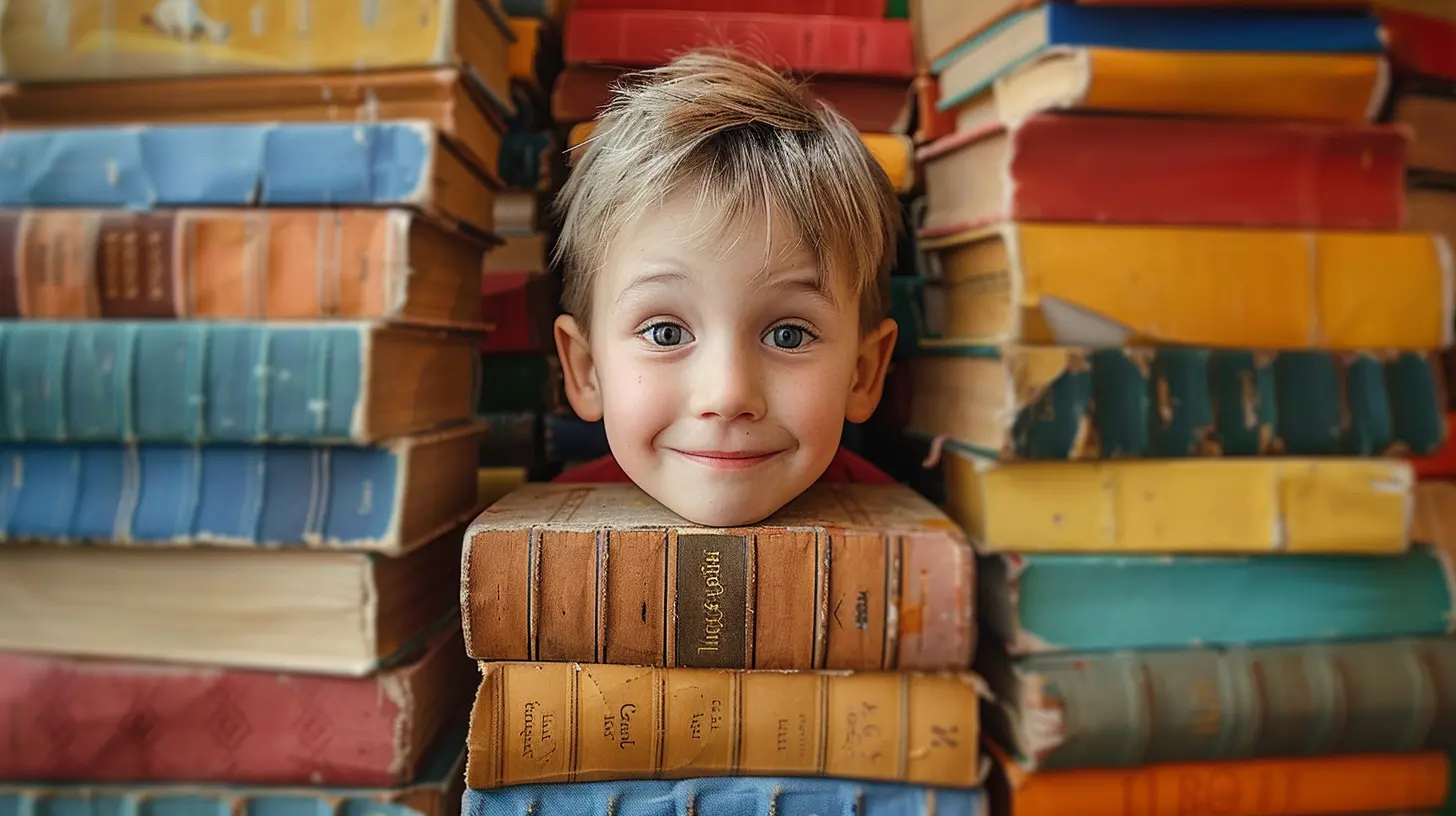
Why Kids Love Funny Books
Let’s face it—kids are natural gigglers. They laugh at the weirdest things: talking animals, fart jokes, banana peels. Humor speaks their language. But it’s not just random silliness. Humor helps children make sense of things they don’t fully understand.When something’s funny, it captures their attention. That’s why your child is more likely to read (and re-read) a hilarious book cover to cover, while a serious one might sit untouched under the bed collecting dust.
Funny books = more reading. More reading = better literacy. See where we're going?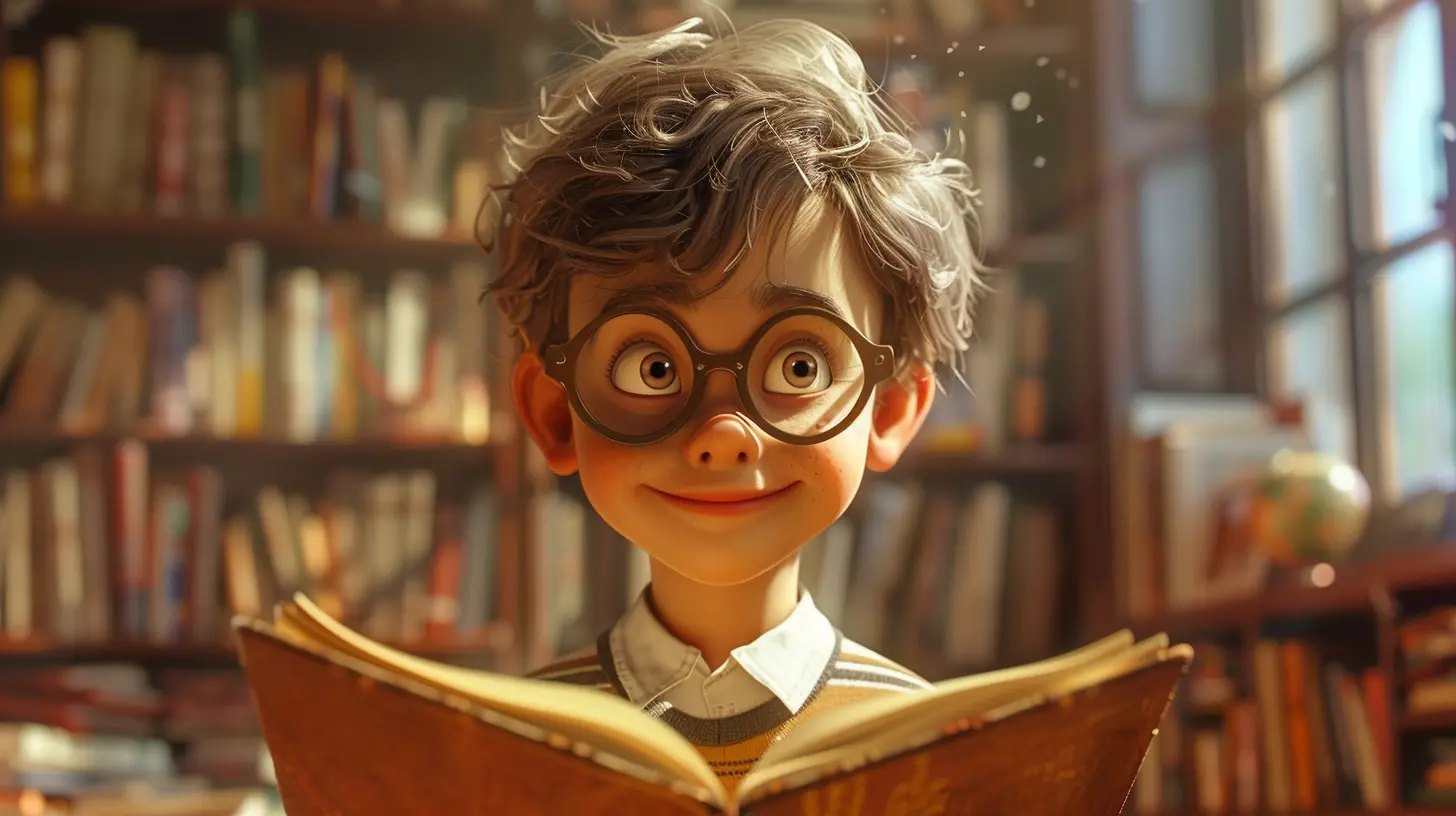
What Humor Teaches Kids (Without Them Even Realizing It)
While they’re laughing, kids are also:1. Developing Emotional Intelligence
Ever notice how even slapstick comedy in kids’ books carries emotion? Characters get embarrassed, scared, excited, or proud. Humor helps kids understand and empathize with emotional situations—just in a lighter, more approachable way. It's like emotional learning in disguise.2. Improving Cognitive Skills
Some kids’ jokes are surprisingly clever. Think knock-knock jokes or puns. These require understanding wordplay, timing, and even some double meanings. Decoding humor helps kids develop abstract thinking, pattern recognition, and problem-solving. It’s brain food, but with sprinkles on top.3. Learning Social Norms and Boundaries
Humor can gently introduce kids to social expectations—what’s funny and what crosses the line. Through humorous stories, kids can see how characters handle awkward moments or misunderstandings, helping shape their own behavior. Ever read a book where a character blurts something out and everyone stares? Yep, lesson learned.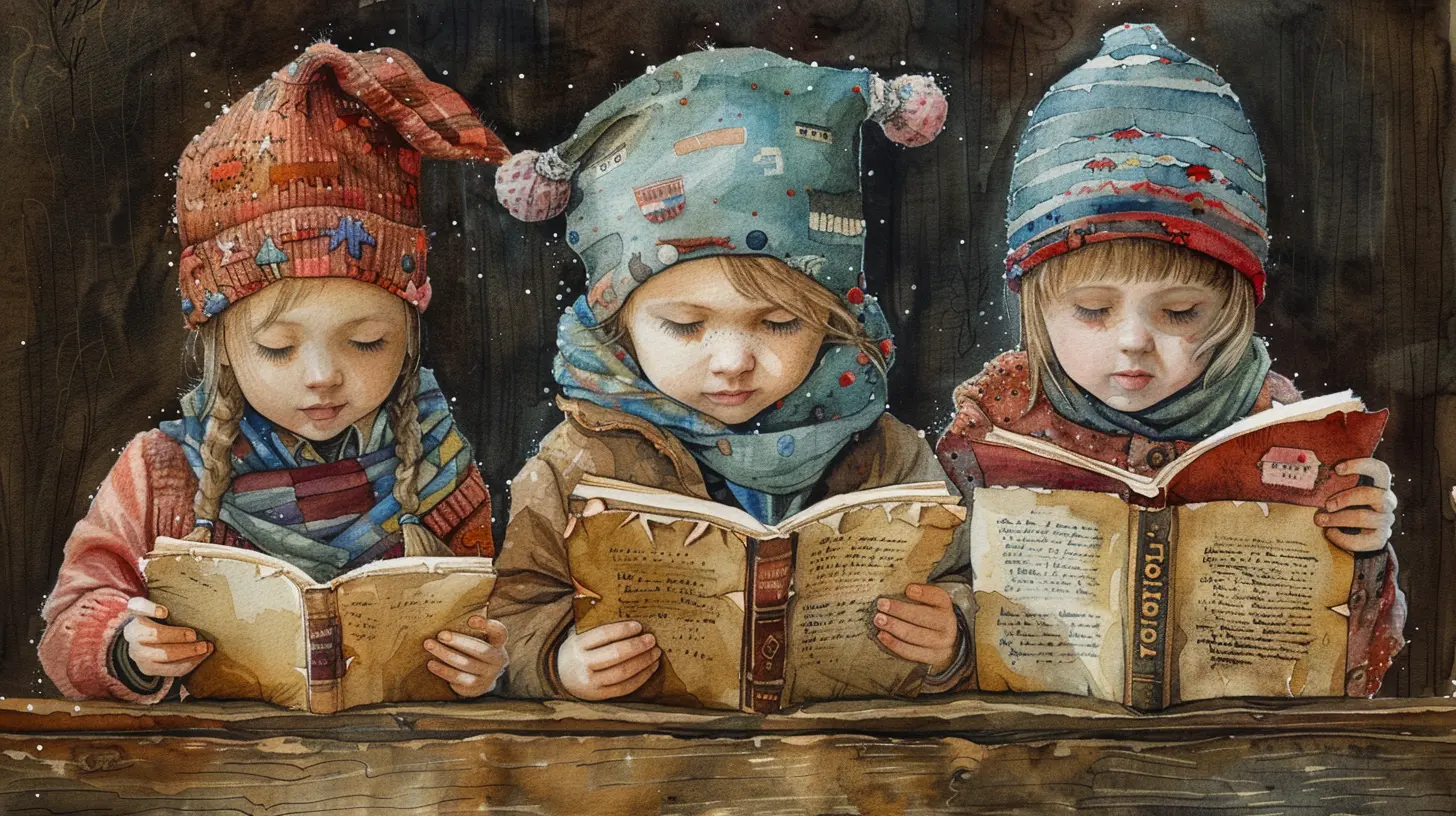
The Different Flavors of Funny
Humor isn’t one-size-fits-all. There’s a wide range, and different kids find different things funny. Here are a few common types found in children's literature:Silly Situations
Think of characters in outrageous, exaggerated scenarios—like a kid who wakes up on the ceiling or a taco-loving dragon causing chaos. These kinds of stories encourage imagination and delight.Wordplay and Puns
Books like “Amelia Bedelia” thrive on word misunderstandings and literal interpretations. Kids learn language nuances without even realizing it.Physical Comedy (a.k.a. Slapstick)
This is the classic fall-down-go-boom type of humor. Think banana peels, unexpected pies to the face, or a character tripping over his shoelaces.Sarcasm and Irony
Older kids, particularly tweens, start to appreciate more sophisticated humor—stories with irony or dry wit. Think "Diary of a Wimpy Kid" or anything by Roald Dahl.Toilet Humor
Let’s just be honest. Poop is funny to kids. Fart jokes? Yep, those land every time. While some adults might roll their eyes, a well-placed burp joke might be the reason your child finally finishes a chapter book.
Humor Makes Reading a Habit (and a Joy)
We all want our kids to love reading. Not just know how to read, but want to do it. That’s the dream, right?Funny books can be the gateway. When reading is enjoyable, it becomes a habit. Kids start associating books with fun. They begin picking up stories on their own. They bring books to the dinner table. They read under the covers with a flashlight. That’s the magic moment every parent hopes for.
Humor keeps kids coming back for more. And when they’re excited to see what happens next, the reading improvement just naturally follows.
Humor Helps Kids Feel Understood
Let’s not forget—kids deal with daily struggles, just like we do. They might not have to pay bills or commute to work, but school, making friends, dealing with grown-up rules? That’s a lot.Humorous stories can help kids feel like they’re not alone. When they see a character who also gets teased, messes up, or has embarrassing moments, it reminds them it’s okay not to be perfect. Humor heals. It comforts. It tells kids, “Hey, you’re not the only one who feels this way.”
The Link Between Humor and Creativity
Funny books don’t just entertain—they inspire. A wild, wacky story can awaken a child’s own imagination. They start telling their own jokes, making up kooky characters, or writing silly stories of their own.Think about it: humor is creativity in motion. It involves flipping a situation upside down or thinking in unexpected ways. That’s gold for a growing brain.
Laughing Together Builds Connection
Reading a funny book with your child means more than just turning pages. It’s a shared experience. It’s inside jokes. It’s giggles before bedtime. It’s quoting silly lines at the dinner table.Humor creates bonding moments. It deepens the parent-child connection. When you laugh together, you build trust and warmth—making reading something you both look forward to.
Choosing the Right Funny Book for Your Child
Okay, so now you’re convinced humor matters. But where do you start?Here are a few tips:
✔ Know Your Kid’s Humor Style
Are they into silly, gross, clever, or action-packed wit? Pay attention to what makes them laugh during movies, shows, or silly moments at home.✔ Match the Humor to the Age
A board book about a goofy dog will work wonders for a toddler, while a fourth grader might prefer something snarky and sarcastic with cartoon sketches. Don’t be afraid to experiment.✔ Don’t Judge a Book by Its Toilet Jokes
Seriously. If a book gets your reluctant reader to pick it up and laugh, embrace it. There’s time for Shakespeare later.✔ Read Reviews or Ask a Librarian
Teachers, librarians, and even online communities are goldmines for funny book suggestions. They often know the hidden gems.A Few Beloved Laugh-Out-Loud Titles
- “Don’t Let the Pigeon Drive the Bus!” by Mo WillemsA pigeon with a dream—chaotic, hilarious, and totally lovable.
- “Dav Pilkey’s Dog Man series”
A cop with a dog’s head. You kind of have to read it to believe it.
- “The Book with No Pictures” by B.J. Novak
No pictures. All nonsense. And somehow, kids can’t get enough.
- “Captain Underpants” by Dav Pilkey
Yep, more toilet humor. But it’s also full of clever storytelling and lots of action.
- “I Really Like Slop!” by Mo Willems
Funny and simple—perfect for beginning readers.
Wrap-Up: Laughing Our Way to Literacy
Humor isn’t just about making kids laugh—though that’s pretty awesome on its own. It’s a powerful tool that opens doors: to reading, to understanding, to empathy, to creativity.When children laugh, they learn. When they laugh while reading, they develop a lifelong love for books.
So next time your child falls into a fit of giggles over a goofy book? Smile. That’s the sound of growing minds at work.
all images in this post were generated using AI tools
Category:
Childrens BooksAuthor:

Tara Henson
Discussion
rate this article
1 comments
Brandon McMurtry
Humor in children's books sparks joy and connection, making reading an unforgettable adventure for kids.
June 14, 2026 at 4:50 AM