Interactive Children's Books That Engage Both Sides of the Brain
1 July 2026
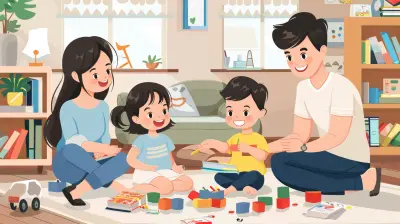
Every parent knows that moment—you’re sitting cross-legged on the carpet, a little one curled beside you, and a brightly colored book in hand. As you read aloud, their eyes light up, little fingers tracing illustrations, flipping flaps, or pressing buttons. That magic? That spark? That’s more than just fun. That’s a beautiful blend of creativity and logic firing at once—both sides of your child’s brain buzzing like a symphony in action.
Today, we’re diving into something truly amazing: interactive children's books that engage both sides of the brain. These gems aren’t just bedtime stories. They’re tools—cleverly disguised as fun—for nurturing young minds in ways traditional books can’t always match.

Why Both Sides of the Brain Matter
Let’s start with a quick brain 101—you game?The human brain has two hemispheres:
- The left side is all about logic, language, reasoning, and numbers. Think puzzles, sequences, and patterns.
- The right side is your creative powerhouse. It handles imagination, intuition, emotions, and spatial awareness.
Here’s the kicker—kids (and adults, for that matter) thrive when both hemispheres work together. It’s like peanut butter and jelly. Sure, they’re good on their own, but together? Magic.
That’s why interactive books that spark creativity and critical thinking are pure gold for developing brains.
What Makes a Book Truly Interactive?
Not every "interactive" book is created equal. Some just add sounds or flaps, which is fun—but the real winners are the ones that actively involve your child in the storytelling process, challenge them to think, and invite them to create.Here are the hallmarks of a brain-boosting interactive book:
- It demands participation (not just flipping pages)
- It encourages prediction and problem-solving
- It fosters imagination or storytelling
- It introduces cause and effect relationships
- It engages through multiple senses (touch, sight, sound)
The best interactive books feel like play and learning, blended into one delicious smoothie of developmental goodness.

How Interactive Books Benefit Early Development
At first glance, it might seem like your child is just enjoying a fun story with pop-up pages or colorful tabs. But something powerful is happening under the surface.When kids are asked to match colors, make decisions, follow instructions, or come up with their own endings, they’re:
- Building attention span (no small feat these days!)
- Developing critical thinking
- Enhancing memory and recall
- Stimulating creativity and expression
- Forming cause-effect understanding
- Learning language structure and expanding vocabulary
In other words—brain fuel!
Now, let’s check out some stellar interactive books that check all the boxes.
Top Interactive Children's Books That Engage Both Sides of the Brain
1. _Press Here_ by Hervé Tullet
This book is a classic for a reason. It starts with a simple instruction: “Press here.” A yellow dot appears. Then what? You’re off on a delightful journey where pressing dots, shaking pages, and clapping lead to unexpected changes.Left Brain Activities:
- Following instructions
- Sequencing
- Cause and effect
Right Brain Activities:
- Imaginative interaction
- Visual play
- Anticipation and surprise
It's like the book is playing tag with your kid’s neurons—and everyone’s winning.
2. _The Color Monster: A Pop-Up Book of Feelings_ by Anna Llenas
Emotions aren’t easy for little ones to navigate. This book uses interactive elements and vibrant pop-ups to help kids name and understand their feelings through the eyes of a lovable monster.Left Brain:
- Categorizing emotions
- Logical sequencing (feeling to reaction)
Right Brain:
- Emotional intelligence
- Color associations
- Artistic visuals
Helping kids learn feelings while keeping them fully engaged? That’s a parenting win.
3. _Mix It Up!_ by Hervé Tullet
Another magical book from Tullet! It’s not just about colors—your child will mix, smoosh, and smear imaginary paint to create new colors right on the page. No mess, all magic.Left Brain:
- Color theory
- Instruction following
- Prediction making
Right Brain:
- Artistic exploration
- Sensory play illusion
- Visual storytelling
It’s like an art class hiding inside a book.
4. _Don’t Push the Button!_ by Bill Cotter
Kids love breaking rules. This book dares them to push a forbidden button… and the results? Surprising, silly, and totally brain-engaging.Left Brain:
- Understanding rules and consequences
- Predicting outcomes
- Logical thinking
Right Brain:
- Humor and surprise
- Visual engagement
- Role-playing possibilities
It’s interactive mischief with a learning twist.
5. _Look Inside_ Series by Usborne
These aren’t your average lift-the-flap books. From the human body to space to how things work, the _Look Inside_ series gives kids a peek into the world with hundreds of flaps plus thought-provoking questions and explanations.Left Brain:
- Scientific facts
- Vocabulary building
- Step-by-step instructions
Right Brain:
- Curiosity
- Visual discovery
- Imaginative extensions
Perfect for curious little minds that want to know everything about everything.
6. _You Choose_ by Pippa Goodhart and Nick Sharratt
Open this book, and suddenly your child is in charge. Choose a house to live in, clothes to wear, pets to have, and adventures to take. There are thousands of combinations.Left Brain:
- Decision-making
- Categorization
Right Brain:
- Storytelling
- Creativity
- Role play
Let kids make choices in a limitless world, all while flexing their thinking muscles.
How to Pick the Right Interactive Book for Your Child
Not every book will hit the sweet spot for every child. Here's how to choose what’s best:1. Know Your Kid’s Interests
Is your child fascinated by animals? Obsessed with trucks? Maybe they love outer space? Pick books that align with their passions to boost engagement.2. Match The Developmental Stage
Toddlers may enjoy simpler books with flaps or textures, while preschoolers and up can handle more complex tasks—questions, creative storytelling, or sequential thinking.3. Think Multisensory
Kids learn better when multiple senses are involved. Books with textures, sounds, and movement help cement learning and make it more fun.4. Look for Open-Ended Engagement
Books that invite discussion, imagination, or alternate endings keep the experience fresh and replayable.Making the Most of Interactive Reading Time
Let’s be real—reading with your child isn’t always easy. Life is busy, and some days even five minutes feels like a stretch. But here’s the thing: a book doesn’t have to be long or fancy to be impactful.Here are a few tips to make interactive reading time count:
- Slow down – Let your child lead. Pause to ask questions: “What do you think will happen?”
- Get hands-on – Let them touch, flip, guess, choose. If the book says “shake the page,” shake it like you mean it!
- Be silly – Funny voices and dramatic pauses keep both sides of the brain engaged.
- Relate stories to real life – “Remember yesterday when you felt sad like the Color Monster?”
These moments of connection make reading more than just reading—it becomes bonding, learning, and growing wrapped up in one.
Beyond the Book: Continue the Brain Boost
Once the book closes, the learning doesn’t have to end. Here’s how to extend the fun:- Create your own storybooks together – Fold paper, draw pictures, and let your child dictate the tale.
- Use household items to recreate book scenes – Build with blocks, act out stories, mix colors with paint.
- Ask ‘what-if’ questions – “What if the monster swapped his colors?” “What if YOU had to push the button?”
When imagination and logic meet playtime? That’s brain food on a whole new level.
Final Thoughts
Interactive children’s books aren’t just cute distractions. They’re some of the most powerful tools we have as parents to help our little ones thrive—mentally, emotionally, and even socially.When you choose books that engage both sides of the brain, you’re giving your child a gift: the power to think creatively, solve problems, communicate clearly, and dream big.
So next time you’re nestled in for storytime, go for the books that bring both hemispheres to life. Watch as logic and imagination dance together—and just try not to beam with pride when your child starts making connections, asking questions, or giggling in delight.
Books are more than stories—they’re springboards. And you're the guide standing at the edge, hand extended, inviting your child to leap.
all images in this post were generated using AI tools
Category:
Childrens BooksAuthor:

Tara Henson
Discussion
rate this article
1 comments
Camden Fisher
I love the idea of interactive books that engage kids' creativity and critical thinking. It's fascinating how storytelling can stimulate both sides of the brain. I can't wait to explore these options with my little ones!
July 6, 2026 at 3:59 AM
Tara Henson
Thank you! I'm excited to hear you're eager to explore these books with your kids. It's amazing how storytelling can inspire creativity and critical thinking in young minds.