Managing Sibling Dynamics and Rivalry During Divorce
27 December 2025
Divorce is challenging. There's no sugar-coating it. But when kids are in the picture, everything becomes infinitely more complex. If you're navigating this emotional rollercoaster, you're likely worried about how your separation is impacting your children. And then there’s that added wrinkle: sibling rivalry.
When parents separate, the family dynamic shifts. It’s as though the ground beneath your kids starts to tremble, and in their scramble for stability, siblings often bump heads more than ever. So how do you manage their dynamics and help them (and yourself) find some semblance of peace? Let’s dive into it step by step. 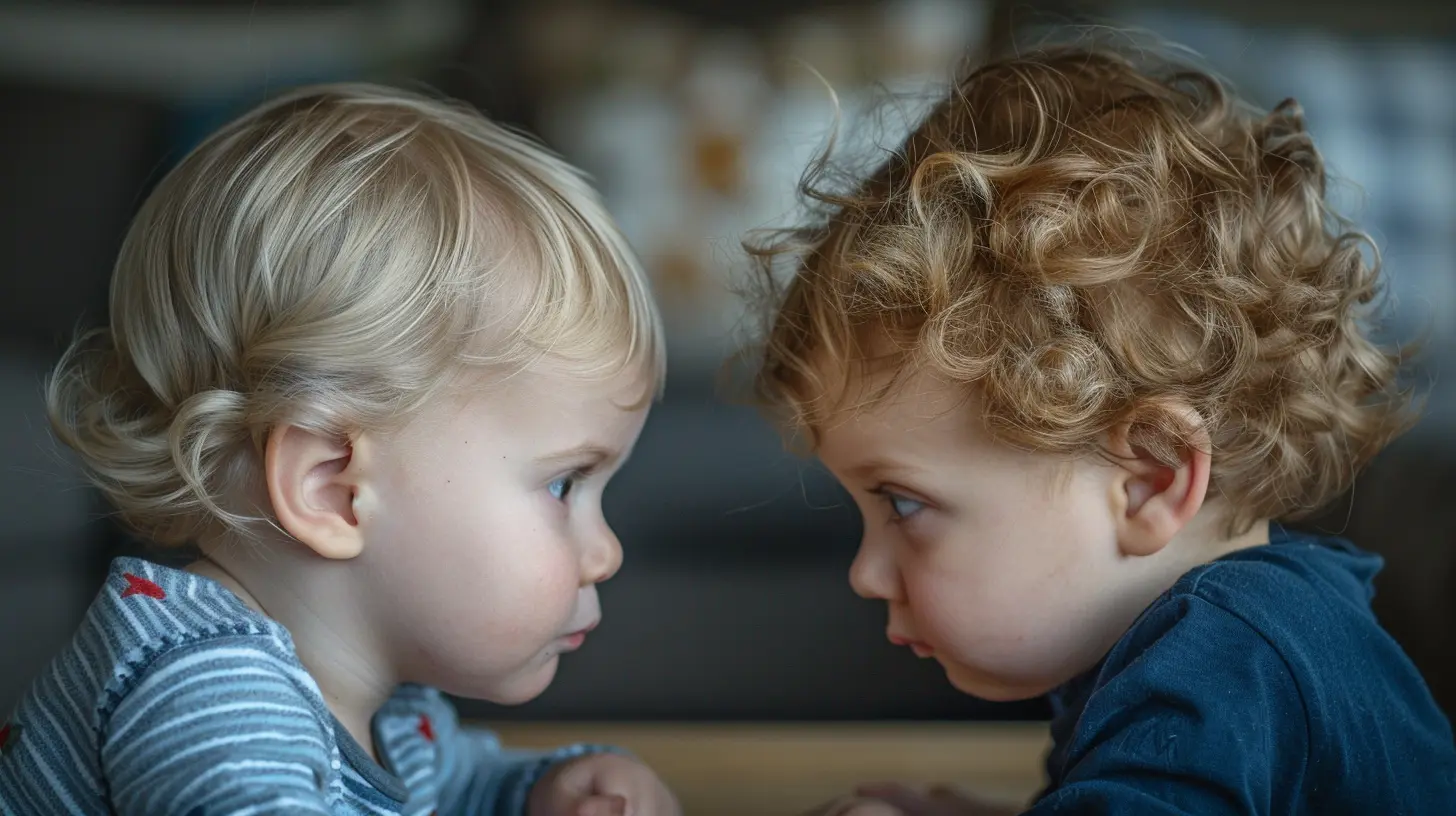
Why Do Sibling Dynamics Become Tense During Divorce?
Think of a divorce as a storm. Everyone in the house feels the wind, the rain, and the uncertainty. Kids, especially, pick up on the emotional changes, even if they don't fully grasp the reasons behind them. It’s no surprise that their behavior can take a turn.Here’s the kicker: siblings, who once leaned on each other, might now engage in more conflicts. Why?
- Divide and Conquer Mentality: Divorce often means children spend time divided between parents. One sibling might feel closer to one parent, while the other aligns with someone else. This division can unintentionally feed into rivalry.
- Competing for Attention: Let’s face it—divorce is draining. Parents may seem distracted or less available, even without meaning to. Kids notice this and sometimes compete to "win" your focus.
- Stress and Confusion: Kids might not have the words to express how they’re feeling, so their stress comes out in other ways—like snapping at their sibling or lashing out over small things.
Once you understand why sibling dynamics shift, you can start working toward solutions. 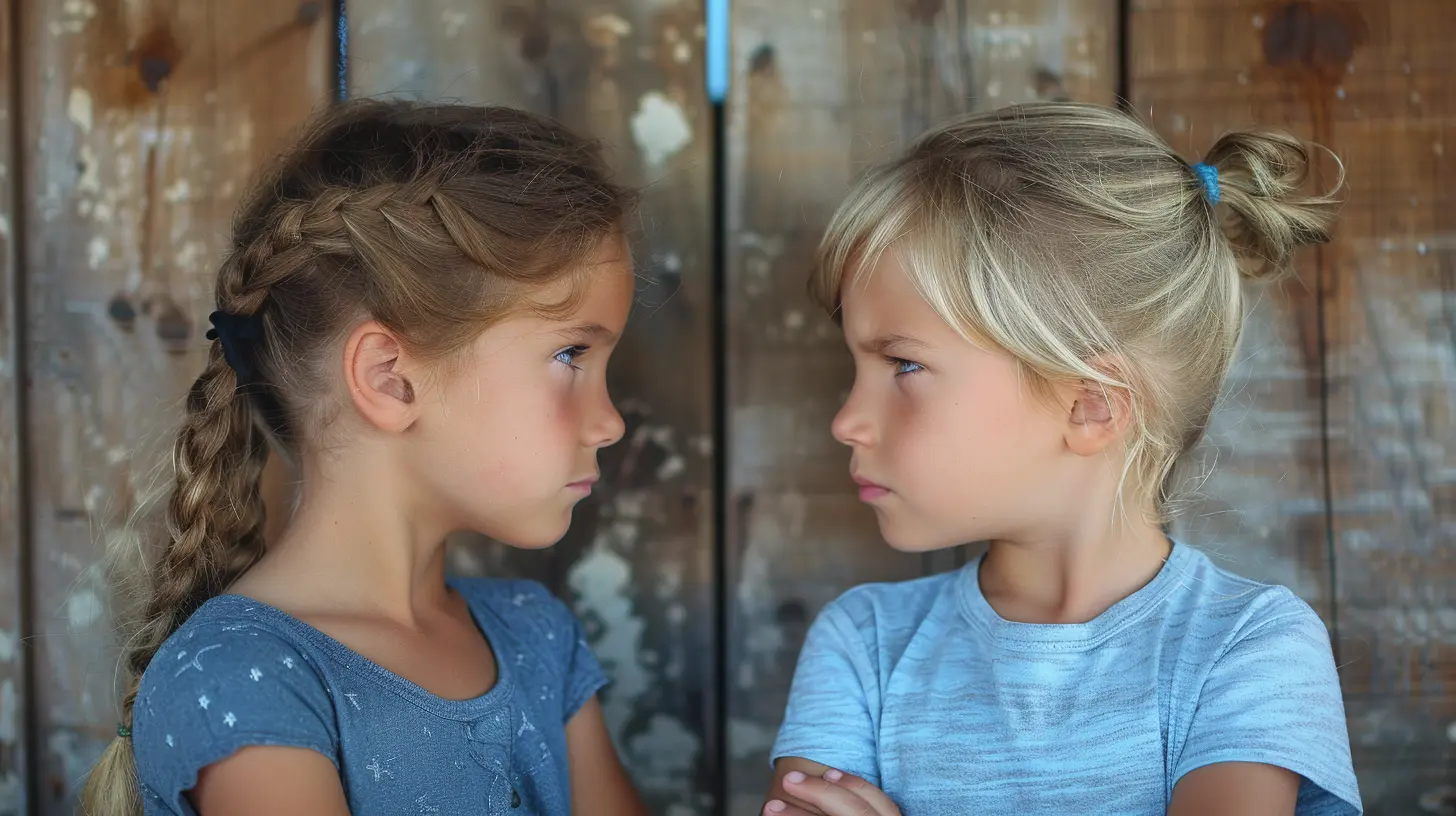
How to Ease Sibling Rivalry and Rebuild Harmony
1. Start with Open Conversations
Let’s be real: kids are smart. They’re like little detectives who pick up on every sigh, every hushed conversation, and every late-night phone call. Pretending that everything is fine isn't helpful—they know when something’s up.Sit your children down together, and talk to them in a way they can understand. Be honest (without overwhelming them) and reassure them that it’s okay to feel every emotion—from anger to sadness to confusion.
> Tip: Use the same language for both kids to avoid favoritism. For example, instead of saying, "Your dad and I love you equally," say, "We both love you so much." Words matter, and neutrality is key here.
2. Encourage Teamwork Over Competition
When parents split, kids can feel like they’re on opposing teams. Your goal? Make them feel like teammates in this new family structure.Create opportunities for sibling bonding, such as joint activities or games. Even something as simple as baking cookies together can remind them that they’re in this together. If one child struggles, encourage their sibling to step in and help.
Think of it like building a bridge between them. The more they work together, the stronger their relationship becomes.
3. Set Clear Boundaries
Let’s talk about fights. Yes, siblings argue—it’s part of being family. But during a divorce, emotions are heightened, and things can spiral quickly.Set specific rules for what’s acceptable and what isn’t. For instance:
- No name-calling or physical aggression.
- Respect each other’s personal space.
- Take turns and share responsibilities.
When you enforce these boundaries, you’re teaching your kids that disagreements can be worked through calmly, even during tough times.
> Pro Tip: Follow through with consequences. Kids need consistency, especially in moments of chaos, so stick to the boundaries you set.
4. Validate Their Feelings (But Don’t Play Favorites)
Here’s where things get tricky. When one child comes running to you complaining about their sibling, it’s easy to instinctively defend one or try to "fix" the problem. But if you take sides—intentionally or not—you risk deepening the divide between them.Instead, validate both children’s experiences. Try saying something like:
- "I understand why you’re upset, and I hear you."
- "It sounds like both of you are having a tough moment. Let’s figure this out together."
This type of response shows that you’re a neutral party, and it encourages your kids to hash things out in a fair, respectful way.
5. Lead by Example
Children are mirrors. They reflect what they see and hear from you. If you’re constantly bickering with your ex-spouse, guess what? They’re going to replicate that behavior with their sibling.Model healthy conflict resolution. If disagreements arise with your ex, handle them as calmly as possible. Show your kids that it’s okay to have disagreements—but it’s how you manage them that matters.
6. Spend One-on-One Time with Each Child
This might sound counterintuitive when talking about sibling rivalry, but hear me out. Spending individual time with each child reassures them that they’re valued and loved, which can reduce their need to fight for attention.Go on a mini outing with each kid—maybe it’s grabbing a milkshake or taking a walk in the park. During this time, let them vent, share their feelings, or just chat about their favorite movie.
When a child feels secure in your love, they’re less likely to view their sibling as competition.
7. Consider Professional Support
Sometimes, no matter how hard you try, sibling dynamics remain challenging. And that’s okay—you don’t have to do it alone.Family therapists and counselors specialize in helping families navigate these situations. A professional can provide a safe space for your children to express themselves, work through their emotions, and rebuild their sibling bond. Think of it as getting a co-pilot to help you steer through the storm. 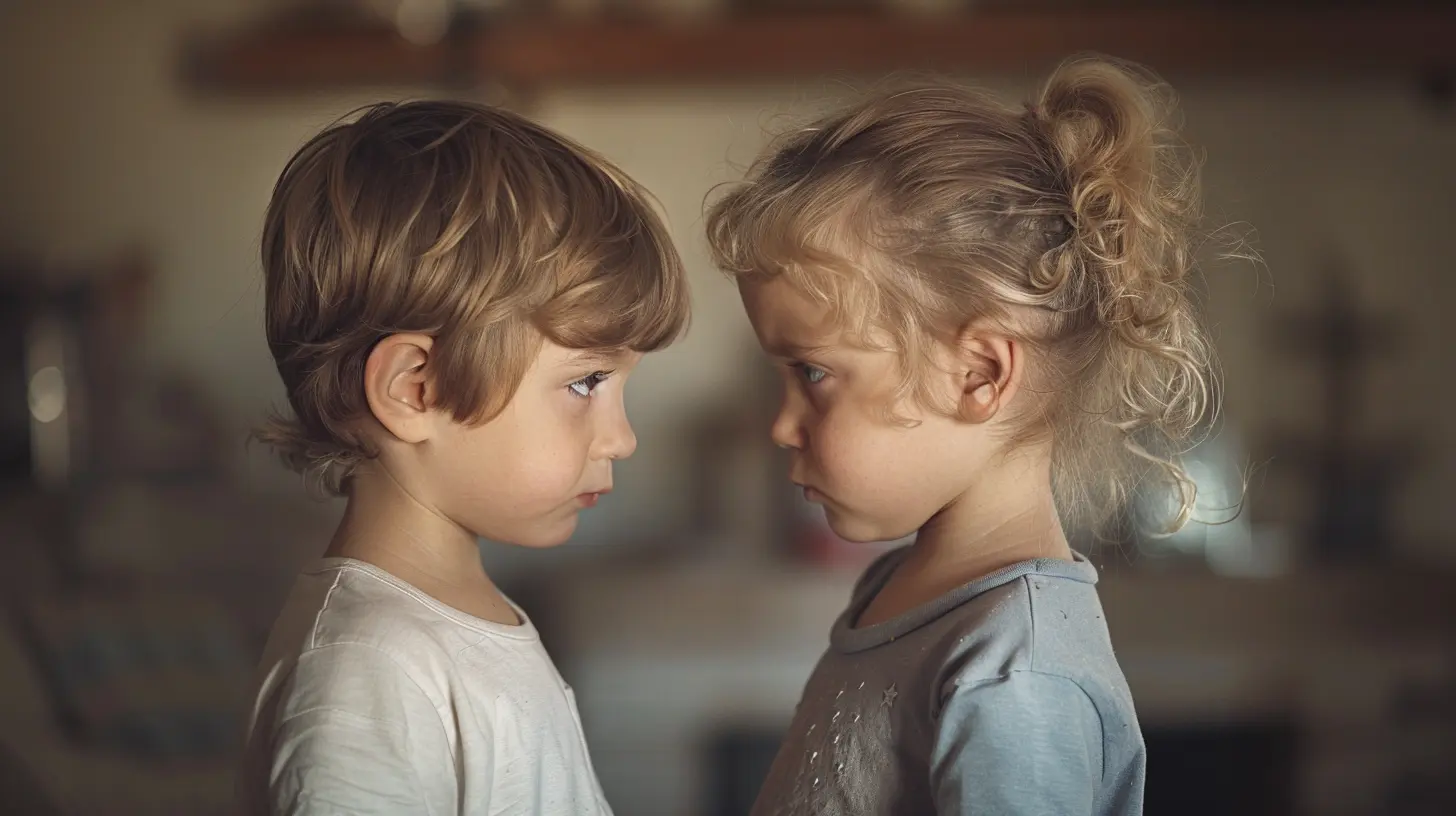
The Importance of Reassurance
At the heart of this all is one simple truth: kids need reassurance. Put yourself in their shoes for a moment. Their world feels shaky, and they’re searching for solid ground. Your job is to be that stability.Remind your kids, over and over again, that:
1. They’re loved—unconditionally.
2. They’re not to blame for the divorce.
3. You’re all in this together, as a family.
It might feel repetitive to say these things so often, but trust me, kids need to hear them more than once to really believe it. 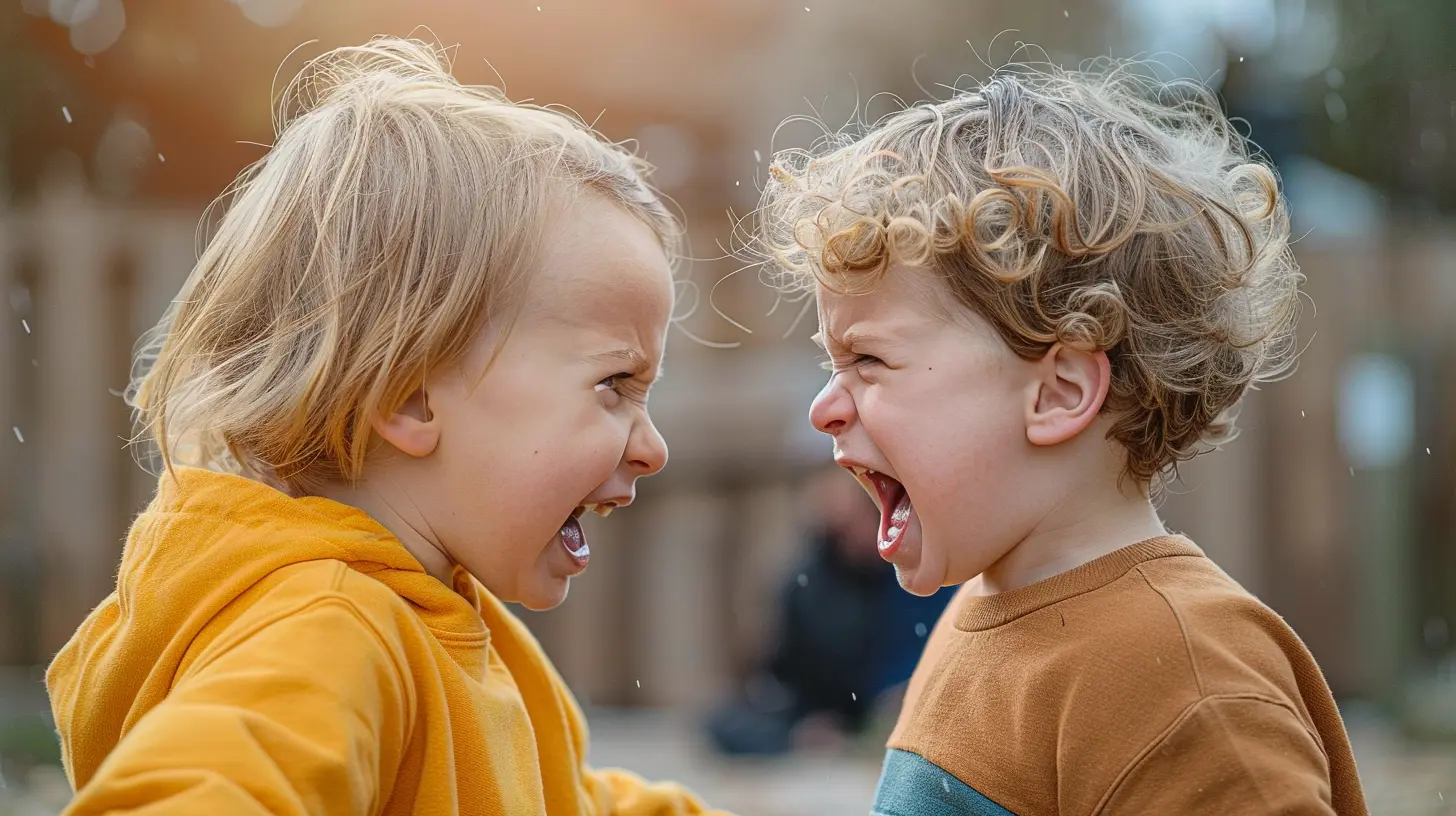
A Final Word
Managing sibling dynamics and rivalry during divorce isn’t easy—far from it. But with patience, communication, and a little bit of strategy, you can help your kids emerge from this experience stronger, closer, and more resilient.Remember, you’re not just navigating a tough chapter; you’re teaching your kids how to handle challenges with compassion and grace. Like any storm, this too shall pass—and when the skies clear, your family will be on its way to a brighter, more peaceful future.
all images in this post were generated using AI tools
Category:
Divorce And KidsAuthor:

Tara Henson
Discussion
rate this article
2 comments
Zane McPherson
Thank you for addressing such a challenging topic. Your insights on managing sibling dynamics during divorce are invaluable. Supporting our children through this transition is crucial, and your guidance is truly appreciated.
January 22, 2026 at 5:16 AM
Tara Henson
Thank you so much for your kind words! I’m glad you found the insights helpful in navigating this important topic.
Fleur Schultz
Nurture love and communication—transform rivalry into unity, helping siblings thrive through life’s toughest changes!
December 29, 2025 at 3:17 AM
Tara Henson
Thank you for your insightful comment! Fostering love and open communication is indeed key to helping siblings navigate the challenges of divorce together.