Navigating Peer Conflicts: Using Empathy to Solve Problems
10 February 2026
Conflict is a part of life—especially when kids interact with their peers. Whether it’s a disagreement over a toy, a misunderstanding at school, or a fallout between best friends, peer conflicts are inevitable. But here’s the silver lining: conflicts are opportunities for growth, and empathy is the secret ingredient that can turn an argument into a learning experience.
So, how do we teach our kids to use empathy to solve their problems? Let’s dive into practical ways to help children navigate peer conflicts with kindness, emotional intelligence, and problem-solving skills. 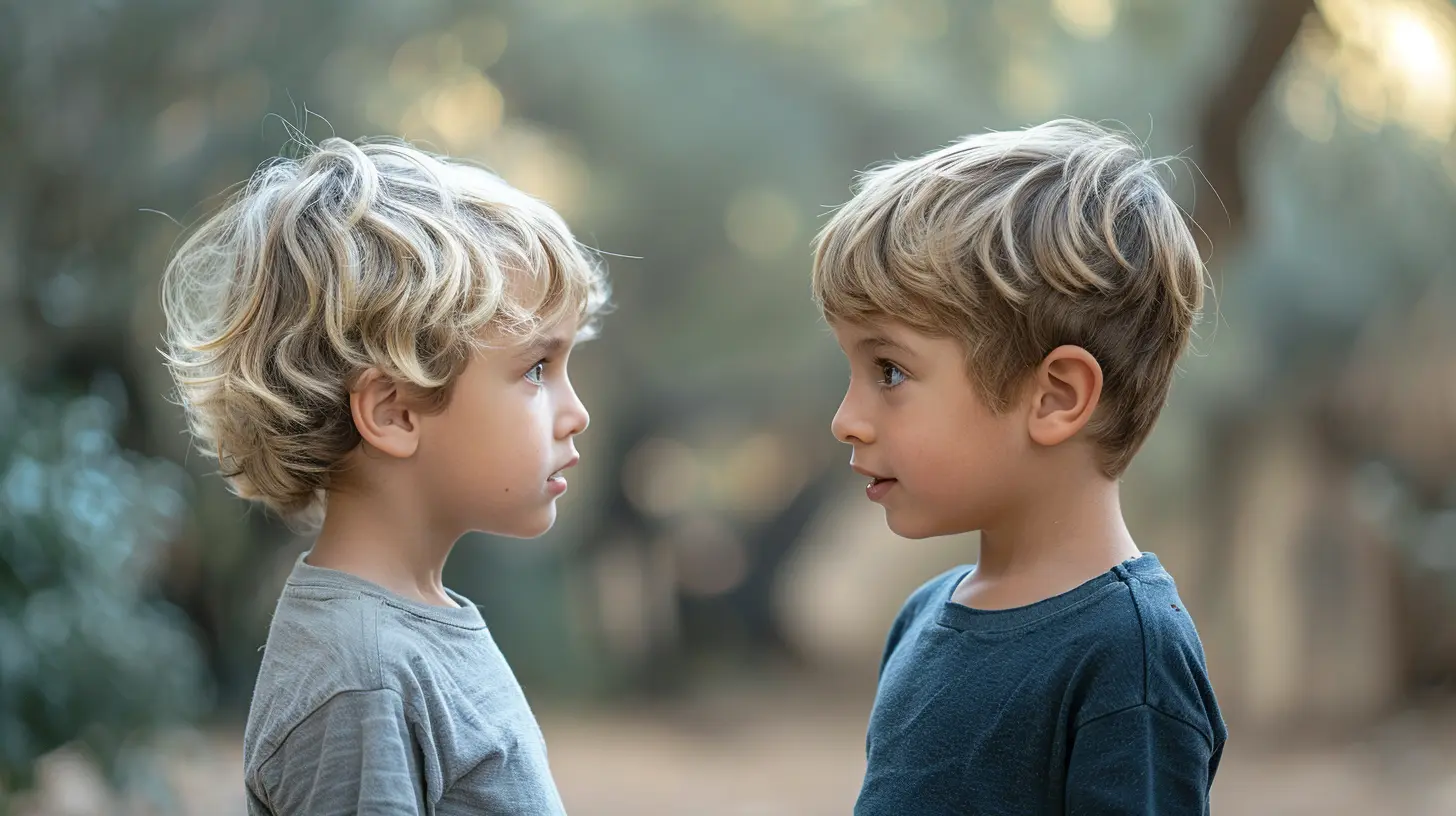
Understanding Peer Conflicts
Before we talk about solutions, let's understand what peer conflicts really are. Kids have differing personalities, opinions, and emotions—just like adults. Sometimes, these differences lead to clashes. These conflicts can stem from:- Miscommunication – A simple misunderstanding can turn into a big argument.
- Competition – Whether it’s a game or school grades, competition can create tension.
- Jealousy or Exclusion – Being left out or comparing oneself to others can cause hurt feelings.
- Different Personalities – Some kids are naturally assertive, while others are more passive, leading to power struggles.
Conflict isn’t always bad—it’s how kids handle these situations that matters most. 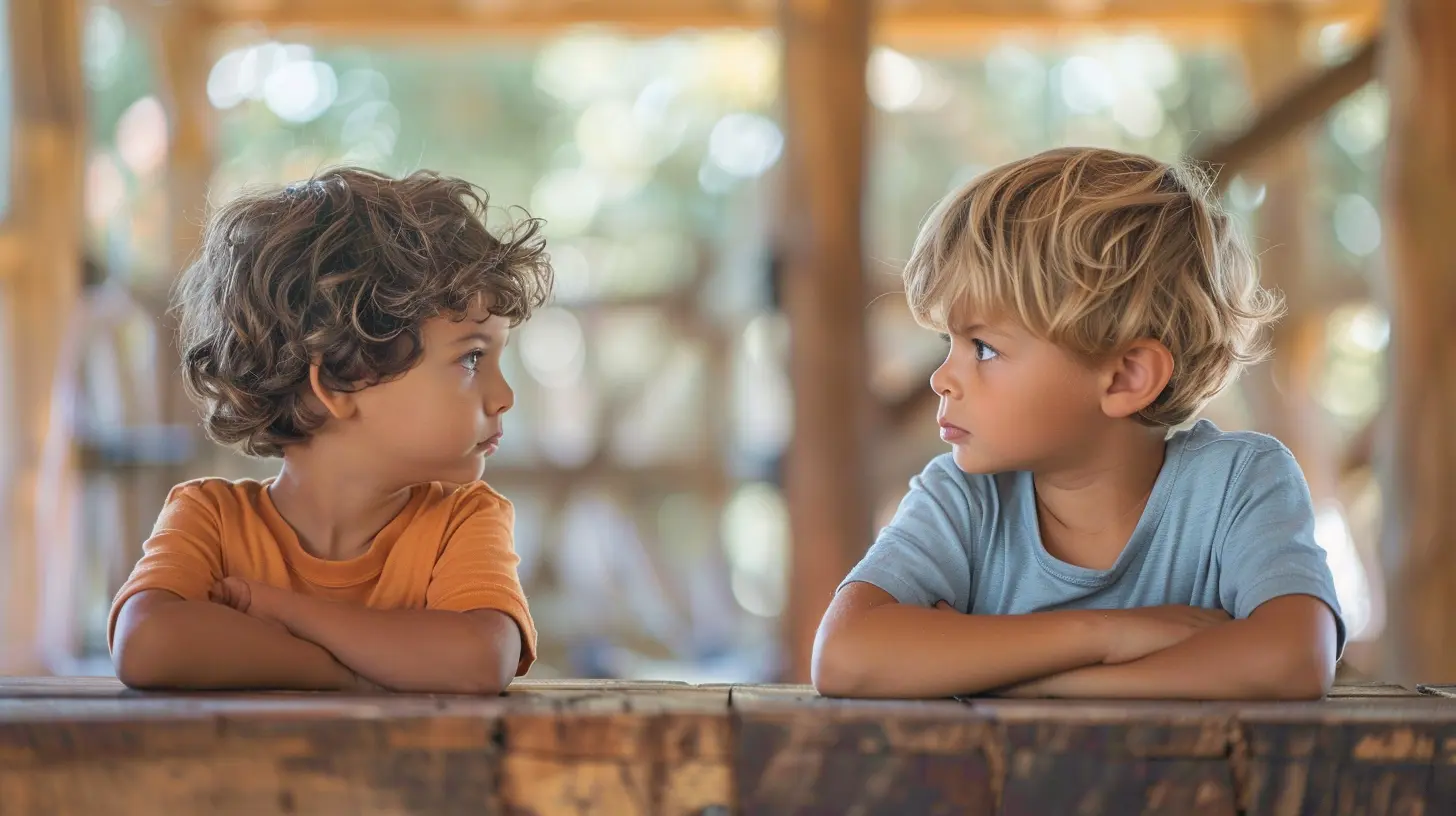
Why Empathy is the Key to Conflict Resolution
Empathy is the ability to understand and share the feelings of another person. It’s like stepping into someone else’s shoes and seeing the world from their perspective.When children develop empathy, they:
✔ Recognize how their actions impact others
✔ Learn to control their emotions and respond calmly
✔ Find peaceful solutions rather than escalating the fight
✔ Build stronger friendships based on mutual respect
Think about it—how often do we, as adults, wish someone would just "get" how we feel? Teaching kids to use empathy early on sets the stage for healthier relationships throughout their lives. 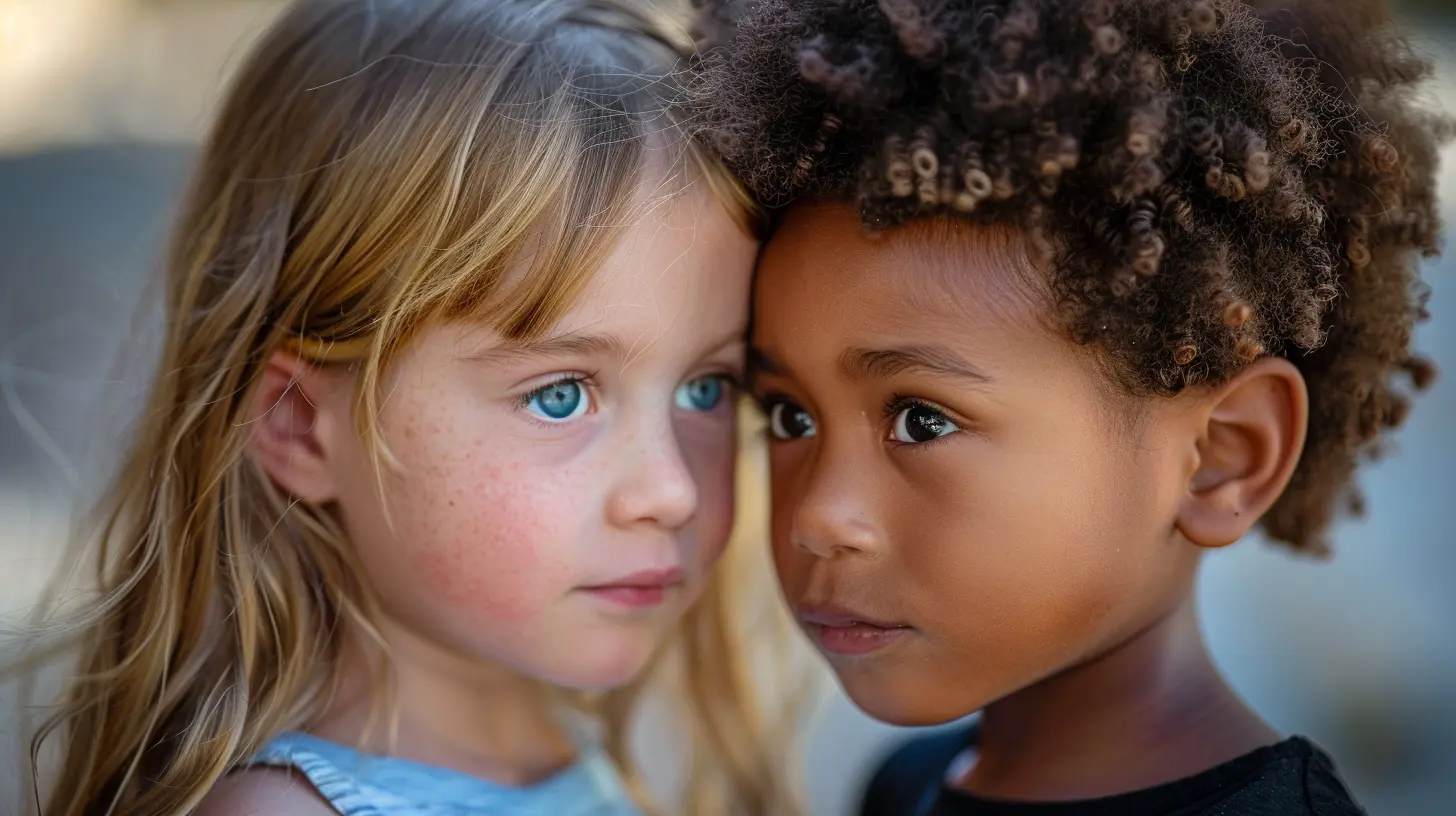
Teaching Kids to Use Empathy in Conflicts
So, how do we encourage children to use empathy instead of reacting with frustration or anger? Here are some practical steps:1. Encourage Perspective-Taking
When children are upset, ask them:🗨 “How do you think your friend is feeling right now?”
🗨 “What would you feel if this happened to you?”
Encouraging kids to consider the other person’s feelings helps them shift from "Me vs. You" to "Us vs. the Problem."
2. Teach Active Listening
Many conflicts escalate because kids don’t feel heard. Teach your child to:👂 Listen before responding
👀 Maintain eye contact
🔄 Repeat back what the other person said to confirm understanding
For example, if a child says, "You took my marker without asking!" The other can respond, "I hear that you're upset because I didn’t ask first."
This simple validation can diffuse tension instantly.
3. Normalize Apologizing (Without Forcing It)
We’ve all heard forced apologies: "Sorry." (Insert eye-roll here.) These don’t actually teach resolution.Instead, guide kids to offer genuine apologies by asking:
💬 “What could you say to help your friend feel better?”
💬 “How can you help fix the situation?”
A real apology isn’t just about saying sorry—it’s about making things right. 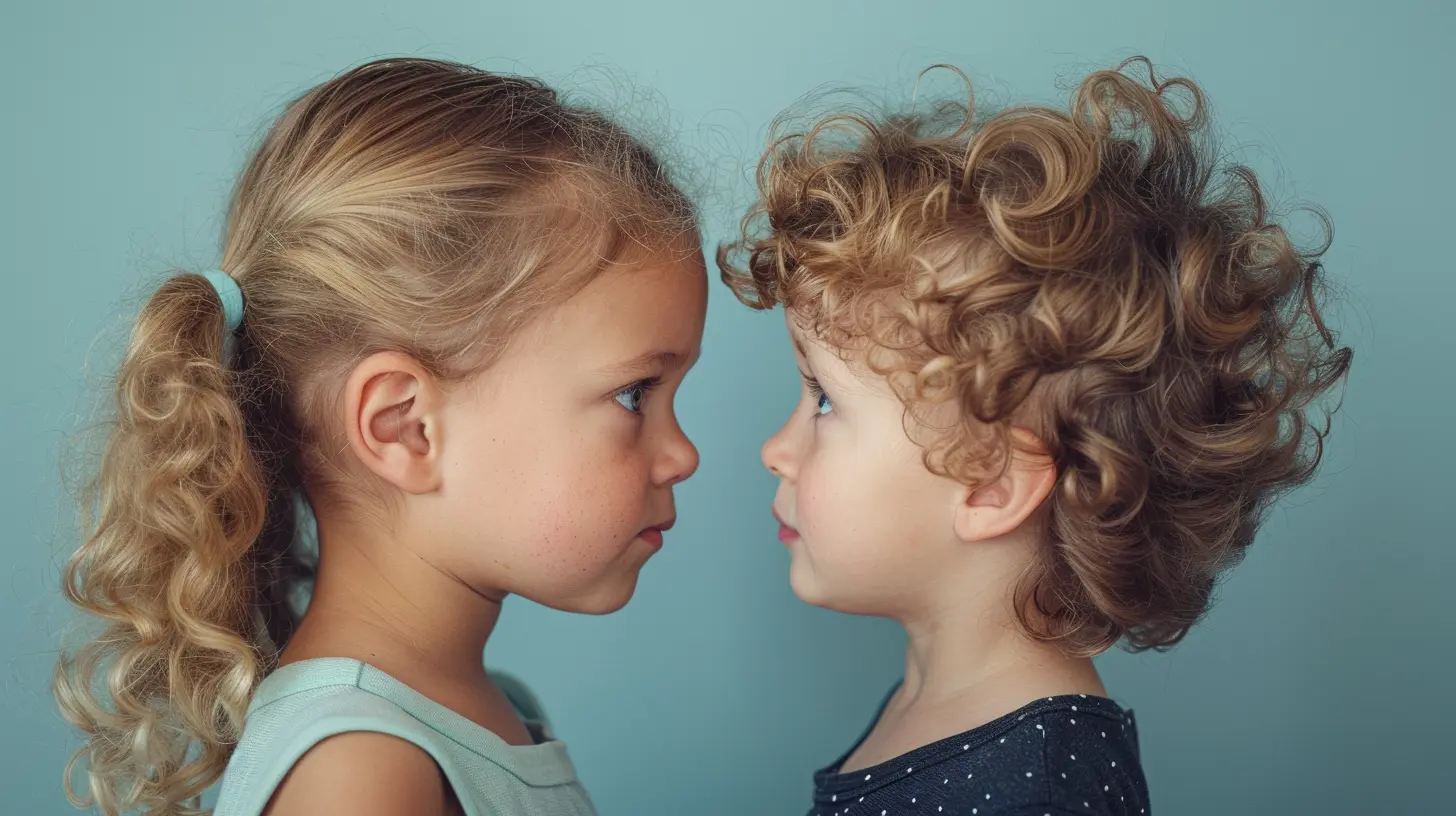
Modeling Empathy: Practice What You Preach
Kids learn more from what they see than what they hear. If we want them to show empathy, we need to model it ourselves.1. Show Empathy in Daily Life
If your child is upset, validate their emotions. Instead of dismissing their feelings (“It’s not a big deal!”), acknowledge them:🔹 “I understand why you’re frustrated. That must have been tough.”
🔹 “I see that you’re feeling sad. Want to talk about it?”
This teaches kids that emotions are not something to be denied but something to be understood.
2. Explain Your Own Emotions
Sometimes, kids assume adults don’t experience emotions like they do. Sharing your own feelings helps them relate:💡 “Mommy had a tough day at work, so I need a quiet moment to relax.”
💡 “I felt a little hurt when my friend canceled on me, but I understand she had other plans.”
When kids see us navigating emotions with empathy, they learn to do the same.
Handling Sibling Conflicts with Empathy
If you have more than one child, you know that sibling conflicts are a daily event. Instead of jumping in as a referee, try coaching them through resolution.👫 Step 1: Have each child express their feelings (“I” statements work great! – “I felt sad when you took my toy.”)
👫 Step 2: Encourage them to listen to each other.
👫 Step 3: Ask, “What can we do to solve this problem together?”
When they practice resolving conflicts at home, they’ll be better prepared for peer conflicts outside the family.
What If Empathy Doesn’t Work?
There will be times when kids struggle with peer conflicts despite their best efforts. If a conflict remains unresolved:➡ Encourage Space – Sometimes cooling off before revisiting the conversation helps.
➡ Talk it Through – If needed, help guide the conversation calmly.
➡ Teach Boundaries – Empathy doesn’t mean tolerating mistreatment. Kids should also learn when to walk away from toxic friendships.
Empathy isn’t about being a pushover—it’s about finding a fair and compassionate resolution.
The Long-Term Benefits of Teaching Empathy
When kids learn to navigate peer conflicts with empathy, they grow into emotionally intelligent adults who:✔ Build deeper, more meaningful relationships
✔ Handle disagreements with kindness and maturity
✔ Become great team players and leaders
✔ Develop strong problem-solving skills
The best part? These skills don’t just help them now—they’ll carry these lessons into adulthood, shaping them into kind and respectful individuals.
Final Thoughts
Peer conflicts are a natural part of childhood, but how kids handle them makes all the difference. By equipping children with empathy, active listening, and problem-solving skills, we empower them to turn conflicts into opportunities for growth.As parents, our role isn’t just to solve their problems—it’s to guide them in developing the emotional intelligence to handle life’s challenges with understanding and kindness.
So next time your child faces a conflict, take a deep breath and remind them: Empathy is their superpower.
all images in this post were generated using AI tools
Category:
Teaching EmpathyAuthor:

Tara Henson
Discussion
rate this article
2 comments
Serenity Sanders
Empathy is key; teach it early for lasting peace.
March 7, 2026 at 3:46 PM
Tara Henson
Absolutely! Early lessons in empathy foster understanding and cooperation, paving the way for lasting peace in relationships.
Beth Hudson
Empathy: because shouting rarely solves anything!
February 13, 2026 at 5:43 AM
Tara Henson
Thank you! Empathy truly fosters understanding and opens the door to constructive solutions.