Problem-Solving Skills Through Puzzle-Based After-School Games
10 April 2026
Let’s be real—raising kids in today's world is no walk in the park. Between school, soccer practice, and screen time battles, there’s the constant pressure to make sure our kids are actually learning skills that matter. You know what I’m talking about—problem-solving, critical thinking, patience (oh, the patience!), and teamwork.
Now, what if I told you there’s a sneaky, fun, no-extra-pressure way to give your kids those much-needed problem-solving skills? Yep, I’m talking about puzzles. More specifically, puzzle-based after-school games that will keep your kids engaged without them even realizing they’re learning. Genius, right?
Let’s dive into why puzzles are the MVPs of after-school activities and how they can turn your little ones into mini problem-solving superstars. 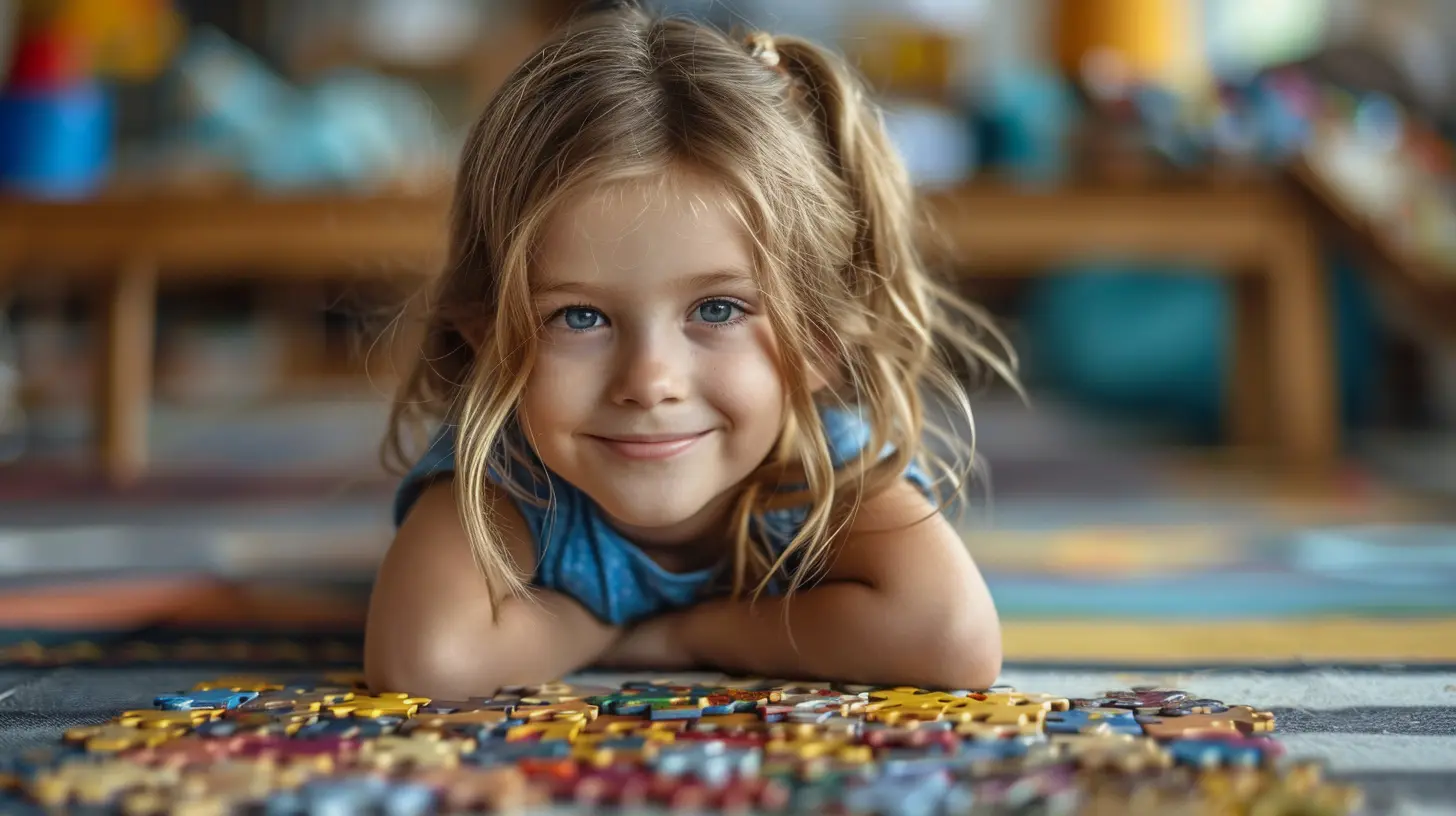
Why Problem-Solving Skills Matter More Than Ever
Before we get into puzzle games, let’s pause for a second. Why is problem-solving such a big deal? Because life is messy! We’ve all been there—stuck in situations where you’ve got to think on your feet or get creative to find a way out.Kids who develop these skills early are better equipped for, well, pretty much everything—school, relationships, jobs, you name it. Teaching problem-solving is like giving your child a Swiss Army knife for life. Handy, right?
So, the million-dollar question: how can we teach problem-solving without boring them out of their minds or making it feel like a chore? That’s where puzzle-based games swoop in to save the day. 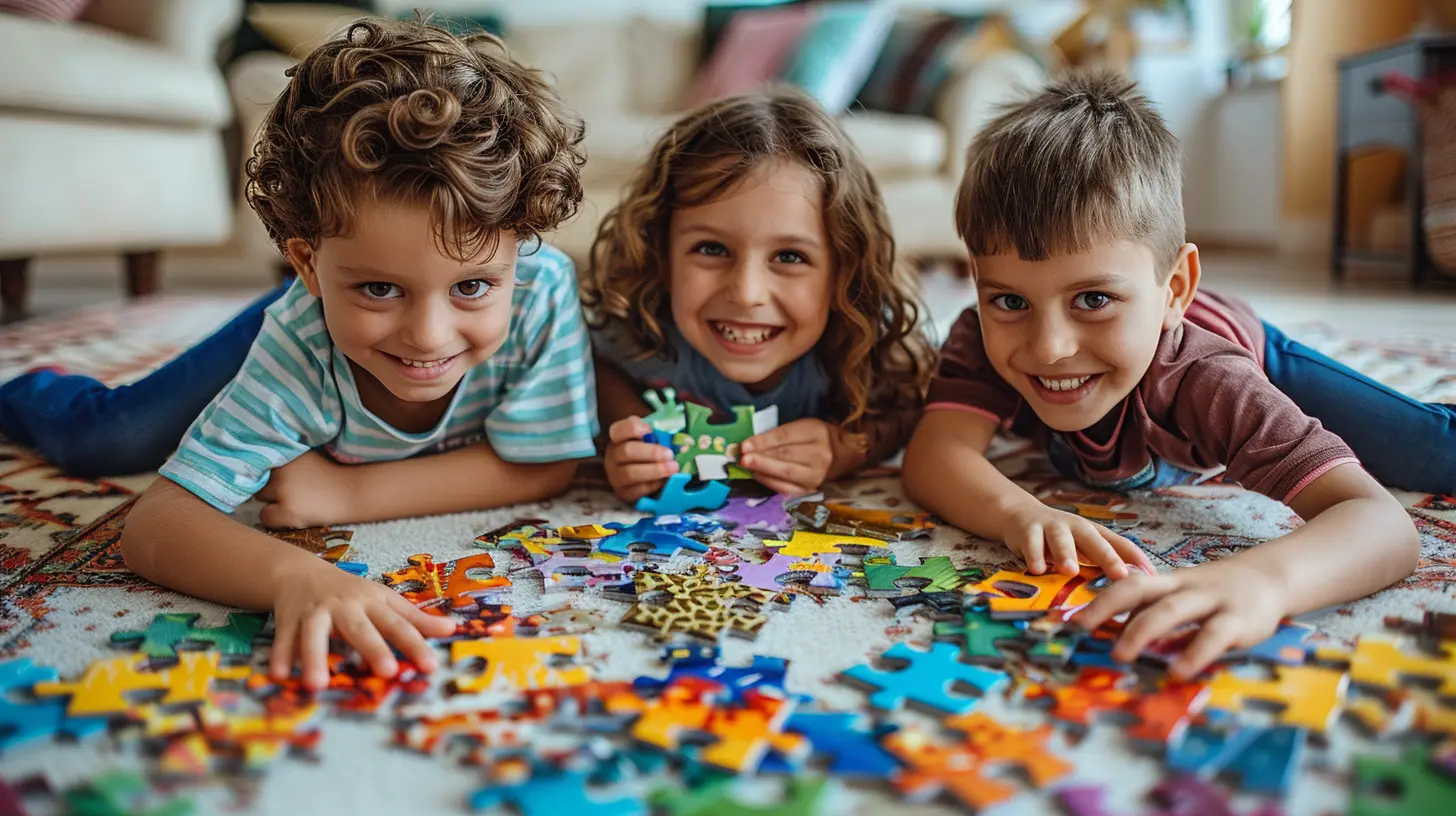
The Power Of Puzzle-Based Games For Young Minds
Puzzles are like mental workouts. They challenge kids to think critically, spot patterns, and find creative solutions. But here’s the magic: puzzles are fun. Your kids won’t even realize they’re working their brains because they’re too busy trying to crack the code or fit that darn puzzle piece into place.Researchers have even found that puzzles help with:
- Improved Cognitive Function: Solving puzzles literally lights up the brain like a Christmas tree.
- Better Emotional Control: They teach patience, grit, and the oh-so-important ability to keep going when things get tough.
- Social Skills: Cooperative puzzle games mean teamwork, communication, and maybe even some leadership skills.
See? Puzzles aren’t just games; they’re undercover life lessons. 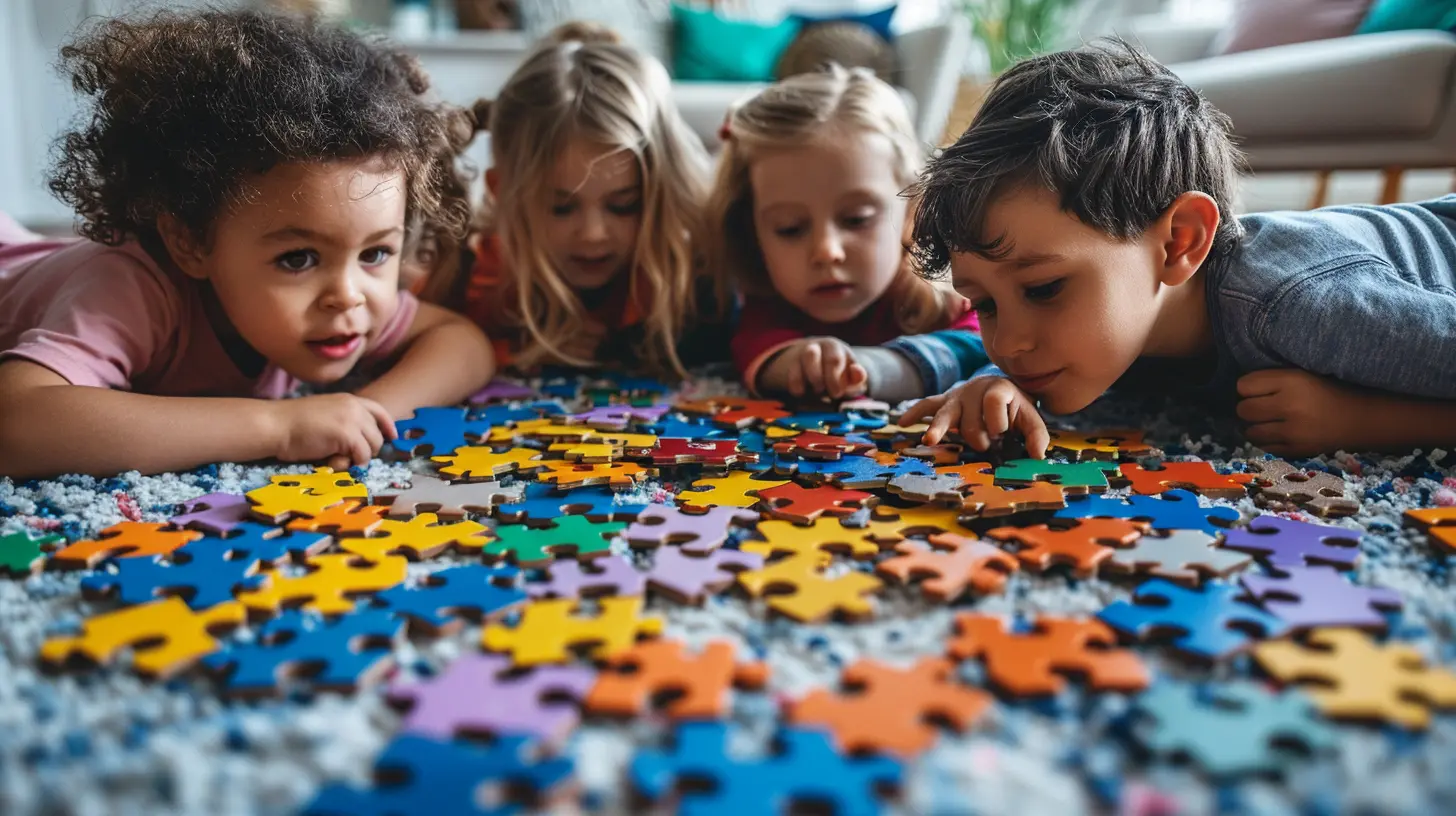
Best Puzzle-Based After-School Games To Boost Problem-Solving
Ready to level up your parenting game? Let me hit you with some top-notch puzzle-based after-school activities. These aren’t your run-of-the-mill games—they’re engaging, brain-busting, and perfect for the after-school slump.1. Escape Room-Style Games
If your kids love adventure, escape room-style games are a no-brainer. Picture this: your child is “locked” in a mythical dungeon and needs to solve riddles, crack codes, and piece clues together to “escape.”Why they’re awesome:
- They foster out-of-the-box thinking.
- Kids learn to break big problems into smaller, manageable tasks.
- Working together teaches teamwork and communication.
Bring it home: You don’t need a fancy setup. Grab an at-home escape room kit or even create DIY versions with clues and household items.
2. Jigsaw Puzzles With A Twist
Sure, regular jigsaw puzzles are great, but why not kick it up a notch? Try puzzles with hidden challenges, like glow-in-the-dark pieces or reverse-facing images where the “front” picture is actually the “back.” Trust me, your kids will be hooked.Why they’re awesome:
- They enhance pattern recognition.
- Kids develop focus and concentration.
- Everyone gets a confidence boost when that last piece finally fits.
Pro tip: Make it social! Host a family jigsaw challenge with a timer to see who can finish first.
3. Logic-Based Board Games
Introduce your kids to games like Clue, Codenames, or Mastermind. These games are packed with deduction, analysis, and reasoning.Why they’re awesome:
- Kids learn to strategize and make predictions.
- It’s like giving their memory and logic a little boot camp.
- Games like these improve decision-making under pressure.
Bonus: They’re perfect for family game nights (yes, screen-free fun does exist!).
4. Puzzle Apps And Online Games
Okay, I get it. Screens aren’t the enemy 24/7. If you set limits and choose the right puzzle apps or interactive games, they can work wonders. Look for kid-friendly options like Math Puzzles, Sudoku for Kids, or even Minecraft if used in moderation.Why they’re awesome:
- They cater to all skill levels and grow with your child’s abilities.
- Many are educational without being obvious about it.
- Some offer collaborative features so kids can play with friends.
Heads up: Set screen time boundaries and avoid games that are more flashy than functional.
5. Treasure Hunts And Scavenger Puzzles
Remember old-school treasure hunts? Take it to the next level with puzzles and riddles that lead to the next clue. This works indoors, outdoors, or even at birthday parties.Why they’re awesome:
- They encourage critical thinking and spatial awareness.
- Kids learn to link separate ideas to achieve a bigger goal.
- They’re great for groups, so everyone works together.
Don’t worry—you don’t need to be a Pinterest pro. Keep it simple with riddles scribbled on note cards or follow easy templates online.
6. STEM Building Challenges
While not “puzzles” in the traditional sense, STEM-based games like LEGO challenges, building marble runs, or designing simple machines are goldmines for problem-solving.Why they’re awesome:
- They combine creativity with structured thinking.
- Kids figure out trial-and-error methods.
- They build resilience (because things fall apart before they come together).
Feeling ambitious? Challenge your kid to build a structure strong enough to hold a book—or even the family cat! (Kidding...kind of.) 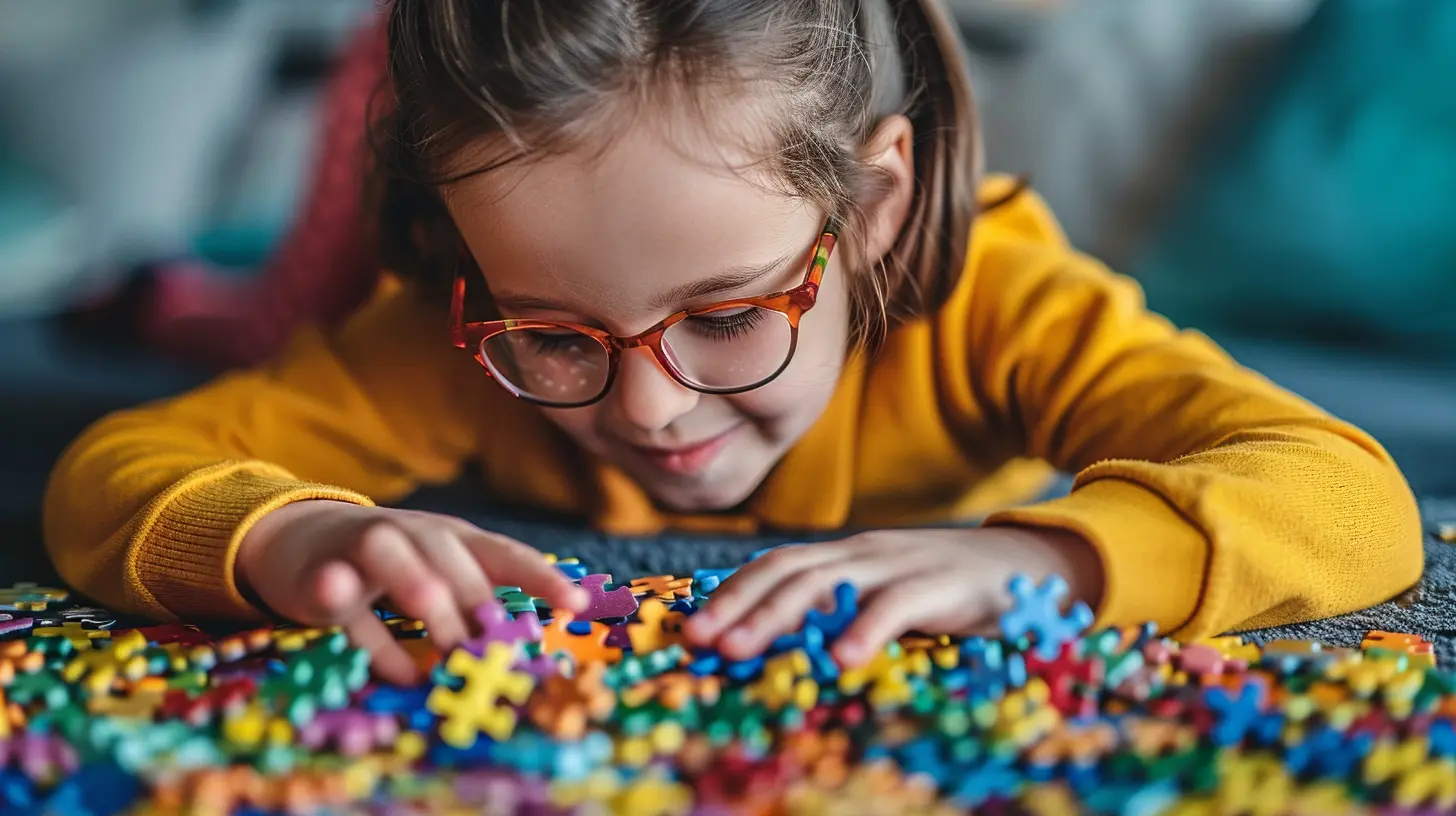
How To Incorporate Puzzle Games Into Daily Life
It’s one thing to know about puzzle-based games—it’s another to actually fit them into your already packed schedule. Don’t stress! Here are a few tips to make it work:- Set a Routine: Designate a specific hour for puzzle games, whether it’s after homework or before dinner.
- Keep It Casual: Don’t make it feel like extra schoolwork. Let it be a fun wind-down activity.
- Get Involved: Join in! Kids love it when parents play along (even if they’re secretly just trying to beat you).
- Mix It Up: Alternate between hands-on puzzles, board games, and digital options to keep it fresh.
The Long-Term Rewards Of Puzzle Games
Here’s the thing: before you know it, your little puzzle master will start applying those skills everywhere. Whether it’s tackling math problems, solving sibling skirmishes, or eventually navigating adult life, those early problem-solving skills will stick around.And the best part? Puzzles aren’t just about the destination (solving them); they’re about the journey. They teach kids to embrace challenges, learn from mistakes, and keep going even when the going gets tough.
So the next time you’re stumped on how to keep your kids busy post-school, whip out a puzzle game. Trust me, it’s a parenting win that you (and your kids) will thank yourself for later.
all images in this post were generated using AI tools
Category:
After School ActivitiesAuthor:

Tara Henson
Discussion
rate this article
2 comments
Denise Mercado
Great insights! Puzzle games are a fun way to enhance critical thinking and teamwork in children.
April 14, 2026 at 3:55 PM
Tara Henson
Thank you! I'm glad you found the insights valuable. Puzzle games truly do foster critical thinking and teamwork in children.
Duke O'Brien
Great insights! Engaging children through puzzles fosters critical thinking skills.
April 10, 2026 at 3:28 AM
Tara Henson
Thanks for your feedback! I'm glad you found the insights valuable. Engaging kids with puzzles really does spark their thinking skills.