Promoting a Positive Relationship With Food in Your Children
5 December 2025
Let’s be honest—raising little humans is tough. Between the mess, the meltdowns, and the 3 AM feedings that turn into philosophical debates on why broccoli exists, parenting is no snooze fest. Now add food into the mix... yikes.
You might already be familiar with the dinner table standoff: your child stares suspiciously at a plate of peas like it's a trap, and you’re trying not to bribe them with ice cream (again). So how do we help our kids grow up with a healthy, positive relationship with food? One that doesn't revolve around guilt, restriction, or reward?
Well, grab your coffee and settle in. Let’s unpack this together.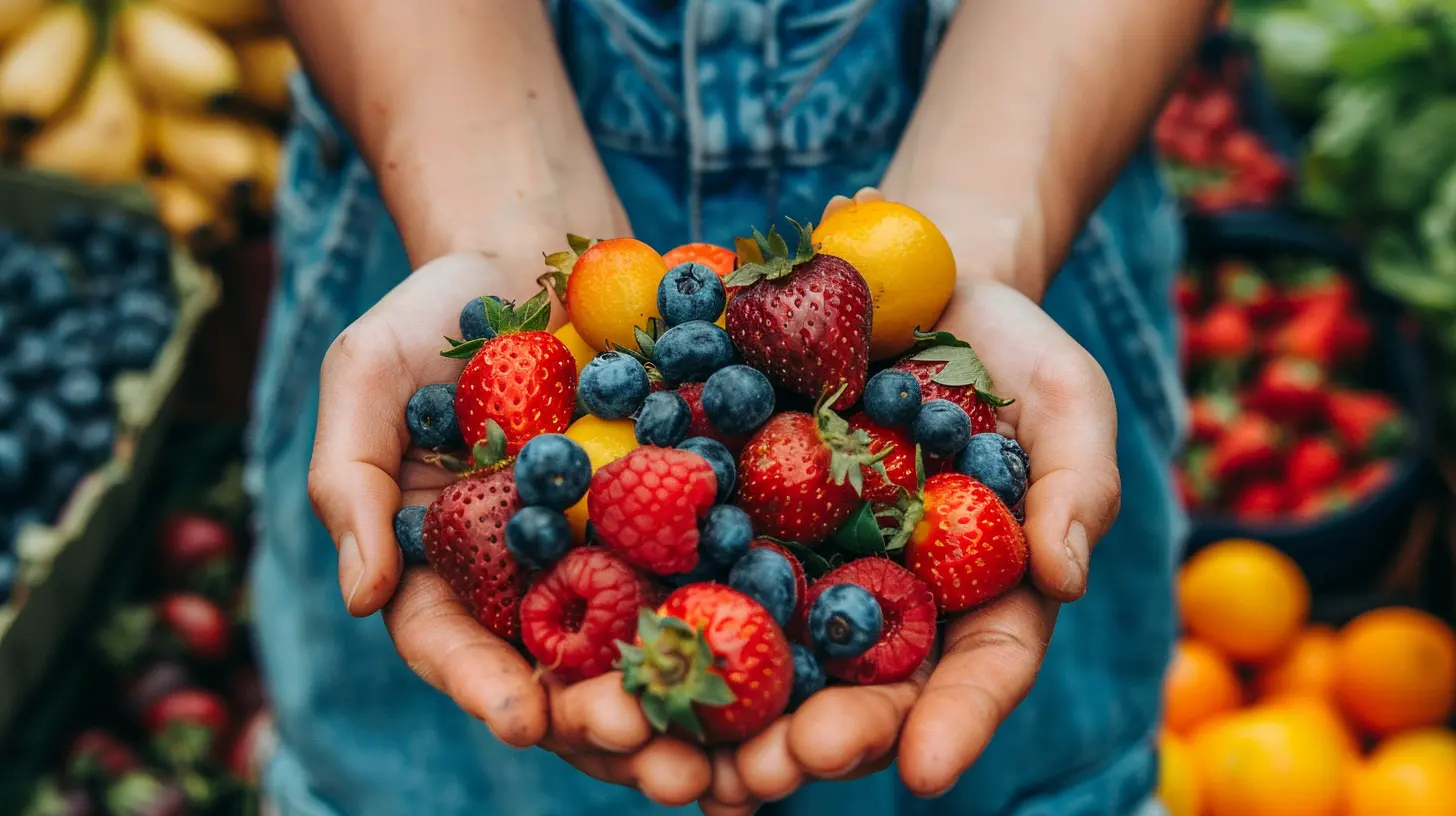
Why a Positive Relationship With Food Even Matters
Food is more than just fuel. It’s celebration. It’s comfort. It’s culture. But when children grow up associating food with stress, guilt, or shame, those patterns can trail them into adulthood like a shadow they can’t shake off.A healthy relationship with food helps your child:
- Understand hunger and fullness cues
- Feel confident and comfortable trying new foods
- Avoid emotional eating patterns
- Have better physical AND mental health
Truth is, we’re not just feeding their bodies—we’re feeding their mindset, too.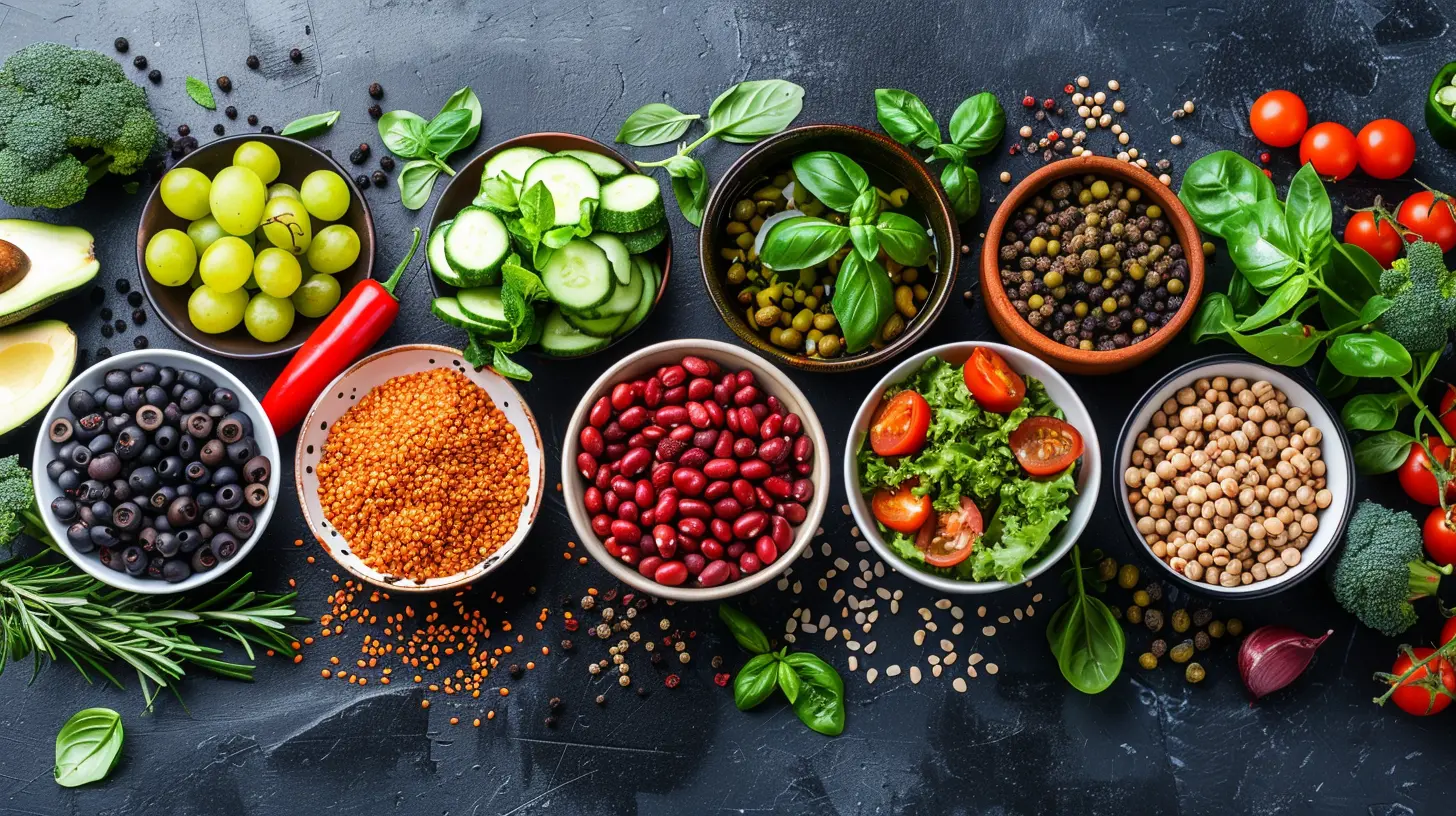
Start With Yourself First
Here’s a hard truth: kids are little sponges. They’re watching everything we do. If we label cake as “bad” or complain about carbs ruining our “diet,” they’re picking up on that energy.So before anything else, ask yourself:
- Do I talk negatively about certain foods?
- Do I obsess over weight or calories in front of my kids?
- Do I use food as a reward or punishment?
If the answer is yes to any of these, don’t beat yourself up. Awareness is the first step. Start shifting the conversation. Use neutral language around food and avoid moralizing it. Pizza isn’t “bad,” it’s just pizza. Carrots aren’t “good”—they’re just carrots.
Ditch the Clean Plate Club
Raise your hand if you were told to “finish everything on your plate” growing up.Yep, most of us. But forcing kids to eat past their fullness teaches them to ignore their body’s natural hunger cues. Respect their “I’m full” the same way you’d want someone to respect yours. Wouldn’t you hate it if someone hovered over you while you ate dinner, begging you to take one more bite?
Allowing kids to listen to their body helps build trust—and that’s huge.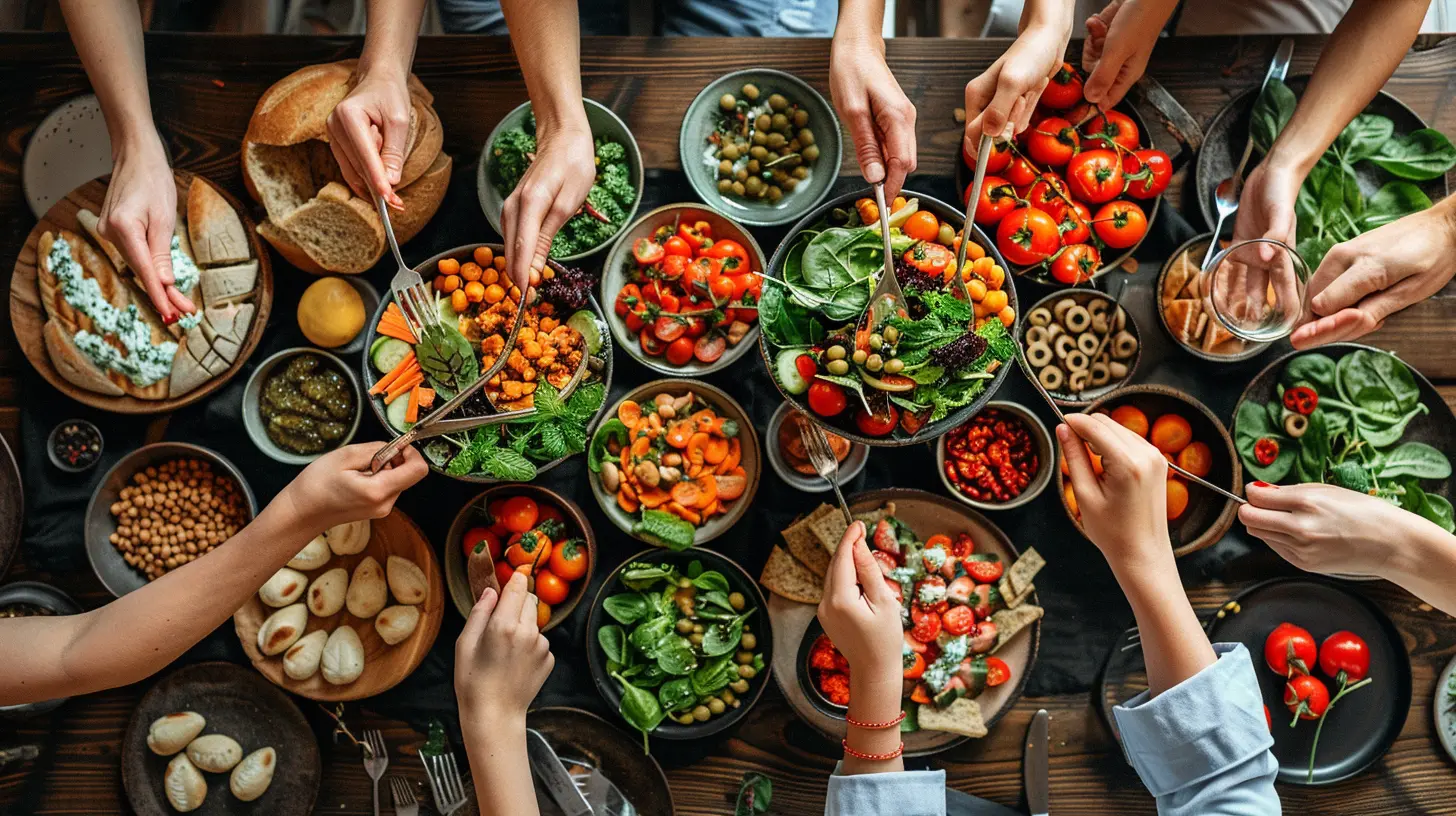
Avoid Using Food As a Bribe or Punishment
This one’s a tricky trap. It sounds harmless to say, “If you eat your broccoli, you can have dessert.” But here's what’s really happening under the surface:- It makes veggies the chore and dessert the prize.
- It sends the message that some foods are more valuable or “fun” than others.
- It teaches kids to eat for external rewards—not internal hunger.
Instead, keep dessert neutral. Skip negotiations. Make broccoli taste good on its own merit (hello, garlic and cheese), and let dessert occasionally roll onto their plate without a big to-do.
Make Mealtime a Judgement-Free Zone
Here’s a crazy idea—what if dinnertime didn’t feel like a battlefield?Try creating a low-pressure environment where new foods are offered, but never forced. This might mean putting one unfamiliar food on their plate alongside things they already like. No pressure. No “just try one bite.” Just exposure.
You'd be surprised how often kids will eventually taste that new veggie when there’s no stress tied to it. Repeated exposure works like magic—but it takes time.
Get Them Involved in the Kitchen
Want to make food exciting... rather than a chore? Let your kids into the kitchen. Yes, it’s messy. Yes, it’ll take longer. But involving them in cooking is like giving them VIP access to the food world. They’ll feel proud of what they create, even if it’s just spreading peanut butter on toast.Some ways to include them:
- Let them pick a veggie at the store
- Give them “safe” jobs like mixing or washing produce
- Ask their opinion on new recipes
When they feel part of the process, they’re more likely to be curious—and even excited—about trying new foods.
Be a Food Explorer, Not a Food Enforcer
Changing the language around food can make a huge difference. Instead of “You have to eat this,” try “Let’s see what this tastes like together” or “Want to be a food scientist and test this?”Make it playful. Be curious. Channel your inner Dora the Explorer and go on food adventures together.
When kids feel like they have agency and aren’t being forced, their defenses go down. And curiosity goes up.
Celebrate All Bodies, Including Yours
Another biggie: body image. Kids start noticing body types early—sometimes as young as three years old. And if all they hear is “I need to lose weight” or “I look fat in this,” they might start internalizing those same feelings.Talk about bodies in terms of strength, function, and uniqueness—not size. Compliment them on their creativity, their kindness, their bravery—not their looks.
Your body is doing amazing things, and it deserves love right where it’s at. Model that self-love loudly and often.
Keep the Food Talk Neutral But Positive
It’s tempting to categorize food: veggies are good, candy is bad. But when we do that, we risk creating guilt around eating “bad” food and pressure around always eating “good” food.Try this instead:
- Talk about how different foods help our bodies. “Carrots help our eyes.” “Chicken gives us energy to run.”
- Emphasize balance, not restriction.
- Let them see that all foods can fit into a healthy diet without shame.
Basically, be the Switzerland of food—neutral but supportive.
Know That Picky Eating is Normal
Spoiler alert: Most kids go through a picky phase. It doesn’t mean you're failing. It doesn’t mean they’re doomed. It just means they're... kids.Stay calm. Keep offering a variety. Try different textures and seasonings. Sometimes it takes 10, 15, even 20 exposures before they’ll touch something new.
Avoid forcing, pleading, or tricking. Sure, hiding spinach in muffins might work once—but it doesn’t teach them that spinach can actually taste good in its own right.
Consistency, not coercion, is your best friend here.
Focus on Long-Term Habits Over Short-Term Wins
It’s easy to panic when your kid isn’t eating veggies today. But take a deep breath and zoom out: you’re building a lifelong relationship with food, not winning tonight’s dinner.Focus on the habits you're modeling:
- The calm you bring to the table
- The variety you offer
- The conversations you have around food and bodies
These are what stick in the long run—even if tonight's broccoli ends up in the dog’s bowl (again).
Practice Patience (and Give Yourself Grace)
Look, no one’s perfect. You’re going to mess this up sometimes. You’ll say the wrong thing. You’ll lose your patience. That’s okay.Promoting a positive relationship with food isn’t about doing everything right. It’s about showing up consistently with love, curiosity, and connection. It’s about helping your child feel safe—emotionally and physically—around food.
You’re not just raising a healthy eater. You’re raising a whole person. And that? That matters more than what ends up on their plate.
Final Thoughts
Building a positive relationship with food in your children is a journey, not a destination. It’s messy and imperfect—but it's also beautiful. With patience, intention, and a lot of grace, you can help your child grow up loving food, respecting their body, and enjoying meals without fear or shame.So the next time your kid refuses the cauliflower, don’t sweat it. You’re not raising a perfect eater—you’re nurturing a healthy, confident human being. And that’s what truly matters.
all images in this post were generated using AI tools
Category:
Healthy EatingAuthor:

Tara Henson
Discussion
rate this article
2 comments
Xavi McIntyre
Thank you for this insightful article! Fostering a healthy relationship with food is essential for our children's well-being and development. I appreciate your guidance!
December 17, 2025 at 6:00 PM
Tara Henson
Thank you for your kind words! I'm glad you found the article helpful in nurturing healthy food relationships for children.
Rex Wood
This article beautifully emphasizes the importance of nurturing a healthy relationship with food in our children. By modeling positive attitudes and encouraging exploration, we're equipping them with lifelong habits. Thank you for sharing such valuable insights for all parents!
December 5, 2025 at 5:10 AM
Tara Henson
Thank you for your kind words! I'm glad you found the insights valuable for fostering positive relationships with food in children. Your support is truly appreciated!