Raising an Active Child: How to Inspire a Love for Movement
9 December 2025
Let’s face it—getting kids off the couch and into action can be exhausting. Between screens, school pressures, and busy schedules, it's no wonder our little ones often gravitate toward the easiest choice: sitting still. But here's the kicker—kids are born to move. From the moment they waddle across the room to chase a balloon, their bodies are wired for action.
So, how do you nurture that spark and keep them moving as they grow? That’s what we’re diving into today. Whether you’ve got a video-game-loving child or one who’s already bouncing off the walls, this guide is packed with practical tips, real-life examples, and a little parenting humor to help you raise an active, movement-loving child.
Why Movement Matters More Than You Think
Let's start with the why.Encouraging a love for movement isn’t just about physical health—though, yes, it helps keep the doctor away. It’s also about mental well-being, confidence, social skills, and even better sleep. When kids stay active, they’re not just burning calories; they’re building life skills.
Here’s what movement helps with:
- Boosts mood (hello, endorphins!)
- Improves focus (especially important during school hours)
- Enhances coordination and motor skills
- Strengthens muscles and bones
- Encourages better sleep habits
Not to mention, being active helps kids blow off steam. Ever had a child throw a tantrum after running around outside for two hours? Didn’t think so!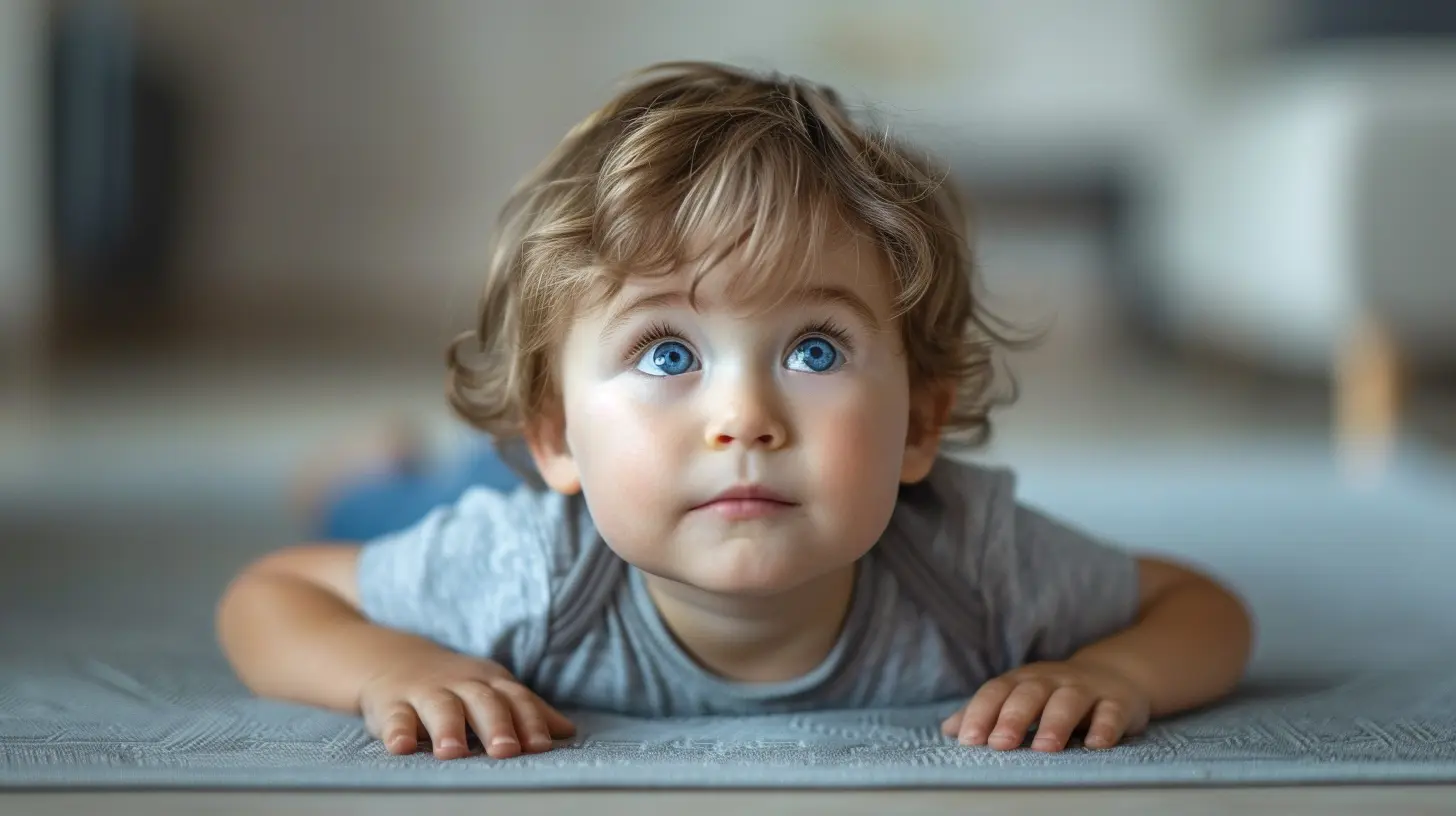
Start Young: How Early Movement Shapes Habits
You don’t have to wait until your child joins soccer to inspire movement. It starts waaay before that. Even toddlers can learn that movement is fun.Make it natural. Instead of “exercise,” think of “play.” You don’t need a structured routine. Just turning the living room into an obstacle course, playing dance freeze, or chasing bubbles outside sets the tone.
Why it works:
- Movement becomes a normal part of life
- They associate activity with joy, not just exercise
- You strengthen your bond while playing
Remember, young kids don’t need fancy equipment. They need you, space to move, and a little imagination. If you can turn laundry baskets into rocket ships, you’re on the right track.
Be the Role Model—Yes, That Means Moving Too
Here’s a hard truth: kids do what you do, not what you say.If we’re glued to our phones or the couch, they notice. On the flip side, if they see you walking the dog, stretching in the morning, or dancing in the kitchen while scrambling eggs—they're so much more likely to follow suit.
You don’t need to be a fitness guru. Just show up. Try:
- Talking about how good you feel after a walk
- Including your child in your movement (yoga, backyard soccer, silly races)
- Making family movement a thing everyone looks forward to
Think of yourself as their movement mentor. You’re planting the seeds for a lifestyle that lasts.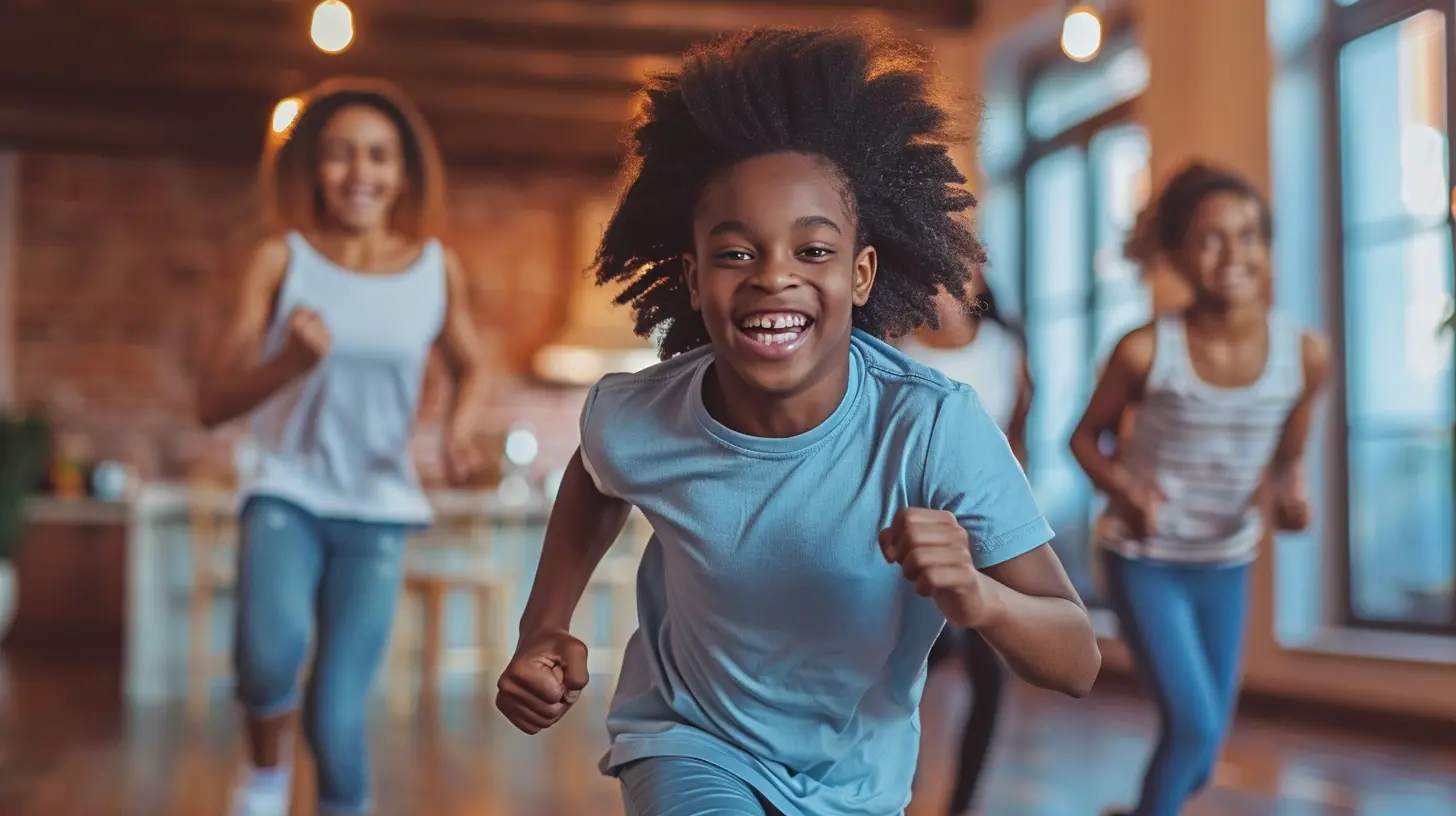
Make Movement Fun and Not a Chore
We’ve all heard it—“I don’t want to go outside!” cue dramatic flop on the floorPressuring kids to move or turning it into a punishment can backfire fast. Instead, steer the focus toward the fun.
Here’s how:
- Let them choose: Would they rather ride bikes or play tag?
- Mix it up: Try different activities every week—skating, swimming, climbing, hopping races, scavenger hunts.
- Gamify it: Use apps like GoNoodle or try family movement challenges (e.g., 100 skips a day!)
- Celebrate, don’t compare: Praise effort, not ability. “Wow, you ran so fast!” hits better than “Why didn’t you win?”
Think of movement like broccoli—it’s way easier to eat when it’s dipped in cheese (aka fun).
Tapping Into Their Interests
Some kids like sports. Others, not so much.The key is finding their thing. If we try to push every kid into the same mold, we’re going to get resistance. But tailor activities to their personality? That’s where the magic happens.
Here are some ideas:
- Creative kids: Dance, hula hooping, drama classes with movement
- Nature lovers: Hiking, tree climbing, treasure hunts in the park
- Builders and thinkers: Geocaching, obstacle course building, scavenger hunts
- Social butterflies: Team sports, martial arts, group dance
- Solo players: Swimming, cycling, rollerblading
Give them the freedom to explore. The more you personalize, the more likely they are to stick with it.
Using Environment to Your Advantage
If you want an active child, your home can't be a total "no touch" zone. Think about how your space encourages—or discourages—movement.Easy tweaks to consider:
- Keep scooters, jump ropes, or balls where they can grab them (not buried in the garage!)
- Clear space for indoor play—think yoga mats, balance beams made from painter’s tape, or hopscotch tiles on the floor
- Schedule regular screen-free times to unplug and stretch
Create a “yes” environment for movement. Instead of “no jumping,” try, “let’s jump on the trampoline outside.” Instead of “don’t be wild,” say, “let’s get our wiggles out first.”
Don’t Forget the Power of Routine
Kids thrive on routine—and movement can be part of that daily rhythm.Try plugging activity into:
- Before school: A quick dance party or walk to the bus stop
- After school: 30 minutes outside before homework time
- Evenings: Family bike rides, backyard games, or stretching before bed
Once it becomes part of the routine, they won’t even realize they’re “exercising”—it’s just what they do. Like brushing teeth or storytime.
Devices, Screens & Sedentary Traps (And How to Beat Them)
We’re not living in the '90s anymore. Tablets are here, and yes—they’re not going anywhere. While screen time isn’t the villain, too much of it can steal valuable movement time.Here’s how to strike a balance:
- Use screens as a reward after movement time
- Set timers for breaks: “Every 30 minutes of screen time = 10 minutes of movement”
- Choose active video games (think Wii or fitness challenges)
- Watch TV while doing stretches, hula hooping, or jumping jacks
It’s all about flipping the script. Make screen time complement movement instead of replacing it.
Build Confidence Through Activity
Sometimes, kids avoid movement because they don’t feel good at it. They might worry about falling, losing, or being judged.Here’s how to help:
- Choose non-competitive activities to start with
- Celebrate trying, not just “winning”
- Share your own struggles—“I couldn’t ride a bike until I was 10!”
- Encourage them to set tiny goals (e.g., “Let’s try one pull-up today”)
Movement should feel empowering. It’s not about being the fastest or strongest—it’s about feeling proud of what your body can do.
When They Want to Quit, Keep It Positive
Even the most active kids go through slumps. It’s part of growing up. Maybe they lose interest, maybe they’re discouraged, or maybe—let’s be honest—they’re just tired.Instead of forcing them to “stick it out,” try this:
- Reflect together: “What did you like or not like?”
- Offer alternatives: “Would you rather try a new activity?”
- Keep the door open: “If you ever want to go back, we can!”
- Encourage breaks and rest—it’s essential for both mind and body
Quitting isn’t failure. It’s feedback. Use it as a guidepost—not a guilt trip.
Final Thoughts: You’ve Got This
Raising an active child isn’t about perfection. It’s about showing up, being consistent, and creating a lifestyle where movement is natural, joyful, and celebrated.Your child doesn’t need to be the next Olympic gold medalist. They just need a parent who believes in the power of play, chases them through the park, and high-fives them for climbing that tree—even if it’s only two feet off the ground.
So, lace up your sneakers, open the door, and go move together.
Let’s raise kids who run toward life—not away from it.
all images in this post were generated using AI tools
Category:
Childrens HealthAuthor:

Tara Henson
Discussion
rate this article
2 comments
Rusty Harris
Encourage exploration and freedom! Kids thrive when allowed to move, play, and discover the world around them.
December 19, 2025 at 4:13 AM
Tara Henson
Absolutely! Encouraging exploration and freedom is essential for fostering a love for movement in children. It allows them to learn, grow, and develop a lifelong appreciation for physical activity.
Sylvan McDonald
Absolutely loved this article! Inspiring kids to move is so important. It's all about making play fun and engaging!
December 12, 2025 at 5:07 PM
Tara Henson
Thank you! I'm glad you enjoyed the article and agree—making movement fun is key to inspiring kids!