Raising Kids With Diverse Tastes: The Importance of Trying New Cuisines
6 December 2025
Parenting is a journey filled with surprises, lessons, and countless opportunities to shape young minds. One of the most enjoyable yet challenging aspects? Getting kids to eat a variety of foods! If your little one insists on a strict diet of chicken nuggets and mac 'n' cheese, you're not alone. But introducing them to diverse cuisines is more than just expanding their palate—it's about embracing cultures, fostering open-mindedness, and setting them up for a lifetime of culinary adventure.
So, why is it essential to raise kids with diverse tastes? Let’s dig in! 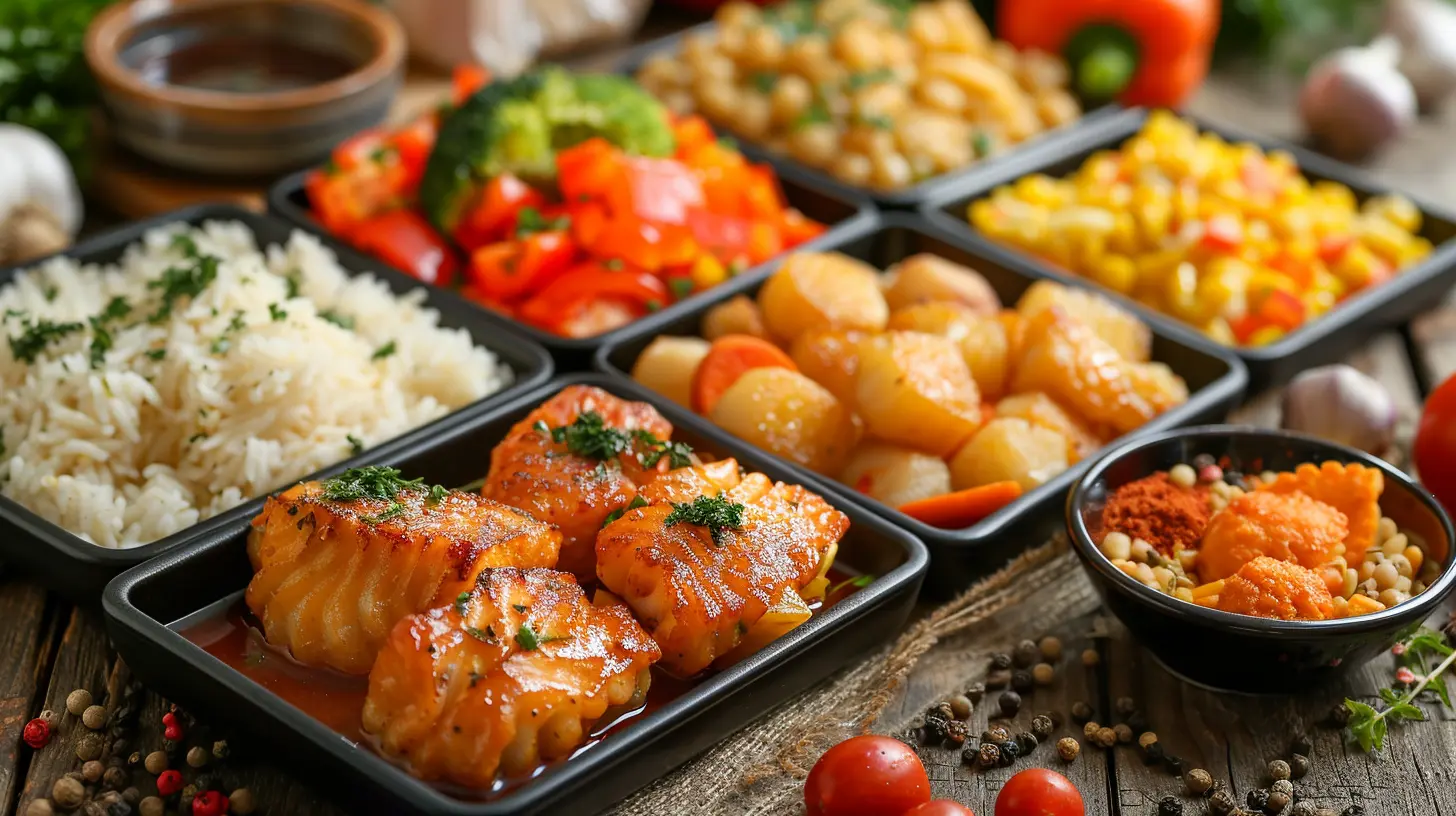
Why Trying New Cuisines Matters
Food is more than just fuel; it’s a connection to history, culture, and people. By encouraging your child to try different cuisines, you're giving them a passport to the world—one bite at a time.1. Encourages Open-Mindedness
Kids who grow up eating a variety of foods tend to be more open to new experiences in general. When a child tries sushi, lentil curry, or a spicy taco, they’re learning that the unfamiliar isn’t necessarily scary—it’s just different. And different can be exciting!2. Promotes Healthy Eating Habits
Let’s be honest: many processed kid-friendly foods are packed with preservatives, sugar, and unhealthy fats. Introducing children to different cuisines means they’re more likely to eat fresh fruits, vegetables, lean proteins, and whole grains—all the good stuff their growing bodies need.3. Cultivates Cultural Awareness and Respect
Experiencing other cultures through food is one of the easiest ways to teach kids about diversity and inclusion. Food tells stories—about family traditions, geography, and history. When your child enjoys a bowl of pho or bites into a tamale, they’re not just tasting something new; they’re experiencing a piece of someone’s heritage.4. Expands Their Palate for the Future
Ever met an adult who refuses to eat anything beyond burgers and fries? Chances are, they weren’t introduced to a variety of foods as kids. The earlier children try new flavors and textures, the more adventurous they’ll be with food as they grow older.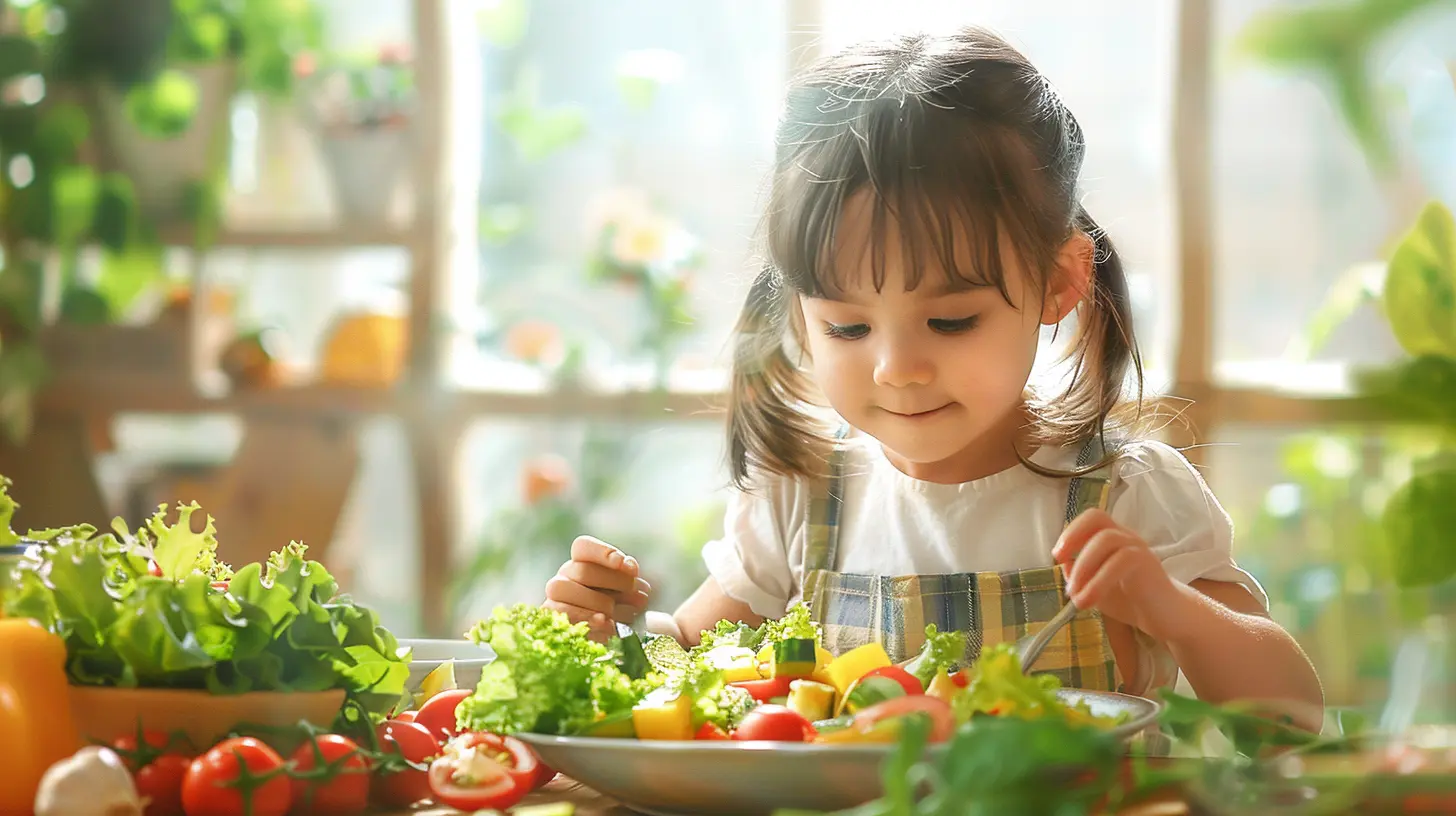
Tips for Introducing Kids to New Cuisines
Now, getting kids to try unfamiliar foods isn’t always a walk in the park. Some days, it might feel like convincing a cat to take a bath. But don’t worry—these tips can help make the transition smoother.1. Start Small and Familiar
If your child is hesitant about new foods, try introducing dishes with ingredients they already love. Does your kid enjoy chicken? Serve them teriyaki chicken or chicken tikka masala to ease them into new flavors.2. Make It Fun and Interactive
Kids love being involved in the process! Let them help prepare meals, choose ingredients, or even pick a new cuisine to try for “International Dinner Night.” Seeing and touching the ingredients can help make the dish less intimidating.3. Use Creative Names
Sometimes, a fun name can make all the difference. Instead of saying, “We’re eating Indian food tonight,” try, “Tonight, we’re having Magic Spice Chicken with Fluffy Bread!” Sounds way more inviting, right?4. Introduce New Foods Alongside Favorites
Pairing a new dish with something your child already enjoys can make them more willing to take a bite. If they love rice, serve it with a mild curry. If pasta is their go-to, try a Mediterranean-style pasta with new seasonings and ingredients.5. Don’t Force It—Be Patient
Pressuring kids to eat something often backfires. Instead, encourage a “one-bite rule.” If they try it and don’t like it, that’s okay! Tastes change over time, and exposure is key.6. Tell a Story About the Food
Kids love stories, so why not use food as a storytelling tool? Explain where the dish originated, how it’s traditionally eaten, or any fun facts. For example, “Did you know sushi chefs in Japan train for years before they can serve customers?” Instant curiosity boost!
Kid-Friendly International Dishes to Try
If you’re unsure where to start, here are some kid-approved dishes from around the world that are flavorful yet approachable.1. Tacos (Mexico) 🌮
Tacos are endlessly customizable. Let your child build their own with mild meats, cheese, and veggies.2. Dumplings (China) 🥟
Soft, doughy, and fun to eat—dumplings can be stuffed with familiar fillings like chicken and veggies.3. Pasta Carbonara (Italy) 🍝
Creamy pasta with crispy bacon? Hard to resist!4. Chicken Satay (Thailand) 🍢
Mildly spiced grilled chicken skewers served with peanut sauce—kids love dipping food!5. Falafel (Middle East) 🥙
Crispy chickpea patties served with hummus—a great meat alternative full of protein.6. Sushi Rolls (Japan) 🍣
Start with simple rolls like cucumber or avocado before introducing raw fish.7. Pierogi (Poland) 🥟
These potato-filled dumplings are like little pillows of happiness!Trying new cuisines doesn’t mean jumping straight into ultra-spicy or exotic dishes. Start mild, keep it fun, and let your child’s taste buds lead the way. 
Overcoming Common Challenges
Let’s address the elephant in the room—sometimes, new foods are just not a hit. Here’s how to tackle common obstacles:1. "It looks weird!"
Kids eat with their eyes first. Present new foods in a visually appealing way—colorful plates, cute shapes, or fun serving styles.2. "It smells funny!"
Certain spices and ingredients may have strong aromas. Start with milder versions of dishes and gradually introduce bolder flavors.3. "I don’t like it!"
That’s okay! Encourage them to try just one bite. If they don’t like it today, they might in a few months. Keep offering without pressure.Final Thoughts
Raising kids with diverse tastes is about more than just food—it’s about nurturing curiosity, appreciation, and a sense of adventure. By exposing your child to a world of flavors, you're not just expanding their menu options; you’re helping them grow into open-minded, well-rounded individuals.It won’t happen overnight, and there will be picky moments. But with patience, creativity, and a sprinkle of fun, your child might just surprise you with a new favorite dish!
all images in this post were generated using AI tools
Category:
Healthy EatingAuthor:

Tara Henson
Discussion
rate this article
2 comments
Savannah Wheeler
Stop limiting your child's palate! Expose them to diverse cuisines early on. It’s not just about food; it's about fostering open-mindedness and cultural appreciation. Start today!
December 13, 2025 at 3:48 AM
Tara Henson
Absolutely! Introducing diverse cuisines to children not only enriches their taste buds but also cultivates open-mindedness and cultural appreciation from an early age. It's a valuable journey worth starting now!
Zylith McNair
Thank you for this insightful article! Encouraging kids to explore diverse cuisines not only broadens their palates but also fosters openness and understanding of different cultures. It’s a simple yet powerful way to teach appreciation for diversity in all aspects of life. I can't wait to try some new recipes!
December 10, 2025 at 3:30 AM
Tara Henson
Thank you for your thoughtful comment! I'm glad you found the article insightful and inspiring. Happy cooking!