Raising Siblings Who Support Each Other
28 December 2025
Let’s be real—raising kids isn’t easy. And when you’ve got more than one? It’s like juggling flaming swords while riding a unicycle… blindfolded. Now, throw sibling dynamics into the mix, and things can get pretty wild. Ever wonder why some siblings grow up to be best friends while others can’t stand breathing the same air? The answer isn't just luck—it's parenting.
In this post, we’ll chat heart-to-heart about raising siblings who support each other, grow together, and—fingers crossed—become lifelong teammates.
Why Sibling Bonds Matter More Than We Realize
Before we dive into the how-to’s, let’s talk about why fostering sibling support is such a big deal.Siblings are our first peers. They can be our closest confidants, biggest critics, fiercest rivals, and strongest allies. When nurtured right, sibling relationships become a lifelong safety net—a shoulder during heartbreak, a partner in crime during childhood, and a ride-or-die in adulthood.
But here’s the kicker: these relationships don’t magically become healthy and supportive. They’re shaped, nurtured, and yes, sometimes even refereed by you—the parent.
The Myth of Natural Sibling Love
It’s easy to assume that just because kids are born into the same family, they’re automatically going to care for one another. But just like romantic love doesn’t sustain itself without effort, sibling love needs some intentional parenting too.Think of it this way: you wouldn’t expect a plant to grow without watering it, right? The same goes for relationships.
Start Early: Laying the Groundwork While They're Young
You know that saying, “Teach them while they’re young”? It couldn’t be more spot-on when it comes to building sibling bonds.1. Watch Your Words
The way you talk about each child sets the tone for how they see each other. Ever accidentally said, “Why can’t you be more like your sister?” Ouch. That stings.Avoid comparisons like the plague. They create competition, not connection. Instead, celebrate each child's uniqueness. Acknowledge their strengths without putting down the other.
2. Encourage Teamwork, Not Competition
Sure, a little friendly competition can be fun (board game night, anyone?), but constant comparisons foster jealousy and resentment.- Want to clean up toys? Make it a team effort.
- Cooking dinner? Assign them joint kitchen duties.
- Planning a family outing? Let them brainstorm ideas together.
The more they work together, the more they learn to value each other’s input.
3. Promote Empathy from the Get-Go
Kids aren’t born empathetic—it’s a learned skill. Encourage them to notice how their sibling is feeling.Try phrases like:
- “Look at your brother’s face—how do you think he’s feeling right now?”
- “Your sister seems upset. What do you think we can do to help her feel better?”
These little prompts go a long way in raising emotionally intelligent and supportive siblings.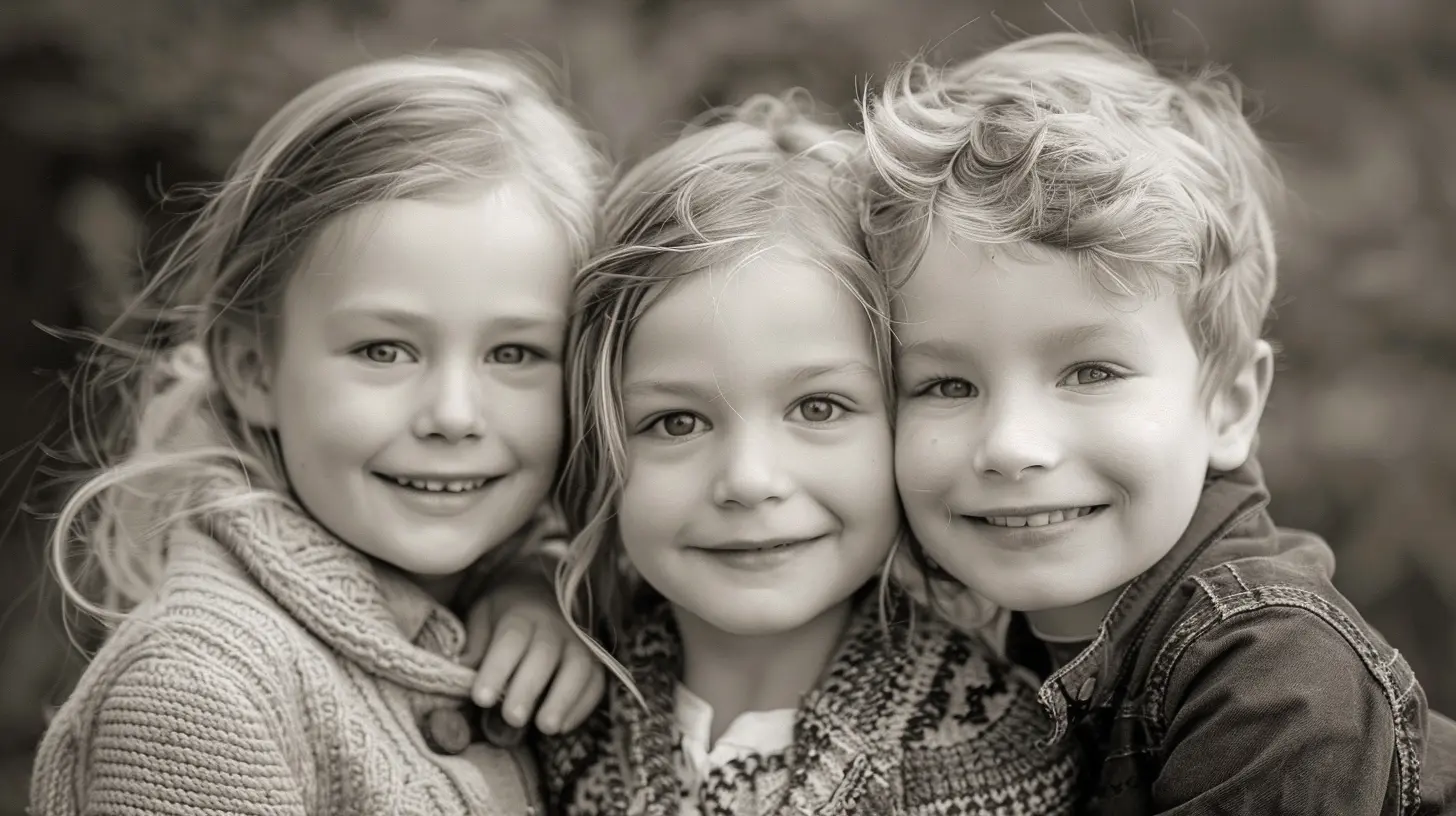
Don’t Play Favorites (Even If It’s Tempting)
Let’s be honest—there are days when one kid seems easier than the other. Maybe one’s more helpful, maybe one’s less whiny. But showing preference, even subtly, can wreak havoc on sibling relationships.Your kids notice. Always.
Instead, aim to meet each child where they are. That doesn’t mean treating them exactly the same—it means treating them fairly, according to their needs.
Create Shared Experiences and Traditions
There’s something magical about shared memories. They build a foundation for inside jokes, emotional connections, and strong family culture.Family Traditions That Foster Connection:
- Sibling sleepovers: Let them camp out in each other’s rooms once a month.- Joint birthdays or celebrations: Even if it’s just a shared cake or singing together.
- "Sibling surprise day": Where one sibling plans a fun activity for the other.
These moments build bonds money can’t buy.
Teach Conflict Resolution (Don’t Just Break Up Fights)
Let’s face it: fights are part of the sibling package. Trying to prevent them all would be like trying to stop a toddler from touching everything in a toy store. Not gonna happen.But here’s the twist—every fight is actually a teachable moment.
How to Guide Healthy Conflict Resolution:
1. Let them cool down first. No one makes good decisions when emotions are running high.2. Hear both sides—without judgment.
3. Label feelings: “It sounds like you were frustrated when she took your toy.”
4. Facilitate apologies, but don’t force them. Let them come naturally.
With time, they’ll start handling their conflicts more maturely—without you having to jump in every five seconds.
Celebrate Each Other’s Wins (And Losses)
One of the best habits you can cultivate in your kids is genuine joy for others’ success. You want them cheering each other on, not silently stewing in jealousy or one-upping.How do you get there? Start by modeling it. When one child achieves something, praise both their effort and the other sibling’s support.
Try saying:
- “I love how you clapped for your sister when she got her award!”
- “It’s awesome that you helped your brother practice for his spelling bee.”
Also, encourage them to lift each other up when things don’t go well—a hug after a tough game, a note of encouragement after a bad day. These are the building blocks of supportive siblings.
Embrace Their Differences
Sometimes, parents fall into the trap of wanting their kids to be the same—to be close, act alike, like the same things. But here’s a truth bomb: support doesn’t require sameness.Actually, knowing they’re different—and still having each other’s back—makes their bond even stronger.
Let them explore their own identities. One might be artsy, the other athletic. One might be outgoing, the other shy. Instead of pushing them to be alike, teach them to appreciate each other’s quirks.
Lead by Example (Yep, It Starts With You)
Your kids are watching your every move. They notice how you talk to your siblings, your partner, your parents, even the neighbor.Are you supportive? Do you gossip? Do you show up when someone needs help?
If you want your kids to support each other, model it. Let them see you lifting others up, offering help without strings, and showing kindness even during disagreements.
Monkey see, monkey do… especially when it comes to relationships.
Foster Shared Responsibility
Give your kids shared responsibilities—chores they do together, projects that require teamwork. When they depend on each other to get things done, they're more likely to value each other’s contribution.Example:
- “You two are in charge of setting the table together every evening.”
- “This weekend, your mission is to build a Lego fort together—no solo projects allowed!”
Will they bicker at first? Probably. But over time, they’ll find a rhythm.
Recognize and Celebrate Sibling Efforts
Every time your kids support each other—no matter how small—point it out.“Thank you for helping your brother tie his shoes.”
“It warmed my heart to see you hug your sister when she was crying.”
Positive reinforcement works like magic. The more you reinforce the behavior, the more likely it is to stick.
When There’s a Big Age Gap
Raising siblings who support each other can feel tougher when there’s a large age difference. But don’t worry—support can still thrive, just in different forms.- Encourage the older one to mentor, not boss.
- Remind the younger one that older siblings need space sometimes, too.
- Create moments where both can shine—like shared storytelling or cooking simple recipes together.
The trick is to find middle-ground activities that let them interact meaningfully.
Watch Out for Red Flags
Supporting siblings doesn’t mean they’ll never fight—but if you notice consistent cruelty, bullying, or emotional abuse between them, don’t brush it off.Some signs to watch:
- One child is constantly afraid of the other
- Verbal taunts that go way beyond teasing
- Refusal to be in the same room
These behaviors may require professional intervention or deeper emotional support. Don't wait too long to step in if things feel "off."
It’s a Journey, Not a Destination
Truth is, raising supportive siblings isn’t something you check off a list. It’s a continuous journey. Some days they’ll hug it out. Other days, you’ll be pulling them apart like two wild cats over a toy.That’s okay.
Remember, the goal isn't perfection—it’s progress.
And one day, when you hear your kids plotting movie nights together, helping each other through heartbreaks, or cheering each other on at college graduations… it’ll all be worth it.
Final Thoughts
Parenting isn’t about avoiding all conflict or creating some dreamy, drama-free Disney family. It’s about guiding your kids to deal with life—and each other—in healthy, loving ways.With time, patience, and a whole lot of intentional parenting, you really can raise siblings who don’t just tolerate each other—but actually support one another through thick and thin.
And that? That’s the kind of legacy that lasts a lifetime.
all images in this post were generated using AI tools
Category:
Parenting TipsAuthor:

Tara Henson
Discussion
rate this article
2 comments
Sari Williams
Fostering sibling support creates lasting bonds and teamwork.
January 13, 2026 at 5:26 PM
Tara Henson
Absolutely! Fostering sibling support not only strengthens their bond but also teaches valuable teamwork skills that last a lifetime.
Holden Hernandez
Love this! Sibling support is a beautiful gift that can last a lifetime. ❤️
January 6, 2026 at 5:17 PM
Tara Henson
Thank you! I completely agree—sibling support truly is a lifelong treasure. ❤️