Supporting Emotional Development with Art-Based After-School Activities
18 July 2026
After a long day at school, kids often need a creative outlet to unwind, express themselves, and process their emotions. Art-based after-school activities provide the perfect opportunity for children to tap into their imagination, explore their feelings, and develop emotional resilience. But how exactly do these activities support emotional development? And how can parents encourage their little ones to embrace art as an emotional tool?
Let’s dive into the colorful world of after-school art activities and see how they can help nurture emotionally healthy and expressive kids.

Why Emotional Development Matters
Before we get into the artistic side of things, let’s talk about why emotional development is so crucial.A child’s ability to identify, express, and manage their emotions plays a huge role in their mental well-being, relationships, and overall happiness. Kids who can navigate emotions effectively are more likely to handle stress, build strong friendships, and develop confidence.
But the reality is, children aren’t born knowing how to express themselves in healthy ways. They need guidance, experiences, and safe outlets to understand their own emotions—and that’s where art comes in.

The Connection Between Art and Emotional Growth
Art is so much more than just putting paint on paper or molding clay—it’s a form of communication for kids who may not have the words to express what they’re feeling. Through artistic expression, children can process emotions, reduce stress, and build a sense of self-awareness.Think about it: when a child feels frustrated, angry, or overwhelmed, it’s not always easy for them to talk about it. But give them a paintbrush, some colored pencils, or even a lump of playdough, and suddenly they have a way to externalize those emotions.
How Art Boosts Emotional Development
1. Encourages Emotional Expression – Art gives kids a non-verbal way to express feelings that might be difficult to say out loud.2. Develops Self-Awareness – When children create art, they become more in tune with their own emotions and thoughts.
3. Improves Emotional Regulation – Engaging in artistic activities can be a calming experience that helps kids regulate their emotions.
4. Promotes Confidence and Self-Esteem – Completing an art project gives kids a sense of accomplishment, boosting their self-worth.
5. Reduces Anxiety and Stress – The repetitive motions of drawing, painting, or sculpting can be incredibly soothing.
The Science Behind It
Research shows that engaging in creative activities activates parts of the brain linked to emotion regulation and problem-solving. According to child development experts, when kids participate in art-based activities, they not only express their emotions but also learn coping strategies that they can carry into adulthood.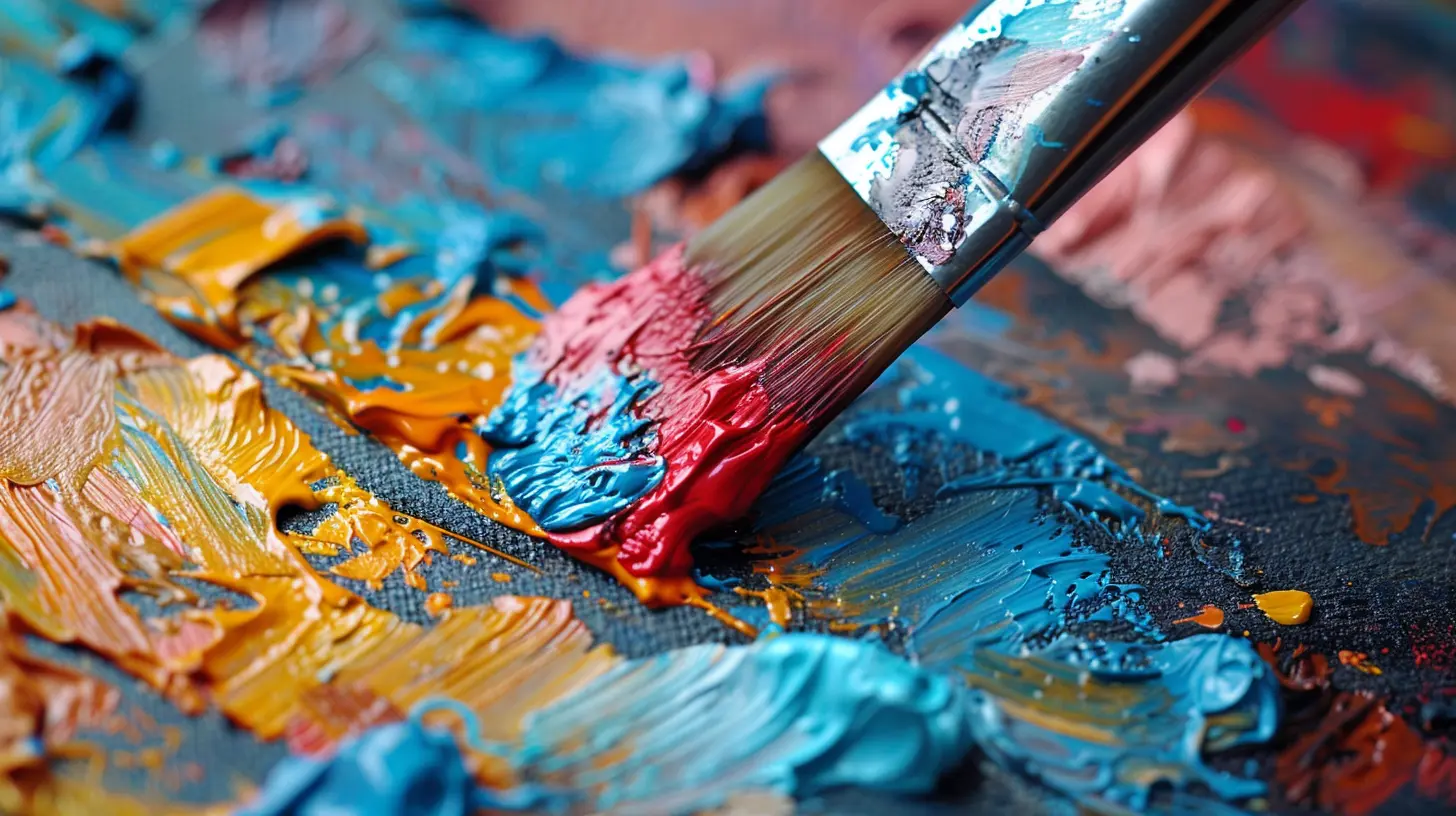
Best Art-Based After-School Activities for Emotional Growth
Now that we understand the benefits, let’s look at some powerful after-school art activities that can support emotional development.1. Drawing and Coloring for Self-Expression
Sometimes, a blank sheet of paper and a box of crayons are all a child needs to express themselves. Drawing can be a window into a child's thoughts and emotions, whether they’re doodling freely or sketching something specific.? Try This: Ask your child to draw their "feelings monster"—a creature that represents how they feel inside—and then discuss what each color or feature represents.
2. Painting for Emotional Release
Painting is a dynamic and expressive activity, perfect for helping kids release pent-up emotions. Whether they’re using watercolors, acrylics, or even finger paints, this activity allows them to explore textures, colors, and movement.? Try This: Set up a "feelings painting" session. Encourage your child to choose colors based on their emotions—blue for calm, red for anger, yellow for happiness—and let them paint freely.
3. Collage for Storytelling
Collage-making helps children tell a visual story about their emotions and experiences. By cutting out images, textures, and words from magazines or old books, kids can create a representation of how they feel or what’s on their mind.? Try This: Have your child create a "gratitude collage" filled with images and words representing things that make them happy. This can help cultivate a positive mindset.
4. Clay and Sculpture for Stress Relief
Working with clay or playdough is an excellent sensory activity that can help children relax and focus. The act of molding and shaping provides a tactile way to process emotions and relieve stress.? Try This: Encourage your child to create a sculpture that symbolizes a feeling or a special memory. Then, have them explain the meaning behind their creation.
5. Journaling and Illustrated Stories
If your child enjoys storytelling, combining writing and drawing can be a great way to explore emotions. Kids can create illustrated journals, comic strips, or even their own short books.? Try This: Ask your child to illustrate a comic strip about a challenging situation they faced and how they overcame it. This helps with problem-solving and emotional resilience.
How Parents Can Encourage Art-Based Emotional Expression
As a parent, you play a crucial role in fostering your child's creative and emotional development. Here’s how you can encourage your little artist:- Create a Judgment-Free Art Space – Let your child know that their artistic expressions are valued, and there are no "right" or "wrong" ways to create art.
- Encourage Process Over Perfection – Focus on the experience, not the outcome. The goal is to express, not to create a masterpiece.
- Engage in Art Together – Join your child in creative activities. This not only strengthens your bond but also shows them that emotions can be expressed through art at any age.
- Celebrate Their Artwork – Display their creations at home to boost their confidence and reinforce the importance of self-expression.
- Use Art as a Conversation Starter – If your child creates something interesting, ask open-ended questions to understand how they were feeling when they made it.
Final Thoughts
Art-based after-school activities do more than just keep kids entertained—they provide a powerful emotional outlet that helps children express themselves, regulate their feelings, and gain confidence in their ability to navigate the world. Whether they’re painting, sculpting, or collaging, each artistic experience helps build a strong emotional foundation that will benefit them for years to come.So, why not set up an art station at home and encourage your child to create something meaningful today? Who knows, you might just find yourself picking up a paintbrush too!
all images in this post were generated using AI tools
Category:
After School ActivitiesAuthor:

Tara Henson