Supporting Empathy in Siblings: Cooperation, Not Competition
13 July 2026
Sibling relationships are some of the longest and most influential connections in a person's life. But let's be honest—raising siblings who get along can feel like balancing on a tightrope. One moment they’re best friends, the next they’re sworn enemies fighting over the last cookie.
It’s natural for kids to compete, but when competition starts overshadowing empathy, things can turn toxic. As parents, we can help shift the focus from rivalry to teamwork. So, how do we support empathy in siblings and encourage cooperation instead of competition? Let’s dive in. 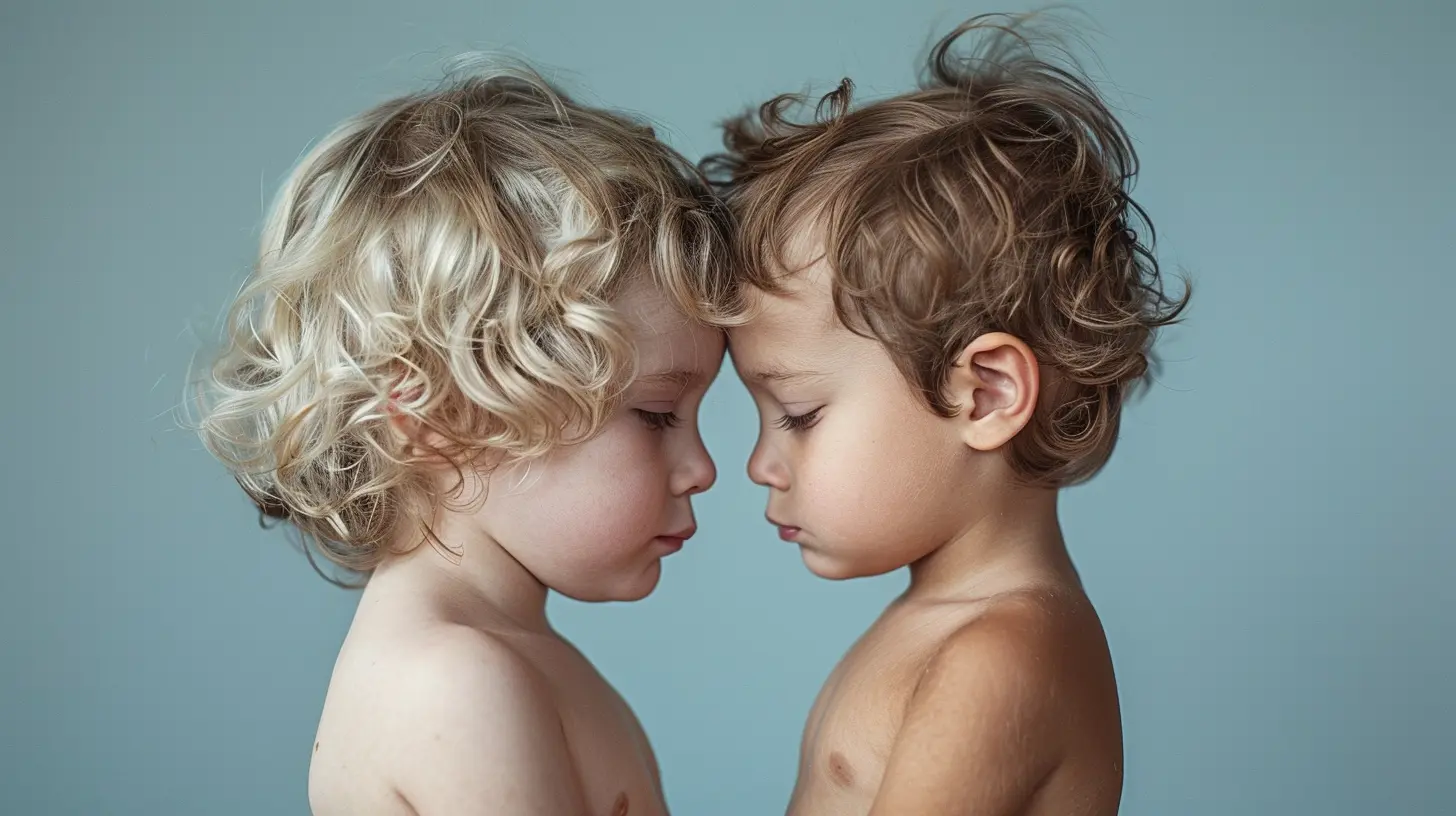
Why Do Siblings Compete?
Before we talk about fostering empathy, we need to understand why siblings are wired to compete in the first place.
1. The Fight for Attention
Let’s face it—kids want attention, and they want it now. If they feel like a sibling is getting more love, praise, or time, jealousy kicks in. This competition for parental affection can escalate into ongoing rivalry.2. Comparing Achievements
“She got an A in math—why didn’t you?” Sound familiar? Even the most well-meaning comparisons can create a sense of inadequacy. Children may start to feel like they need to "one-up" their sibling to prove their worth.3. Different Personalities and Interests
Not all siblings are alike. One child might be extroverted while the other enjoys quiet time. When they don’t understand each other’s differences, it can lead to conflicts instead of connection.4. The Natural Instinct to Compete
Believe it or not, competition is part of human nature. From an evolutionary standpoint, siblings once had to compete for limited resources. While times have changed, that competitive instinct still pops up in everyday life.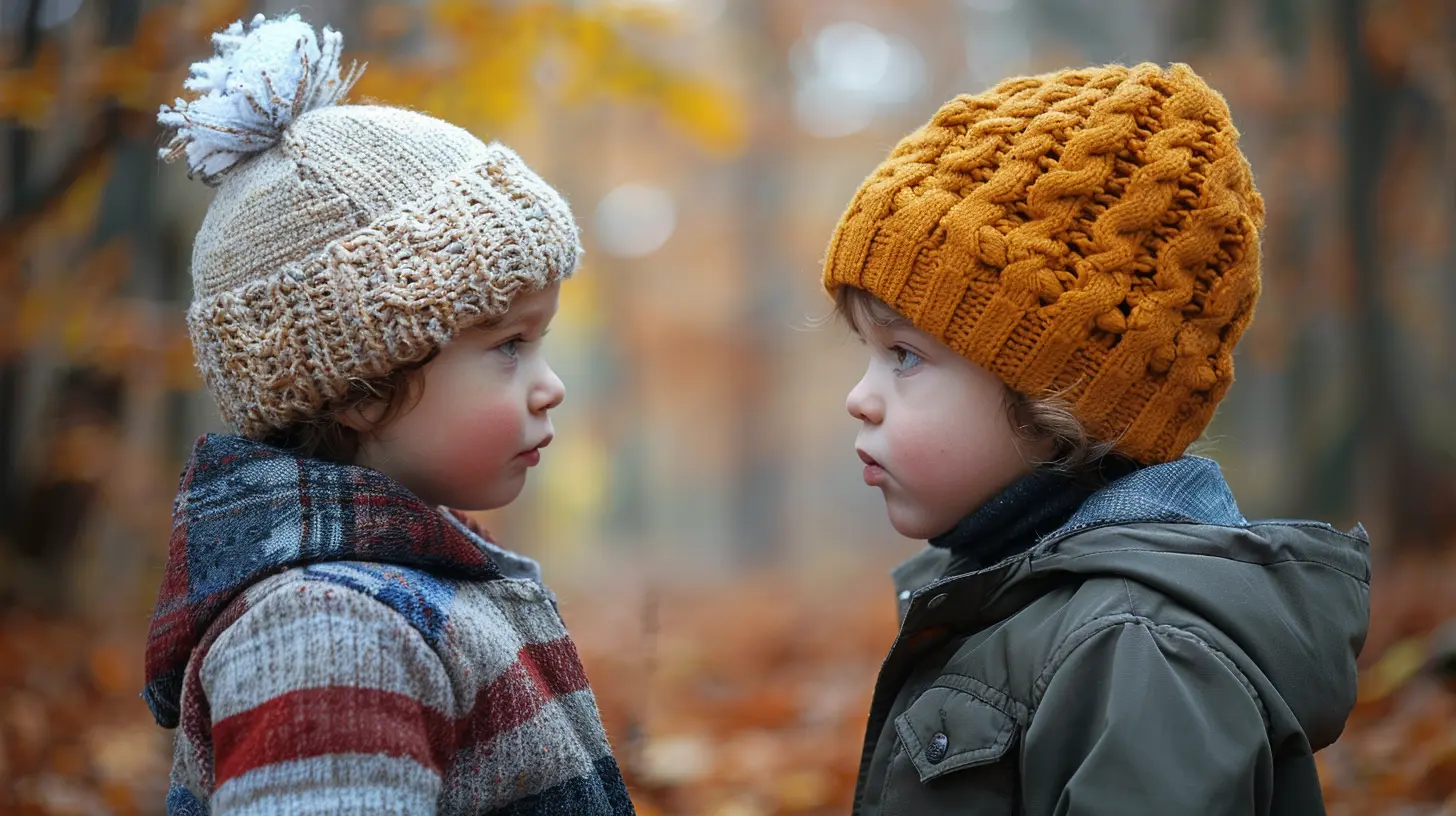
How to Foster Empathy and Cooperation in Siblings
The good news? Competition doesn’t have to define your children’s relationship. With a few mindset shifts and parenting strategies, you can nurture empathy and teamwork instead.1. Teach Them to See Each Other as Teammates, Not Rivals
A simple but powerful mindset shift: “We are in this together.”Remind your kids that they’re not opponents—they’re on the same team. Whether it’s tackling chores or playing board games, encourage teamwork. If they learn to rely on each other rather than compete, their bond will strengthen naturally.
? Tip: Let them work together on something fun—like baking cookies or building a LEGO castle—so they associate cooperation with enjoyment.
2. Avoid Comparisons (Even Subtle Ones)
It’s easy to fall into the “Why can’t you be more like your sister?” trap, but even innocent comparisons can create resentment. Instead of comparing, celebrate each child’s unique strengths.✅ Instead of this:
"Your brother helps with chores without being asked. Why don’t you?"
✅ Try this:
"I really appreciate how thoughtful you are when you help set the table."
By focusing on individual efforts rather than ranking them, you help kids feel valued for who they are—not how they measure up.
3. Encourage Perspective-Taking
Empathy flourishes when kids learn to see things from each other’s perspectives. When arguments happen, ask both sides to explain how they feel.? Ask questions like:
- "How do you think your sister felt when you took her toy?"
- "If your brother did this to you, what would you do?"
These questions help kids pause and understand how their actions impact others. The more they practice, the more naturally empathy will come.
4. Model Empathy in Your Own Behavior
Kids mimic what they see. If they witness kindness, patience, and understanding from you, they’re much more likely to reflect those behaviors in their sibling relationships.? Tip: Narrate your own empathy-driven decisions. Say things like, "I noticed Dad had a long day, so I made him a cup of tea. I hope that makes him feel better."
This gives your kids a blueprint for kindness in their own interactions.
5. Encourage Collaboration Over Competition
If everything feels like a contest, kids will always be keeping score. Instead of setting up a competitive environment, try activities where they work together toward a common goal.✅ Cooperative games (like puzzles or scavenger hunts)
✅ Group rewards (if they both finish their homework, they get extra playtime)
✅ Sibling projects (working together on an art project, cleaning a shared space)
When kids see that teamwork leads to better outcomes, they’ll naturally start choosing cooperation over competition.
6. Praise Acts of Kindness Between Siblings
Kids thrive on positive reinforcement. If you catch them being kind to each other—whether it’s sharing a toy, offering comfort, or helping out—acknowledge it.? Say something like:
"I love how you helped your sister find her lost book. That was really thoughtful!"
When kindness gets attention, kids will be more inclined to practice it.
7. Teach Conflict Resolution Skills
Let’s be real—siblings will fight. It’s inevitable. But rather than acting as a referee every time, teach them how to resolve conflicts on their own.? Steps for Healthy Conflict Resolution:
1. Pause and Cool Off: Encourage them to step away and take deep breaths before reacting.
2. Express Feelings: Teach them to use "I" statements, like “I felt sad when you took my toy without asking.”
3. Listen to Each Other: Each sibling should have a turn to explain their perspective.
4. Find a Fair Solution Together: Instead of deciding for them, guide them toward a win-win resolution.
With practice, they’ll get better at managing disagreements in a positive way.
8. Spend Quality One-on-One Time With Each Child
Jealousy often stems from feeling unseen or unappreciated. By taking time to connect with each child individually, you reinforce that they don’t have to compete for your attention.⏳ Ideas for One-on-One Time:
- A bedtime story just for them
- A walk or trip to the park together
- Baking their favorite snack
When kids feel secure in their individual bond with you, they’ll be less likely to compete with their siblings for validation. 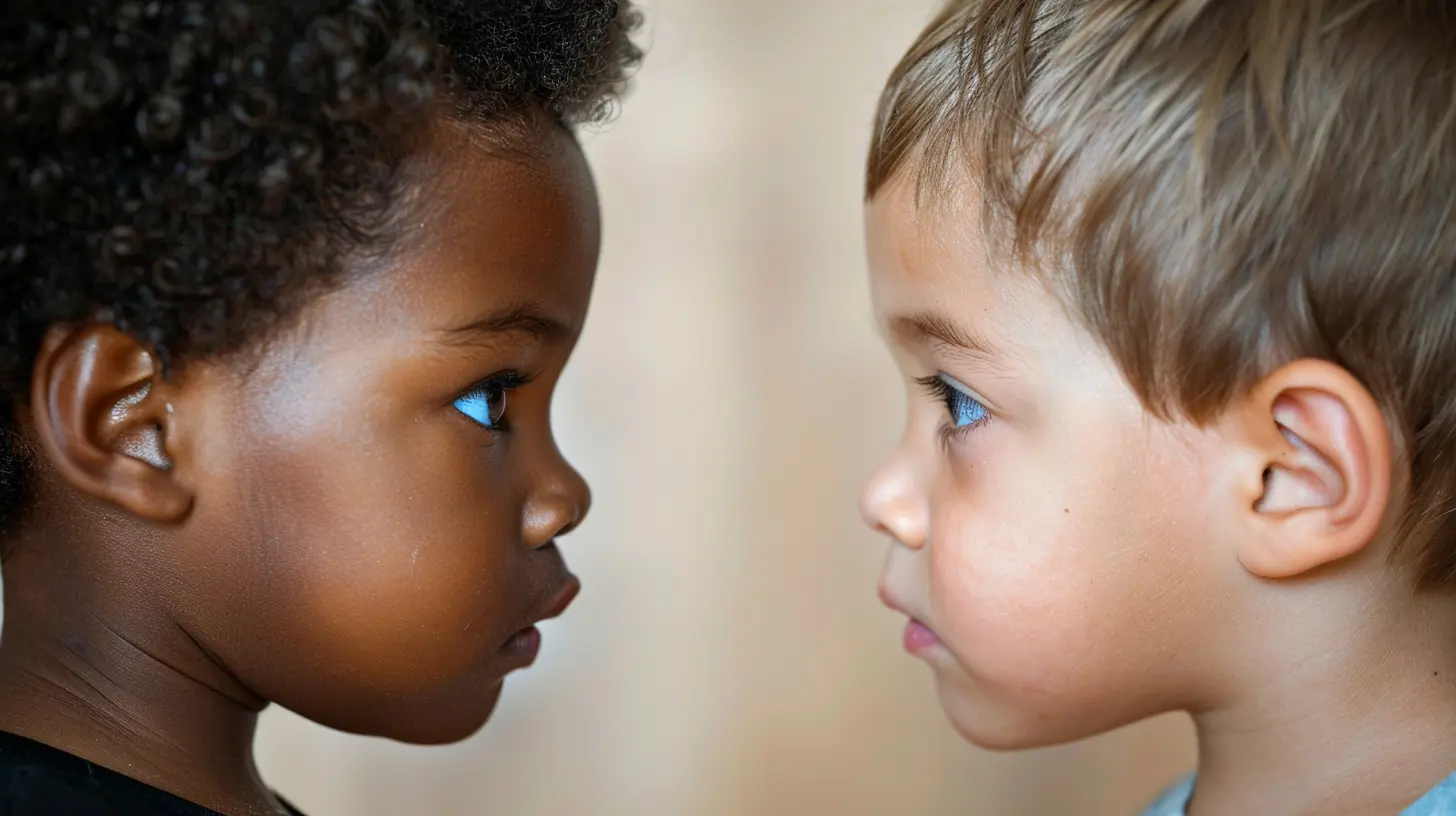
Final Thoughts: A Sibling Bond Built on Empathy
Supporting empathy in siblings isn’t about eliminating competition—it’s about shifting the focus to connection and cooperation. When kids learn to value each other as teammates rather than rivals, they develop lifelong relationship skills that extend beyond childhood.It won't happen overnight, and there will still be fights over the remote, but with patience and consistency, you'll help them build a bond that's rooted in understanding, not rivalry.
And let’s be honest—raising cooperative, empathetic siblings? That’s the kind of parenting win we all want.
all images in this post were generated using AI tools
Category:
Teaching EmpathyAuthor:

Tara Henson