Teaching Empathy Through Art, Music, and Creativity
16 January 2026
Empathy—it’s that beautiful ability to step into someone else’s shoes, feel their joy, their struggle, and offer kindness without judgment. Now, imagine growing up in a world where empathy was taught just as eagerly as math or reading. Sounds pretty amazing, right? Well, good news—this dream can be a reality, and it starts at home.
Let’s dive into how art, music, and creativity can be powerful tools for teaching empathy to our children. Spoiler alert: it’s not just fun, it’s life-changing.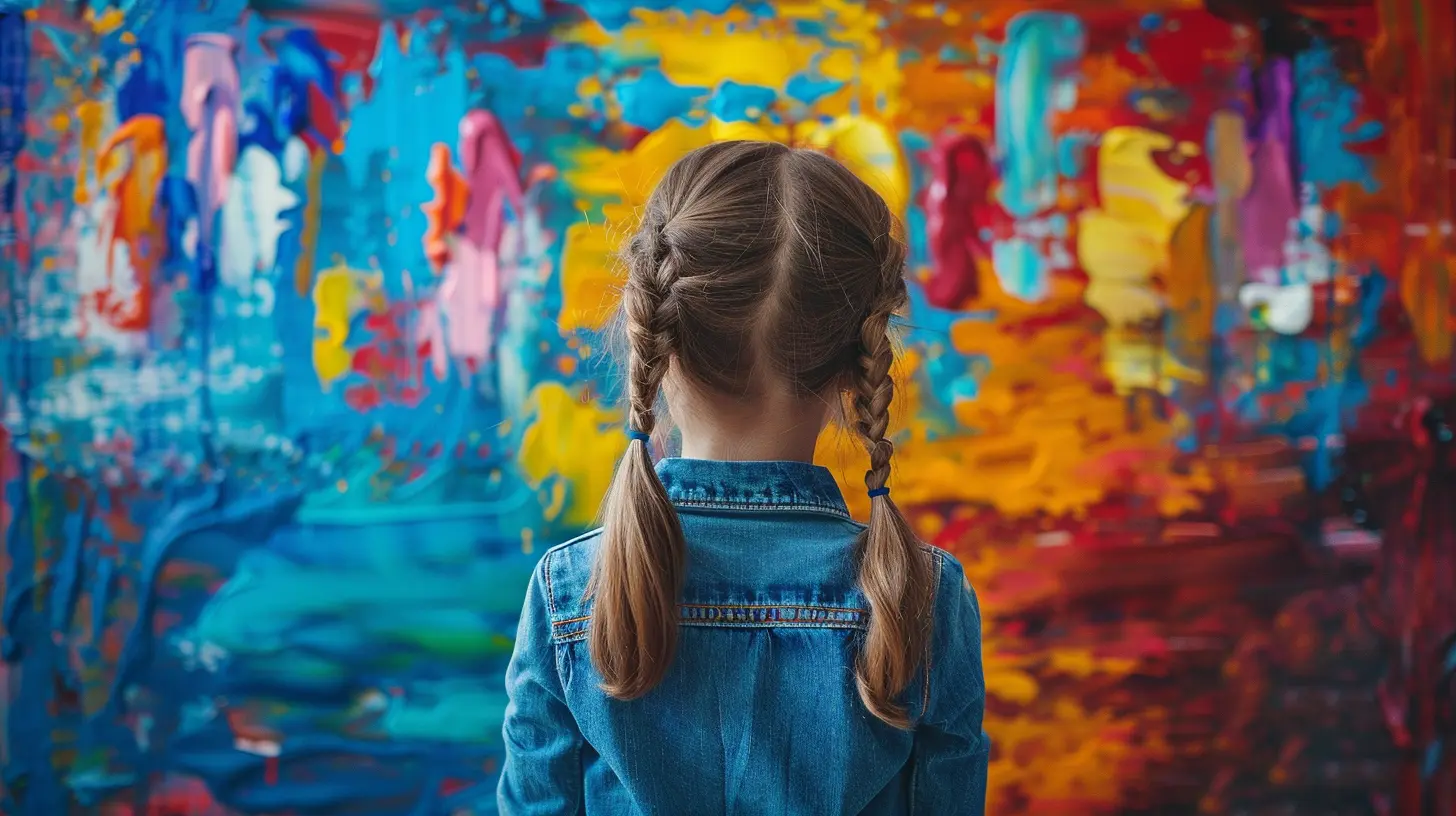
Why Empathy Matters (Especially for Kids)
Okay, so empathy isn’t just being "nice." It’s deeper than that. It helps kids build strong relationships, embrace differences, and navigate a big, emotional world. When kids understand how others feel, they communicate better, they’re more compassionate, and honestly, they grow up to be pretty awesome humans.In today’s fast-paced, screen-dominated world, empathy can sometimes get lost in the shuffle. But here’s the silver lining—creative expression has the power to bring it back.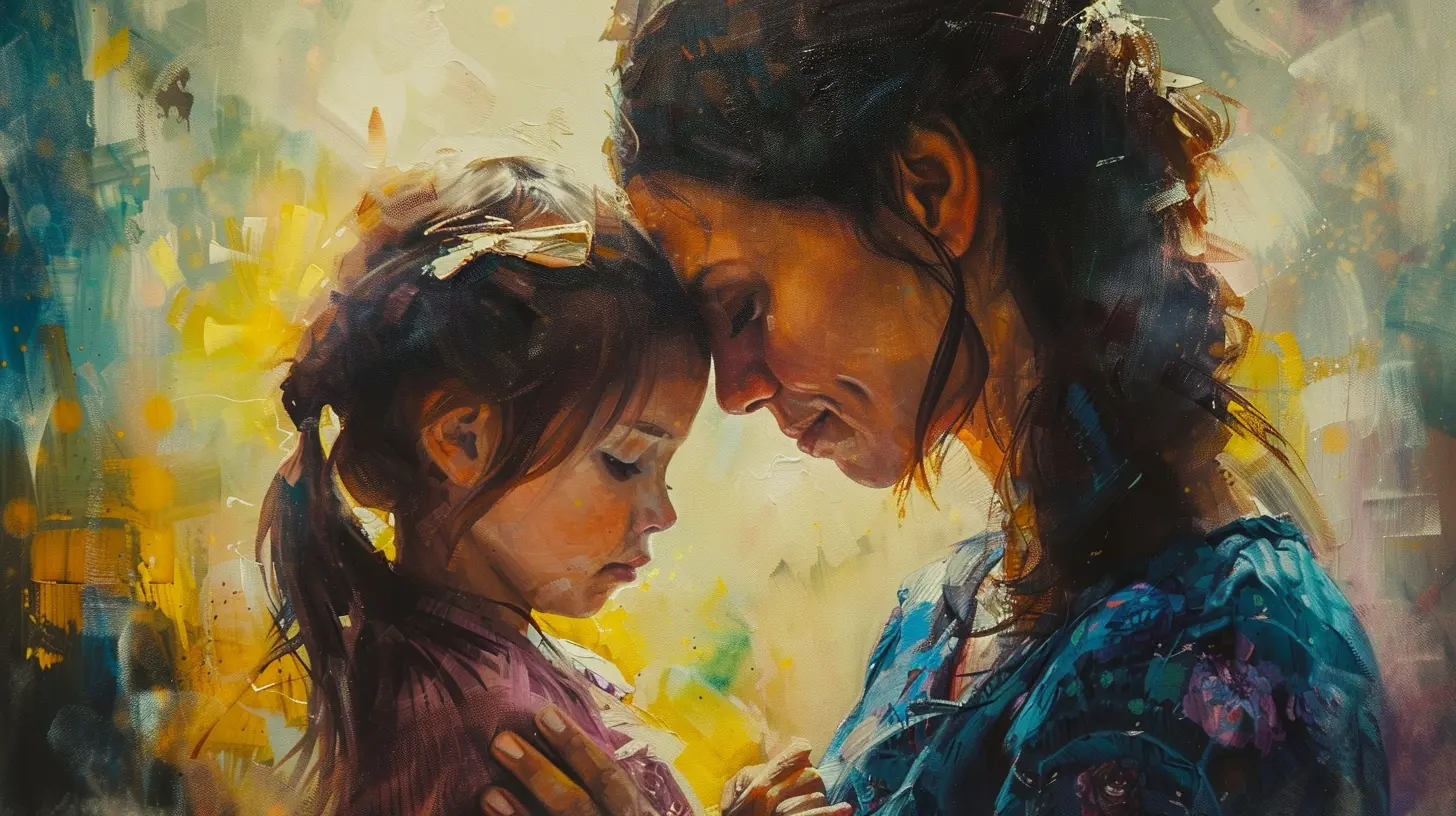
The Connection Between Creativity and Emotion
Let’s think about this: when your child draws a picture, strums a guitar, or acts out a scene—what are they really doing? They’re expressing emotions. They’re telling stories. They’re revealing something real about their inner world.Art, music, and creativity aren’t just hobbies. They’re safe spaces for emotional exploration. And when children can recognize and articulate their own feelings, it becomes so much easier for them to recognize those same feelings in others.
Art as a Window Into Others’ Worlds
Ever seen a child's painting and thought, "Whoa, I didn’t know they were feeling that"? Art speaks when words fall short, especially for young ones who are still learning emotional vocabulary.How Art Teaches Empathy
- Perspective Taking: When kids draw someone else’s experience (like a friend’s bad day or a pet’s fear), they start imagining what it's like to be in that situation. That’s empathy in action.- Storytelling Through Art: Encourage your child to create a comic or storyboard about someone going through a challenge. They’ll need to think about how that person might feel, what they might say or do.
- Art Reflection: Look at famous paintings or illustrations together. Ask, “How do you think this person is feeling?” or “What story is this picture telling?” These conversations build emotional insight.
Try This at Home:
- Have weekly “Feelings Art Days.” Give your kids a topic like “loneliness,” “happiness,” or “hope,” and ask them to create a piece of art around it.- Visit an art museum or explore digital galleries online; discuss the emotions behind the art.

Music as an Emotional Messenger
There’s something magical about music, isn’t there? One song can transport you to another time, lift your spirit, or bring tears to your eyes in seconds. That emotional power is what makes music an incredible tool for teaching empathy.Why Music Hits Different
Music connects us to emotions that might otherwise be hard to explain. For kids, especially those who struggle to verbalize feelings, music becomes a bridge between their inner and outer worlds.- Lyrics Tell Stories: Many songs tell personal stories about love, loss, joy, or pain. Listening to and discussing lyrics helps kids connect with experiences outside their own bubble.
- Mood Awareness: Different tunes evoke different feelings. Teach children to identify how certain music makes them feel and why. Then ask, “How do you think the artist felt writing this?”
- Musical Collaboration: Joining a band, choir, or ensemble teaches kids to listen and respond to others—literally and emotionally.
Try This at Home:
- Make a family playlist of “Songs That Make You Feel Emotional.” Share why each song was picked.- Create a song together about a social issue or a personal story. It doesn’t have to be perfect—just heartfelt.
- Use musical instruments (even homemade ones!) to “act out” emotions like excitement, sadness, or nervousness.
Creativity in All Its Forms Builds Compassion
You don’t need to stick to traditional art and music. Creativity is a wide-open field, and any activity that lets kids use imagination and emotion can become a lesson in empathy.Try Creative Writing
Stories are empathy goldmines. When kids write from someone else’s point of view, they practice perspective-taking in the most powerful way.- Prompt them with scenarios: “Write a story from the view of a kid who’s new at school,” or “Imagine you woke up as someone else.”
- Encourage them to journal their thoughts, worries, joys—and then read them together. It opens up conversations and understanding.
Drama and Pretend Play
Children naturally love to role-play. Use it!- Act out different life scenarios—maybe a disagreement between friends or a character facing a difficult decision.
- Ask questions after: “How do you think they felt? What could they have done differently?”
Dance and Movement
Movement is another beautiful form of expression.- Dance can reflect emotion—joy, sadness, chaos, calm.
- Have “Emotion Dance Time” where each person has to express a feeling through movement and the others guess what it is.
Encouraging Empathy Daily Through Creative Routines
Here’s the truth—teaching empathy isn’t a one-time art project. It’s a lifestyle. And when creativity is part of that lifestyle, empathy gets woven into the fabric of your child’s world.Create an Empathy-Rich Environment:
- Honor All Feelings: Let kids know it’s okay to feel all the feels, and model empathy by validating their emotions.- Celebrate Differences: Use books, music, and art from diverse cultures and experiences.
- Lead with Questions: Ask, “How do you think he/she felt?” regularly. Curiosity fuels empathy.
- Be Vulnerable: Share your own emotions and creative expressions. Show them that emotions aren’t weaknesses—they're human.
The Ripple Effect of Empathy
When a child learns to express emotions through art, connect through music, and imagine through stories—something powerful happens. They begin to understand that the world is full of voices, not all of them loud, not all of them like their own, but all of them valuable.Picture your child comforting a classmate who dropped their lunch tray, standing up for someone being left out, or writing a letter to a sick grandparent. All of that? That’s empathy in motion. And it started with a crayon, a song, or a silly story.
Final Thoughts: Your Role as a Creative Guide
You don’t need to be Picasso or Beyoncé to guide your child down this path. You just need to be present, open, and willing to explore together. Creativity isn’t about perfection—it’s about connection. So, grab those paintbrushes, crank up the music, put on a puppet show, and watch as your child grows kinder, wiser, and more empathetic day by day.Let’s raise kids who not only color outside the lines but care deeply about the people inside them.
all images in this post were generated using AI tools
Category:
Teaching EmpathyAuthor:

Tara Henson
Discussion
rate this article
2 comments
Faelith Kelly
Art: where feelings swirl and kids giggle!
January 30, 2026 at 5:45 PM
Tara Henson
Absolutely! Art fosters connection and understanding, making it a powerful tool for teaching empathy.
Eden McClintock
Empower your children to connect deeply; art and music are the keys to empathy!
January 24, 2026 at 3:17 PM
Tara Henson
Thank you for your insightful comment! I wholeheartedly agree—art and music are powerful tools for fostering deep connections and empathy in children.