Teaching Kids About Boundaries and Respect
31 July 2026
Parenting isn’t just about making sure your kids eat their veggies and brush their teeth. It's also about teaching them life skills that shape the way they interact with the world. One of the most important lessons? Boundaries and respect.
We all want our children to grow into kind, considerate, and emotionally intelligent individuals. But teaching boundaries and respect isn't a one-time conversation—it's a journey. It starts from a young age and continues as they grow. So, how can we, as parents, help our kids understand these crucial concepts in a way that sticks? Let’s dive in. 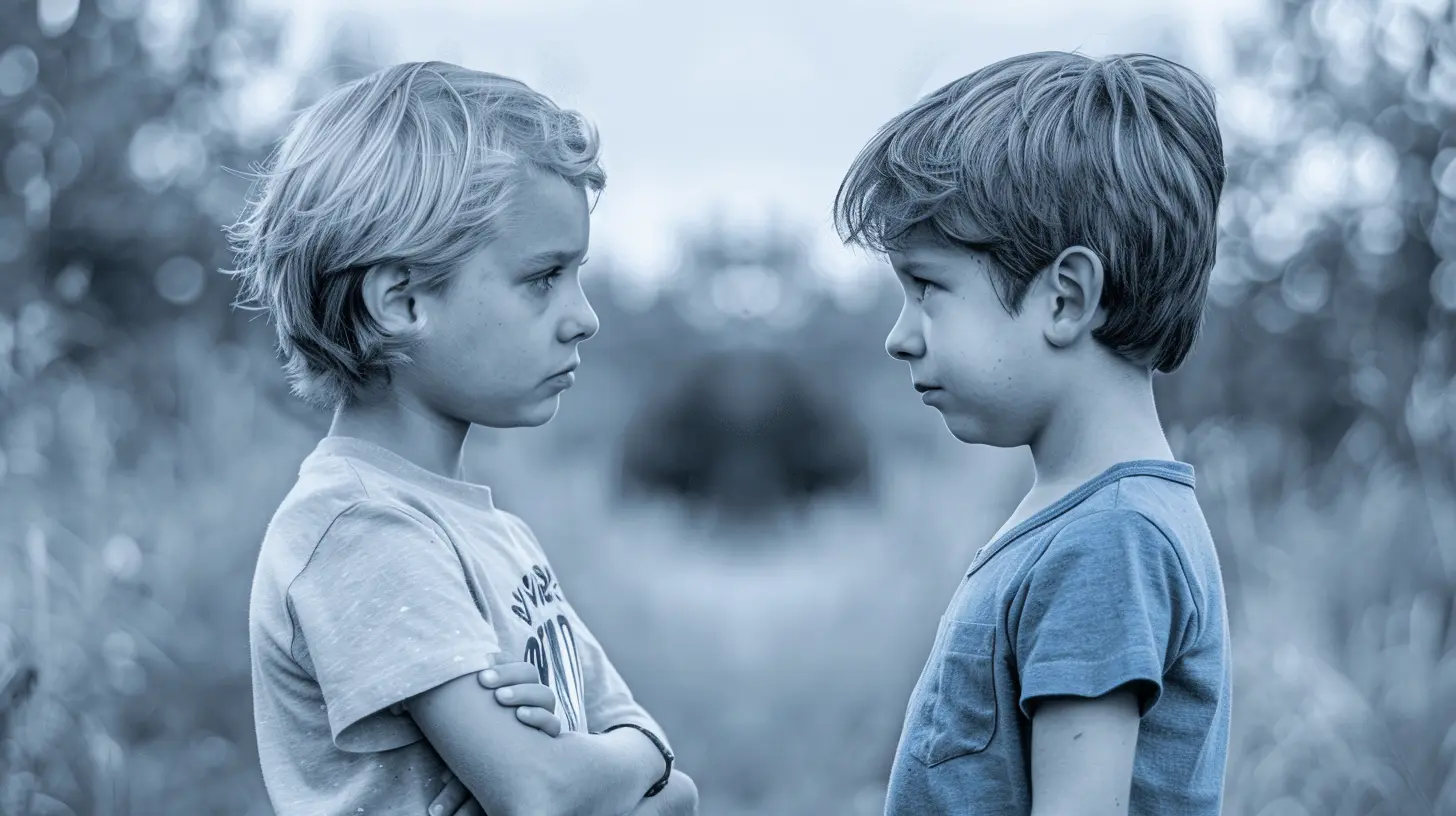
Why Are Boundaries and Respect So Important?
Think about the best relationships you’ve ever had—whether with friends, family, or colleagues. Chances are, they were built on mutual understanding and respect. Now, think about relationships that felt exhausting or one-sided. Likely, someone wasn’t respecting boundaries, either yours or theirs.Boundaries create a sense of security and structure in relationships. They help kids understand personal space, emotional well-being, and appropriate behavior. Respect, on the other hand, teaches them to value others’ feelings, opinions, and rights. When kids learn both, they navigate social situations with confidence and empathy. 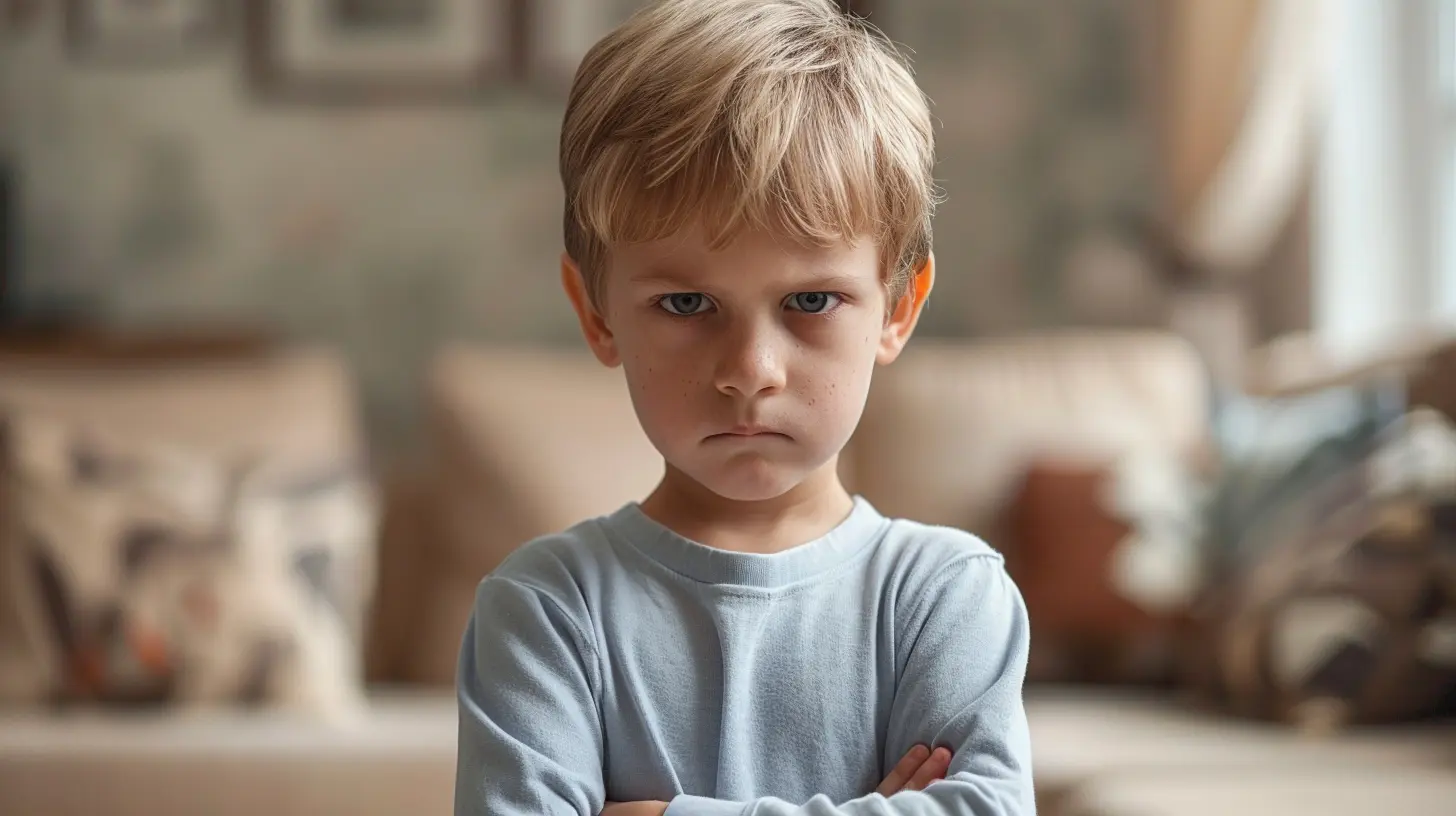
Teaching Boundaries: Where to Start?
1. Model Healthy Boundaries Yourself
You know that phrase, "Kids do as they see, not as they’re told"? It’s true. If we want our kids to understand boundaries, we need to set and respect our own.- Let them see you setting limits with others.
- Say things like, "I need some quiet time right now, but we can talk after dinner."
- Respect their physical space—knock before entering their room, ask before hugging.
When kids see boundaries in action, they’re more likely to practice them naturally.
2. Teach Them to Say (and Accept) "No"
Many kids struggle with saying “no” because they don’t want to hurt feelings. Others might have trouble accepting “no” because, well, they’re kids!Encourage them to express their own limits:
- “I don’t feel like playing right now.”
- “I don’t like being tickled.”
And just as important—teach them to respect when someone tells them "no." If a sibling says they don’t want to share a toy, explain that their feelings matter too.
3. Use Everyday Moments as Teaching Tools
Boundaries come up all the time, so take advantage of real-life moments.- If your child grabs a toy from a friend, gently remind them: "That toy belongs to them. Let’s ask if they want to share."
- If they keep interrupting while you’re on the phone, say, "I need to finish this conversation, then we’ll talk."
These little moments help reinforce boundaries in a natural way. 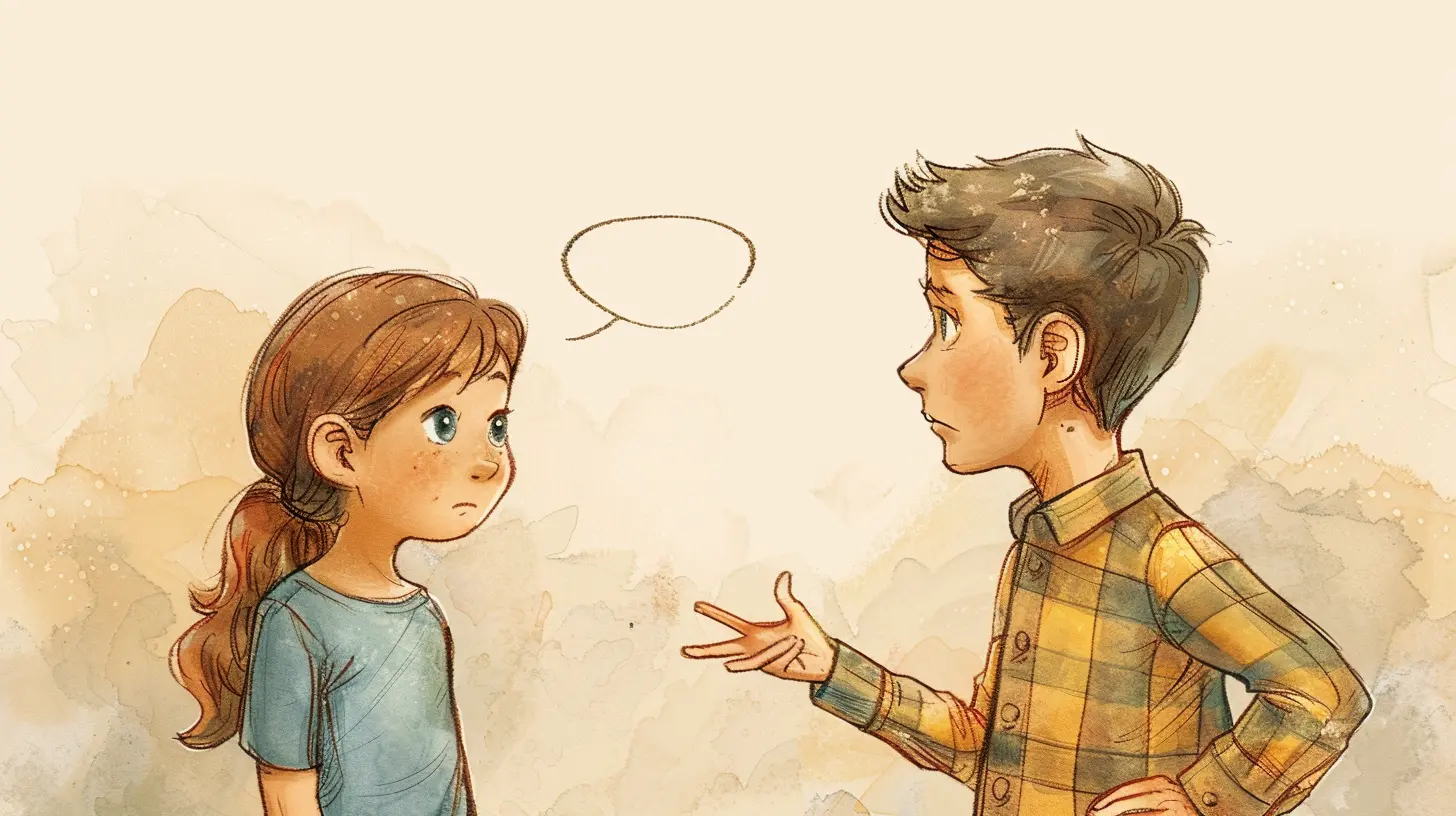
Teaching Respect: Making It a Way of Life
1. Use Respectful Language
Kids mirror our language and tone. If we yell, they’ll likely yell. If we speak kindly, they’ll learn to do the same.Try to use:
- "Please" and "thank you" regularly.
- Polite requests over demands (“Can you help me with this?” instead of “Do this now”).
- A calm tone, even when correcting behavior.
2. Teach Empathy Through Stories and Role-Playing
Empathy and respect go hand in hand. A great way to build empathy? Stories and role-playing.- Read books where characters face decisions about kindness and respect. Ask, “How do you think they felt?”
- Act out situations—pretend to be a friend who’s upset, and let your child practice responding with kindness.
This helps them understand how their actions affect others, making respect more than just a rule—it becomes a feeling.
3. Encourage Listening and Eye Contact
Respect isn’t just about words; it’s also about how we listen. Teach your child to:- Look at someone when they’re speaking.
- Wait their turn to talk.
- Acknowledge others' feelings (“That must have made you feel sad”).
Even young kids can learn these basics, making them better friends and communicators. 
Handling Common Boundary and Respect Challenges
1. When They Ignore Personal Space
If your child is always hugging, grabbing, or getting too close, teach the concept of "bubble space."- Show them how everyone has an invisible bubble around them.
- Role-play asking for physical contact: "Can I give you a hug?"
This helps them recognize when they’re invading someone’s space without making them feel bad.
2. When They Struggle with Sharing
Sharing is tough, but it's also a great way to practice respect. Instead of forcing sharing, teach turn-taking:- "You can play with the truck for five minutes, then it’s your brother’s turn."
- Praise them when they share without being asked: “That was really kind of you to let your friend play with the doll.”
3. When They Talk Back or Show Disrespect
Kids push boundaries, and sometimes that means disrespectful behavior. Instead of reacting with punishment, try:- Taking a deep breath before responding.
- Saying, "I hear that you’re upset, but we don’t talk to each other that way."
- Modeling respectful responses even in tough moments.
Disrespect is often a call for attention or independence—help them express it in a healthier way.
Boundaries and Respect Online: The Digital Talk
In today’s digital world, kids also need to learn about boundaries and respect online.- Teach them that personal information (address, full name) should never be shared.
- Explain that their words online have real consequences—kindness matters even behind a screen.
- Encourage asking permission before posting pictures of others.
The internet is just another space where boundaries and respect come into play.
Final Thoughts
Teaching kids about boundaries and respect is one of the greatest gifts we can give them. It sets them up for healthy relationships, self-confidence, and emotional intelligence.Remember, these lessons aren’t learned overnight. It takes patience, consistency, and a whole lot of modeling. But with time, your child will understand that respecting others—and themselves—is just part of being a good human.
After all, isn’t that what we all want for our kids?
all images in this post were generated using AI tools
Category:
Parenting AdviceAuthor:

Tara Henson