Teaching Kids Empathy in a World That’s Often Unkind
16 February 2026
Let’s be real—raising kind, empathetic kids in today’s fast-paced, often harsh world can feel like trying to grow sunflowers in a snowstorm. With social media, school pressures, and global chaos coming at them every day, kids are bombarded with conflicting messages. Some lift them up. Others? Not so much.
So how do we teach our kids to care deeply about others when the world around them sometimes feels so cold?
The answer isn’t as complicated as we might think, but it does require intention, patience, and a whole lot of heart. In this article, we’ll dive into how parents can help build empathy in their children—from toddlerhood to the tough teen years—and why it's one of the most important traits you can nurture at home.
Why Empathy Matters More Than Ever
Seriously, empathy isn’t just a “nice-to-have” trait—it's a life skill. It helps kids form strong relationships, communicate better, and make more thoughtful decisions. Empathy teaches them to pause, look beyond themselves, and think, “How might they feel right now?”In a world that so often rewards self-interest and competition, empathy is the superpower that balances things out.
Here’s the kicker: research shows that children who grow up with strong empathy skills tend to be more successful in school, better at handling conflicts, and less likely to engage in bullying behaviors. (Win-win, right?)
So yes, empathy matters. A lot.
Start Early: Empathy Is a Muscle, Not a Switch
You don’t wait until your child is 10 to teach them to say “please” or “thank you,” right? Same goes for empathy.Start young—even toddlers can grasp the basics. When your toddler sees another child crying and hands them their toy? That's empathy in action. Sure, it's in baby form, but it's powerful.
Like muscles, empathy needs regular workouts to grow strong.
Try this:
- Label feelings early on. “You’re smiling—are you feeling happy?”
- When your child sees someone upset, ask, “Why do you think she’s sad?”
- Model compassionate behavior. Kids mimic what they see, not what we say.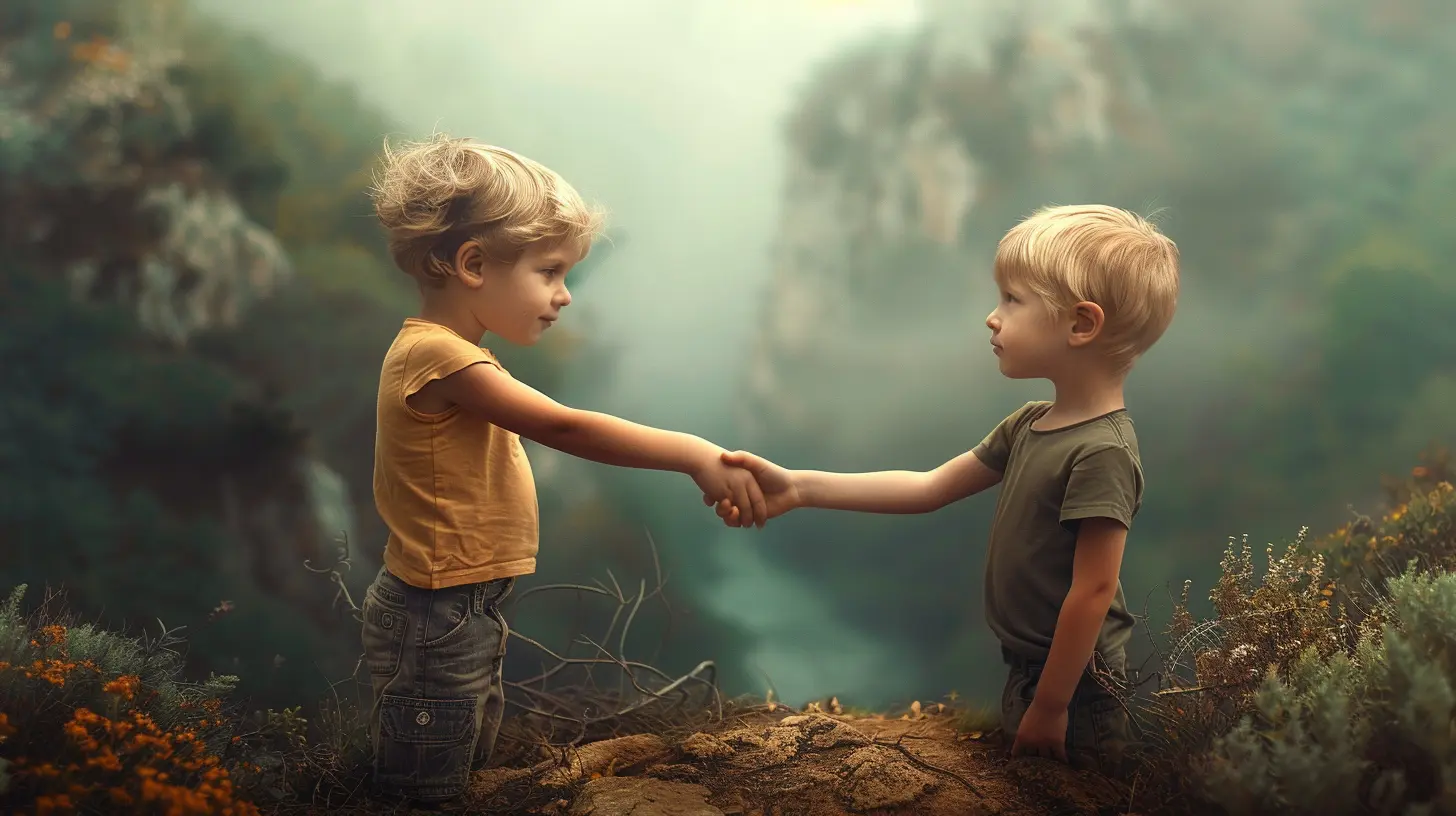
Model What You Want to See
Let’s be honest—we can’t expect our kids to be kind and compassionate if we’re constantly grumbling under our breath in traffic or yelling at customer service reps.Kids are like tiny, emotionally-charged mirrors. They don’t just hear what you say; they absorb how you treat other people.
Everyday empathy starts with us.
You don’t have to be perfect (who is?), but it's helpful to say things like:
- “I can see that person is having a hard day. Maybe they’re overwhelmed.”
- “Let’s hold the door for them. Kindness goes a long way.”
- "That wasn’t fair of me—I'm sorry I raised my voice."
These moments stick. They show your child that empathy isn’t about grand gestures; it’s about daily choices.
Talk About Feelings—A Lot
Feelings are tricky, messy things, especially for kids. But if we want them to care about how others feel, they first have to understand their own emotions.Help them build a feelings vocabulary. The more words they have to describe emotions, the easier it’ll be for them to recognize those feelings—both in themselves and others.
Ask open-ended questions like:
- “What made you feel that way?”
- “What do you think your friend was feeling when that happened?”
- “How would you feel if someone said that to you?”
These types of conversations develop emotional intelligence. Think of it as teaching your kid to read the room... but with their heart.
Read Books and Tell Stories with Heart
Want to sneak in an empathy lesson without the lecture? Grab a book.Stories are empathy’s favorite playground. When kids dive into a character’s world—especially one who’s different from them—they start to see life from another perspective. That’s empathy training in disguise.
Some go-to empathy-friendly books:
- Last Stop on Market Street by Matt de la Peña
- Those Shoes by Maribeth Boelts
- The Invisible Boy by Trudy Ludwig
- Have You Filled a Bucket Today? by Carol McCloud
After reading, spark a chat:
- “Why do you think the character felt that way?”
- “What would you have done if you were in their shoes?”
Bonus: bedtime stories just got an upgrade.
Practice Role-Playing & Perspective Taking
Pretend play isn’t just fun—it’s fantastic for empathy building.When kids pretend to be someone else (a teacher, a superhero, a dog, even!), they’re stepping outside their own little bubble and imagining life from another point of view.
You can guide this a bit:
- “What do you think your plush bear would say if he could talk?”
- “Let’s pretend you’re the new kid at school. How would you feel?”
- “Imagine you're the coach and your team just lost. What would you say to them?”
These mental workouts help kids stretch their empathy muscles in a safe, playful way.
Teach Kids to Stand Up (Not Just Stand By)
Empathy isn’t just about feeling bad for someone—it’s about acting when someone needs support.Encourage your child to be an “upstander,” not a bystander. Whether it’s standing next to a lonely classmate, defending someone being teased, or simply saying “Are you okay?”—these small acts can make a big difference.
How to prep them:
- Talk about bullying and kindness before it happens.
- Roleplay situations they might face.
- Praise bravery when they show it, even in small ways.
- Let them know they won’t always get it right—and that’s okay.
Courage and compassion go hand in hand.
Use Real-Life Moments as Teachable Moments
Life hands us empathy lessons every day—we just have to notice them.Whether it’s a homeless person on the street, a friend who’s moving away, or even a sibling who’s feeling left out, these moments are golden opportunities to pause and reflect with your child.
Ask:
- “What do you think they’re going through?”
- “How could we help or show kindness here?”
- “Has there ever been a time you felt like that?”
Don’t over-script it. Just stay curious and open.
Watch What Media They Consume
Let’s face it—TV, video games, and YouTube aren’t always known for showcasing kindness and empathy. Some content is flat-out mean.You don’t have to bubble wrap your kid, but it helps to stay tuned in. Watch what they watch. Play what they play. Talk about what they see.
Media can either desensitize or open their eyes. The key? Watching with them and discussing characters’ choices, consequences, and feelings.
Try asking:
- “Did that character treat others fairly?”
- “How would you feel if someone did that to you?”
- “What could they have done differently?”
Even the messiest shows can turn into meaningful empathy-building convos with the right guidance.
Encourage Volunteering & Acts of Kindness
Helping others not only feels good—it creates a deep emotional connection that reinforces empathy.Get involved as a family. Whether it’s donating toys, writing cards for seniors, volunteering at a local food pantry, or walking dogs at a shelter—let your child feel the impact of kindness firsthand.
Ask afterward:
- “How did that make you feel?”
- “What do you think it meant to them?”
Plant those seeds early and often. Kindness becomes part of their identity.
Be Patient—Empathy Doesn’t Happen Overnight
Parenting is a long game, and empathy is a life-long lesson. Your child may not always respond the way you hope. They might say something unkind or act selfishly. That’s normal. Heck, adults mess up too.Use those moments as chances to reset and grow.
Instead of shame, try curiosity:
- “What was going on when you said that?”
- “How do you think it made them feel?”
- “Is there a way to make it right?”
Empathy isn’t about being perfect. It’s about being aware. Keep showing up. Keep guiding. The seeds you’re planting will grow, even if it’s slow.
Final Thoughts: You’re Their First Empathy Coach
In a world that doesn’t always make kindness easy, your voice matters. Your example matters. The way you talk, listen, love, and lead—it all adds up.Teaching kids empathy isn’t about bubble-wrapping their hearts. It’s about giving them the tools to walk through a messy world and still care deeply. To feel the hurt in someone else’s story and want to help write a better ending. That’s powerful stuff.
So hang in there, parent. Your work matters more than you know.
all images in this post were generated using AI tools
Category:
Parenting SupportAuthor:

Tara Henson
Discussion
rate this article
2 comments
Annabelle Mendoza
Teaching kids empathy is essential in today’s harsh world. Simple acts, like discussing feelings or volunteering together, can foster compassion and understanding. Let’s focus on nurturing kindness in our children, so they can be a source of positivity amidst negativity.
March 14, 2026 at 5:38 AM
Tara Henson
I completely agree. Instilling empathy in kids can truly make a difference. Your suggestions for discussing feelings and volunteering are practical and impactful. Let's keep promoting kindness as a vital part of their growth.
Darby Barnes
Thank you for this insightful article! Teaching empathy is crucial in today’s society. Your practical tips offer valuable guidance for parents striving to raise compassionate children.
February 17, 2026 at 3:45 AM
Tara Henson
Thank you for your kind words! I'm glad you found the tips helpful for fostering compassion in our children.