Teaching Kids the Difference Between Sympathy and Empathy
10 August 2026
Understanding emotions is a crucial life skill, and one of the most important emotional lessons kids can learn is the difference between sympathy and empathy. While these two words are often used interchangeably, they hold distinct meanings that shape how we connect with others.
As parents, we want our children to grow into kind, compassionate, and emotionally intelligent individuals. But how do we teach them the difference between simply feeling sorry for someone and truly stepping into their shoes?
In this article, we’ll break down sympathy vs. empathy in a way that kids can understand, along with practical strategies to help them develop both. 
Sympathy vs. Empathy: What’s the Difference?
At first glance, sympathy and empathy seem similar—they both involve caring about someone else’s feelings. But there’s a key difference:- Sympathy is feeling bad for someone. It’s acknowledging their pain from a distance.
- Empathy is feeling with someone. It’s putting yourself in their shoes and understanding their emotions on a deeper level.
A Simple Analogy for Kids
Imagine a friend falls off their bike and scrapes their knee.- A sympathetic response might be: “Oh no! That looks like it hurts. I’m sorry that happened to you.”
- An empathetic response would be: “I remember when I fell off my bike before—it really stung! Do you want me to help you walk to a bench?”
Sympathy is like standing on the shore watching someone struggle in the water, while empathy is like jumping in to help them swim. 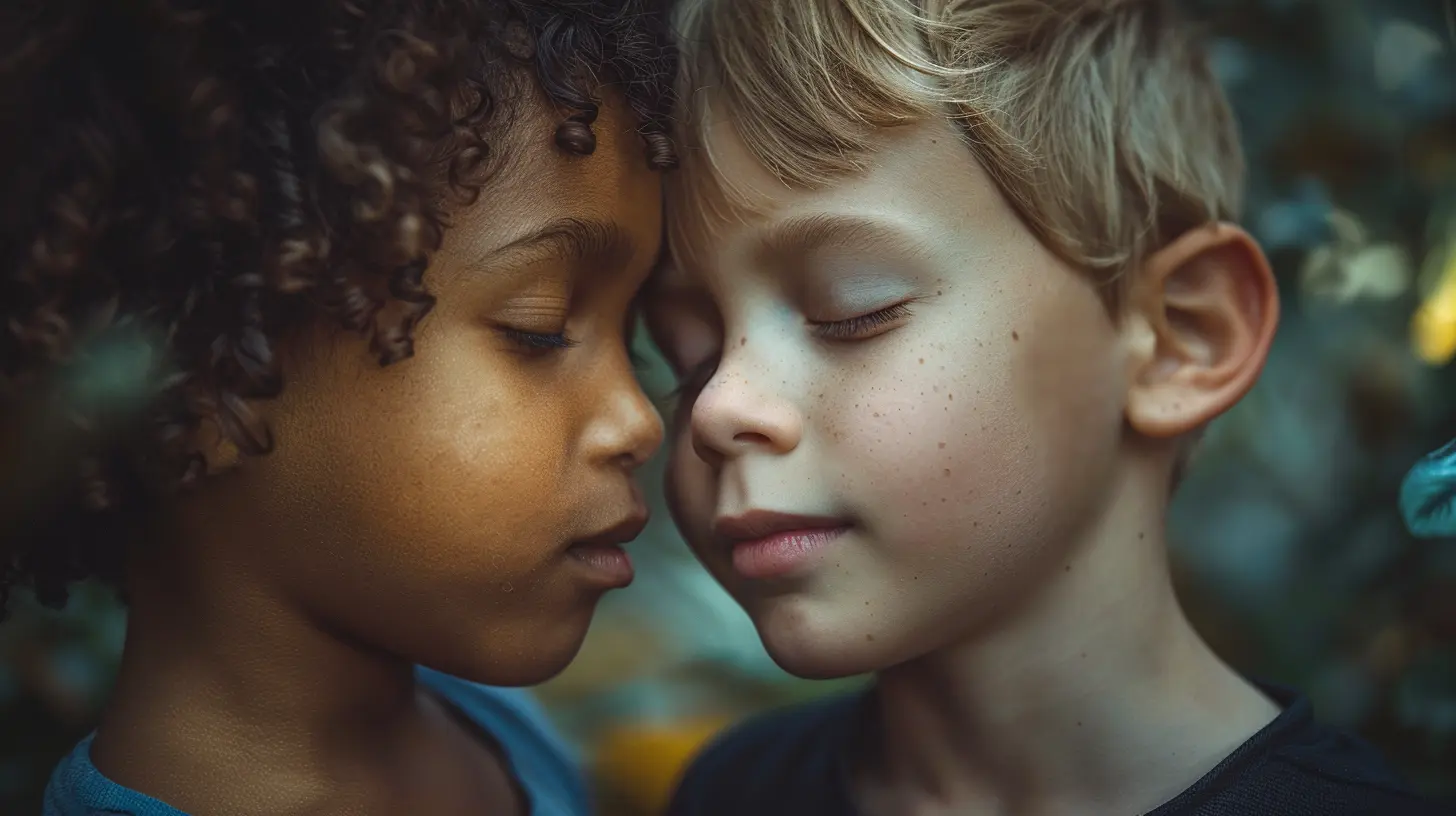
Why Is It Important to Teach Both Sympathy and Empathy?
Both sympathy and empathy have their place in building healthy relationships.- Sympathy helps kids recognize others’ struggles and practice kindness. It’s the first step toward compassion.
- Empathy goes deeper, allowing kids to connect on a personal level and respond in meaningful ways.
Children who understand the difference between these two are better equipped to form strong friendships, manage conflicts, and show genuine care for others in any situation. 
How to Teach Kids About Sympathy
1. Use Everyday Examples
Point out moments in daily life where your child might feel sympathy. If they see a sad character in a book or a crying classmate, ask, “How do you think they feel? What can you do to make them feel better?”2. Encourage Simple Acts of Kindness
Even small gestures—like saying “I’m sorry you’re feeling sick” or offering a hug—help children express sympathy.3. Model Sympathy in Your Own Actions
Kids learn by watching us. When they see you offering comforting words to a friend or showing concern for a neighbor, they absorb those behaviors.
How to Teach Kids About Empathy
1. Help Them "Step Into Someone Else’s Shoes"
A great way to explain empathy is by challenging kids to imagine how someone else feels. Ask questions like:- “How would you feel if that happened to you?”
- “What do you think is going through their mind right now?”
2. Use Storytelling to Build Empathy
Books and movies present countless opportunities to discuss emotions. Pause during a story to ask, “Why do you think the character reacted that way?”3. Encourage Perspective-Taking in Play
Role-playing games—like pretending to be a doctor, teacher, or parent—help children practice seeing the world from different viewpoints.4. Teach Emotional Labeling
Sometimes, kids struggle to express what they’re feeling. Help them name emotions by saying things like, “That must have made you feel frustrated,” or “You look really excited right now.” As they get better at recognizing their own feelings, they’ll have an easier time understanding others’ emotions too.5. Praise Empathetic Behavior
When your child shows empathy, acknowledge it! Say something like, “I love how you noticed your friend was upset and stayed to help. That was really kind.” Positive reinforcement encourages them to keep practicing empathy.Common Mistakes Parents Make (And How to Avoid Them)
1. Assuming Empathy Comes Naturally
Some kids are naturally more empathetic than others, but all children benefit from guidance and practice. Don’t expect them to “just get it” without discussion and reinforcement.2. Dismissing Their Emotions
If a child shares their feelings and hears, “That’s not a big deal” or “You’re overreacting,” they might struggle to validate others’ emotions. Instead, show them that all feelings are valid and deserve understanding.3. Overpraising Sympathy Without Encouraging Empathy
If we only teach kids to say, “I’m sorry that happened,” they may think that’s enough. Encourage them to go beyond sympathy by asking, “What can you do to help?”Activities to Foster Empathy and Sympathy
1. Gratitude & Reflection Journal
Encourage your child to write down moments when they felt cared for or when they showed kindness to others. Reflection strengthens emotional awareness.2. Family "Emotion Check-Ins"
During dinner or bedtime, do a quick check-in:- “What made you happy today?”
- “Did you notice anyone feeling sad? How did you respond?”
3. The “Empathy Walk” Game
Have your child imagine they are someone else for a few minutes—a classmate who’s lonely, a firefighter saving lives, or even an animal in distress. Discuss what feelings and challenges that “character” might experience.4. Random Acts of Kindness Challenge
Create a fun challenge where your child completes small kind acts each day, like writing a thank-you note or helping a friend. This reinforces both sympathy and empathy in a practical, hands-on way.Final Thoughts: Raising Emotionally Intelligent Kids
By teaching kids the difference between sympathy and empathy, we’re giving them a powerful tool for navigating relationships and emotions throughout their lives.Sympathy is a good start—it shows awareness of others’ struggles. But empathy takes it a step further, allowing kids to deeply connect and respond with genuine care.
With patience, practice, and a little creativity, parents can help their children become compassionate individuals who truly understand the feelings of those around them. And in a world that desperately needs more kindness, that’s one of the greatest gifts we can give them.
all images in this post were generated using AI tools
Category:
Teaching EmpathyAuthor:

Tara Henson