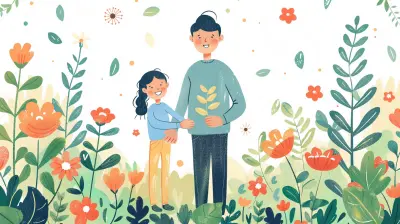
Teaching Your Child Conflict Resolution Skills for a Peaceful Home
23 December 2025
Let’s be honest—parenting isn’t for the faint of heart. Between the sibling squabbles, the tantrums over toys, and negotiating bedtime like it's a hostage situation, it can feel like you’re constantly putting out little emotional fires. But here’s the truth: conflict is a part of life, and believe it or not, it’s actually an incredible teaching opportunity.
When we think about raising emotionally intelligent, empathetic, and resilient kids, one skill stands out among the rest—conflict resolution. Teaching your child how to handle disagreements calmly and respectfully doesn't just lead to fewer meltdowns (although, hallelujah for that); it also lays the groundwork for healthier relationships and a more peaceful home life.
In this article, we're diving deep into how to teach your child conflict resolution skills the smart, practical way that actually works.
Why Conflict Resolution Is a Must-Have Life Skill
Think back to your own childhood. Did anyone teach you how to really resolve a conflict? Most of us were either told to “just say sorry” or “go to your room.”The truth is, resolving conflict is not something kids automatically know how to do—it’s learned. When we, as parents, take the time to guide our children through this process, we’re giving them one of the most valuable tools for life.
Here’s why it matters:
- Better communication skills.
- Stronger relationships with family and friends.
- Improved empathy and emotional intelligence.
- Reduced anxiety and frustration.
- A calmer home environment (yes, please!).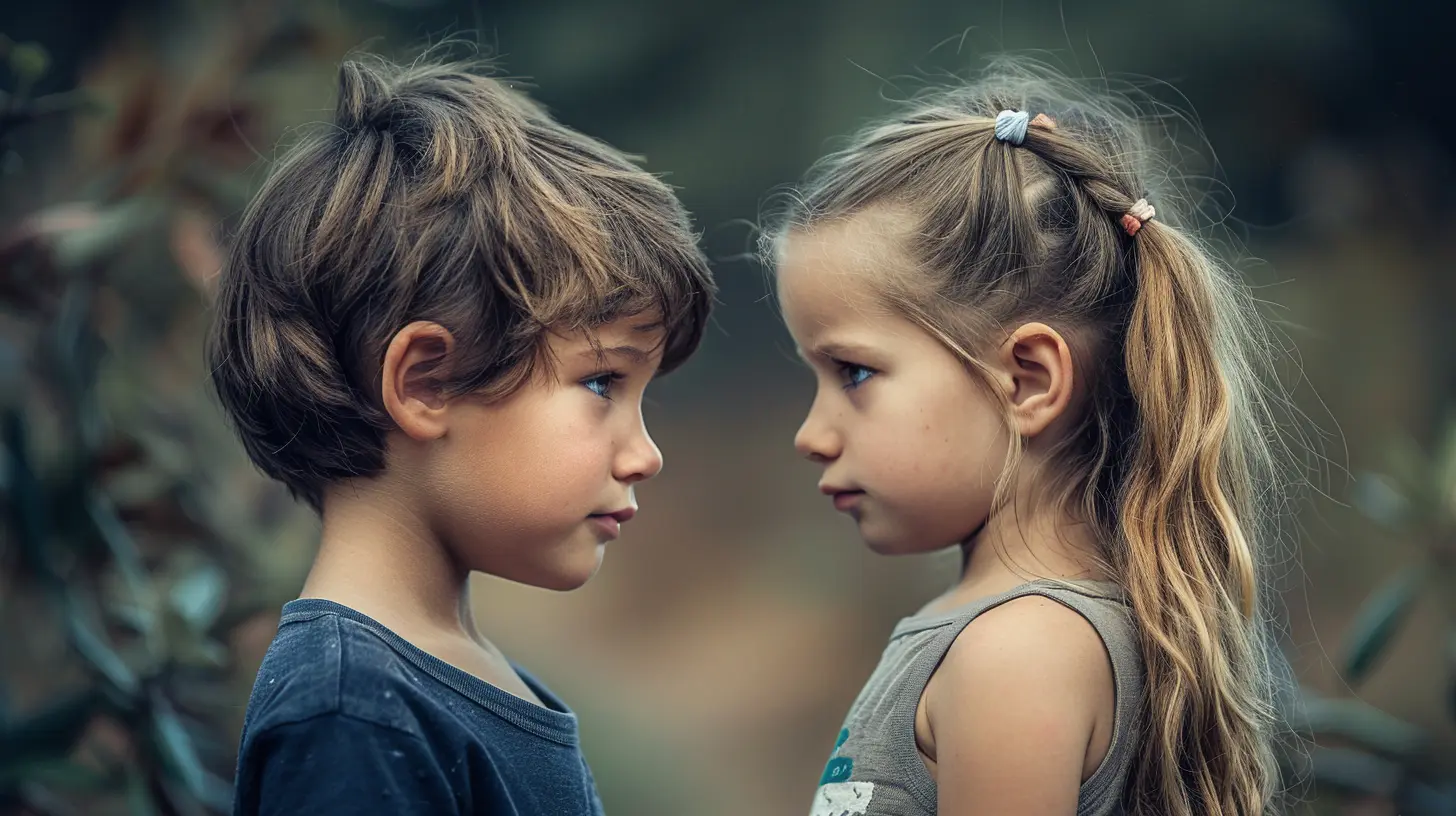
Start With Emotional Vocabulary
Before kids can solve problems, they need the words for what they’re feeling. If your child can't put a name to their emotions, how can they explain them?Teach Feelings First
It starts with simple emotional vocabulary: happy, sad, mad, scared. Then you can layer in more nuanced terms like frustrated, jealous, or nervous. Picture this like giving your kid a toolbox. The more words they have, the more equipped they are to identify and express what’s going on inside.Use books, flashcards, or just everyday moments (“Wow, you look pretty disappointed. Were you hoping for a different snack?”). The idea is to normalize talking about feelings and make it a daily thing.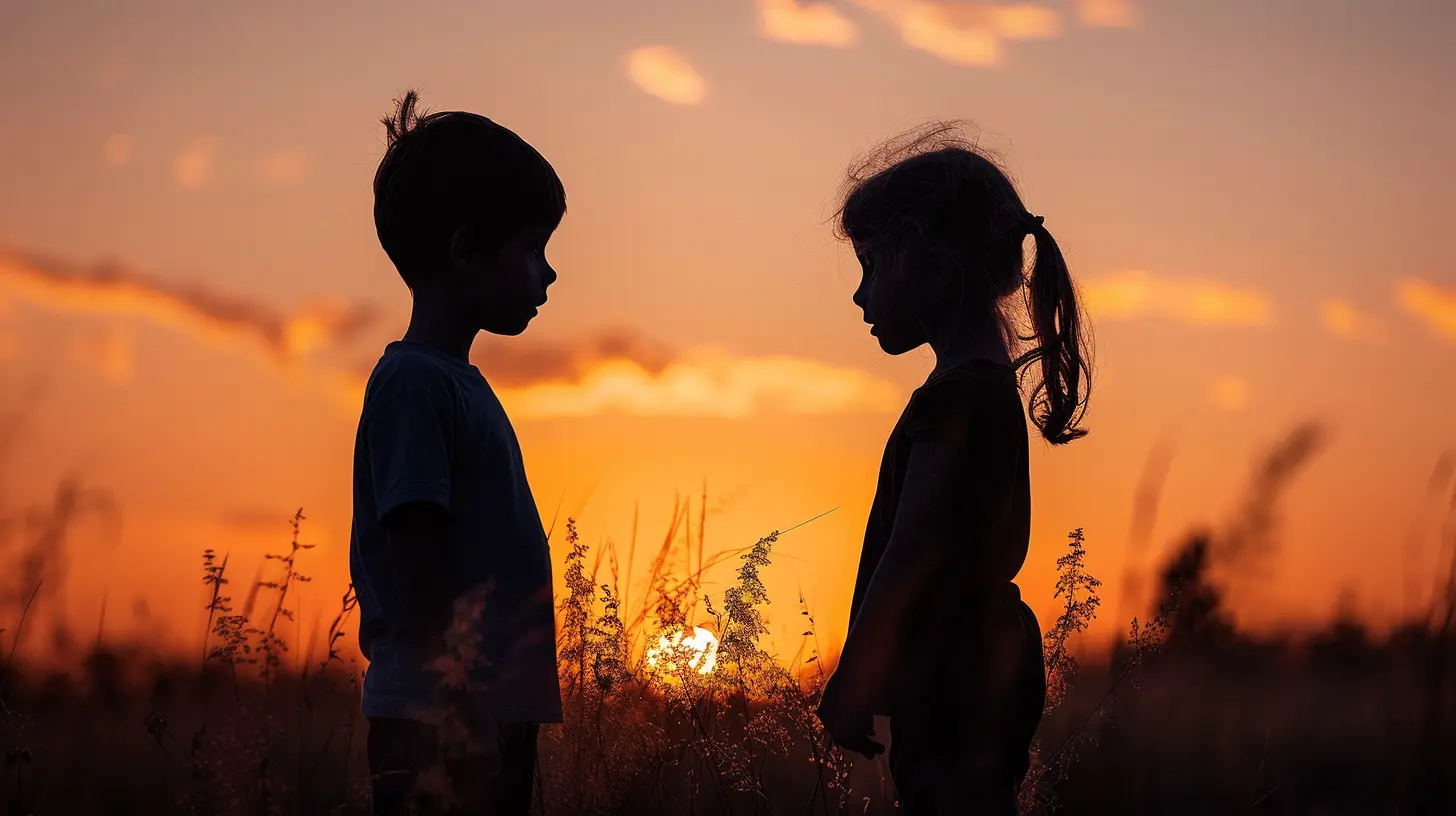
Model Respectful Conflict Resolution
Kids are like little sponges. They’re watching you, even when you think they're not. If you’re constantly yelling at your partner or slamming cabinet doors when you’re upset, guess what? That’s what they’ll think conflict looks like.Be the Example
Next time you and your partner disagree, try talking it out calmly in front of your kids. Let them see what respectful conflict looks like. Narrate your feelings (“I feel frustrated because...”) and solution-oriented thinking (“Let’s figure out what we can do about it”).When you mess up—and let’s be real, we all do—apologize. That simple act teaches kids that it’s okay to make mistakes and that repairing a relationship is part of resolving a conflict.
Teach the Pause Button: Self-Regulation Is Key
One of the most important parts of managing conflict isn’t what you say—it's when you choose to say it.Help Them Recognize Their Triggers
Everyone has emotional triggers. For a child, it might be someone taking their toy, losing a game, or being told "no." Help your child notice what gets them fired up.And when they’re angry? That’s not the moment to hash it all out.
Introduce Cool-Down Strategies
Teach your child to "pause" before reacting. Maybe it's taking deep breaths, counting to ten, or stepping away for a few minutes. For younger kids, a cozy corner with pillows and books can work wonders.Think of it like pressing the brakes on a runaway emotional car. You’re not ignoring the problem—you’re just slowing things down so you don’t crash.
Practice Active Listening (Yes, Even When You’re Over It)
Let’s face it, when your child is telling you for the 47th time what their brother did during Minecraft, it’s tempting to tune out. But listening—like, really listening—is a critical piece of the puzzle.Teach Them to Listen, Too
Conflict resolution is a two-way street. One party talks, the other listens. Then switch. No interrupting. No eye-rolling.Practice this during calm moments, using role-play or simple games. Model phrases like:
- “I hear you’re upset because…”
- “I understand that made you feel…”
- “What would make it better?”
Encourage “I” Statements Over Blame
Nothing escalates a conflict faster than finger-pointing. “You NEVER let me be player one!” or “You ALWAYS take my toys!”Time to swap the blame-game for “I” statements.
Teach Them to Speak From Their Own Perspective
Instead of attacking, teach them to say:- “I feel ___ when ___ because ___.”
- “I need ___ to feel better.”
For example: “I feel sad when you leave me out because I want to play with you.” That's a lot more likely to get a compassionate response than a shouting match.
You can even make a fun template and practice together!
Problem-Solve Together
Once everyone has had a chance to speak and listen, it’s time to find a solution. This is a golden learning opportunity.Brainstorm Ideas (Even the Silly Ones)
Ask: “What do you think we can do so this doesn’t happen again?” Let your child be part of the solution. Even if the ideas are a little out there (like building separate Lego castles on opposite sides of the room), it encourages creative thinking and gives them ownership.When kids help solve their own problems, they’re more likely to follow through—and feel proud of the outcome.
Praise the Process, Not Just the Result
Kids thrive on positive feedback, but instead of praising “good behavior” only, try praising the effort they made to resolve the conflict.Say things like:
- “I’m proud of how you listened to your sister just now.”
- “That was really kind of you to take a deep breath before responding.”
- “I saw you working hard to find a fair solution. Great job.”
This reinforces that the way we handle conflict matters, not just the outcome.
Use Real-Life Scenarios for Practice
Think of conflicts as mini practice sessions—because that’s what they are. Each disagreement is a chance to sharpen those resolution skills.Don’t Rescue Too Quickly
It’s tempting to jump in and solve things for them (“Give it back to your brother!”), but letting your child try first builds their confidence.You can guide from the sidelines:
- “What can you say to him right now?”
- “How do you think she feels about that?”
- “What’s a fair way to work this out?”
Give them space to struggle a bit. That’s how they learn.
Create a Family Conflict Plan
This one’s a game-changer. Sit down as a family and come up with a simple plan for how everyone agrees to handle conflict. Keep it short and sweet.For example:
1. Calm down first.
2. Take turns talking and listening.
3. Use “I” statements.
4. Ask, “What can we do about it?”
5. Agree on a solution together.
Display it somewhere visible—like the fridge or family room. This provides consistency and a shared approach everyone can follow.
Be Patient—It’s a Process
Just like riding a bike or tying shoes, kids don’t learn conflict resolution overnight. They need repetition, modeling, encouragement, and time.There will be setbacks. Sibling clashes. Eye rolls. Door slams. But each one is a stepping stone toward emotional maturity.
Stick with it.
Because here’s the magic: when kids learn these skills, they’re not just better siblings or students—they become better friends, better coworkers, and eventually (gulp) better parents.
Final Thoughts: Peace Starts at Home
Does teaching conflict resolution take effort? Absolutely. But the payoff? A more harmonious home, stronger family bonds, and kids who grow up with rock-solid emotional skills.Conflict isn’t the enemy—it’s an opportunity for connection and growth. And as parents, we’re the guide. So grab your cape, because you’ve got everything you need to lead the way.
Your future self—and your kids—will thank you.
all images in this post were generated using AI tools
Category:
Parenting SupportAuthor:

Tara Henson
Discussion
rate this article
2 comments
Judith McLaury
Great insights! Teaching conflict resolution early empowers kids to handle disagreements constructively, fostering a more peaceful and harmonious family environment. Thank you!
December 30, 2025 at 5:20 PM
Tara Henson
Thank you for your thoughtful comment! I'm glad you found the insights valuable. Empowering kids with conflict resolution skills truly makes a difference in creating a harmonious home!
Holden Stewart
Thank you for this insightful article! Teaching children conflict resolution is essential for fostering communication and understanding. I appreciate the practical tips shared for creating a more peaceful home environment.
December 24, 2025 at 3:51 PM
Tara Henson
Thank you for your kind words! I'm glad you found the tips helpful for fostering a peaceful home.