The Benefits of Outdoor Play for Child Development
26 June 2026
When was the last time you saw a kid rolling down a grassy hill, getting messy with mud pies, or building an imaginary castle out of sticks and leaves? If you’re like many parents today, it might feel like outdoor play is becoming a lost art. With screens everywhere and schedules packed tighter than a lunchbox on field trip day, it's easy to forget the simple power of just going outside.
But here's the thing: outdoor play isn’t just fun—it’s essential. It's not just about letting off steam (though there's plenty of that). It's a core part of how children grow, learn, and thrive.
So, let’s dig into the benefits of outdoor play for child development—because sometimes, the best classrooms don’t have walls.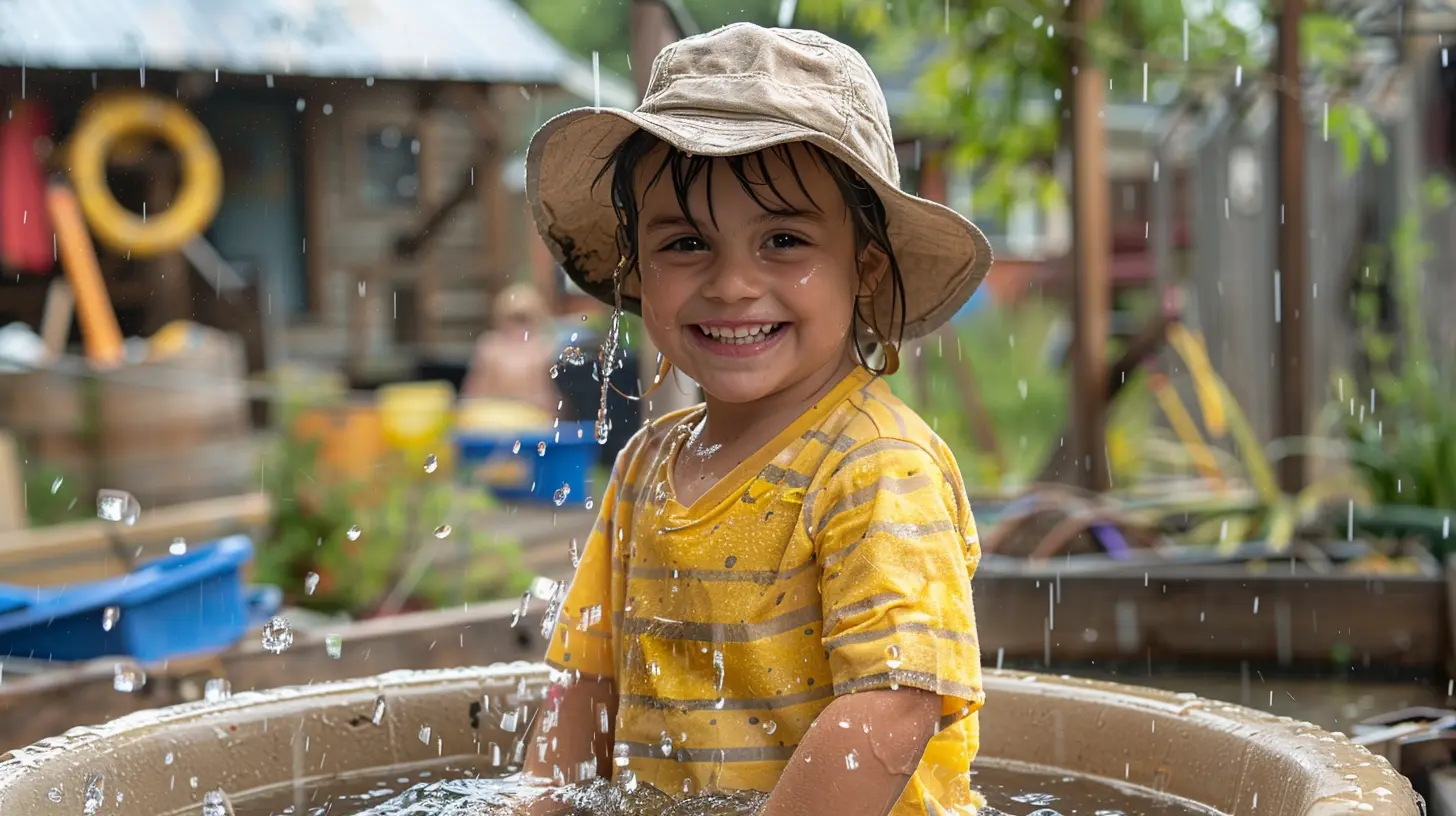
Why Outdoor Play Matters More Than Ever
Think back to your own childhood. Chances are, you spent hours outside—riding bikes, playing tag until dark, or swinging high enough to nearly touch the sky. That wasn’t just fun. Without realizing it, you were developing skills, building confidence, and staying active.In today’s world, though, kids are spending less time outdoors than ever before. Between digital distractions, safety concerns, and academic pressure, play often gets pushed to the bottom of the priority list.
But here's the truth: outdoor play isn't a luxury—it's a necessity.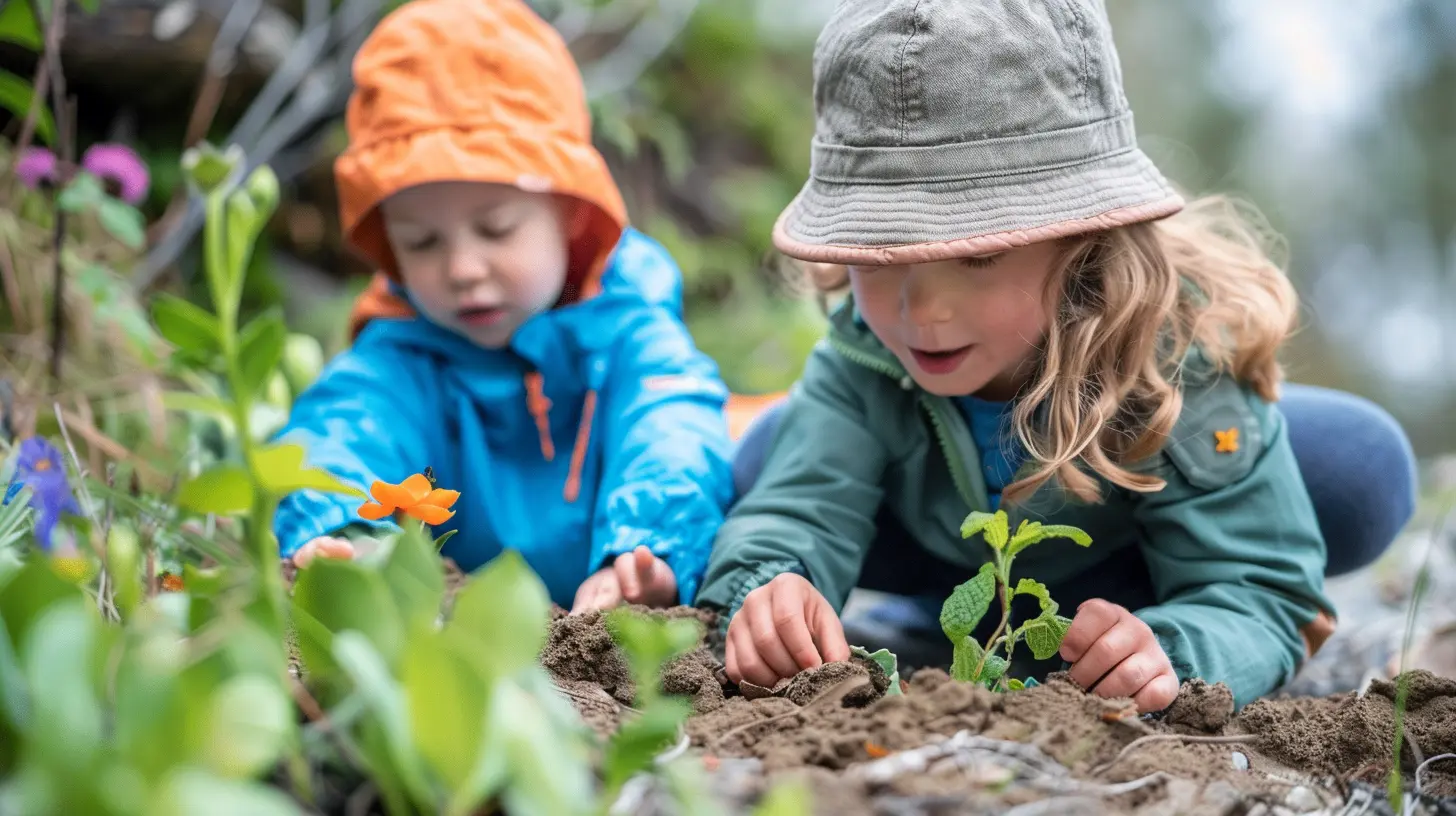
Physical Benefits: Healthy Bodies Start Outdoors
1. Builds Stronger Muscles and Bones
Climbing trees, jumping over puddles, or scrambling up playground equipment aren't just entertaining—they engage the body in ways no video game ever can. Running, jumping, balancing, and climbing promote motor skill development, build muscle strength, and improve bone density.2. Encourages a Healthy Weight
With childhood obesity on the rise, getting kids moving has never been more important. Outdoor play boosts physical activity levels and helps burn off excess energy. It’s the easiest (and most fun) way to stay fit without making kids feel like they’re exercising for the sake of it.3. Improves Sleep Patterns
Ever noticed how your child sleeps better after a day at the park? That’s no coincidence. Physical exertion during outdoor play helps regulate sleep cycles, allowing for deeper and more restful sleep.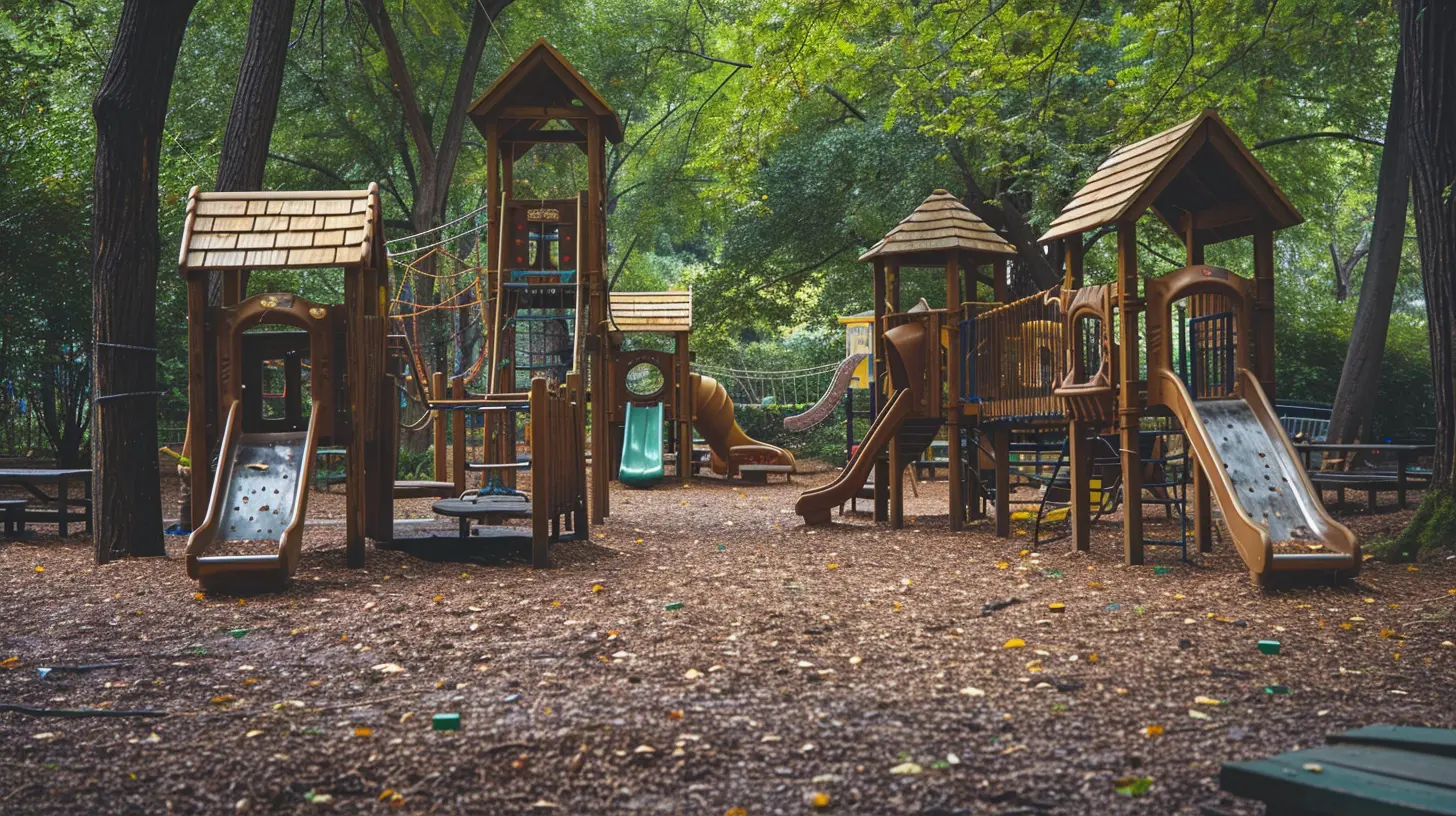
Cognitive Benefits: Outdoor Play Fuels Brain Growth
4. Enhances Creativity and Imagination
One of the most beautiful things about outdoor play? It’s open-ended. A stick transforms into a magic wand, a pile of rocks becomes a dragon’s cave, and a mud puddle turns into a royal moat. When kids aren’t confined by structured activities, their brains light up with creativity.5. Strengthens Problem-Solving Skills
Ever watched a child try to build the perfect fort or figure out how to cross a stream without getting wet? Outdoor play often presents real-world "problems" that require quick thinking, planning, and adapting—all critical cognitive skills that help children in school and beyond.6. Boosts Attention Span and Focus
Studies have shown that time spent in nature can improve focus—especially for children with ADHD. Even just a 20-minute walk in a green space can significantly boost concentration. That’s because nature has a calming effect that resets the cognitive brain.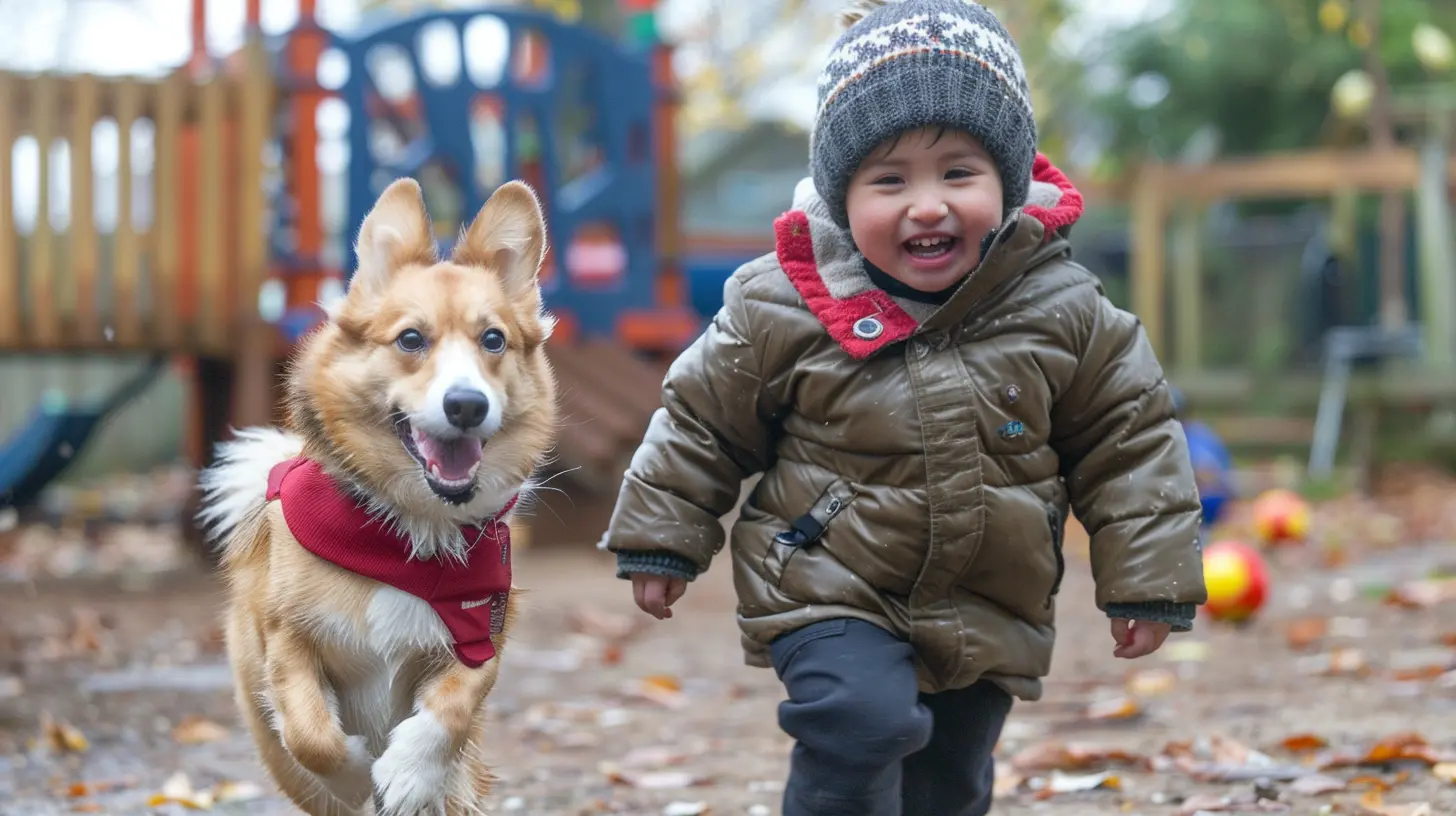
Emotional and Social Benefits: Nature as a Natural Therapist
7. Reduces Stress and Anxiety
Nature has an incredible way of calming the mind. Whether children are digging in the dirt or simply watching clouds drift by, outdoor spaces give kids room to breathe, process emotions, and unwind. It’s like a natural reset button for their emotional well-being.8. Builds Confidence and Independence
Outside, there's a sense of freedom kids don’t always get indoors. They get to take risks, make decisions, and explore on their own terms—which does wonders for their self-esteem. Whether it’s climbing that “scary” slide or navigating a forest path, each little win builds inner strength.9. Teaches Social Skills and Teamwork
When kids play outside together—whether they’re organizing a soccer game or pretending they’re pirates searching for buried treasure—they’re learning how to communicate, compromise, and work as a team. Outdoor play naturally creates opportunities for collaboration and empathy.Sensory Benefits: A Full-Body Experience
10. Boosts Sensory Development
Nature stimulates the senses in a way screens never can. From the scent of pine trees to the feel of grass underfoot or the sound of birds chirping, outdoor play offers rich, multi-sensory experiences. These help young children make sense of the world around them and fine-tune their sensory processing skills.11. Improves Balance and Coordination
Uneven surfaces, slippery rocks, and winding trails challenge children’s balance and coordination far more than flat indoor floors. These physical challenges sharpen their spatial awareness and help them feel more confident in their bodies.Learning Opportunities: Education Beyond the Classroom
12. Sparks Curiosity and a Love for Learning
Nature is a giant, living science lab. Kids learn by doing—and the outdoors gives them endless material to explore: bugs, weather, plants, animal tracks, and more. Asking questions and seeking answers outside helps nurture a curiosity-driven learning style.13. Encourages Risk-Taking and Resilience
Outdoor play often involves a little risk—climbing higher, running faster, trying new things. These “risks” are vital in teaching children how to assess situations, push their comfort zones, and bounce back from failure (like when that stick fort collapses for the third time…).Digital Detox: Reconnecting with the Real World
14. Breaks the Screen Cycle
Let’s face it—technology is everywhere. While some screen time is okay, too much of it can lead to behavioral issues, poor posture, and lack of sleep. Outdoor play provides a much-needed break from screens and reconnects kids with the real world.15. Encourages Mindfulness and Presence
Outdoors, children are more likely to be present and focused on what they’re doing—because outside, things change constantly. A leaf blowing in the wind, a butterfly fluttering by—it all demands your child’s attention in a non-digital way. This kind of mindfulness helps improve overall well-being.How Much Outdoor Play Do Kids Need?
The American Academy of Pediatrics recommends at least 60 minutes of unstructured outdoor play per day. That might sound like a lot, but it doesn’t have to be fancy or complicated. Even a walk around the block, digging in the backyard, or 30 minutes at the playground counts.And remember—it doesn’t have to happen all at once. You can break it up throughout the day.
Easy Ways to Encourage Outdoor Play
If you’re thinking, “Okay, great, but how do I actually get my kid off the screen and out the door?”—you’re not alone. Here are a few ideas to spark the outdoor magic:- Create an outdoor treasure hunt: Hide small items in the yard and let kids search using clues or a map.
- Start a bug or nature journal: Let them document cool bugs, leaves, and flowers they find.
- Invest in simple outdoor equipment: Think hula hoops, balls, jump ropes, or chalk. Sometimes, the basics are the best.
- Let them get messy: Dirt washes off, but the confidence and creativity it builds? That sticks around.
- Join them! Sometimes, we forget the joy of being outside. Play with your kids. Kick the ball, build a fort, or just lay on a blanket and spot shapes in the clouds.
The Parent Takeaway
It’s easy to get caught up in academics, enrichment activities, and structured schedules—but your child doesn’t just need more math worksheets or another hour of piano practice. They need time outside to be kids. To run, to fall, to laugh, and to explore.Outdoor play is more than just fun—it’s transformative. It shapes minds, builds bodies, and nurtures hearts. So next time you're debating between another hour of screen time or a trip to the park, remember: the world outside is calling, and your child’s development depends on it.
Let’s raise kids who aren’t afraid of dirt under their nails, who embrace the wind in their faces, and who learn as much from the trees as they do from textbooks.
all images in this post were generated using AI tools
Category:
Parenting AdviceAuthor:

Tara Henson
Discussion
rate this article
1 comments
Uri Maddox
I loved reading this! Outdoor play is such a simple yet powerful way for kids to learn and grow. Watching my little ones explore nature and use their imaginations always reminds me why being outside is so important for their development. Thanks for sharing!
June 27, 2026 at 4:29 AM