The Do’s and Don’ts of Pregnancy Exercise
6 January 2026
Pregnancy—the magical, messy, and miraculous journey of growing a human being. It’s a rollercoaster of emotions, cravings, and of course, a whole bunch of questions. One of the biggest things parents-to-be often wonder is: “Can I work out while pregnant?” The short answer? Yes, you can! But (and it’s a big but), there are definitely some rules to follow to make sure both you and your little bun in the oven stay safe and healthy.
Whether you're a seasoned gym-goer or someone just trying to stretch their legs a bit during these nine months, this guide on the do’s and don’ts of pregnancy exercise will help you maneuver through the confusion.
So, grab your yoga pants (maternity style, of course) and let’s get into it.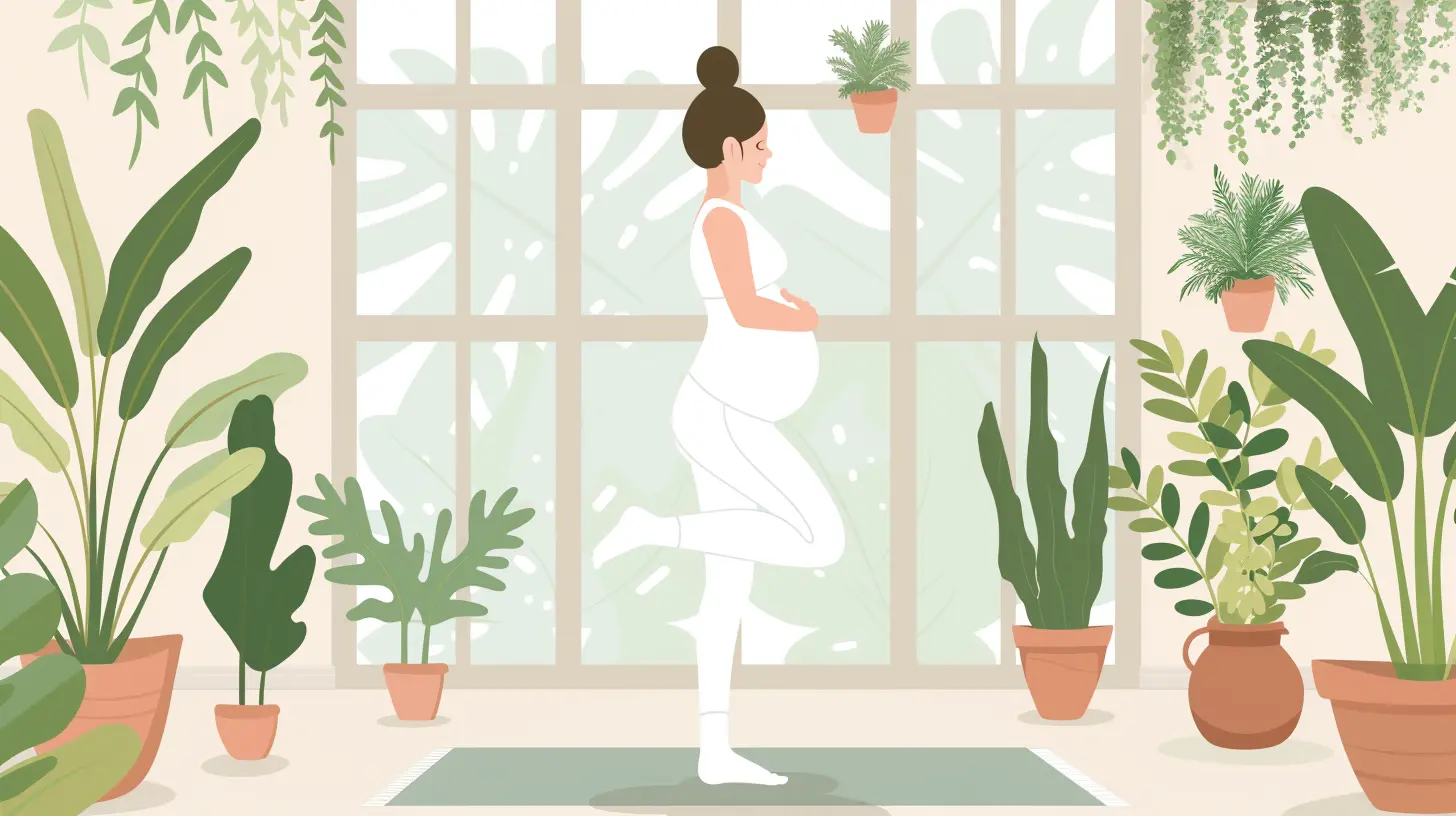
Why Exercise During Pregnancy Matters
Before we jump into the do’s and don’ts, let’s chat about why you should even bother working out when your ankles have disappeared, and tying your shoes feels like an Olympic sport.Here’s the thing—exercise during pregnancy comes packed with benefits:
- Boosts your mood (thanks, endorphins!)
- Helps with sleep
- May reduce backaches and constipation
- Keeps your weight in check
- Prepares your body for labor and delivery
- Speeds up postpartum recovery
It’s not about "bouncing back" or getting a six-pack while sporting a baby bump. It’s about feeling good, staying energized, and giving your body the strength it needs for the marathon (okay, maybe ultra-marathon) that is childbirth.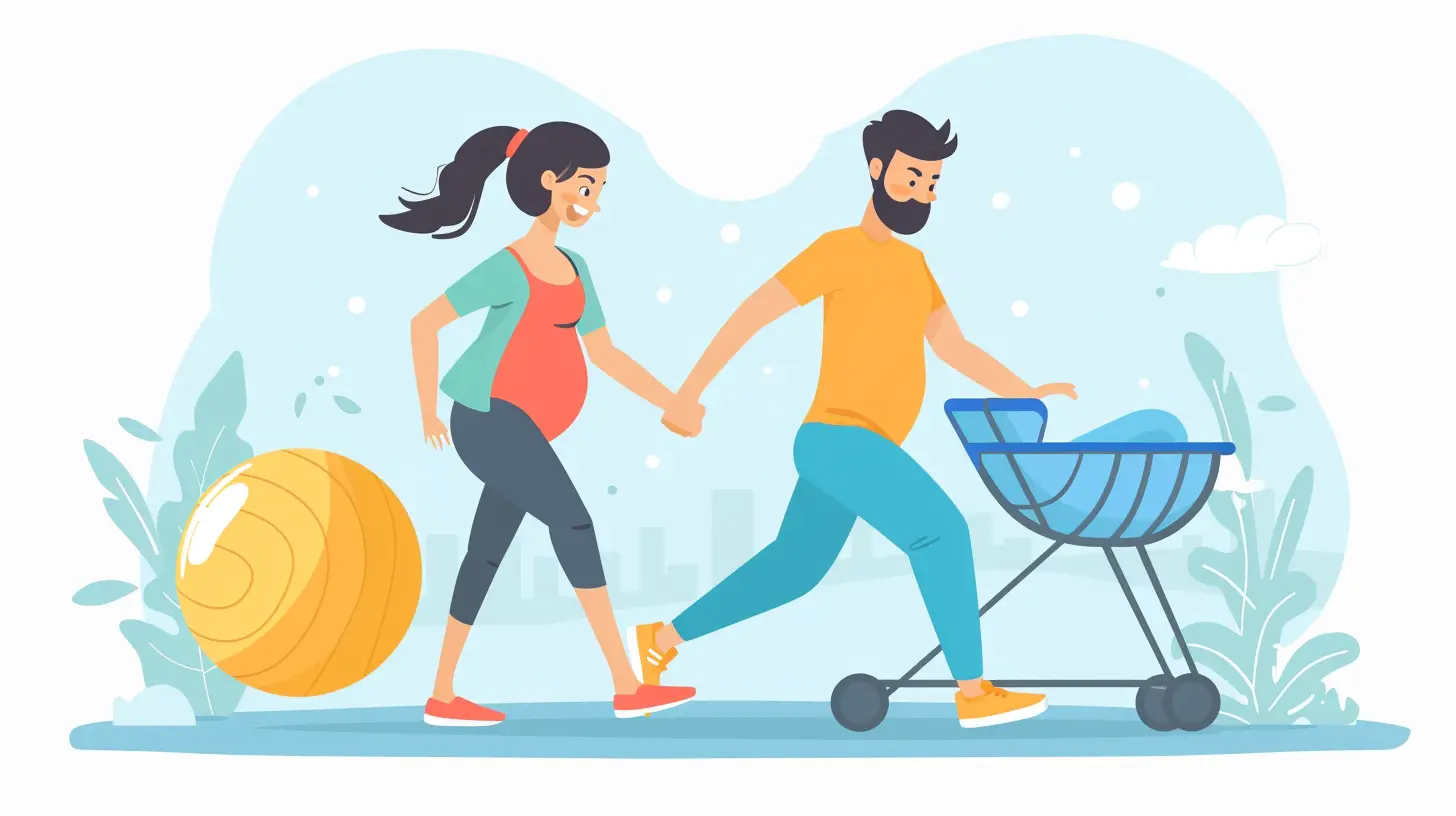
The Do’s of Pregnancy Exercise
There’s definitely a right way to go about movement during pregnancy. Let’s focus on what to do that’ll keep you moving safely and confidently.✅ Do Get the Green Light From Your Doctor
Before you lace up your sneakers, talk to your OB-GYN or midwife. Most women can keep up with exercise during pregnancy, but there are some complications (like preeclampsia or risk of preterm labor) where workouts should be altered or avoided altogether.✅ Do Focus on Low-Impact Workouts
When you're pregnant, it's not the time to train like you're entering a CrossFit competition (unless you already were, and your doc says it's cool). Low-impact workouts are your new best friend.Good options include:
- Walking (simple but surprisingly effective!)
- Swimming (feels like floating through heaven when your belly gets heavy)
- Prenatal yoga or Pilates
- Stationary cycling
- Light strength training
These types of movements help maintain strength and flexibility without putting too much stress on your joints—which are looser now thanks to pregnancy hormones.
✅ Do Listen to Your Body
This one’s a biggie. Even if you’re used to crushing five-mile runs or intense spin classes, pregnancy changes things.If you feel dizzy, short of breath, overly fatigued, or just “off,” stop. Pushing through isn’t the goal here. If your body says "nope," you say “okay.”
Your body is doing something extraordinary—give it grace.
✅ Do Stay Hydrated and Cool
You’re already running hot during pregnancy (hello, hormonal heatwave), so it’s super important to:- Drink lots of water before, during, and after exercise.
- Avoid overheating (especially in the first trimester).
- Workout in a cool environment or go easy outdoors.
Overheating can be risky for baby, especially early on, so avoid hot yoga and don’t go for a brisk walk at high noon in July.
✅ Do Strengthen Your Core and Pelvic Floor
Nope, we’re not talking about crunches.During pregnancy, your pelvic floor is under a ton of added pressure, and your core muscles are doing some serious heavy lifting (literally).
Adjust your workouts to include pelvic tilts, cat-cow stretches, and Kegel exercises. They’ll help with posture, back pain, and even labor (yes please).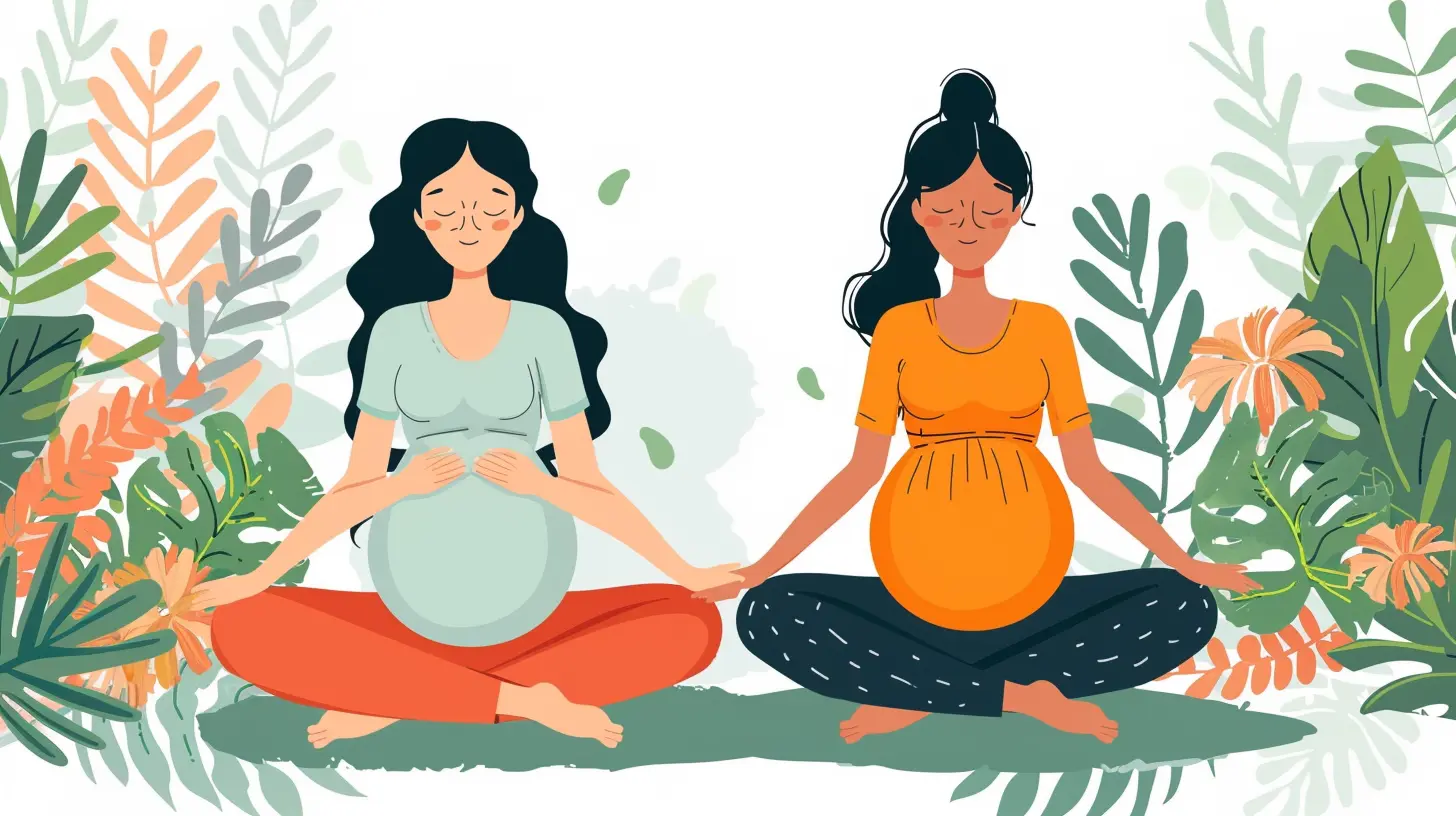
The Don’ts of Pregnancy Exercise
Alright, now let’s hit the brakes on what not to do. Because while movement is magical during pregnancy, some activities just aren’t worth the risk.❌ Don’t Lie Flat on Your Back for Long Periods
After the first trimester, exercises that require you to lie flat on your back—like certain yoga poses, crunches, or bench presses—can compress major blood vessels. This can reduce blood flow to both you and your baby.Instead, modify those moves with a wedge, pillow, or do them on your side or standing up.
❌ Don’t Push for Personal Bests
Pregnancy is not the time to chase records. That 10K time you were so proud of pre-pregnancy? Let it go (for now).Focus on maintaining, not improving. Your heart rate, balance, and energy levels are already adjusting, so just showing up for a workout is a win.
❌ Don’t Skip Warm-Ups or Cool Downs
Starting a workout cold or ending it abruptly isn’t ideal for anyone, let alone someone growing a human.Warming up helps prevent injury, and cooling down helps your heart rate and blood pressure return to normal slowly. It’s like easing into a hot bath rather than cannonballing in.
❌ Don’t Engage in Contact or High-Risk Sports
If there’s a chance of falling, getting hit in the belly, or extreme jostling, it’s time to take a pass.Activities to avoid include:
- Skiing (water or snow)
- Horseback riding
- Kickboxing or martial arts
- Gymnastics
- High-impact team sports (soccer, basketball, etc)
Even if you’ve always loved these sports, it’s not worth the risk. You’ll be back at it post-baby in no time!
❌ Don’t Ignore Red Flags
If you notice symptoms like:- Vaginal bleeding
- Severe headaches
- Chest pain
- Cramping
- Decreased fetal movement
- Leakage of fluid
Stop immediately and call your healthcare provider. These might be signs something’s not quite right.
Frequently Asked Questions About Pregnancy Exercise
Let’s hit some common concerns that might still be bubbling up.“Can I start exercising if I wasn’t active before getting pregnant?”
Totally! Pregnancy isn’t the time to go from Netflix binger to marathon runner, but you can absolutely start moving. Begin with gentle walks, stretching, and maybe a prenatal yoga class. Slow and steady wins this race.“How often should I exercise during pregnancy?”
Aim for about 30 minutes a day, most days of the week, if you’re feeling up for it. But even 10-15 minutes is better than nothing. Move your body however you can.“What if I’m just too tired?”
That’s okay! Fatigue is a real thing during pregnancy, especially in the first trimester. Listen to your body. Some days, rest is more beneficial than movement. Give yourself permission to pause.Tips to Stay Motivated
Let’s be honest—some days, just putting on pants (any kind) feels like a major accomplishment. So how do you stay motivated?- Grab a workout buddy. If you’ve got a friend (or partner) to move with, it feels easier—plus, accountability helps.
- Take an online prenatal class. There are tons out there designed specifically for pregnant bodies.
- Break it up. Three 10-minute walks are just as good as one 30-minute session.
- Celebrate small wins. You showed up? That’s worth a happy dance (or at least a cozy nap afterward).
Final Thoughts
Pregnancy exercise doesn’t have to be intense, complicated, or even overly structured. It’s about connection—to your body, your baby, and your well-being. Think of it like a gentle partnership between you and the tiny person growing inside you.So move when it feels good, rest when you need to, and always keep your healthcare provider in the loop. You’ve got this, mama.
And hey, if all you manage today is a stretch and a deep breath? That counts too.
all images in this post were generated using AI tools
Category:
Pregnancy TipsAuthor:

Tara Henson
Discussion
rate this article
2 comments
Rusty McAdams
Thank you for this informative article! I appreciate the clear guidance on safe exercise during pregnancy. It's reassuring to have a concise list of do's and don'ts to follow. Looking forward to incorporating these tips into my routine for a healthier pregnancy!
January 26, 2026 at 3:41 PM
Tara Henson
Thank you for your kind words! I'm glad you found the article helpful. Wishing you a healthy and active pregnancy!
Kenzie Smith
In the dance of new beginnings, gentle movements guide our way. Embrace the joy, heed the whispers, for every stretch and mindful pause nurtures both body and soul, a symphony of love in bloom.
January 17, 2026 at 5:38 AM
Tara Henson
Thank you for beautifully capturing the essence of mindful movement during pregnancy! Embracing gentle exercise truly nurtures both body and soul.