The Importance of Flexibility in Successful Blended Families
18 February 2026
Blended families are becoming more and more common in today's world. But let's be real here—blending families doesn’t always happen as smoothly as mixing ingredients into a bright, fluffy cake batter. Sometimes, it can feel more like trying to combine oil and water. If you're part of a blended family or thinking of becoming one, you already know that the journey can be both exciting and intimidating.
The secret sauce to making it work? Flexibility. Yes, that simple yet complex concept can be an absolute lifesaver for everyone involved. In this article, we’ll dive deep into why flexibility is so critical in helping blended families thrive and how you can cultivate it in your own household.
What is a Blended Family?
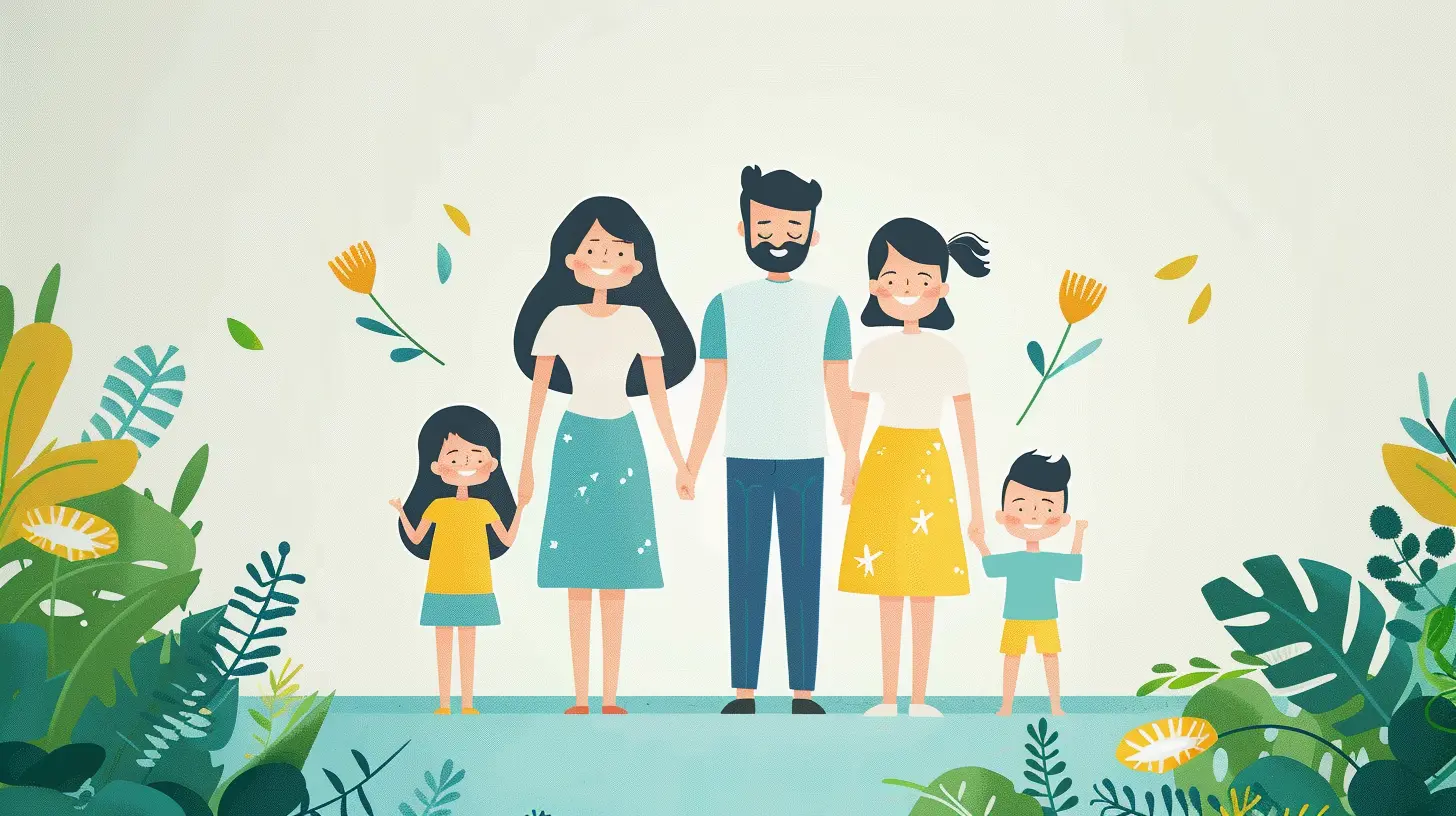
First things first, let’s clarify what we’re talking about here. A blended family is a family where one or both partners have children from previous relationships. These families can include stepparents, stepsiblings, and half-siblings. Does this sound familiar? It might, because blended families are more common than ever before. In fact, according to the U.S. Census Bureau, more than 1,300 new blended families are formed in the U.S. every single day!Now, while building a family from different origins can be incredibly rewarding, navigating the dynamics is no walk in the park. That’s where flexibility comes in. So, let’s get into how and why flexibility is the glue that can hold blended families together.

The Value of Flexibility in Blended Families
Flexibility isn’t just about being able to adjust the bedtime routine on a school night or deciding who gets the remote control. It's much more—it's about emotional flexibility, being adaptable to change, and understanding that things won’t always go as planned. Here are some compelling reasons why flexibility is so important in blended families:1. Adapting to New Roles
When a blended family forms, everyone is adjusting to new roles. As a stepparent, you’re stepping into a role that already existed, but with no clear blueprint for what’s expected of you—a bit like trying to study for a pop quiz! Likewise, children are suddenly living with new siblings or another adult in the house. This adjustment can be jarring for everyone involved.Flexibility allows everyone to find their footing in their own time and way. Rushing things or forcing roles on individuals only leads to resentment and tension. But by being flexible, you allow the family to come together more naturally and authentically. Isn’t that what we’re all aiming for?
2. Creating New Traditions
Blended families often come with a mix of traditions, routines, and expectations. For example, one family might have a Saturday pancake breakfast ritual, while the other spends weekends at soccer games. When these two worlds collide, someone’s tradition is bound to feel overshadowed, right? Wrong—if you’re flexible!Instead of forcing old traditions to stick without change, be open to creating new rituals that incorporate bits and pieces of everyone’s past. It’s about compromise. This way, everyone feels heard, respected, and as if they belong in the new unit. Plus, it can even be a fun bonding experience for everyone involved.
3. Handling Changing Schedules
One of the trickiest parts of blended family life is co-parenting with multiple sets of adults. Maybe the kids switch between mom’s and dad’s house every other week, or holidays now involve coordinating across multiple homes. These kinds of schedules can feel overwhelming and disorganized.However, flexibility allows you to roll with the punches. The key is to go with the flow when plans change (because they will!), and keep the communication lines open. Some days won’t go as planned, and that’s okay. The more adaptable you are, the smoother these transitions will become.
4. Maintaining Relationships with Biological Parents
In blended families, the relationship between stepparents and biological parents is critical. Co-parenting requires constant communication, compromise, and yes—you guessed it—flexibility. Sometimes you’ll get along great with your partner’s ex, other times... not so much. And that’s okay, as long as you’re willing to adapt and meet halfway.Always remember: the ultimate goal is the well-being of the children, and flexibility in your approach can help foster a healthy relationship between all parties.
5. Acknowledging Different Parenting Styles
One of the most common areas of conflict in a blended family? Different parenting styles. Perhaps one parent believes in lots of structure and discipline, while the other is more laid-back and free-spirited. Throw in a stepparent with yet another approach, and you’ve got the perfect recipe for chaos—or at least some serious debates!The only way to navigate this minefield is through flexibility. Discuss your parenting approaches openly with your partner and find compromises where appropriate. Understand that what worked for your first family might not fit this blended one, and that’s okay. Be willing to tweak, adjust, and experiment until you find methods that work for everyone.
6. Managing Expectations
Let’s be honest—when the Brady Bunch aired on TV, it set some super unrealistic expectations for blended families. Life is not always going to be a picture-perfect sitcom, and that’s okay! Don’t expect everyone to bond right away or for things to "click" instantly. Becoming a cohesive blended family is a process that takes time—often much more time than you might think.By keeping your expectations flexible, you won’t be disappointed if things don’t go according to plan. This allows love and happiness to bloom naturally, rather than trying to force it. Remember, flexibility is key when dealing with complex emotions that arise from merging families.
7. Supporting Emotional Needs
Blended families come packaged with a wide range of emotional baggage. Some kids may have trouble accepting the new family structure, while others may feel caught between loyalty to both biological parents. And let’s not forget the emotions you, as a parent or stepparent, will experience. It can be a lot!Flexibility helps you to support each family member’s emotional needs. It ensures that everyone gets space to express their feelings in their own way. You don’t have to "fix" everything immediately. Sometimes, emotions just need to be felt and understood in their own time. Be there, be receptive, and most importantly, be patient.
8. Navigating Conflicts
Conflict is inevitable, and blended families are no exception. You might argue over chores, boundaries, or discipline—but here’s the kicker: conflict isn’t bad when handled healthily.However, being rigid in your conflict resolution strategies can lead to more long-term issues. Flexibility, on the other hand, allows you to explore different solutions until you find one that works. It creates a non-combative space where everyone’s feelings are considered. Think of it like a puzzle—each piece fits in its own time.

Practical Tips for Cultivating Flexibility in Your Blended Family
Okay, we’ve talked plenty about why flexibility is essential, but how do you actually foster it in your own family? Here are a few practical tips to help you out:1. Open Communication
Make sure everyone in the family feels heard. Regular family meetings can help address issues openly and work towards compromises. Be receptive to feedback and encourage everyone to speak their minds.2. Stay Calm During Changes
Life happens, and plans will change. Instead of stressing out when things go off course, take a deep breath and adjust. The less rigid you are, the less stressful these moments will be.3. Celebrate Small Wins
Did everyone make it through dinner without an argument? Celebrate that! Blended families come with unique challenges, so acknowledging the small victories can go a long way in building positivity and camaraderie.4. Be Patient
Rome wasn’t built in a day, and neither are successful blended families. Be patient with the process. Flexibility takes time to build, but with consistent effort, you’ll get there.5. Prioritize Bonding
Make time for fun, low-pressure bonding activities. Go on a family hike, have a movie night, or cook dinner together. The more you interact in low-stakes situations, the easier it becomes to build those flexible, lasting connections.
Conclusion – The Power of Flexibility in Blended Families
In the end, blended families, like any family, are built on love, respect, and compromise. The journey may not always be easy, but it’s one that’s filled with opportunities for growth, understanding, and new beginnings. Flexibility is your best friend on this journey. It helps smooth the sometimes bumpy path ahead, ensuring everyone feels valued and understood.Remember, each family is unique, and there’s no one-size-fits-all approach to making it work. The key is to remain adaptable, willing to adjust, and most importantly, remain connected to one another. Because at the end of the day, family life—blended or not—is always a work in progress.
all images in this post were generated using AI tools
Category:
Blended FamiliesAuthor:

Tara Henson
Discussion
rate this article
2 comments
Garrett McGinn
Flexibility in blended families: like yoga, but with more snacks and fewer omms!
March 16, 2026 at 3:50 AM
Tara Henson
Great analogy! Flexibility truly is key in blended families, just like yoga—adaptable and nourishing!
Trixie Taylor
Embracing flexibility in blended families fosters understanding and connection. By adapting to each other's needs, we create a nurturing environment where love thrives, proving that family bonds can grow in beautiful, unexpected ways.
February 27, 2026 at 5:48 AM
Tara Henson
Thank you for highlighting the vital role of flexibility in blended families! Adapting to one another truly strengthens connections and fosters a loving environment for everyone involved.