The Importance of Modeling Empathy as a Parent
1 June 2026
Parenting isn't just about teaching kids how to read, write, and ride a bike. It's about raising kind, compassionate humans who can navigate the world with understanding and care. One of the most powerful ways to do this? Modeling empathy.
Empathy is the ability to understand and share the feelings of others. It helps children form meaningful relationships, develop emotional intelligence, and handle conflicts with kindness. But here’s the catch—kids don’t just learn empathy from lectures and reminders. They learn it by watching their parents.
So, why is modeling empathy as a parent so crucial? Let’s dive in.

Why Empathy Matters in Parenting
1. Empathy Helps Children Develop Emotional Intelligence
Kids aren’t born knowing how to recognize and manage feelings. Emotional intelligence—the ability to understand emotions in yourself and others—is a learned skill. And like any skill, it needs practice.When parents consistently show empathy, children learn to process their emotions in a healthy way. Instead of bottling up feelings or reacting impulsively, they begin to recognize, express, and manage their emotions effectively.
For example, if your child is frustrated because they lost a board game, instead of dismissing their feelings with, "Oh, it's just a game, don't be upset," try, "I know it’s frustrating to lose. I’ve felt the same way before. But what matters is that we had fun, right?"
By validating their emotions, you’re teaching them that feelings are normal and manageable.
2. It Strengthens Parent-Child Relationships
Would you rather open up to someone who listens to you with understanding or someone who brushes you off? Kids feel the same way.When parents respond to their child's feelings with empathy, it builds trust. Instead of fearing judgment or punishment, children feel safe expressing their thoughts. This bond encourages open communication, making it easier for them to come to you with their problems, big or small.
Imagine your child comes home sad because a friend ignored them at school. You could say, "You'll find new friends, don't worry," or, "That must have hurt. I’m sorry you felt that way. Do you want to talk about it?"
Which response do you think will make your child feel heard and supported? Exactly!
3. Empathy Teaches Conflict Resolution
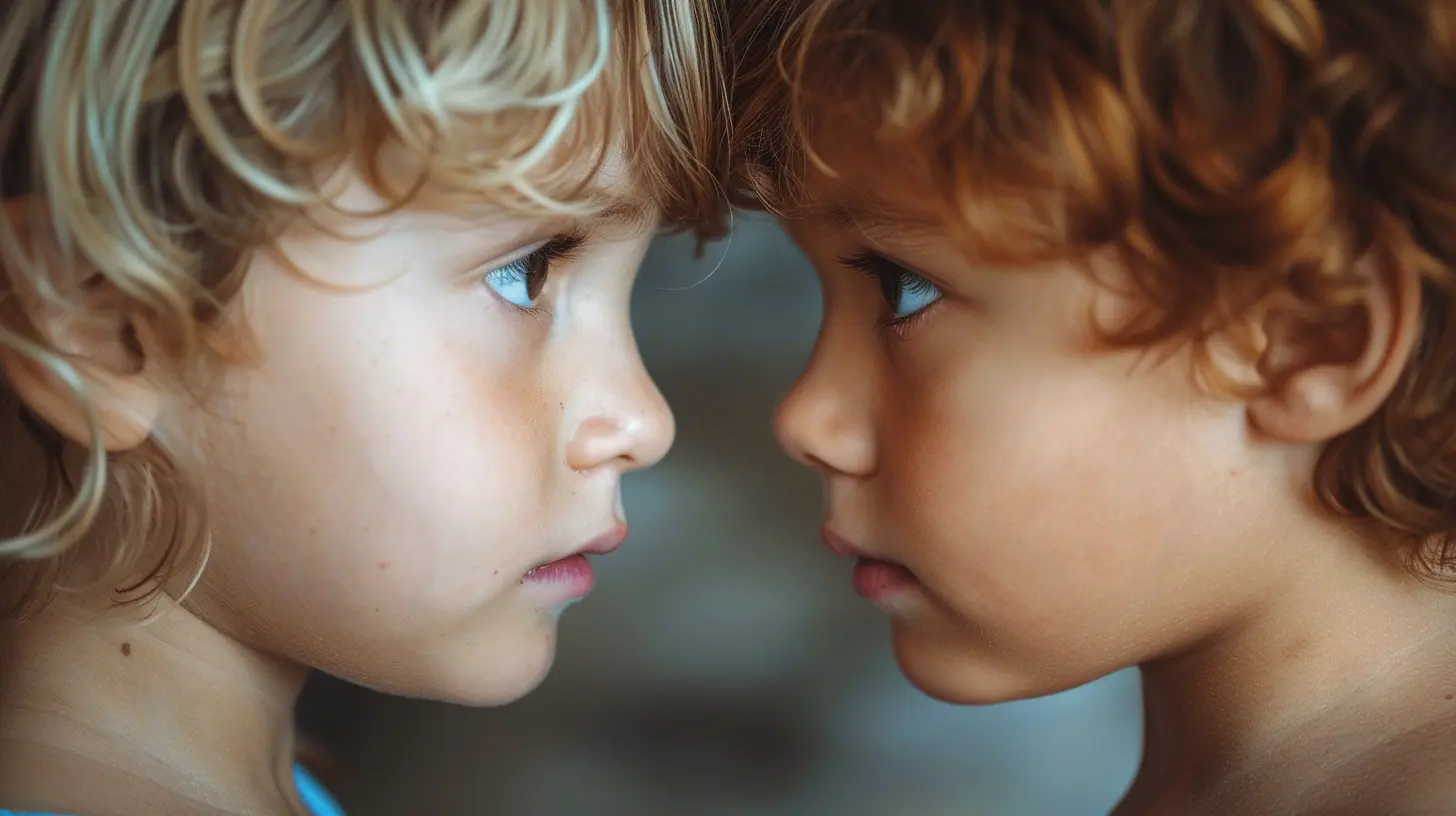
Life is full of conflicts—whether it’s a sibling squabble over the last cookie or an argument on the playground. Understanding another person's perspective is key to resolving disputes peacefully.If you model empathy when solving conflicts, your child will pick up on it. Instead of reacting with anger or stubbornness, they'll learn to consider the feelings of others and find solutions that work for everyone.
For example, if your kids are fighting over a toy, instead of yelling, "Stop arguing!" try, "I see that you both really want the toy. How can we find a way to share it so you both feel happy?"
This approach teaches problem-solving skills while reinforcing the importance of understanding others’ emotions.
How to Model Empathy as a Parent
Knowing that empathy is crucial is one thing—practicing it daily is another. So, how can you actively model empathy for your child?1. Be Present and Truly Listen
Ever had someone nod along while you’re talking but clearly not paying attention? It’s frustrating, right? Kids feel the same way when we half-listen while scrolling on our phones or thinking about our to-do lists.Real listening means making eye contact, putting away distractions, and responding thoughtfully. When your child feels truly heard, they’ll do the same for others.
2. Validate Their Feelings
Dismissing a child’s feelings might seem harmless, but it teaches them that their emotions don’t matter. Instead of saying, "You're overreacting," try, "I can see you're really upset. What’s going on?"Validating feelings doesn’t mean agreeing with every complaint—it just means acknowledging their emotions as real and important.
3. Use Empathy in Everyday Situations
Empathy isn’t just for big emotional moments. You can model it in everyday life, too.- At home: If your child is struggling with homework, instead of saying, "Just focus and get it done," try, "I know math can be tough. Want to take a break and try again together?"
- At the store: If someone drops their groceries, say, "That must be frustrating. Let’s help them pick it up!"
- With siblings: If your child is annoyed at their younger sibling, you can say, "I know it's frustrating when your little sister takes your toys. She just wants to be like you because she loves you!"
Every small act of empathy reinforces the lesson.
4. Apologize When You Make Mistakes
Parents aren’t perfect—we snap, we get impatient, we say the wrong things. But how we handle our mistakes teaches kids valuable lessons.If you lose your temper, don’t brush it off. Instead, say, "I’m sorry I yelled earlier. I was feeling frustrated, but that’s not your fault. I’ll try to be more patient next time."
This shows your child that mistakes are normal and that taking responsibility is part of being a kind and empathetic person.
5. Encourage Perspective-Taking
Helping kids see things from another person’s perspective builds empathy. Ask questions like:- "How do you think your friend felt when you didn’t invite them to play?"
- "What would you want someone to say to you if you were feeling sad?"
- "Why do you think your brother is upset right now?"
These questions encourage kids to think beyond their own feelings and understand others' emotions.

The Long-Term Benefits of Raising an Empathetic Child
Empathy isn’t just about making kids ‘nice.’ It has long-term benefits that shape who they become as adults.1. Better Relationships
Empathetic kids grow into adults who build healthy, meaningful relationships—whether with friends, family, or future partners. They communicate better, resolve conflicts peacefully, and foster deeper connections.2. Greater Success in Life
Believe it or not, empathy is linked to success. Studies show that emotionally intelligent people perform better in school, the workplace, and leadership roles. Why? Because understanding others helps in teamwork, collaboration, and decision-making.3. More Kindness in the World
Imagine a world where everyone took the time to truly understand each other. Where kindness and compassion were second nature. That starts with us—parents raising the next generation.
Final Thoughts
Parenting comes with a lot of responsibilities, but teaching empathy might be one of the most important. The way we treat our children today shapes the adults they become tomorrow.So, next time your child is upset, frustrated, or struggling, take a breath. Instead of dismissing their feelings or rushing to fix things, show them empathy. Because in the end, raising an empathetic child isn’t just about them—it’s about creating a kinder, more understanding world for everyone.
all images in this post were generated using AI tools
Category:
Teaching EmpathyAuthor:

Tara Henson
Discussion
rate this article
1 comments
Natasha Martin
Great article! It's amazing how our little ones pick up on our emotions and reactions. Modeling empathy not only shapes their behavior but also creates a deeper bond. Let's keep nurturing kindness together!
June 1, 2026 at 3:05 AM
Tara Henson
Thanks for your kind words! You're right-modeling empathy truly strengthens our connection with our kids. Let's keep fostering that kindness together.