The Importance of Play in Baby Development
21 July 2026
Play isn’t just about fun and games—it’s a crucial part of a baby’s growth. From the moment they're born, babies are constantly learning, and play is one of the most effective ways they do that. It helps with cognitive development, emotional regulation, physical coordination, and even social skills.
But why is play so important? And how can parents make the most out of playtime? Let’s break it down.

Why Play Matters for Babies
Play is like a workout for a baby’s brain and body. It helps them figure out the world, develop motor skills, and strengthen bonds with their caregivers. More than just entertainment, play is a fundamental part of how babies learn and grow.Here’s how it impacts different areas of development:
1. Cognitive Development: Building Brainpower
Every time a baby plays, they’re learning. Whether it's reaching for a toy, stacking blocks, or listening to a lullaby, their brain is forming connections.- Problem-solving skills – When a baby tries to fit a shape into the right hole, they’re learning about trial and error.
- Cause and effect – Dropping a spoon from the high chair (over and over again) teaches them that actions have consequences.
- Memory and attention – Simple games like peekaboo help build memory and focus.
Think of the brain as a muscle—the more a baby uses it through play, the stronger it gets.
2. Motor Skills Development: Strengthening Muscles
Babies need both fine motor skills (small movements like grasping objects) and gross motor skills (bigger movements like crawling or sitting up). Play is a natural way for them to develop these.- Tummy time helps strengthen neck, back, and shoulder muscles.
- Grabbing and shaking toys improves hand-eye coordination.
- Climbing and crawling help develop larger muscle groups, preparing babies for walking.
A baby’s world is like a mini gym, and every movement helps them build strength and coordination.
3. Emotional and Social Development: Learning to Connect
Play isn’t just about physical and mental growth—it’s also a key part of emotional and social development.- Bonding with parents – Simple games like tickling, cuddling, or singing create strong emotional connections.
- Understanding emotions – Playing with dolls, stuffed animals, or even making funny faces helps babies recognize emotions.
- Social interaction – Even before they can talk, babies learn communication through play. They mimic facial expressions, respond to sounds, and engage with others.
Play teaches babies how to navigate social situations and express themselves, which is crucial as they grow older.
4. Sensory Development: Exploring the World
Babies rely on their senses to understand their surroundings. Play stimulates these senses and helps them make sense of the world.- Textures and shapes – Rattles, soft toys, and different materials provide tactile experiences.
- Sounds and music – Listening to lullabies or shaking a toy helps with auditory skills.
- Colors and lights – Babies are drawn to bright colors and high-contrast patterns, which help develop their vision.
Every sight, sound, and touch during playtime helps shape a baby’s understanding of their environment.

Different Types of Play and Their Benefits
Not all play is the same. Babies engage in different types of play as they grow, each offering unique benefits.1. Interactive Play: Strengthening Bonds
Playing with a parent or caregiver is one of the best ways for a baby to learn. Things like singing songs, reading books, or playing peekaboo help with emotional bonding and language development.? Tip: Talk to your baby as much as possible during playtime. Their brain is absorbing everything, even if they can’t respond yet!
2. Independent Play: Encouraging Exploration
Babies also need time to play alone (under supervision, of course). This helps them develop independence and problem-solving skills. Giving them safe, age-appropriate toys and allowing them to explore fosters confidence.? Tip: A play mat with different textures, mirrors, and toys can keep a baby engaged while allowing them to explore freely.
3. Sensory Play: Stimulating the Senses
Sensory experiences are vital for development. Simple activities like giving a baby a soft toy to squeeze or letting them splash in water introduce them to new textures and sensations.? Tip: Fill a small container with rice or pasta (for supervised play) and let your baby touch and feel different textures.
4. Active Play: Building Strength
Encouraging movement through activities like tummy time, crawling, or baby yoga strengthens muscles and improves coordination.? Tip: Create a mini obstacle course with pillows and soft toys to encourage crawling and movement.
5. Imitation Play: Learning by Copying
Babies love to mimic adults. Whether it’s banging on toy drums or "talking" on a pretend phone, they learn by watching and copying.? Tip: Make exaggerated facial expressions and silly sounds—babies love it, and it helps them understand emotions and speech.
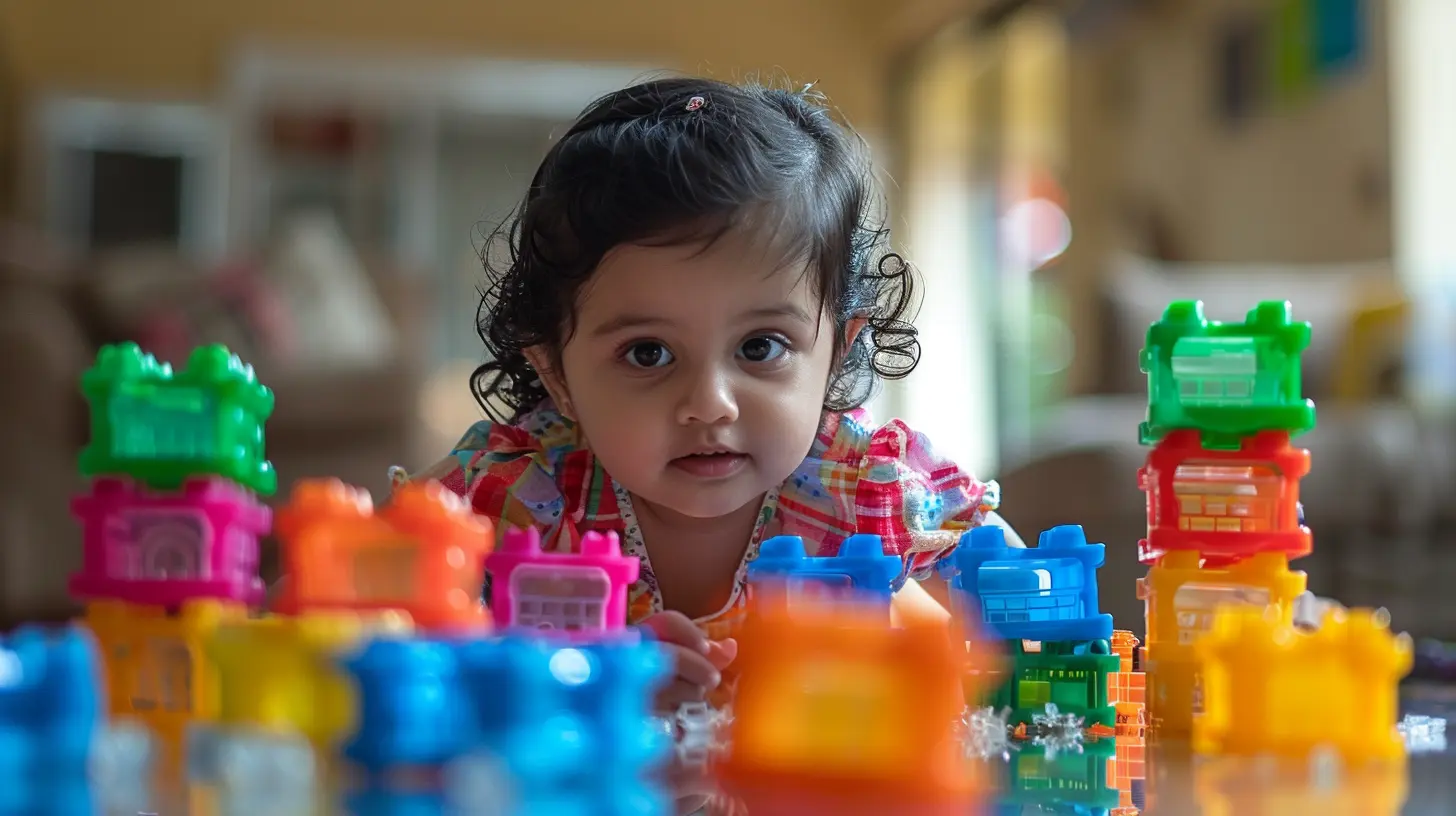
How to Make Playtime More Effective
While babies naturally engage in play, parents can enhance playtime to maximize the benefits.1. Follow Your Baby’s Lead
Pay attention to what interests your baby and let them explore at their own pace. For example, if they’re fascinated by a particular toy, give them time to examine it rather than rushing to the next activity.2. Keep It Simple
You don’t need fancy toys or expensive gadgets. Everyday objects like plastic containers, wooden spoons, or even a tissue box can entertain and stimulate a baby’s senses.3. Be Present
Engage with your baby during playtime. Put away distractions like phones and focus on interacting with them. Babies thrive on attention and interaction.4. Introduce Variety
Expose your baby to different types of play—sensory, physical, social, and independent. Each type of play contributes to overall development.5. Make It Fun
Most importantly, playtime should be enjoyable! Laugh, sing, and get silly with your baby. The more fun they have, the more they’ll want to engage and learn.
Conclusion
Play isn’t just a way to pass the time—it’s an essential part of a baby’s development. From boosting brainpower to building muscles and forming emotional connections, every giggle, grasp, and game contributes to their growth.As a parent, you don’t need to stress about structured activities or expensive toys. Simply engaging with your baby, providing safe opportunities for exploration, and making time for play will set the foundation for a lifetime of learning.
So, next time you're playing peekaboo or singing a silly song, remember—you're not just entertaining your little one, you're helping them grow in ways you can't even see yet.
all images in this post were generated using AI tools
Category:
Baby CareAuthor:

Tara Henson