The Importance of Rhythmic and Musical Books for Early Development
19 May 2026
As parents, we're always looking for ways to give our little ones the best start in life. We read to them, sing lullabies, and introduce them to colorful storybooks. But have you ever considered the magic that rhythmic and musical books bring to childhood development?
These books aren't just fun; they play a crucial role in a child's growth, impacting language skills, cognitive abilities, and even emotional development. Let’s dive into why incorporating rhythmic and musical books into your child's routine is one of the best decisions you can make. 
Why Are Rhythmic and Musical Books So Powerful?
Have you ever noticed how babies respond to a catchy tune? Their tiny hands start clapping, their feet wiggle, and their faces light up with joy. That’s because rhythm and music are deeply ingrained in human nature.When we introduce books that incorporate rhythm, rhyme, and melody, we provide children with a multi-sensory learning experience. These books help boost memory, attention span, and even pre-reading skills. 
1. Enhances Language and Communication Skills
The Rhythmic Flow Boosts Vocabulary
Children thrive on repetition. Rhythmic and musical books often use repetitive phrases that make it easier for kids to remember and recognize words. Think of books like Chicka Chicka Boom Boom or Brown Bear, Brown Bear, What Do You See?—their sing-song patterns make learning new words effortless and fun.Improves Pronunciation and Speech Development
Rhyming books also play a critical role in speech development. The rhythm helps children break words into syllables, improving their ability to pronounce and articulate words correctly. Plus, the repetition of sounds strengthens phonemic awareness, a key skill for early reading.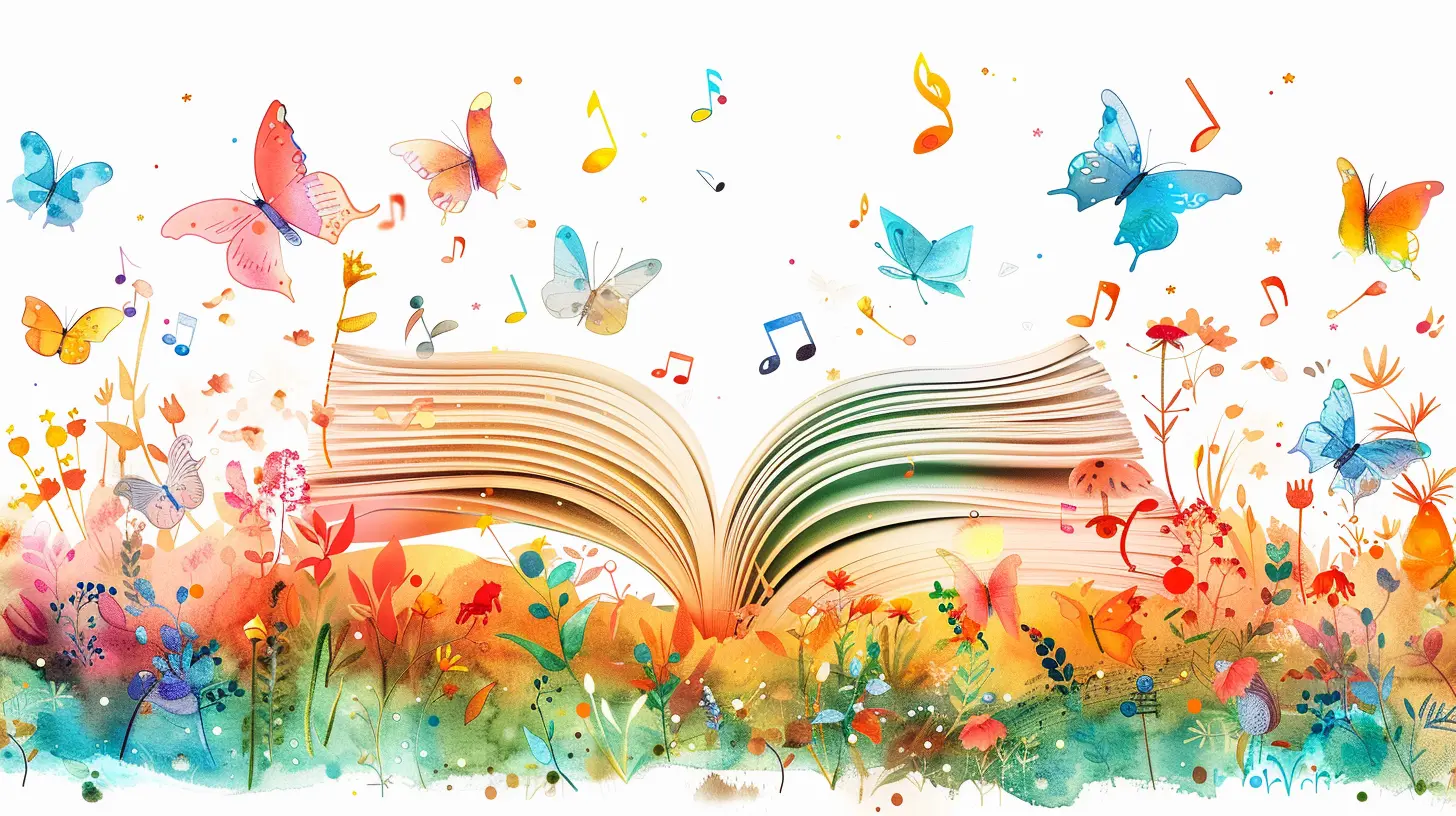
2. Strengthens Cognitive and Memory Skills
Pattern Recognition and Problem-Solving
Our brains love patterns! Rhyming books naturally introduce patterns, making it easier for young minds to make connections. When kids anticipate what comes next in a rhythmic story, they're exercising their problem-solving skills without even realizing it.Boosts Memory Retention
Ever wondered why nursery rhymes like Twinkle, Twinkle, Little Star stick with us even into adulthood? It’s because rhythm enhances memory. Musical books engage the brain’s auditory and memory centers, making it easier for children to retain words, phrases, and concepts.
3. Encourages Emotional and Social Development
Creates a Bonding Experience
Reading rhythmic and musical books aloud is a shared experience that deepens the parent-child bond. The warmth of your voice, the closeness, and the playful interaction all contribute to emotional security and a sense of belonging.Develops Emotional Intelligence
Songs and rhymes often express emotions, helping kids understand and label their feelings. When children engage with lyrical storytelling, they learn empathy, compassion, and social cues—essential skills for navigating the world.4. Sparks Creativity and Imagination
Encourages Expressive Play
Rhythmic books naturally invite movement. Kids love stomping like elephants, clapping along to beats, or mimicking animal sounds. This active engagement fuels creativity and makes learning an immersive experience.Introduces Storytelling and Role-Playing
Many rhythmic stories follow a predictable structure, which helps children grasp the basics of storytelling. Before long, they’ll start making up their own songs, rhymes, and imaginative tales—a huge step toward developing narrative skills.5. Prepares Kids for Early Literacy
Builds a Strong Foundation for Reading
Long before kids learn to read, they need to recognize sounds, syllables, and word patterns. Rhythmic books naturally teach these pre-reading skills, setting the stage for future literacy success.Promotes a Love for Books
Kids who enjoy books from an early age are more likely to develop a lifelong love for reading. And what’s more fun than books that feel like a song? The musicality keeps reading sessions lively and engaging, making children eager to explore more books as they grow.How to Choose the Best Rhythmic and Musical Books
Not all books are created equal when it comes to rhythm and melody. Here are a few pointers to help you pick the right ones:- Look for Catchy Rhymes – Books with repetitive patterns and rhyming words make it easier for kids to follow along.
- Opt for Interactive Books – Some books come with buttons, sound effects, or sing-along components for a fully immersive experience.
- Choose Books with Simple, Predictable Text – Predictability helps kids anticipate and participate in reading, strengthening their engagement.
- Select Books with Movement Cues – Books that encourage actions (like clapping, stomping, or swaying) add a physical element to learning.
Some great examples include:
- We're Going on a Bear Hunt
- The Wheels on the Bus
- Hand, Hand, Fingers, Thumb
- Five Little Monkeys Jumping on the Bed
How to Incorporate Rhythm and Music into Daily Reading
Make It a Daily Ritual
Incorporate rhythmic books into a bedtime or morning reading routine. The familiarity and consistency will help kids develop an emotional attachment to books.Use Your Voice to Add Expression
Sing, chant, and vary your tone while reading to make the experience more engaging. Don’t be afraid to exaggerate words—kids love it!Encourage Movement
Clap, dance, or use hand gestures while reading. An active approach to storytelling makes the experience more interactive and memorable.Let Your Child "Read" Along
Encourage kids to fill in missing words, repeat lines, or even make up their own rhymes based on the story. This helps with word recognition and confidence-building.Final Thoughts
Rhythmic and musical books aren’t just about entertainment—they’re powerful tools for learning, bonding, and development. From boosting language skills to sparking creativity, these books play a crucial role in shaping young minds.So, the next time you’re picking out books for your little one, opt for stories that sing, rhyme, and move! Not only will they make reading time more fun, but they’ll also set the foundation for a lifetime of learning.
all images in this post were generated using AI tools
Category:
Childrens BooksAuthor:

Tara Henson
Discussion
rate this article
1 comments
Landon Willis
This article highlights how rhythmic and musical books can nurture a child's cognitive and emotional growth. Engaging with these books fosters early literacy skills while making reading a fun and interactive experience that sparks a love for learning.
May 22, 2026 at 3:31 AM
Tara Henson
Thanks for your thoughtful comment! I'm glad you found the article highlights valuable. These books truly do play a crucial role in fostering a love for reading and learning in young children.