The Role of Empathy in Problem-Solving and Conflict Resolution
6 July 2026
Let’s face it—conflict is part of life, especially when you're dealing with little ones, tweens testing the waters of independence, or even your partner hiding in the bathroom because the toddler just colored the couch... again. Whether it's a toddler tantrum, a sibling squabble, or a “grown-up” disagreement over screen time rules, emotions get tangled, patience runs thin, and problem-solving can start to look more like a WWE match than a conversation.
But guess what? There’s a secret weapon in your parenting toolkit—one that doesn't require batteries, yelling, or bribery. It’s empathy.
Yup, empathy.
In this post, we’re going to chat about why empathy is the absolute MVP when it comes to solving problems and resolving conflicts—both for grown-ups and the tiny humans we’re raising. So grab your coffee (or reheat it for the third time) and let’s dive into how putting ourselves in someone else’s shoes can totally change the game.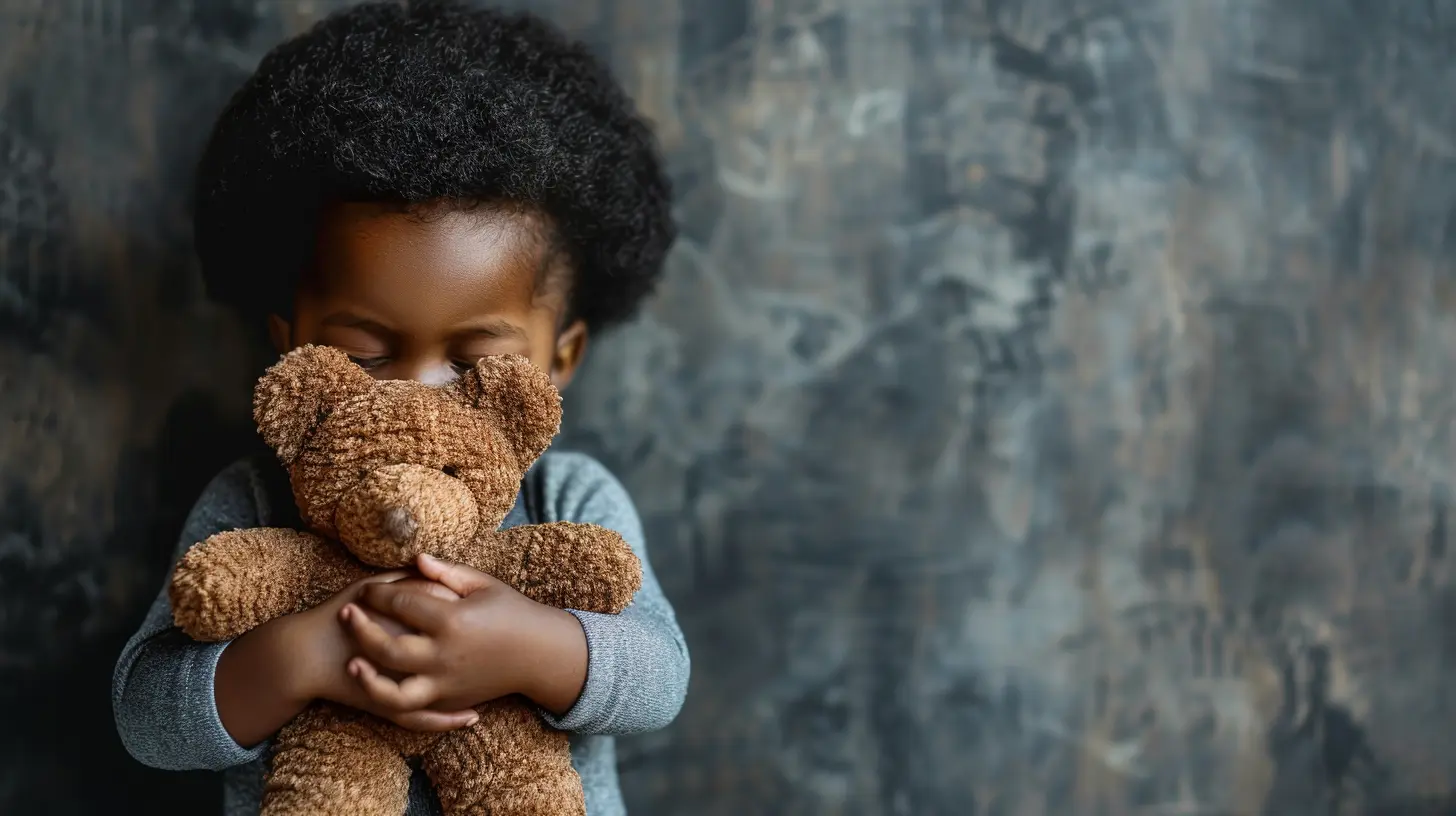
What is Empathy, Really?
First things first—what is empathy? Let’s not confuse it with sympathy (that’s just feeling bad for someone). Empathy is feeling with someone. It’s the “I get you, I’ve been there” vibe. It's tuning into another person’s feelings and trying to understand what’s going on in their head and heart.Imagine your toddler is throwing a fit because you broke their banana the “wrong” way. Sympathy might say, “Aww, poor baby is upset.” But empathy says, “I know you're upset. That banana was supposed to be whole, and it didn’t go how you wanted.”
See the difference?
Empathy isn’t about fixing the banana. It’s about helping your child feel seen, heard, and understood—even when they’re being bananas.
Why Empathy is a Superpower in Parenting
Empathy isn’t just a warm and fuzzy feeling—it’s a legit superpower.1. It Builds Trust and Connection
When your child feels like you get them, they’re more likely to open up. That means fewer secrets, more conversations, and a stronger connection overall. You’re not just a rule-enforcer—you’re a safe space.2. It Calms the Storm
Ever heard the phrase "name it to tame it"? When kids (and adults!) feel understood, their brains literally start to calm down. Empathy helps soothe big feelings, making space for clear thinking and better behavior.3. It Teaches Emotional Intelligence
By modeling empathy, you’re teaching your kids how to recognize and respond to other people’s feelings. That’s social gold. Whether it’s sharing toys or navigating high school drama, emotional intelligence is a skill they’ll use for life.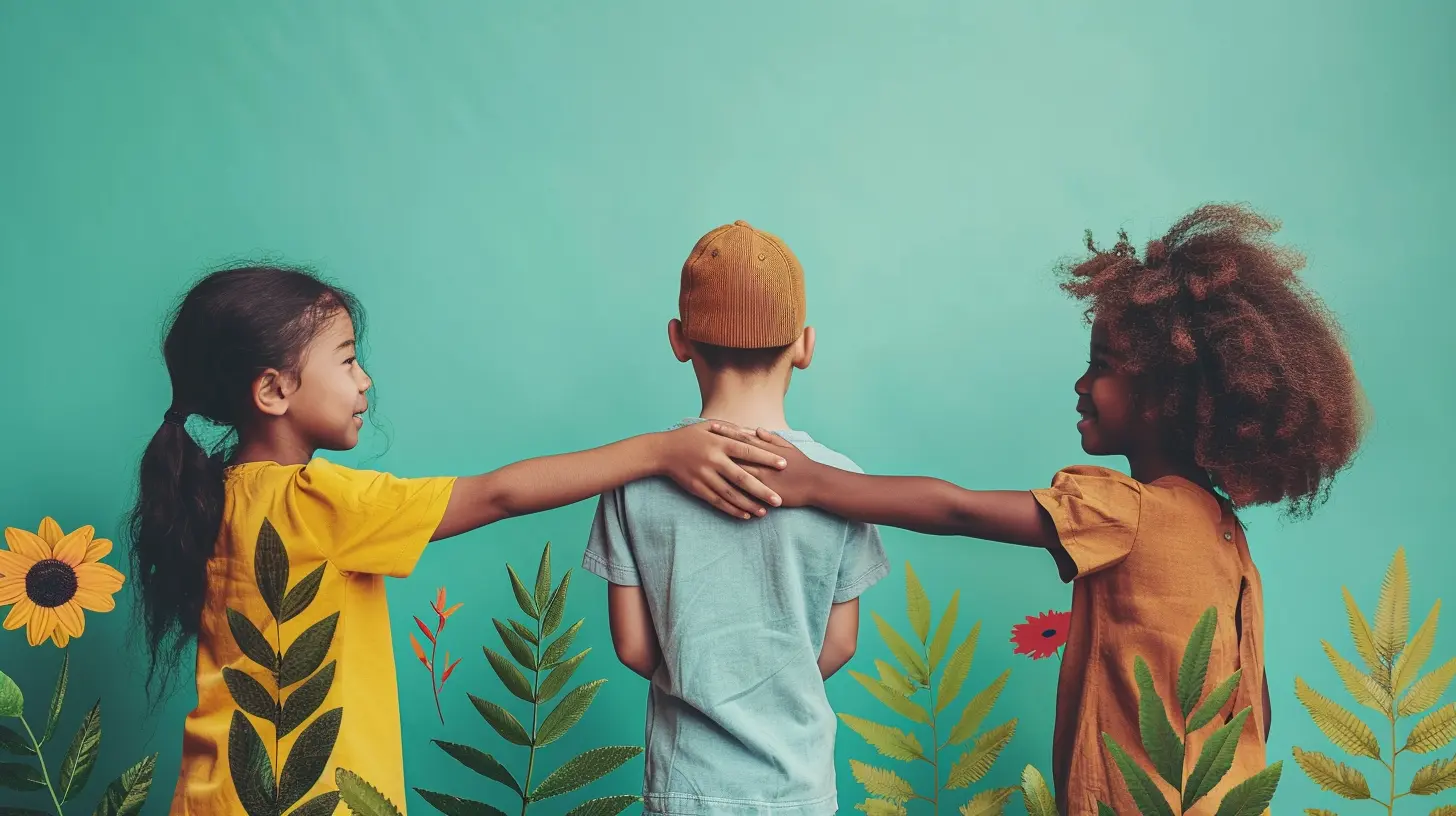
Conflict Happens—Here’s Where Empathy Comes In
Let’s paint a picture. Two siblings are fighting over a toy. The house is echoing with “MINE!” and someone’s about to get whacked with a stuffed dinosaur. Your instinct might be to rush in, separate them, and hand down a ruling. “You’ve had it long enough, give your sister a turn.”But what if we hit the pause button and try something different?
Empathy-driven conflict resolution might sound like this:
> “Whoa, sounds like you both want the same toy. That’s frustrating. You really want to keep playing with it, and you want a turn too. Let’s figure this out together.”
Boom. You’ve just acknowledged emotions, created a calm space, and opened the door to problem-solving.
Empathy in Action: Steps for Solving Problems Peacefully
So how do we actually do this in real life—when everyone’s tired, there’s spaghetti on the wall, and emotions are running high? Here’s a step-by-step playbook:Step 1: Pause and Breathe
Take a beat before reacting. Conflict often triggers our own emotions, and empathy requires us to dial into their feelings—not explode with ours.Step 2: Acknowledge Emotions
Say what you see. “You’re really upset because your sister took your toy.” This shows you’re tuned in, not just trying to shut down the drama.Step 3: Get Curious (Not Furious)
Ask open-ended questions: “What happened?” “How did that make you feel?” “What do you think would help right now?” This keeps the conversation going and gives kids the chance to reflect.Step 4: Brainstorm Together
Don’t be the dictator of justice—invite solutions. “What’s a fair way to make sure everyone gets a turn?” Even little kids can come up with surprisingly wise answers when they feel safe and heard.Step 5: Validate and Guide
You don’t have to agree with every feeling to acknowledge it. “It’s okay to be mad. What matters is how we handle that feeling.” Then guide them toward respectful actions.Empathy Isn’t Just for Kids (Grown-Ups, This Is for You Too!)
Let’s be real—kids aren’t the only ones who screw up, get emotional, or need a little extra grace. Whether it’s your partner forgetting to buy milk (again), your co-parent texting you at midnight about weekend plans, or your own parents second-guessing your parenting choices… conflict is everywhere.Empathy can help here too.
Before jumping to conclusions or lashing out, try walking in their shoes. Maybe your partner had a tough day and the milk slipped their mind. Maybe your co-parent is struggling with coordination. Maybe Grandma means well, even if she’s overstepping.
Empathy doesn’t mean you excuse bad behavior—but it lets you approach problems with compassion instead of combat.
Teaching Kids Empathy (Without a Lecture)
Okay, so empathy is awesome—but how do we actually teach it to our kids without sounding like a broken record? (Because we know “use your kind voice” only goes so far.)Here are some fun, everyday ways to build the empathy muscle:
? Use Stories and Books
Reading is like an empathy workout. Talk about how characters feel, what might be causing their emotions, and how they could support each other.> “Why do you think the lion was so grumpy today?”
? Role Play
Pretend play is golden. Act out scenarios and flip roles. Let your child be the “parent” or “teacher” and explore different perspectives.? Mirror Emotions
Literally mirror their expressions sometimes. It’s silly and fun but also creates emotional mirroring that helps them recognize feelings.? Talk About Your Own Feelings
Be open about your emotions. “I’m feeling really frustrated because the kitchen is a mess again. I need a few minutes to calm down.” This models emotional honesty and self-regulation.Common Parenting Scenarios & Empathic Responses
Want a few real-world examples? Let’s break down some typical parenting moments and how empathy flips the script.? The Toddler Meltdown
Without Empathy:“Stop crying. It’s just a broken cracker.”
With Empathy:
“I see you’re sad because your cracker broke. That’s not what you wanted, huh?”
? The Sibling Showdown
Without Empathy:“Give it back right now or you're both in trouble!”
With Empathy:
“You both want to play with the same toy. That’s tricky. Let’s talk about how to take turns.”
?? The Teen Eye-Roll
Without Empathy:“Lose the attitude or go to your room.”
With Empathy:
“Sounds like something’s bothering you. Want to talk about it?”
The Long Game: Empathy Beyond Conflict
Here’s the beautiful thing—empathy isn’t just for putting out fires. It helps prevent them too.Kids raised in empathic homes are more likely to:
- Handle stress better
- Develop stronger relationships
- Navigate tough social situations
- Grow up to be compassionate adults
Think of empathy like emotional sunscreen—it protects your child from the harshness of the world and helps them shine even brighter.
When Empathy Doesn't “Work” Immediately
Let’s be honest—sometimes you do all the right empathic things… and your kid still melts down. That’s okay. Empathy isn’t a magic wand (sadly). It’s a practice. Some days it clicks, some days it doesn’t.But every time you choose empathy, you’re wiring your child’s brain for connection. You’re laying the foundation for emotional health. And trust me—it adds up.
Final Thoughts: Empathy is the Bridge, Not the Band-Aid
At the end of the day, empathy doesn’t fix all the problems—but it builds the bridge to finding the solution together.Parenting is messy. It’s imperfect. It's full of tiny, chaotic humans (and tired, amazing grown-ups) all just trying to get through the day. But when we lead with empathy, we create connection. And that connection? It’s the root of real, lasting resolution.
So next time the cereal spills, the tears flow, or the tempers flare—try a little empathy. Not because it’s easy, but because it changes everything.
all images in this post were generated using AI tools
Category:
Teaching EmpathyAuthor:

Tara Henson
Discussion
rate this article
1 comments
Mitchell Ross
Empathy is key in guiding children through conflicts. It helps them understand different perspectives, fosters communication, and encourages cooperation. Teaching empathy equips kids with essential tools for effective problem-solving in their relationships.
July 7, 2026 at 4:06 PM
Tara Henson
I completely agree. Empathy is vital for helping children navigate conflicts and build strong, respectful relationships. It lays the foundation for better communication and collaboration.