The Role of Folklore and Fairy Tales in Shaping Young Imaginations
8 July 2026
Fairy tales and folklore have been a part of childhood for generations, haven’t they? Our parents told them to us, and chances are, we’re telling them to our kids now. These stories aren’t just bedtime entertainment—they’re tools that help shape our children’s imaginations, teaching them life lessons in the most magical way possible. Think about it: who didn’t grow up dreaming about slaying dragons, outsmarting trolls, or finding hidden treasure?
But how exactly do these old tales work their magic on young minds? And why do they stand the test of time? Let’s dive into the fascinating role folklore and fairy tales play in shaping the imaginations of children (and maybe even adults). 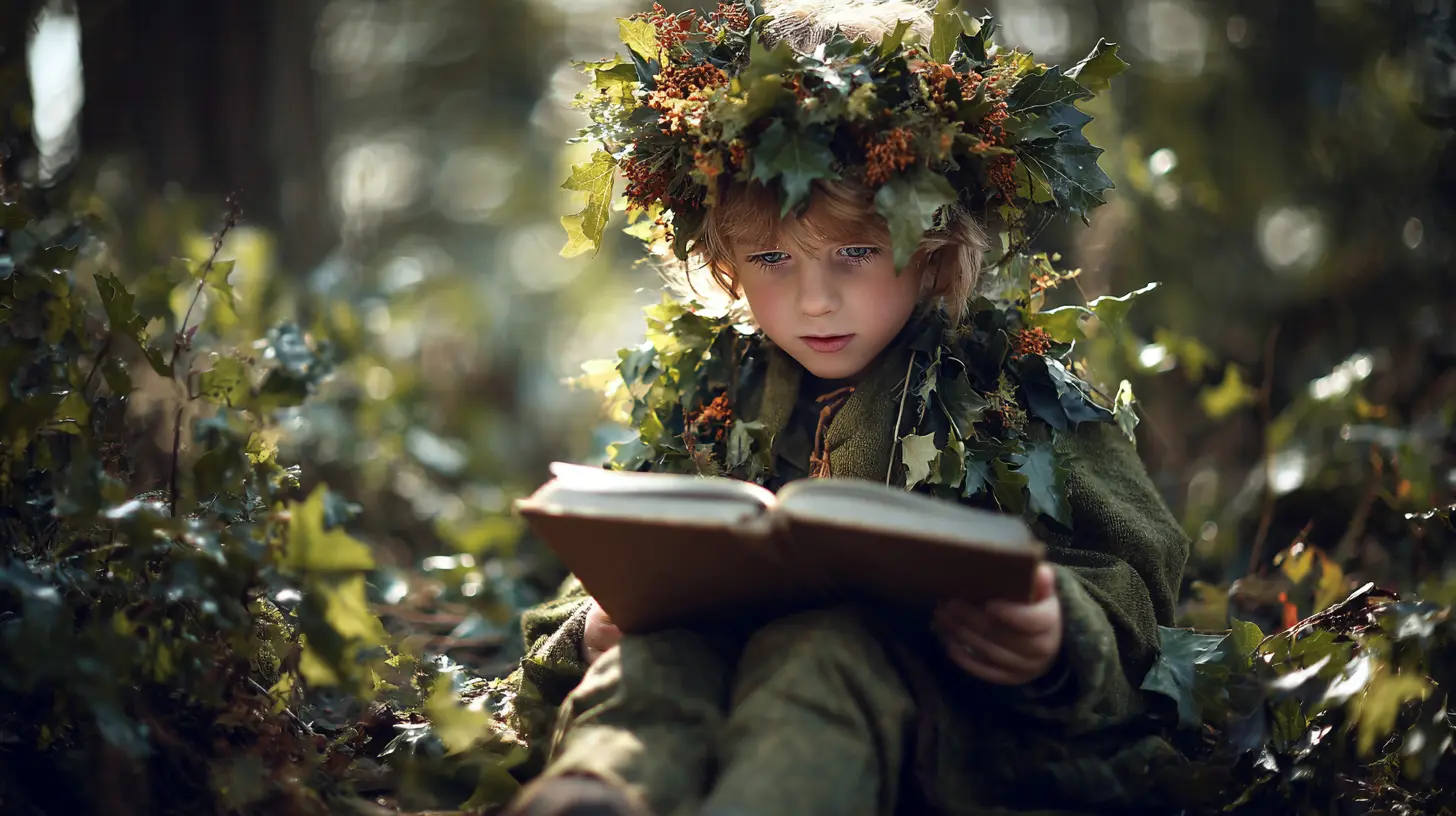
What Are Folklore and Fairy Tales, Anyway?
Before we go any further, let’s get on the same page. Folklore is essentially the storytelling tradition of a culture—tales, myths, and legends passed down orally through generations. They often explain the unexplainable, preserve moral lessons, or simply entertain.Fairy tales, on the other hand, are a specific type of folklore. They usually involve magical elements, good versus evil dynamics, and a satisfying (if sometimes bittersweet) conclusion. Think “Cinderella,” “Snow White,” or “Hansel and Gretel.”
Now, here’s the kicker: although they might seem whimsical or even frivolous on the surface, these stories are so much more than just happily-ever-afters. 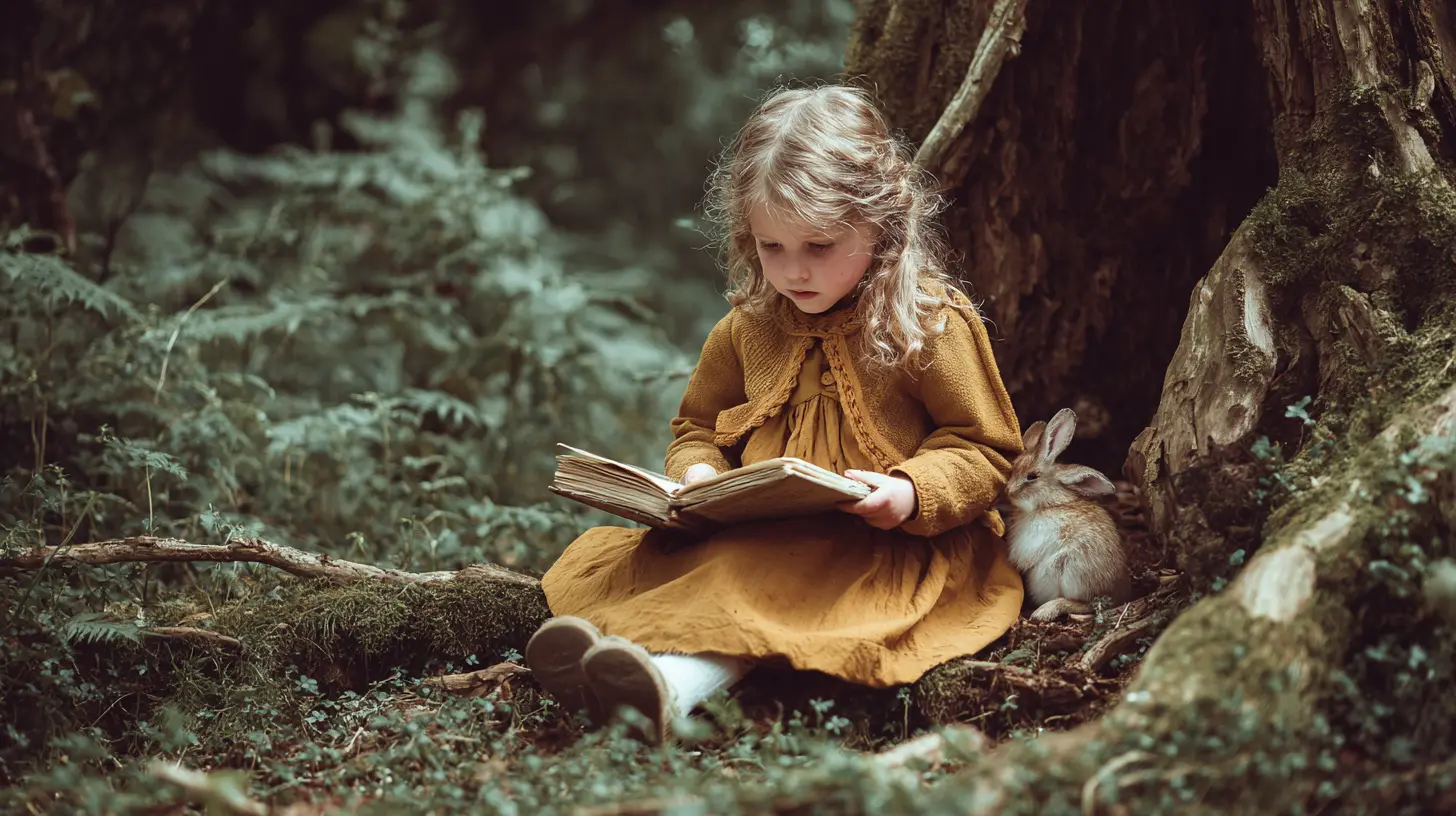
Sparking Creativity One Tale at a Time
Let’s face it—kids have wild imaginations. One minute they’re knights battling ogres, and the next they’re astronauts exploring space. Folklore and fairy tales don’t just encourage this imaginative play; they supercharge it.When children hear about Jack climbing the beanstalk or Little Red Riding Hood outsmarting the wolf, their minds start to work overtime. They imagine themselves in these fantastical scenarios, reinventing the stories in their heads. What if they were the hero? What would they do differently?
This type of imaginative thinking lays the groundwork for creativity later in life. It’s like mental exercise for their brain. The more they flex it, the stronger it gets. This, in turn, helps them approach real-world problems with innovative, out-of-the-box solutions. 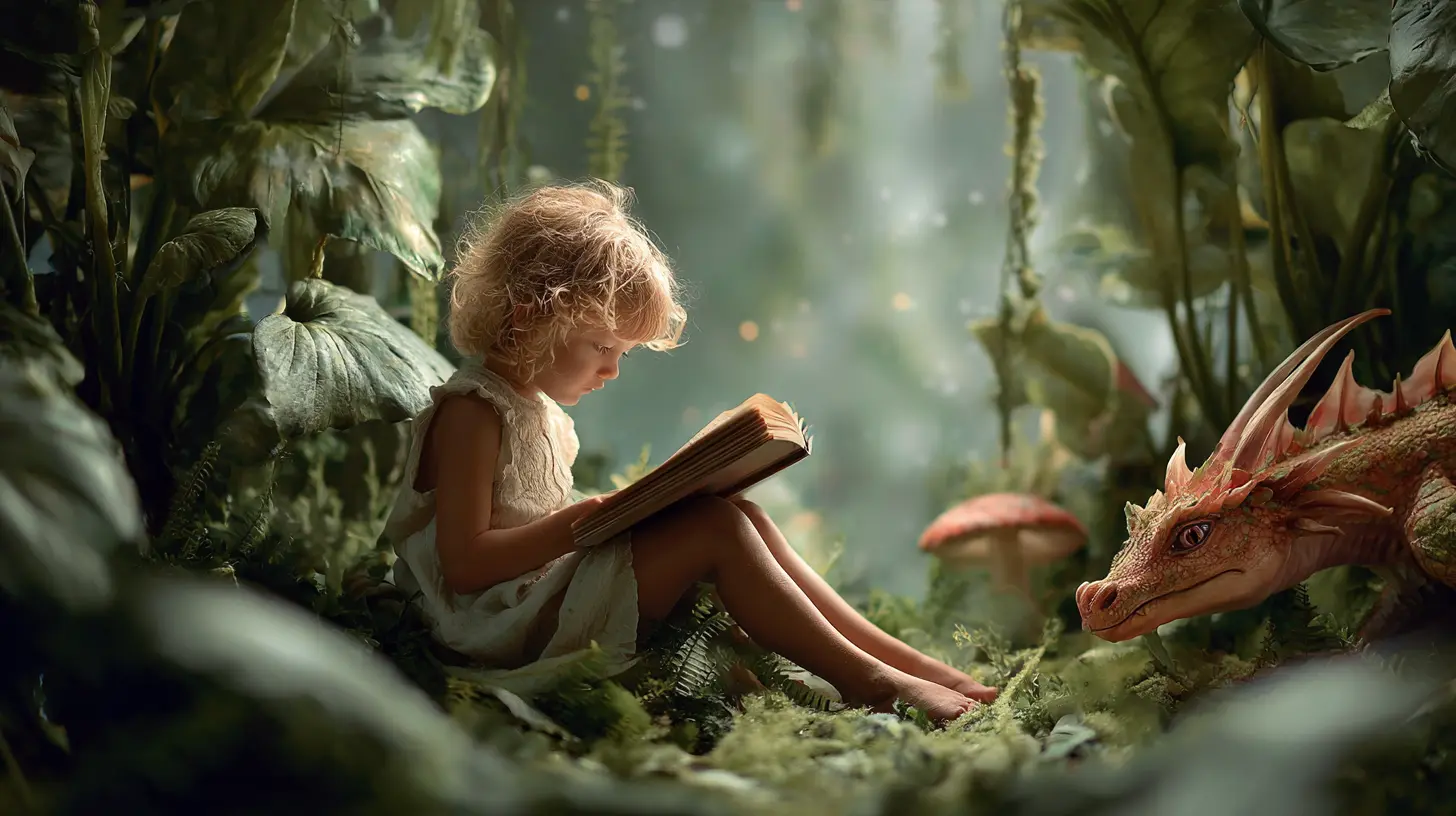
Life Lessons in Disguise
Let’s be real: kids don’t always listen to lectures, do they? But tell them a story? Now you’ve got their attention.Fairy tales and folklore are a sneaky way to teach moral values and life lessons. Think about “The Boy Who Cried Wolf.” It’s a simple story, but its message about honesty sticks with kids. Or take “The Tortoise and the Hare.” Slow and steady wins the race, right?
Through these tales, children learn about bravery, kindness, perseverance, and even consequences. And because the lessons are wrapped in engaging narratives, kids absorb them almost effortlessly. It’s like sneaking veggies into their spaghetti sauce—they don’t even realize it’s good for them. 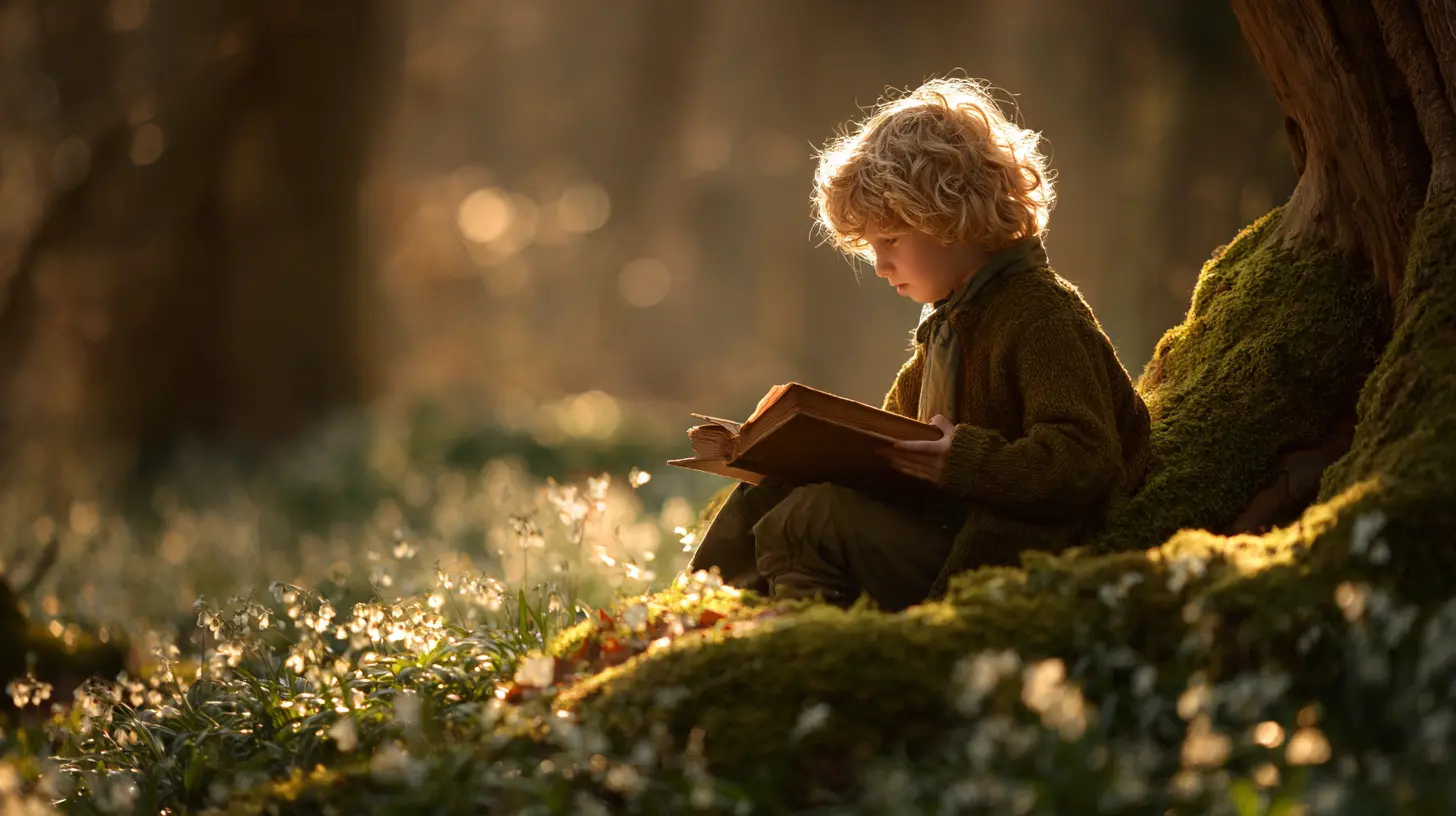
Emotional Development Through Storytelling
It’s not just about morals, though. Folklore and fairy tales help kids navigate their emotions, too.These stories often place characters in challenging situations—loss, danger, betrayal, or fear. While these might seem heavy for kids, they provide a safe space for them to process complex emotions. Watching a character triumph over adversity gives children a sense of empowerment. It says, “Hey, you can face tough times and come out stronger, too.”
Plus, fairy tales almost always include some level of conflict and resolution. By witnessing these ups and downs, kids learn how to deal with their own challenges in life. It’s like training wheels for their emotional intelligence.
Cultural Connections and Appreciation
Here’s something super cool: folklore is like a window into different cultures.When kids are exposed to stories from around the world—whether it’s Native American legends, African fables, or Asian fairy tales—they start to develop an appreciation for diversity. They see how different cultures have their own unique ways of storytelling, yet many of the themes (bravery, love, justice) are universal.
This not only broadens their horizons but also fosters empathy. They learn to see the world through someone else’s eyes, making them more compassionate and understanding individuals.
Inspiring a Love of Literacy
Can we all agree that reading is kind of a big deal? Well, fairy tales can be a gateway to that.For many kids, these stories are their first exposure to literature. They’re simple, engaging, and often repetitive—perfect for young readers. Once a child falls in love with the magical world of fairy tales, they’re more likely to keep exploring books as they grow older.
It’s like planting a seed. That initial love for storytelling can blossom into a lifelong passion for reading and learning.
The Role of Repetition and Familiarity
Ever notice how kids love hearing the same story over and over? At first, you might think, “Why would anyone want to hear ‘Goldilocks and the Three Bears’ for the fifth time this week?” But there’s a method to their madness.Repetition makes children feel safe. They know what’s coming next, and that predictability is comforting. Plus, it reinforces concepts and lessons, helping them stick in young minds.
Familiar tales also allow kids to experiment with creativity. Once they know the story by heart, they might start adding their own twists—like turning the bears into dinosaurs or giving Goldilocks a skateboard.
A Word of Caution: Are All Fairy Tales Kid-Friendly?
Now, it’d be unfair to talk about folklore and fairy tales without addressing the elephant in the room: some of them are really dark.Original versions of famous tales often include grim details—like Cinderella’s stepsisters mutilating their feet to fit into the glass slipper (yikes!). While these older versions might have been suitable for audiences of their time, they’re not always appropriate for young children today.
That being said, modern adaptations often water down or omit the scarier elements, making them more kid-friendly. As parents, it’s up to us to decide which versions to share—and to have open discussions about the themes and meanings behind the stories.
The Everlasting Appeal of “Once Upon a Time”
So, why do folklore and fairy tales continue to captivate us, even in the age of iPads and Netflix?For one, their timeless themes resonate with us on a deep level. Whether it’s the triumph of good over evil, the power of love, or the journey of self-discovery, these stories speak to the core of what it means to be human.
Secondly, fairy tales are versatile. They evolve with the times. What was once passed down orally is now animated, rewritten, or reimagined. Their ability to adapt ensures they’ll always have a place in our lives—and in the imaginations of future generations.
Wrapping It Up
Folklore and fairy tales are so much more than bedtime stories. They’re tools for imagination, lessons in disguise, and bridges to emotional and cultural understanding. They nurture creativity, inspire resilience, and help kids make sense of the world—all while entertaining them.When you share a fairy tale with your child, you’re doing more than passing on a piece of cultural history. You’re equipping them with the tools they need to dream bigger, think deeper, and face life’s challenges head-on. And honestly, isn’t that the real magic?
all images in this post were generated using AI tools
Category:
Childrens BooksAuthor:

Tara Henson