The Role of Music in Baby Development
23 May 2026
Parenting is like juggling flaming torches while riding a unicycle—you’re just trying to keep everything balanced without setting the house on fire. And in the midst of diaper changes, sleepless nights, and the never-ending hunt for the pacifier, there’s one secret weapon that can make life a little easier: music.
Yep, those catchy nursery rhymes and lullabies aren’t just entertaining—music plays a major role in helping your baby’s brain, emotions, and even motor skills develop. So, if you’ve been belting out “Twinkle, Twinkle, Little Star” on a loop, don’t worry—you're actually parenting like a pro.
Let’s break down how music works its magic on your little one’s development. 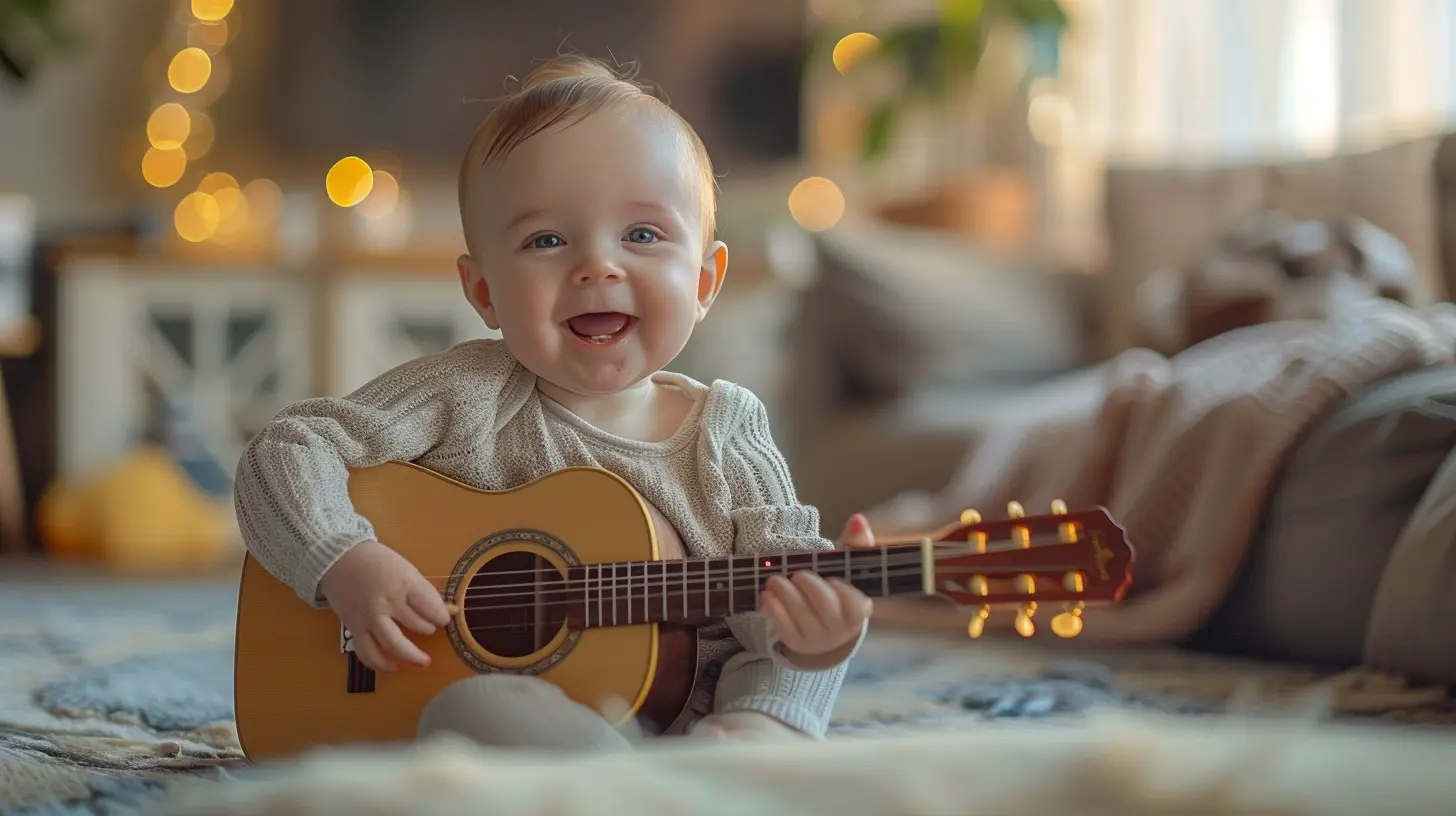
? Music and Brain Development: Turning Babies into Tiny Geniuses
Ever wonder why babies look so fascinated when they hear a song? That’s because their little brains are like sponges, soaking up every note, rhythm, and beat. Science says that music stimulates both hemispheres of the brain, which is kind of like giving your baby’s mind a double-shot of espresso (minus the caffeine, of course).Here’s how music gives your baby’s brainpower a boost:
1. Improves Memory and Learning
Babies might not remember where they hid the TV remote, but music helps strengthen their memory. Studies show that musical exposure can enhance a baby’s ability to recognize patterns, which later helps with reading and problem-solving. Basically, those nursery rhymes are secretly training your baby to be a future spelling bee champion.2. Boosts Language Skills
Your little one might not be able to hold a conversation yet, but they’re already learning the building blocks of language through music. The repetition in songs helps babies pick up rhythm, tone, and even new words. Before you know it, they’ll be babbling and, eventually, demanding snacks like a tiny CEO.3. Enhances Emotional Intelligence
Music doesn’t just make babies smarter—it also helps them develop emotionally. Certain tunes can calm fussy babies, while upbeat songs can make them giggle and dance like no one’s watching. Teaching emotions through music is like sneaking vegetables into mac and cheese—it’s good for them, and they don’t even realize it!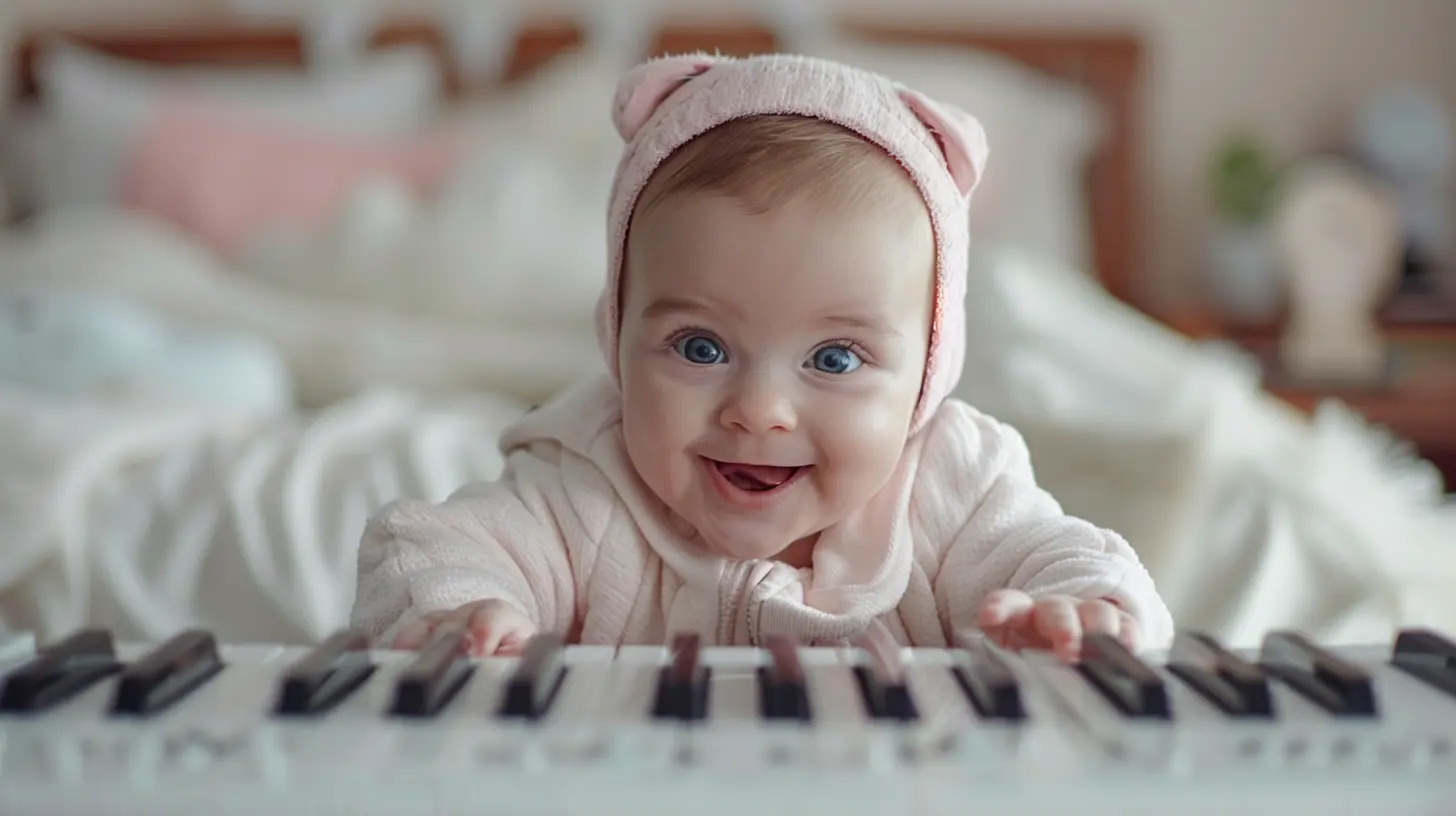
?♂️ Music and Motor Skills: Dance Like No One’s Watching
Babies may not be busting out TikTok dance routines just yet, but their little wiggles and bounces are more than just adorable—they’re actually building coordination and motor skills.1. Encourages Movement and Coordination
Ever notice how babies instinctively move when they hear a beat? That’s because music naturally encourages physical movement, which helps improve balance and coordination. Whether they’re clapping, swaying, or doing their signature baby bounce, music gets those tiny muscles working.2. Enhances Hand-Eye Coordination
Handing your baby a toy drum or a rattle may seem like a recipe for destruction, but it’s actually helping them develop hand-eye coordination. When they shake a rattle to the beat or bang on a toy piano, they’re learning cause and effect—one noisy experiment at a time!
? Bonding Through Music: Because Karaoke Nights Start Early
Nothing strengthens the parent-baby connection quite like singing together. Whether you’re crooning lullabies at bedtime or making up ridiculous songs during diaper changes, music is a powerful bonding tool.1. Creates a Comforting Routine
Babies love routines (even if their sleep schedules suggest otherwise). Singing a special lullaby before bedtime or playing soft music during feeding time creates a sense of security and familiarity. It’s like telling your baby, “Hey, I got you, kid.”2. Strengthens the Parent-Child Bond
Singing to your baby—even if you sound like a dying cat (no judgment!)—releases oxytocin, AKA the “love hormone.” This magical hormone helps strengthen the emotional bond between parent and child. So go ahead and belt out “You Are My Sunshine”—your baby thinks you’re a rockstar.
? When Should You Start Playing Music for Your Baby?
The short answer? Yesterday. But seriously, it’s never too early to introduce your little one to music. Studies show that babies can hear sounds while in the womb, meaning your baby was probably jamming to your favorite songs before they even officially arrived.For newborns, start with soft lullabies and calming classical music. As they grow, introduce more interactive songs with clapping, dancing, and silly lyrics (because let's be honest, you’ll be making up a lot of goofy songs along the way).
? What Kind of Music Is Best for Baby Development?
Before you start blasting heavy metal in the nursery (unless that’s your thing), let’s talk about the best types of music for your baby’s development.1. Lullabies & Soothing Music
Soft, gentle melodies help relax babies, making them perfect for naptime and bedtime. Classical music, nature sounds, and traditional lullabies are great choices.2. Repetitive, Catchy Songs
Songs like “The Wheels on the Bus” or “Old MacDonald Had a Farm” help babies recognize patterns and language. Repetition is key when it comes to learning, so don’t be afraid to hit “repeat” (even if the song is stuck in your head for eternity).3. Interactive Songs with Movement
Think “If You’re Happy and You Know It” or “Head, Shoulders, Knees, and Toes.” These tunes encourage movement, helping with motor skill development and coordination. Plus, they make for some hilarious baby dance moves.4. Classical Music & Instrumental Tunes
Mozart, Beethoven, and Bach aren’t just for fancy dinner parties. Classical music has been linked to increased cognitive development, making it a great choice for background music during playtime or quiet time.? Tips for Using Music in Your Baby’s Daily Routine
Want to make music an everyday part of your baby’s life? Here are a few fun ways to do it:✅ Sing during daily activities – Whether it’s bath time, diaper changes, or tummy time, throw in a silly song to make it more enjoyable.
✅ Have spontaneous dance parties – Put on some fun music and dance like no one’s watching (except your baby, who is totally mesmerized).
✅ Use musical toys – Instruments like shakers, xylophones, and tiny pianos let your baby explore sounds in a hands-on way.
✅ Make music part of bedtime – A soft lullaby or calming classical music can signal that it’s time to wind down.
✅ Expose them to different genres – Babies can enjoy more than just kiddie tunes! Try soft jazz, acoustic melodies, or even world music to expand their little musical horizons.
? Final Notes: Music is Baby Brain Food
At the end of the day, music isn’t just background noise—it’s a superpower for your baby’s development. From boosting brainpower to improving motor skills and even strengthening your bond, music is one of the easiest ways to give your little one a head start in life.So go ahead, turn up the tunes, sing off-key, and dance like a maniac. Your baby will love every second of it—and honestly, isn’t that what parenting is all about?
all images in this post were generated using AI tools
Category:
Baby CareAuthor:

Tara Henson
Discussion
rate this article
1 comments
Amalia Kirkpatrick
Music enhances cognitive growth.
May 24, 2026 at 2:46 AM