The Role of Play in Child Development and Parent-Child Bonding
13 January 2026
Let’s be real for a second—parenting doesn’t come with a manual. Most days, you’re just trying to make it to bedtime without stepping on a LEGO. But here’s the thing: in between the diaper changes, the snack negotiations, and the nap battles, there’s something powerful that often gets overlooked—play.
Play isn’t just a way to keep kids busy while you chug your lukewarm coffee. It’s actually one of the most important tools for helping children grow emotionally, socially, and mentally. And even better? It builds a rock-solid connection between you and your little one. So, let’s dive into why play matters so much and how it helps you bond with your child like nothing else can.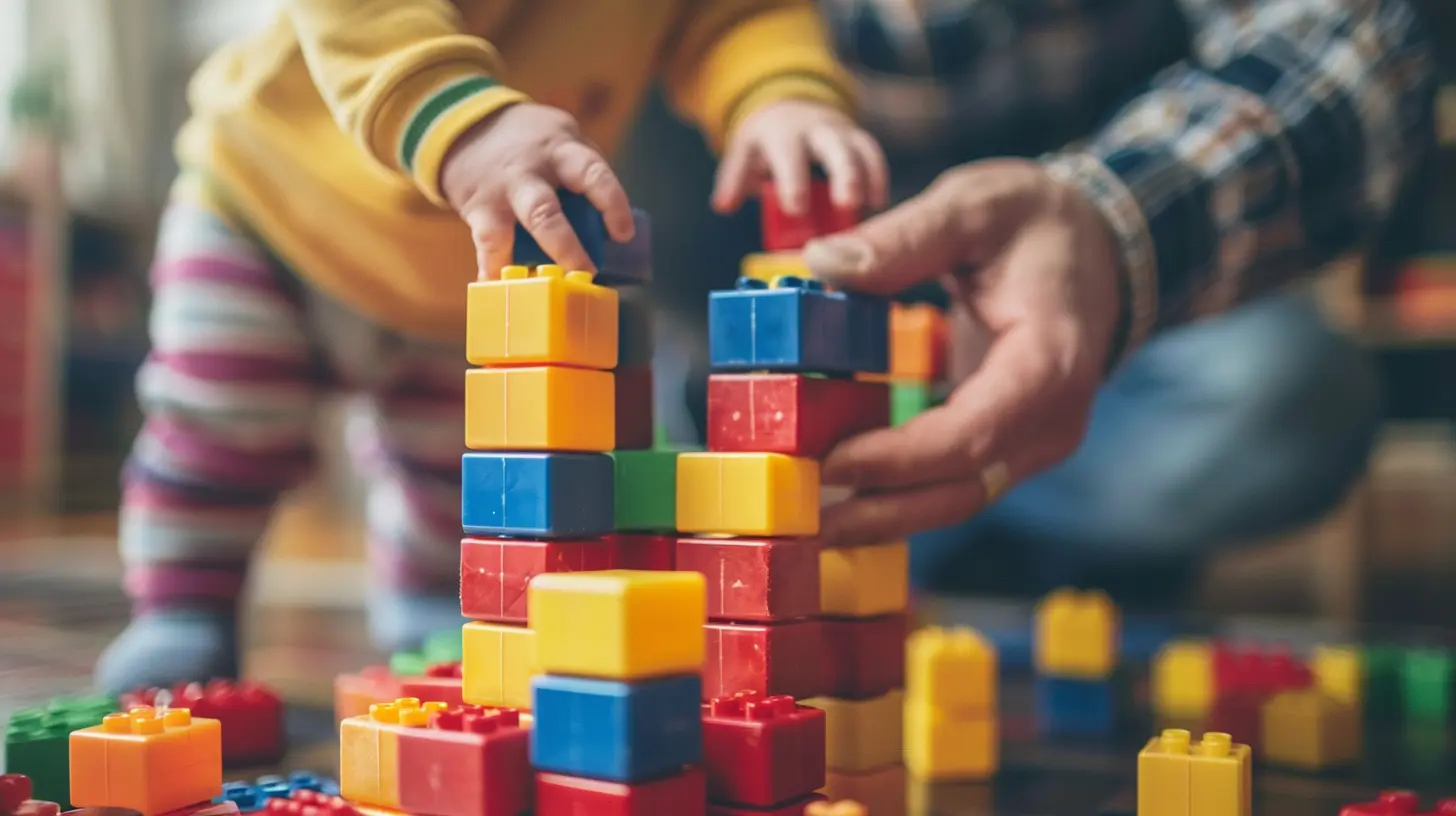
Why Play Is More Than Just Fun and Games
Sure, play looks like just a bunch of toys scattered across the living room, but beneath all that chaos, real magic is happening. Kids aren’t just playing—they’re learning. They’re testing boundaries, figuring out emotions, solving problems, and even learning how to interact with the world around them.Just like adults work things out by talking or thinking through situations, children do it through play. It’s their natural language. So when they build a block tower or pretend to be a superhero, they’re actually telling a story, expressing themselves, and working through their feelings.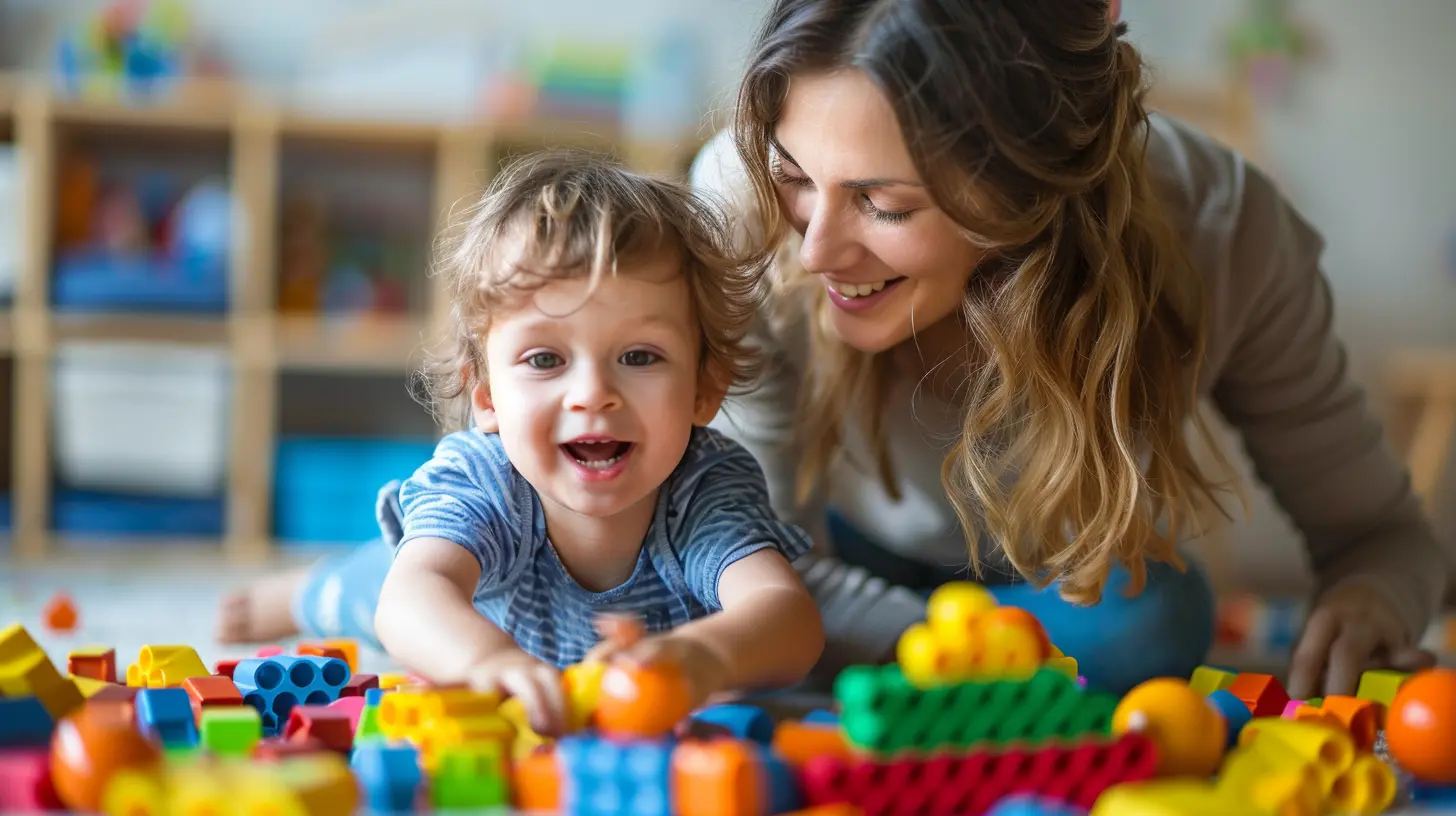
Types of Play and What They Teach Your Child
Not all play is created equal. Kids engage in different types of play depending on their age and development stage. And guess what? Each type comes with its own benefits.1. Solitary Play (Playing Alone)
This starts in infancy. It’s that moment when your baby is mesmerized by a rattle or a crinkly book. They’re learning cause and effect, focus, and how to entertain themselves.- How it helps: Builds confidence, sparks curiosity, and develops attention span.
2. Parallel Play
You’ll spot this in toddlers—a bunch of kids playing next to each other but not really interacting. It looks weird, but it's totally normal.- How it helps: Introduces the concept of sharing space, observing others, and developing social cues.
3. Associative and Cooperative Play
As preschoolers grow, they begin to interact more—sharing toys, playing house, or creating imaginary worlds together.- How it helps: Builds teamwork, empathy, problem-solving skills, and communication.
4. Pretend or Imaginative Play
This is where your child turns a cardboard box into a spaceship or sets up a tea party for stuffed animals.- How it helps: Encourages creativity, emotional expression, and understanding different perspectives.
5. Physical Play
Running, jumping, dancing—this is where they burn energy and build muscle control.- How it helps: Develops gross motor skills, coordination, and body awareness.
The Developmental Benefits of Play
You might wonder, “Is this really helping my child grow?” Oh yes—it’s helping big time. Let’s break down how.Cognitive Development
Puzzles, stacking blocks, or simple games like “Peekaboo” are the building blocks (pun intended) of brain development. Play hones memory, attention, logic, and decision-making skills.Imagine your little one figuring out how to balance one block on another. That’s early engineering right there! Every small experiment is a lesson in trial and error.
Social Development
Play teaches your child how to take turns, share, and cooperate. Ever seen two toddlers argue over the same toy? It’s actually a life lesson in negotiation and boundaries.Those early interactions during play set the stage for strong friendships, better communication, and emotional resilience later in life.
Emotional Development
Play gives kids a safe space to explore feelings they don't yet understand. While pretending a teddy bear is sick, they’re showing empathy. When they build something and it falls, they’re learning to handle frustration.It’s like therapy for tiny humans, giving them the tools to manage emotions in real life.
Language and Communication
Narrating their pretend play, reading books aloud, or singing songs—these are all ways children build their vocabulary and communication skills.When your child talks to a doll or explains their “restaurant menu,” don’t brush it off. That’s storytelling in action!
The Role of Play in Strengthening the Parent-Child Bond
Now, here’s where things get really special. It’s not just development we’re talking about—it’s connection. Your presence during play tells your child, “I see you, I hear you, and I love being with you.”You’re Speaking Their Language
When we say play is a child’s language, we mean it. Joining in their play is like stepping into their world. Whether you're playing doctor's assistant or being rescued by a caped crusader, you’re telling them, “What matters to you matters to me.”Quality Time Beats Quantity
You don’t need hours. Just 15-30 minutes of being fully present—no phones, no distractions—can make a world of difference. It’s not about being perfect; it’s about showing up.Think of it this way: You’re not just building towers or playing tag. You’re building trust and emotional security.
Simple Ways to Engage in Meaningful Play with Your Child
You might think you need fancy toys or Pinterest-worthy setups. Nope. Most kids just want your time and attention. Here are some easy ways to play and bond:1. Follow Their Lead
Let your child take the driver’s seat. If they want to play zoo keeper, you be the giraffe. Letting them lead boosts confidence and shows you’re genuinely interested.2. Use Everyday Items
Pots, pans, cardboard boxes, pillows—kids will turn anything into a playground. It’s not about the toy, it’s about the experience.3. Get Outdoors
Nature is the best playroom! Go on a treasure hunt, jump in puddles, or collect leaves. Movement, fresh air, and laughter? Yes, please.4. Create a Routine
Build in consistent “play time.” This helps your child look forward to it and also creates stability in your shared moments.5. Bring in Some Laughter
Be silly. Use funny voices. Make goofy faces. Laughter releases feel-good hormones and strengthens your emotional connection.Balancing Screen Time and Imaginative Play
Let’s face it—screens are everywhere. And while a little screen time won’t hurt, nothing replaces real, hands-on play. Screens are passive, but play is active. One teaches content; the other teaches life skills.Set clear screen time boundaries and make space for unstructured, creative play. Your child’s imagination is like a muscle—the more they use it, the stronger it gets.
Busting the “I Don’t Have Time to Play” Myth
Yes, life is busy. Between work, laundry, and errands, play can feel like just another thing on the to-do list. But here’s a shift in thinking: Play isn’t a task. It’s an invitation. To slow down. To connect. To see the world through your child’s eyes.You don’t have to do it all today. Start small. A five-minute dance party in the kitchen. A silly bedtime story. A round of hide and seek. These moments matter, and they add up.
Because when your child looks back, they won’t remember how clean the house was. They’ll remember how you made them feel when you got down on the floor and became a pirate captain sailing the couch cushions.
Final Thoughts: Play Is Love in Action
If parenting is the wildest journey you'll ever take, play is the rhythm that keeps you in sync with your child. It’s not just fun—it’s foundational. It’s how kids grow mentally, emotionally, and socially. And it’s how they feel seen and valued by the person who matters most—you.So the next time you’re invited to join a tea party or build a blanket fort, say yes. Jump in. Be goofy. Be present. Because in those playful moments, you’re doing the most powerful parenting of all—you're bonding, you're teaching, and you're loving.
all images in this post were generated using AI tools
Category:
Parenting SupportAuthor:

Tara Henson
Discussion
rate this article
2 comments
Halle Williams
Embrace play as a powerful tool for connection! It fosters growth, strengthens bonds, and creates lasting memories. Let joy and imagination guide your parenting journey!
February 12, 2026 at 4:12 PM
Tara Henson
Thank you for your insightful comment! Embracing play indeed enriches the parent-child relationship and supports essential growth and development.
Silas McCaffrey
Playtime isn’t just fun—it’s essential! Embrace those joyful moments with your little ones; they’re building bonds that will last a lifetime. So, grab a toy and let the laughter roll!
January 13, 2026 at 4:34 AM
Tara Henson
Absolutely! Play fosters connection and nurtures development, creating lasting memories and strong bonds between parents and children.