The Unseen Benefits of Being a Hands-On Parent
13 February 2026
Parenting is a wild ride—one moment you're wiping applesauce off the wall, and the next you're cheering on your little one riding a bike for the first time. While the day-to-day hustle can feel exhausting, there's a secret bonus hidden in the madness: the incredible, often overlooked rewards of being a hands-on parent.
Now, I’m not talking about being perfect. We all mess up (hello, burnt chicken nuggets and forgotten field trips). But being present, involved, and attentive? That stuff really matters. And trust me, the benefits go way beyond what you see on the surface.
Let’s dive into the deeper, sometimes surprising, ways your presence shapes not just your child’s life—but your own.
What Does It Mean to Be a Hands-On Parent?
Before we get to the juicy part, let’s define what we’re talking about.A hands-on parent isn’t necessarily a stay-at-home parent. You don't have to be doing crafts 24/7 or turning every snack into a Pinterest-worthy masterpiece. Being hands-on means:
- You're emotionally engaged in your child’s daily life.
- You create time to connect, even in small, simple ways.
- You’re involved in their routines and responsibilities.
- You actively guide, support, and listen.
It’s about being there—not just in body, but in spirit (and sometimes with snacks).
1. Stronger Emotional Bonds
Let’s start with the heart stuff. When you’re consistently present, your child builds a sense of security. They know you're their safe harbor—someone to run to when life gets confusing or scary.Ever notice how your child lights up when you sit down to play with them, even if it’s just five minutes? That’s connection in its purest form. These tiny moments stack up over time and form an unbreakable bond.
Why This Matters:
- Kids with strong parental bonds are more confident.- They tend to have fewer behavioral problems.
- They learn empathy and emotional intelligence by watching you.
It's like emotional superglue—you’re building trust that lasts a lifetime.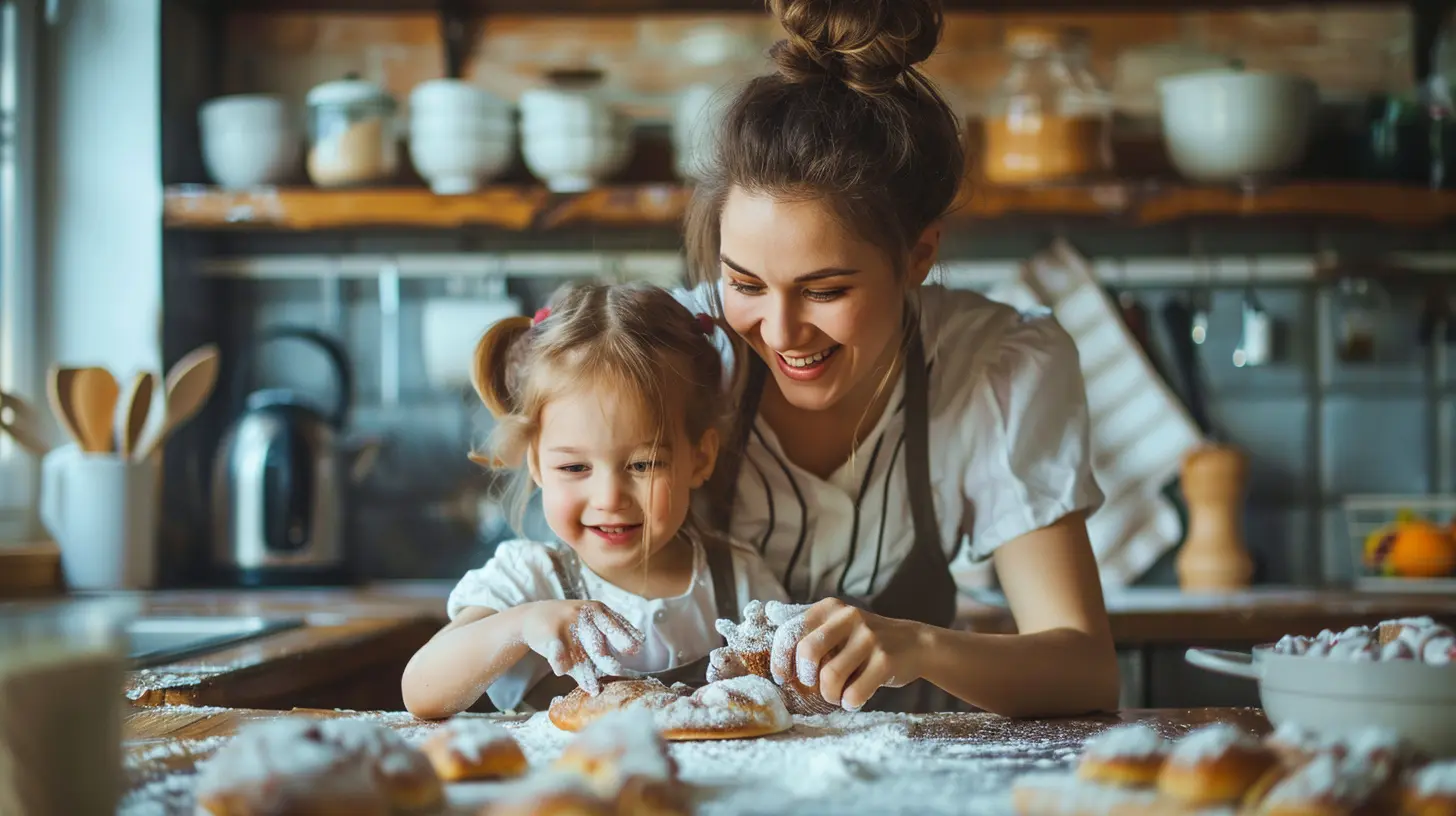
2. Boosts Your Child’s Confidence
Let’s be real—kids are always watching. When you take interest in their world (even if it’s a 20-minute monologue about Minecraft), it sends a clear message: “You matter. What you say matters.”That validation builds self-esteem like nothing else. When parents get involved in the little things—like checking their homework or watching their magic tricks—it boosts a child’s belief in themselves.
And you know what? Confident kids grow into resilient adults. Boom.
3. Improves Behavior Without Yelling
Yes, really.Being hands-on doesn’t mean being a pushover. In fact, it often means the opposite. Kids who have active parental involvement tend to understand boundaries better. Why? Because they feel seen and respected.
When children feel connected, they’re more likely to listen. You’re not just a “rule enforcer”—you’re their person. And when discipline comes from someone who’s genuinely present, it feels more like guidance and less like punishment.
Pro Tip:
Use connection before correction. A quick hug or eye-level conversation can work wonders.4. Encourages Better Academic Performance
No, you don’t have to sit through hours of algebra to help your child do well in school. Simply asking about their day, showing up for parent-teacher conferences, or chatting about books can make a big impact.Studies show that when parents are actively involved in their child’s education, kids tend to:
- Have better grades
- Show improved attendance
- Develop a love of learning
It's simple: when you show learning matters to you, it starts to matter to them.
5. Promotes Healthy Risk-Taking
Okay, this one might sound a little weird at first. But hear me out.When kids feel supported at home, they’re more willing to try new things—sports, clubs, friendships, and more. Why? Because they know someone’s in their corner if they mess up.
Hands-on parenting provides a safety net. You’re not removing risks; you’re helping manage them. That gives your child the courage to explore the world without fear of failure.
6. Builds Their Emotional Vocabulary
Ever try to get a toddler to explain why they’re melting down? It's like trying to translate dolphin clicks.But when you're hands-on, you’re teaching emotional literacy every single day. Whether you're naming emotions out loud (“You look frustrated—want to talk about it?”) or modeling healthy coping strategies, you’re giving them the tools to understand themselves and others.
It’s like handing them the dictionary of feelings—and trust me, that helps them big time later in life.
7. Strengthens the Parent’s Mental Health Too
Here’s a surprise twist: being hands-on doesn’t just help your kid. It helps you, too.When you connect deeply with your child, your brain releases feel-good chemicals—oxytocin, dopamine, all the happy stuff. It’s literally science-backed stress relief.
You also get a stronger sense of purpose. You start to see the wins (even the small ones), and that can boost your own resilience and happiness.
Bonus? You laugh more. And any parent knows a good belly laugh is worth its weight in gold.
8. Reduces the Chances of Risky Teen Behavior
Ah, the teen years. A time of hormones, mood swings, and endless snacks.While you can’t protect your child from everything, hands-on parenting makes a big difference in steering them away from dangerous behaviors like substance abuse or delinquency.
Why? Because you've already laid the groundwork. Teens with close parental relationships are more likely to:
- Confide in their parents
- Respect household rules
- Seek guidance when facing peer pressure
Parenting in the teen years doesn’t mean pulling away—it means staying steady, even if they roll their eyes a little more often.
9. Encourages Lifelong Communication
You know those families on sitcoms that talk about everything? That can be you.Hands-on parents create environments where talking is normal. And not just about homework—about feelings, fears, dreams, and struggles.
When your child knows you’re always ready to listen (without judgment), they’ll keep coming to you even into adulthood.
Communication is like a muscle—the more you use it, the stronger it gets.
10. You Create Memories That Last Forever
Think back to your own childhood. What do you remember most?Chances are, it’s not the fancy toys or the perfect meals. It’s the bedtime stories, the goofy dances in the kitchen, or how your parent always showed up to your games.
Being hands-on means being there for those little things that become the big things.
You’re not just raising a kid—you’re creating a scrapbook of memories that will stay with them for life. And honestly, that’s pretty amazing.
11. You Raise Empathetic Humans
Empathy isn’t taught—it’s modeled.When your child sees you helping others, listening deeply, and valuing relationships, they soak it in like a sponge. They grow up knowing how to connect, understand, and support others.
That’s not only good for your family—it’s good for the world.
Plus, empathetic kids are more likely to have strong friendships, better teamwork skills, and emotional intelligence that lasts a lifetime.
12. You Become More In Tune With Your Child’s Needs
When you’re regularly involved in your child’s life, you start to notice the small shifts. Maybe they’re feeling anxious about school. Maybe they’re pulling away socially. Or maybe something just feels "off."Hands-on parenting turns you into a bit of a detective. You pick up on the cues that others might miss, and you intervene early—whether it's emotional support, extra help, or just a little love.
This deep awareness can make all the difference in helping your child thrive.
13. You Learn Patience (And Magic-Level Multitasking)
Okay, real talk—being hands-on is not always sunshine and giggles. Some days it’s messy, loud, and completely chaotic.But in the middle of that chaos, you learn patience like a monk.
You learn to juggle a million things, think on your feet, and find humor in the madness. That skillset? It seeps into every other area of your life—work, relationships, even your self-growth.
Parenting doesn't just grow children. It grows grown-ups too.
Final Thoughts: The Real Payoff
Being a hands-on parent isn’t just about doing—it’s about being. Being there. Being present. Being engaged.It’s carving out moments in the madness. It’s putting down your phone to build a LEGO tower or staying up late to talk through middle school drama.
It’s sweatpants and cereal at midnight. It’s love in action.
And while no one gets a trophy for doing the everyday, the unseen benefits are endless. Your time, your love, your presence—it all adds up. And even when you don’t see the impact right away, know this:
You’re making magic happen right where you are.
all images in this post were generated using AI tools
Category:
Parental InvolvementAuthor:

Tara Henson
Discussion
rate this article
2 comments
Rex Riggs
This article piqued my curiosity! I wonder how these unseen benefits manifest in the long run. Can being hands-on really shape a child's emotional and social skills? I’m excited to learn more about these profound connections!
March 12, 2026 at 3:32 AM
Tara Henson
Thank you for your enthusiasm! Yes, being hands-on can significantly enhance a child's emotional and social skills by fostering stronger bonds and encouraging practical problem-solving. Stay tuned for more insights!
Barrett Wolf
This article beautifully highlights the often-overlooked advantages of hands-on parenting. Engaging deeply with our children fosters stronger emotional connections, better communication skills, and boosts their confidence. Moreover, it creates lasting memories and positive family dynamics, proving that the time invested today pays off in their future well-being.
February 14, 2026 at 4:32 PM
Tara Henson
Thank you for your thoughtful comment! I'm glad you found the article highlights valuable; hands-on parenting truly enriches both the parent-child relationship and future well-being.